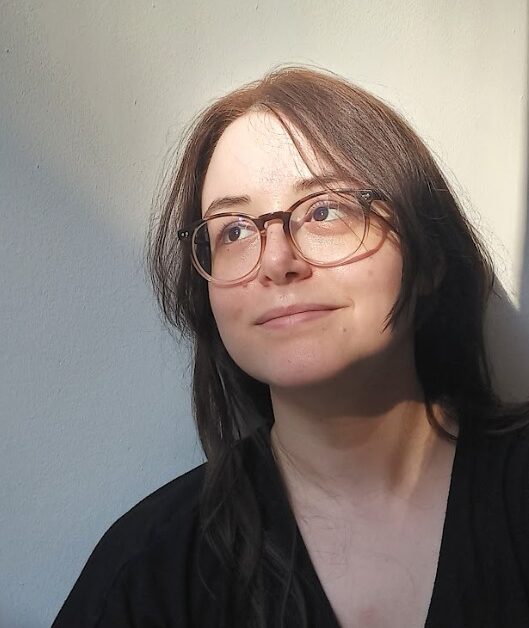
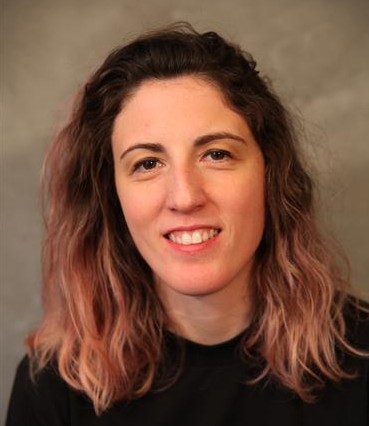
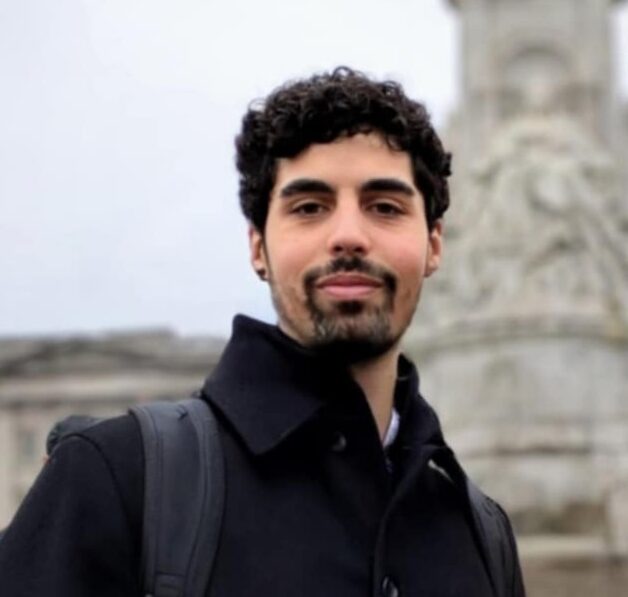
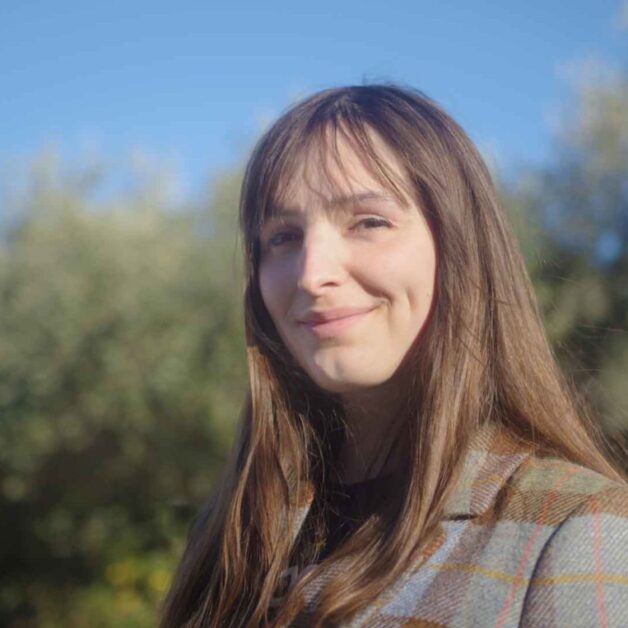
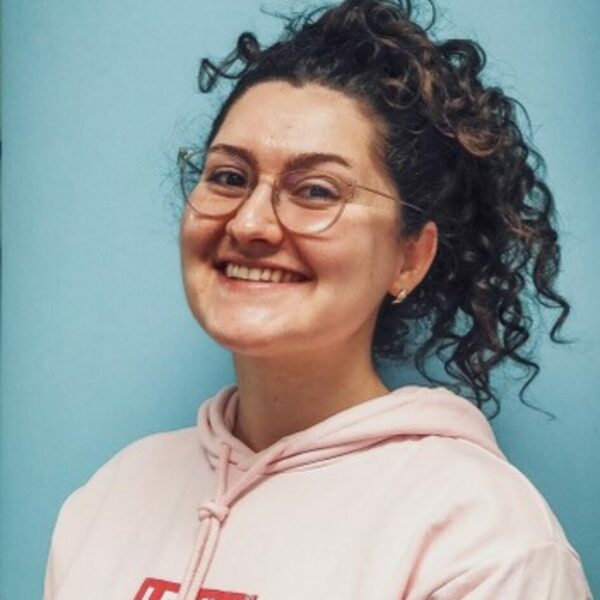
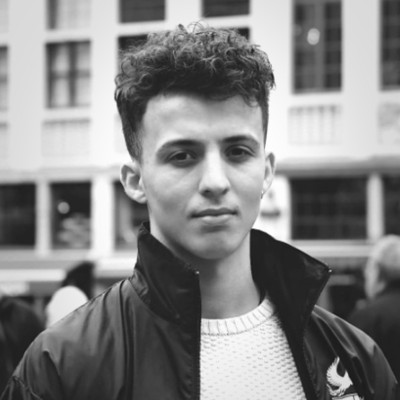
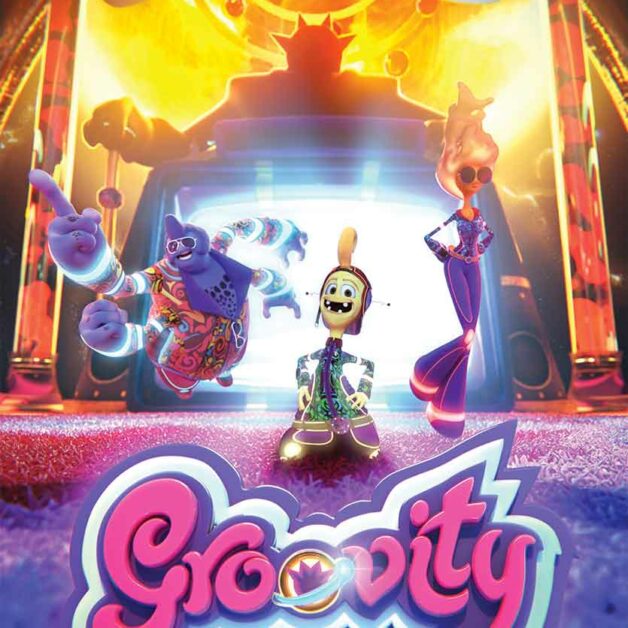
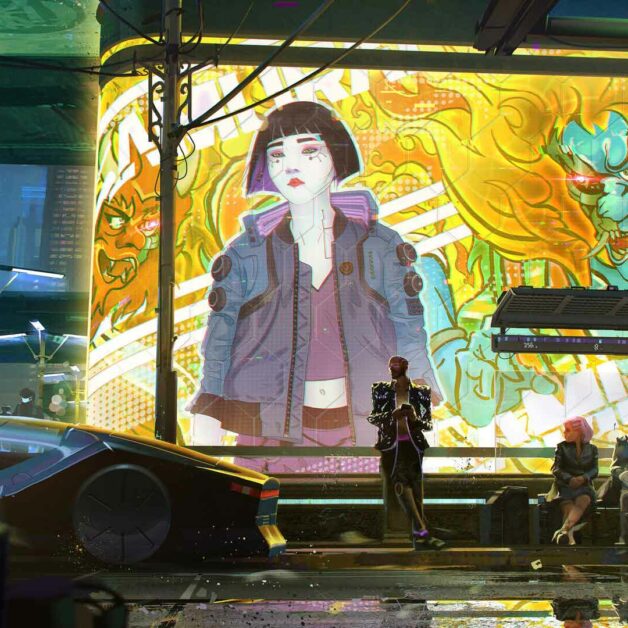
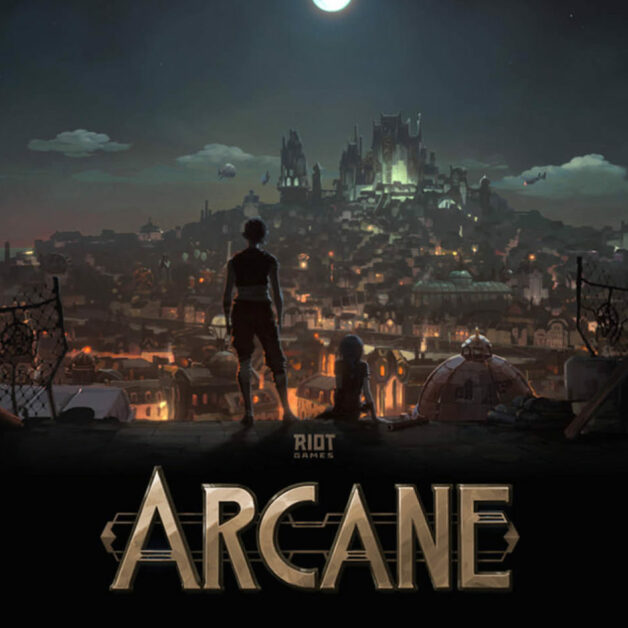
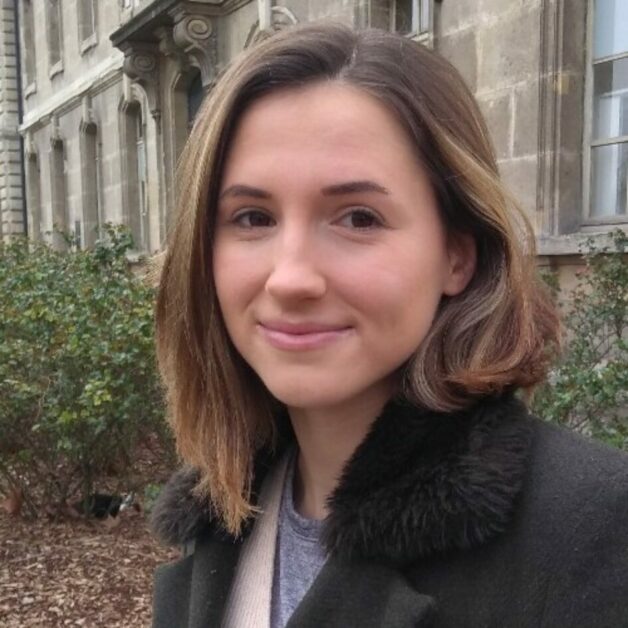
A 2011 graduate of ESMA, Adrien Favre-Félix was the first employee of the INTHEBOX studio, which he joined in February 2012, a few months after completing his studies.
Thirteen years later, it is as CG supervisor – Lead lighting / compositing that he continues to work with this production company, which is now well established in the French and international animation galaxy, while remaining a human-sized business based in the suburbs of Annecy.
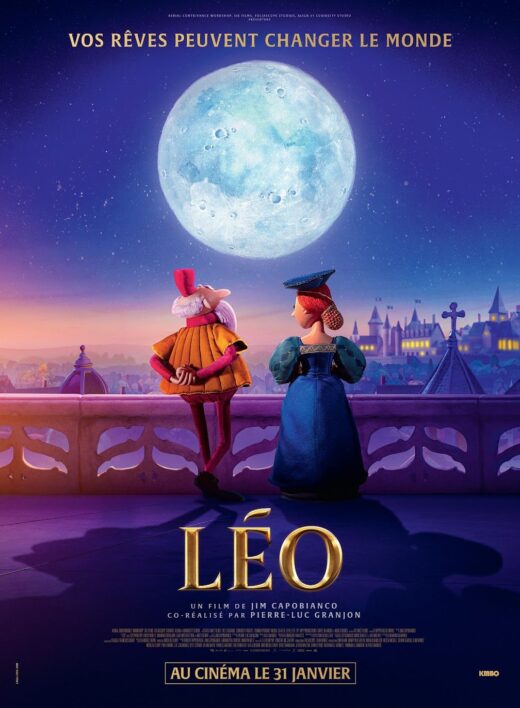
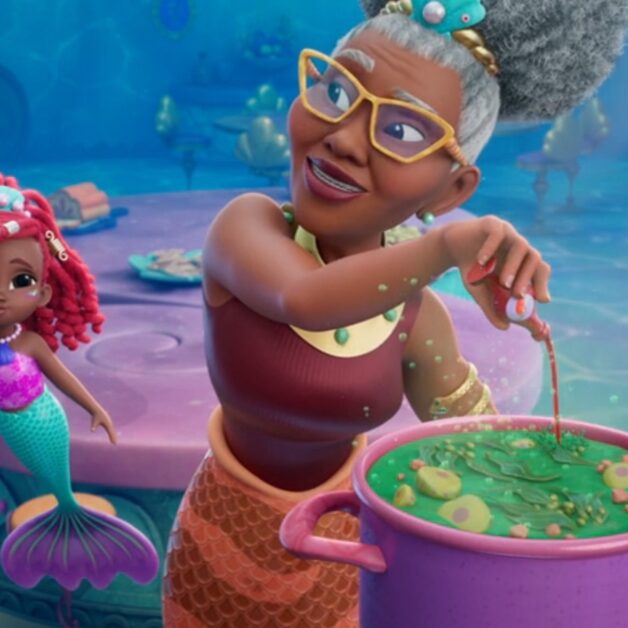
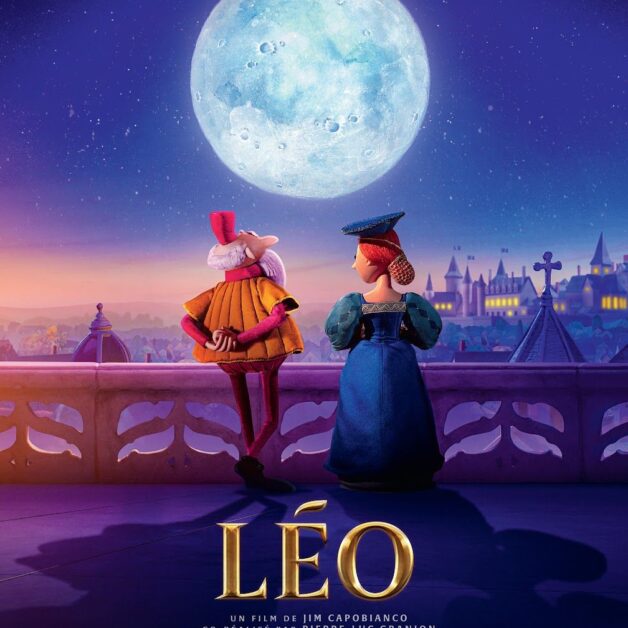
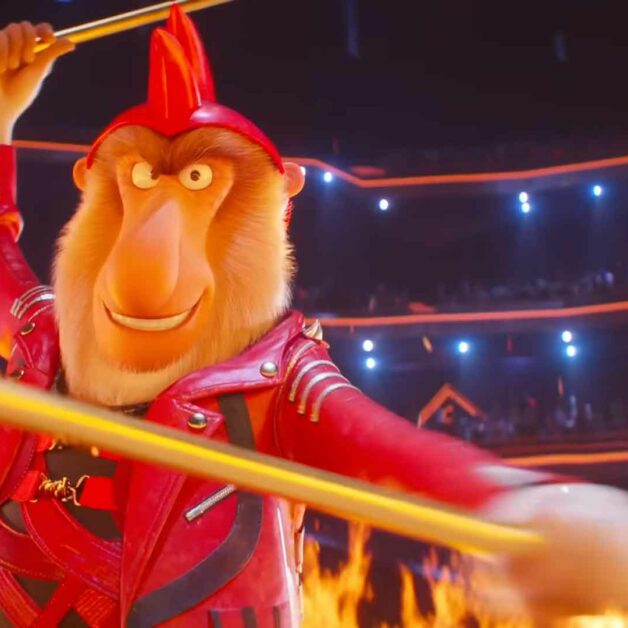
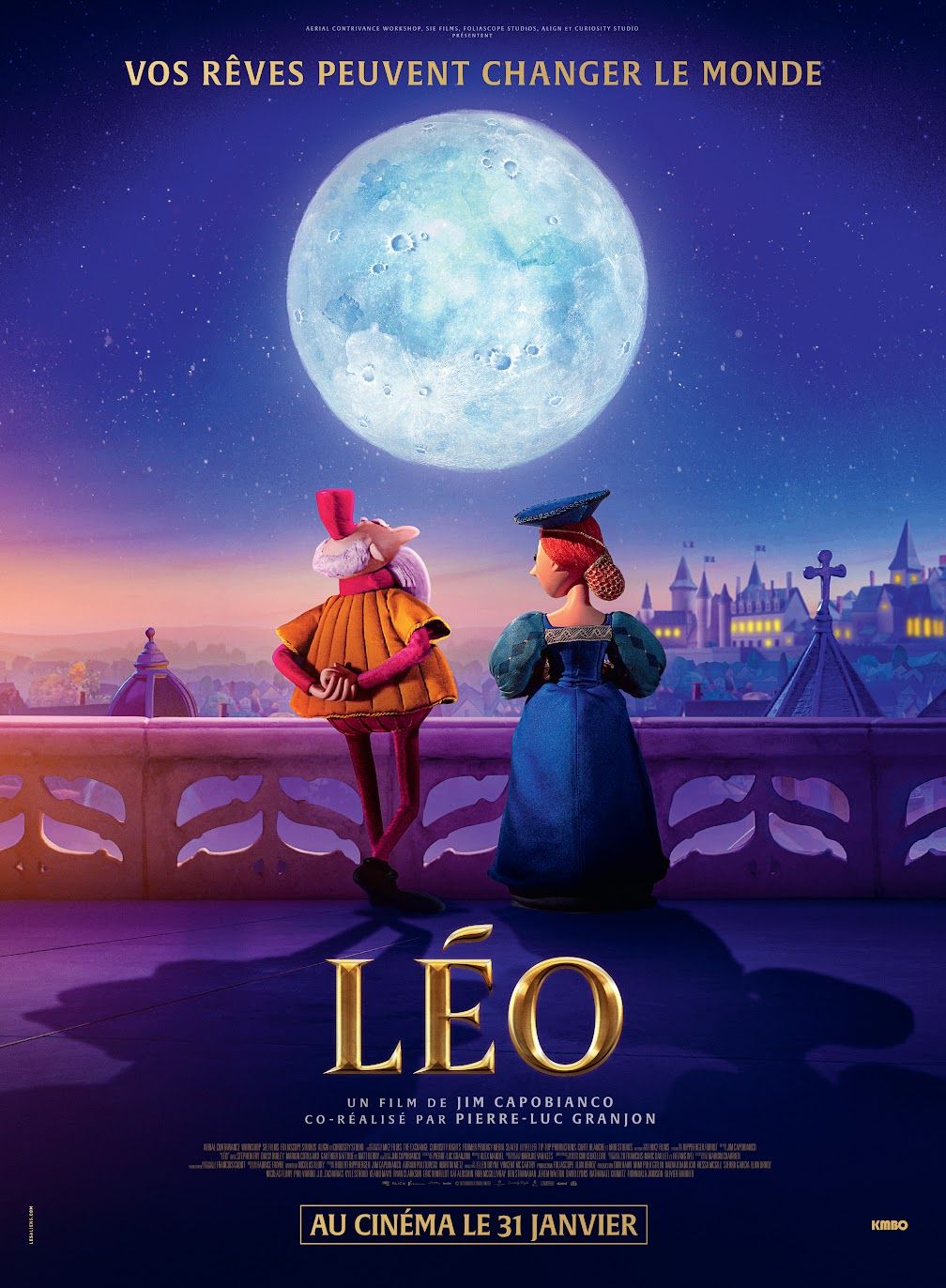
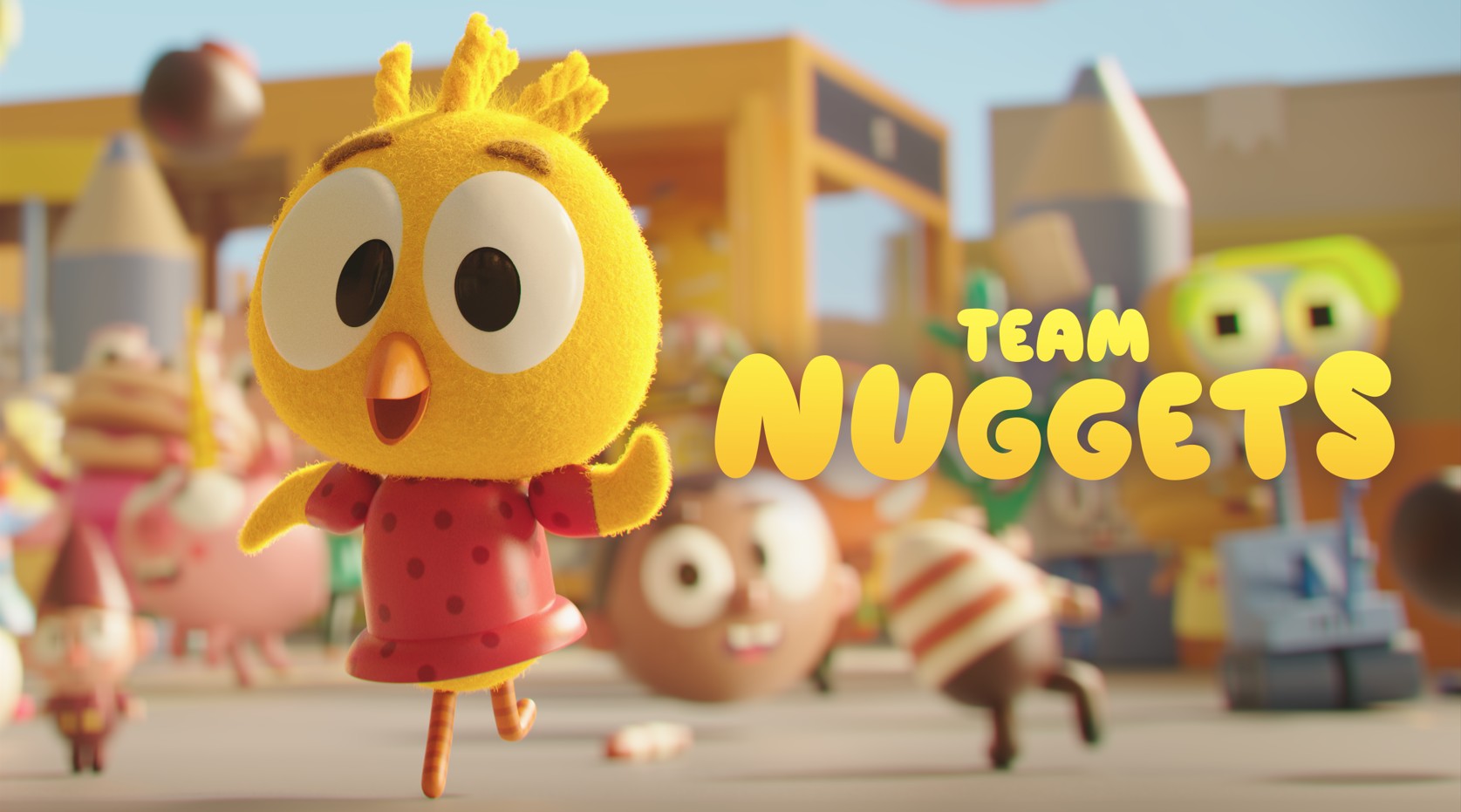
His career has been as fluid as it has been atypical in a sector where mobility is often considered the norm, but where the former student turned professional has been able to flourish and contribute to the construction of numerous projects. From the feature film Léo, la fabuleuse histoire de Léonard De Vinci produced by Foliascope to the Team Nuggets and Ordures! series, Adrien Favre-Félix is one of nine essential cogs in the INTHEBOX machine. It’s a permanent team, supplemented by intermittent reinforcements as production needs dictate.
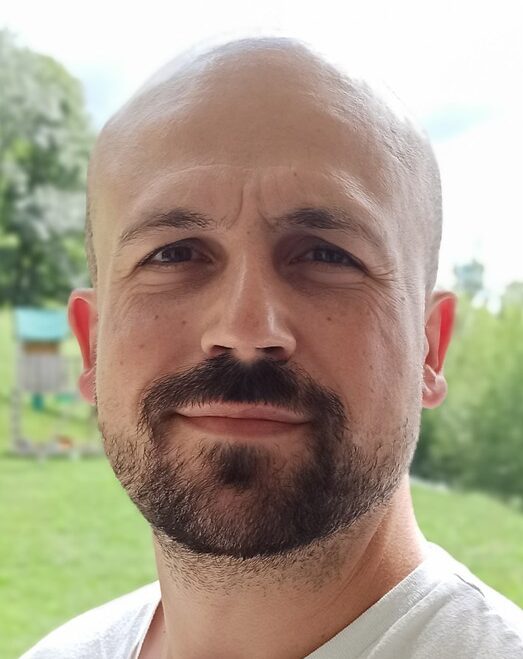
At a time when the studio is in the midst of producing the sequel to Team Nuggets, Adrien Favre-Félix agreed to talk to us about the beginnings of his career, the changes he has seen in the industry and the prospects it still offers for young graduates.
First of all, how did you get into the INTHEBOX studio?
In fact, it was founded by Mathieu Marin and Madjid Chamekh the year I graduated. For the record, I went to school with Mathieu at secondary school. We lost touch, and it wasn’t until I started my career at INTHEBOX that we got back in touch.
Do you remember your transition from the school benches to the professional world?
It took a bit of getting used to, because at the time the newly installed studio wasn’t using the Maya technology we’d learnt at school, but XSI Softimage. So the first thing I did when I was hired was to learn a lot about the software, with lots of tutorials. Eventually, the studio switched to Maya, but the first few months were quite similar in terms of learning intensity to my experience at ESMA.
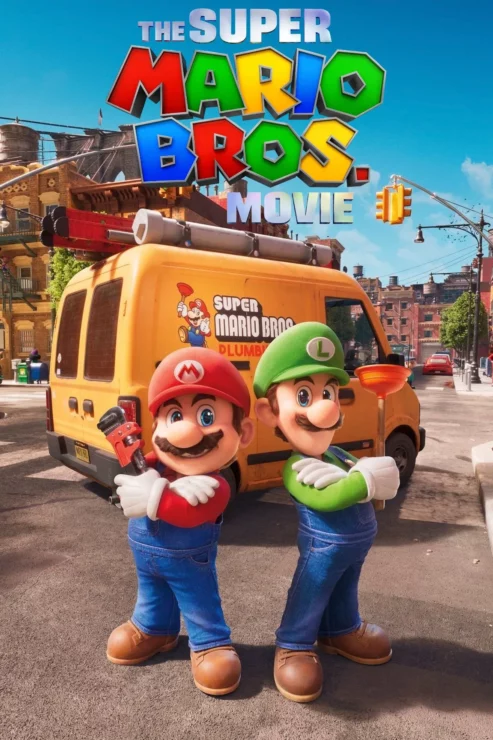
In the early days, the projects were very diverse, and I really joined the studio as a ‘general 3D artist’. We did product rendering, posters and so on. Over time, that evolved into more advertising, more services, and that’s when we started animating. Today, we focus our efforts on 3D animation and series, but we have also worked on stop-motion feature films, where we handled all the background, VFX and compositing.
How has this affected your position and the development of your responsibilities within the studio?
Mathieu and Madjid were originally two Technical Directors, who were very good at the technical aspects. Madjid also has a strong background in IT, machines, networks and servers, which provided a good basis for building a team with its own specificities.
For my part, I was more focused on the look dev, texture, shading, lighting or compositing aspects, and this gradually evolved into a lead lighting/compositing role, even though I was also lead texture sharing for the production of certain assets.
Today, I’m even a director on certain parts of the project we’re working on together. Finally, even though I haven’t left INTHEBOX, there have been quite a few different stages in my career.
What is your proudest project to date?
The project we’re most proud of is always the one of the moment. We’ve had a lot of them, so it’s hard to single out one in particular.
It’s true that because we’re a small studio, we’re often chasing budgets. I’m proud of the work I’ve done, but there’s always that little frustration of wanting to go a bit further.
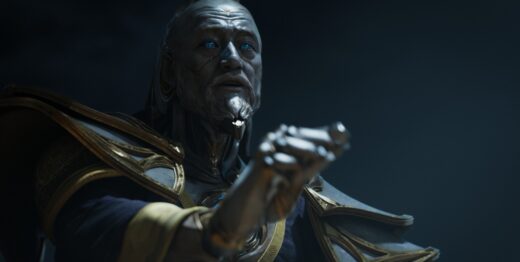
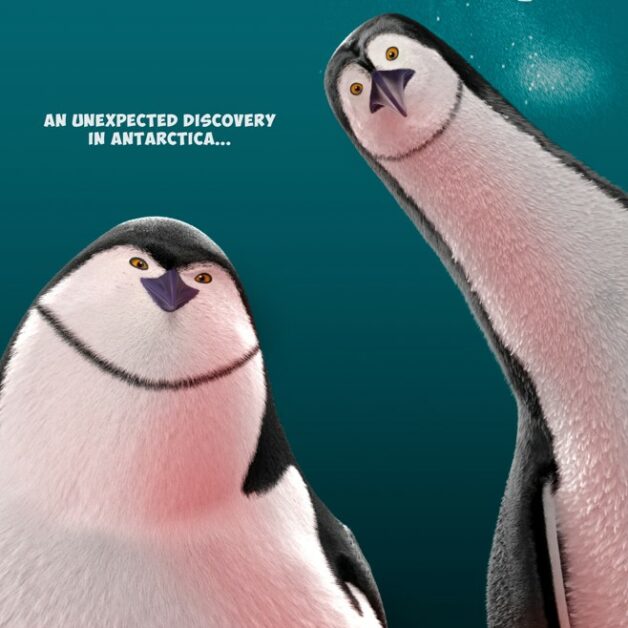
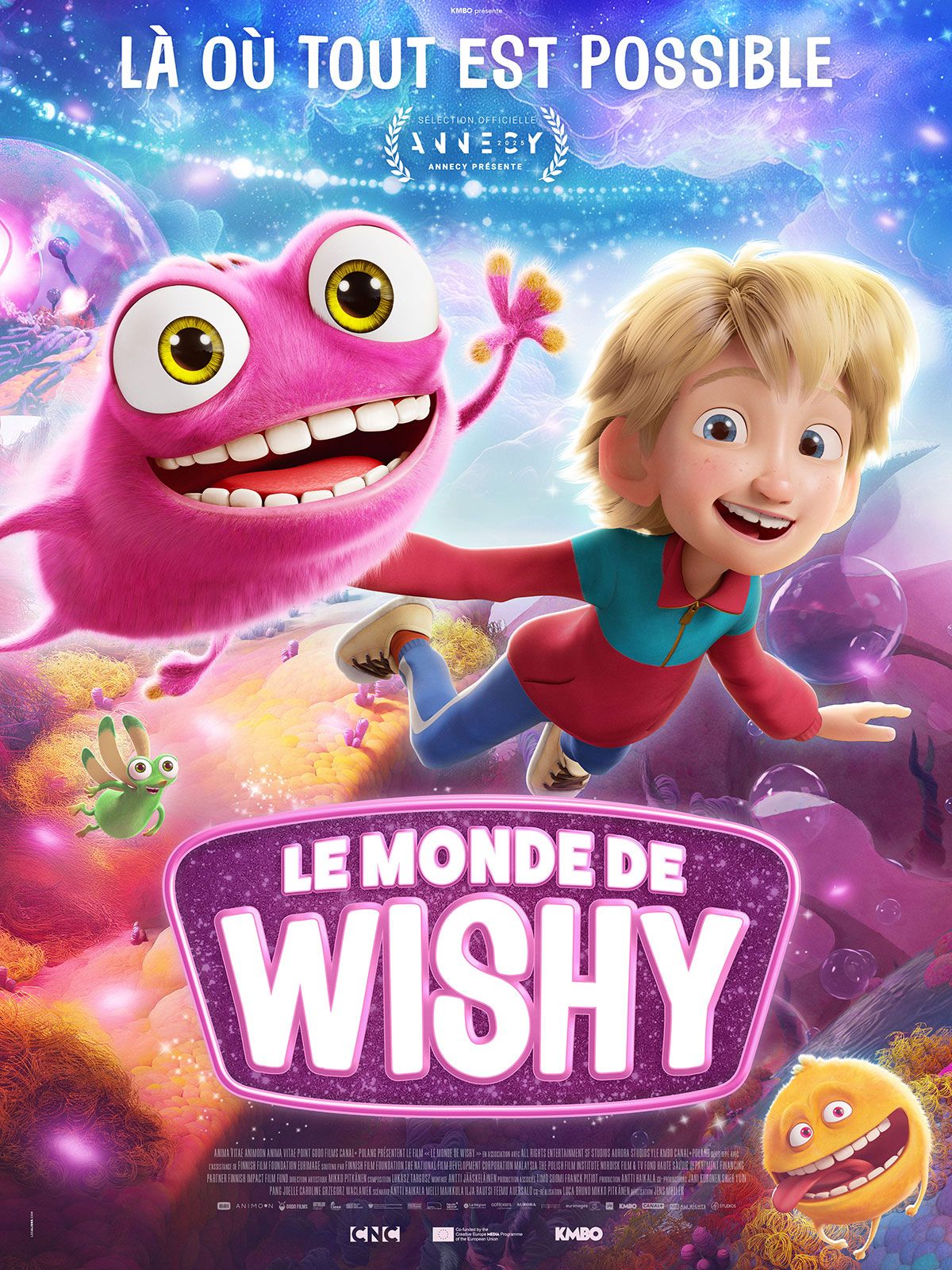
Among the highlights of the last few months, we’ve been involved in Wishy’s World, a feature film co-produced in France by Godo Films, and we’re in production for season two of Team Nuggets, where I’m working as technical director on the French episodes of the series, co-produced with Denmark.
How have you felt the changes in the animation sector in France since the start of your career?
Many aspects of the sector have evolved. For a start, there’s technological change, which requires great adaptability. You always have to try and keep up with the times. As CG Supervisor at INTHEBOX, we do a lot of R&D as we take on new projects, with the aim of improving our pipeline and workflow. For example, we’ve started to use Blender, right from containment, to cut production costs.
All in all, we’re carrying out tests to keep up to date and propose solutions, and we’re thinking about integrating (or not) AI into our processes, while continuing to work on Maya. You have to keep renewing yourself, and that’s a constant in today’s industry.
As far as the sector itself is concerned, it’s true that it’s smaller than it used to be. As far as I’m concerned, I’m lucky enough to have a stable position, a permanent contract in a company where teams grow and shrink depending on the project. This flexibility means that we can integrate these temporary workers into our most ambitious productions, while at the same time having ‘underwater’ projects that enable us to continue working.
You mentioned AI, how has this technology and other advances such as real-time animation changed the way you produce?
As far as AI in particular is concerned, we’re in more of an R&D phase, because it will only be used here if it adds value to our project. Whether through a ‘third eye’ or a self-critical eye, this tool could enable artists to be more autonomous.
It’s also a tool that could be used to create (via turnarounds) good 3D blocking bases on certain characters, before detaching the elements and resculpting them to make the manufacturing stage more efficient.
Does this technology threaten certain professions? I see it more as an evolution, because it doesn’t replace the know-how of a professional, and what that professional’s experience can bring to the final rendering of an image or 3D asset.
That said, the profession may evolve in the future, and AI skills may be a prerequisite for new 3D artists.
What do you think makes a good professional in today’s animation industry?
Quite simply, the ability to adapt and to fit into a team. Remaining in an overly rigid operating mode is likely to lead to frustration and blockages, with a negative impact on production and collaboration in general.
When recruiting, we’re looking for good personalities. People who are simply human, who can adapt, work as part of a team and are open to learning. Technical quality is something that can be learned throughout a career.
And what about managerial skills? As a CG Supervisor, how did you learn to manage teams?
I learnt on the job, as did all the artists who are now supervisors at INTHEBOX. It all happened quite naturally, but the main thing is to give each artist the freedom to concentrate solely on their work, on their mission. So when the lighting artist gets his shot back, he has just one thing on his mind: to create his lighting in the best possible conditions. The rest is up to us to manage, to make sure that everyone is in the best possible mood, with tasks that correspond as closely as possible to their desires, while improving the processes as we go along.
Not everyone has the ambition to become a manager, it depends on the personality of each individual, but on the whole I think that benevolence, openness to others and the ability to be both proactive and flexible are qualities that must be present in all our teams, whether supervisors or not.
Talking of recruitment, how can today’s and tomorrow’s students prepare to enter this professional world?
There will always be a need for specialists in each department. Paradoxically, I started out as a generalist, and I don’t have the experience of the big studios, but I think that this need for specialisation will continue in the years to come.
In series production, for example, you need people with skills in very specific areas such as asset creation, layout, animation, rendering and compositing.
But beyond this need for specialisation, in my opinion the most important thing remains to be as curious as possible, and not to hesitate to test the latest innovations and emerging technologies, and not to stop at what you learn at school.
Where the school plays an essential role, however, is in instilling the value of work, both in terms of individual effort and teamwork. The graduation film is a real plunge into the world of animated film: a cooperative effort, where tasks need to be divided up according to each person’s affinities, and people need to work together in harmony and understanding.
Because that’s really what’s crucial in our recruitment process. I’d rather have someone in front of me who can work well with others than an over-rigid technical prodigy. Someone who’s capable of coming to the aid of a colleague if they’re running late, or someone who doesn’t necessarily have perfect technical mastery, but who will have the ability to progress. This resilience, the ability to put one’s ego aside and the desire to share are essential complements to training at a good school.