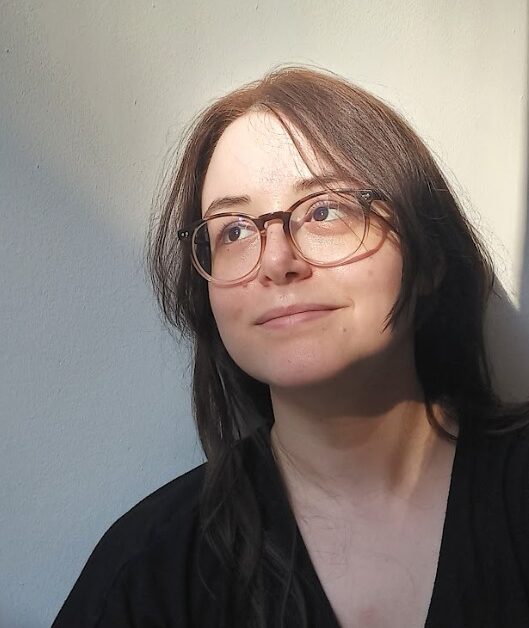
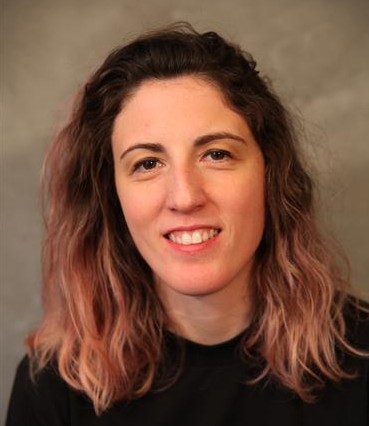
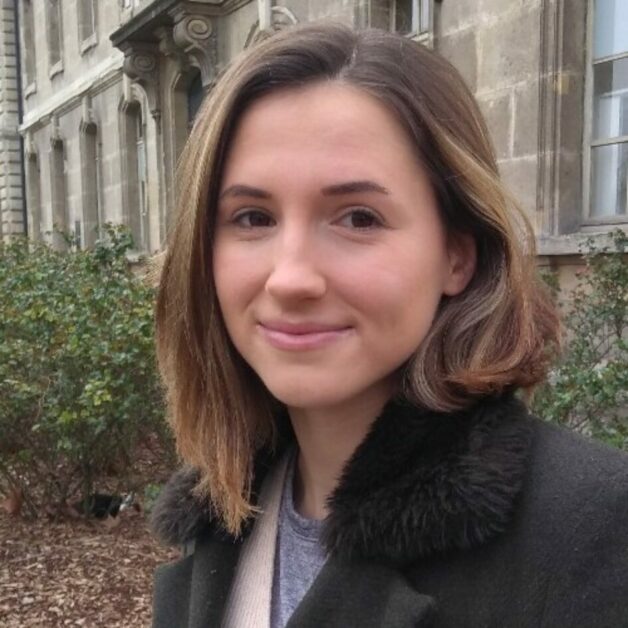
After graduating from ESMA in 2022, Elodie Delune built her career as a 3D artist in Hungary, more specifically as a lighting/compositing artist for the Digic Pictures studio.
An experience that has led the co-director of the short film Baovelanh (read our backstage story elsewhere) to experience the ups and downs of a constantly evolving sector and to develop a certain pragmatism with regard to this industry to which she has contributed for several years.
After working on a number of projects for Digic, including the Secret Level series, Elodie Delune talked about this first experience and her day-to-day life, between discovering new tools and strengthening her ability to take on ever more ambitious projects.
We talked to her about the importance of teamwork, the evolution of the technologies used by her studio, and the transition from the school benches to those of a bubbling professional environment. It was a meeting full of encouragement and confidence in the future, as long as we remain curious and open.
What projects are you currently developing, and what does your day-to-day life consist of?
At Digic, my role as lighting/compositing artist consists of creating the lighting for a sequence on Maya and then assembling the layers of sets, characters and FX on Nuke to create the final image. All this while respecting the continuity of the sequence and the artistic direction of the project.
As far as the nature of the projects is concerned, I mainly work on video game cinematics, whether in-game or for trailers. Today, in parallel with this activity, Digic is increasingly developing its work on series.
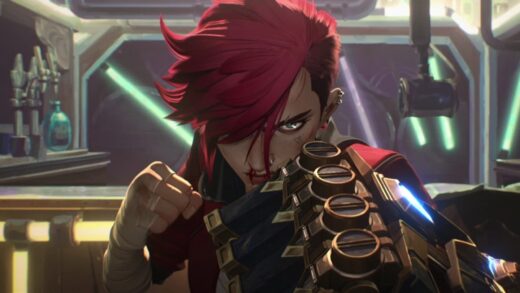
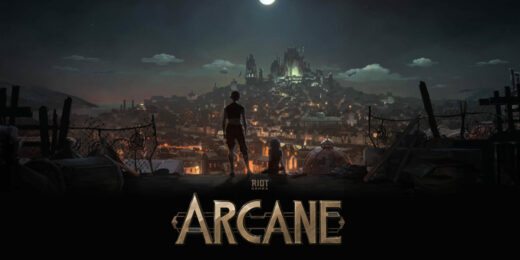
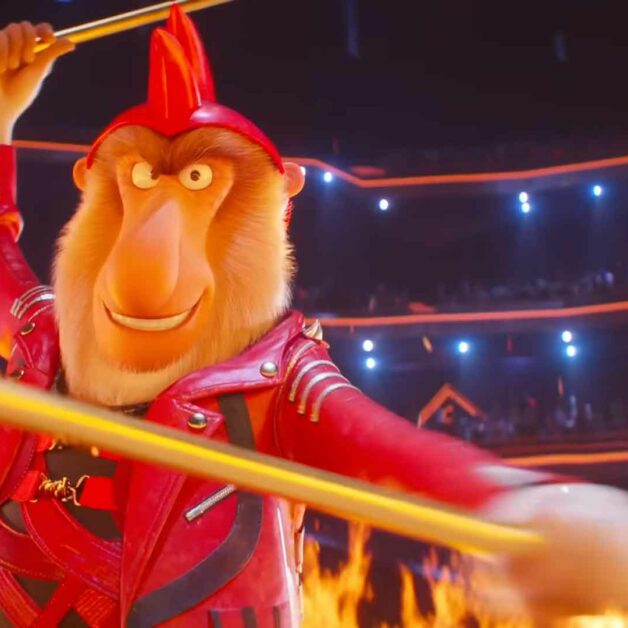
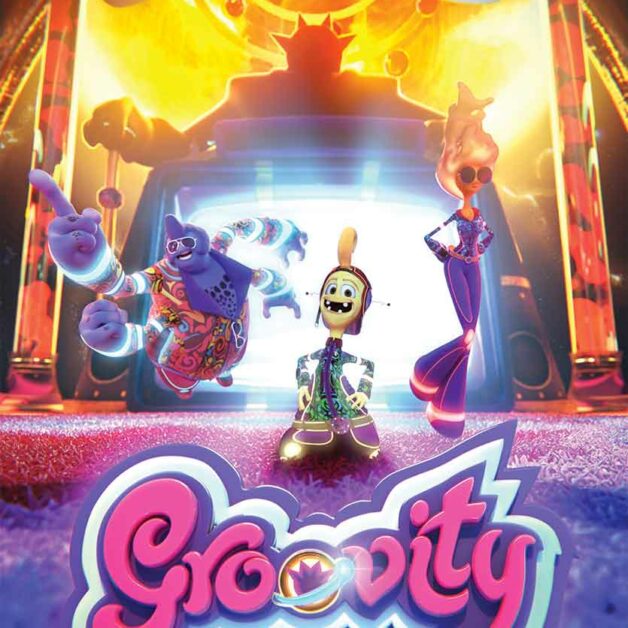
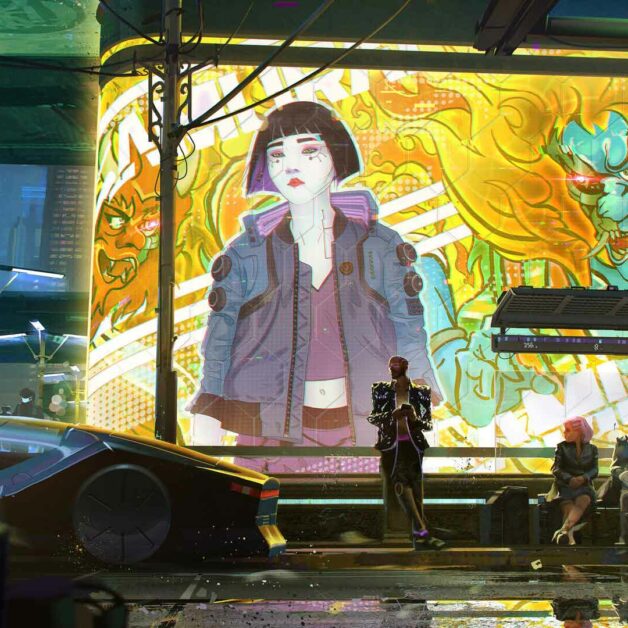
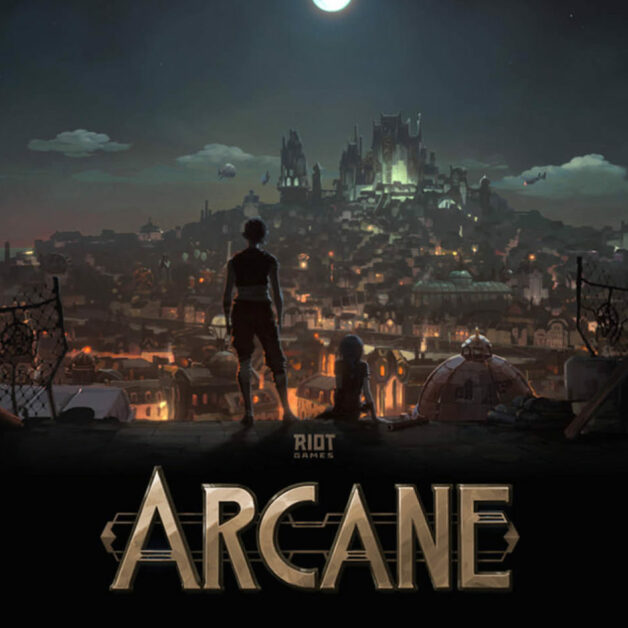
This began with Secret Level, an anthology series released on Amazon Prime in 2024 and on which Digic collaborated, and this line of development continues with the recently announced production of a series based on the Magic The Gathering universe.
Which project are you most proud of to date?
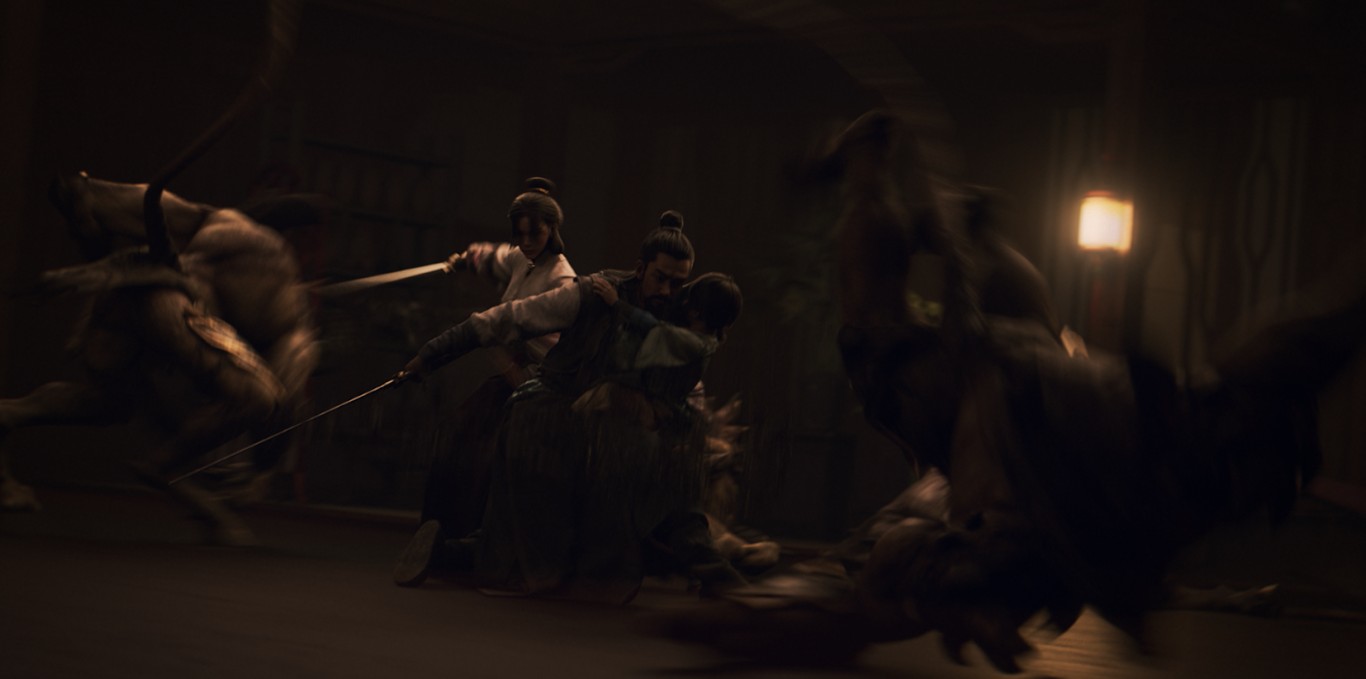
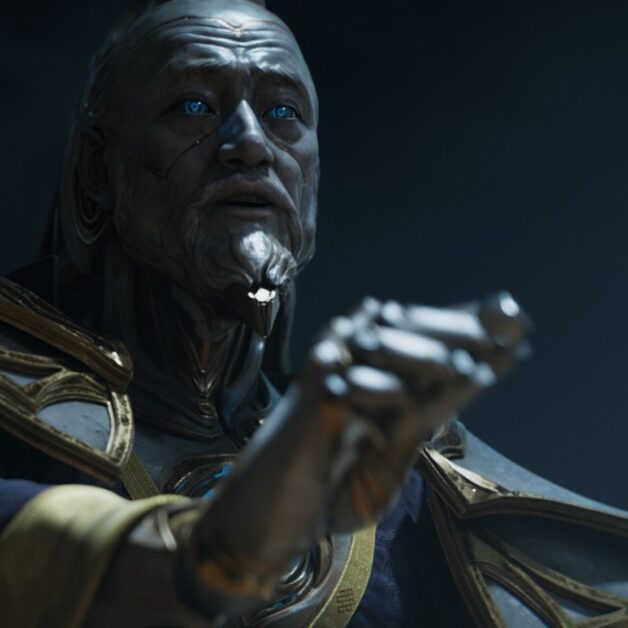
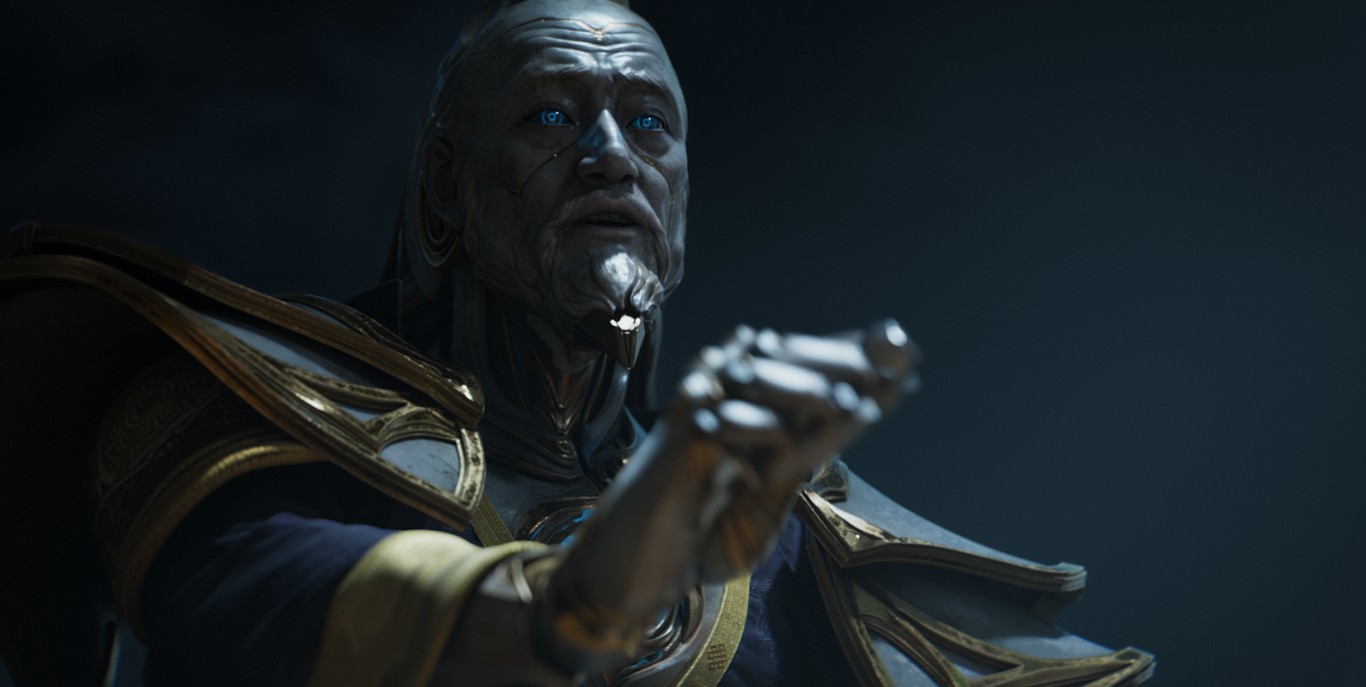
I had the opportunity to work on the episode Honor of Kings: The Way of All Things from the Secret Level series, and this was the longest project I’ve ever worked on and also one of the most difficult because of all the last-minute changes.
But thanks to this, I was able to learn a great deal and respond to a variety of issues, each of which brought new challenges. I felt I was being trusted more and more as I went along and, over and above the final result, it’s the feeling of having been able to help finish this project on time that makes me proud today.
How do you see the current state of the sector?
To be completely transparent, just three months after I arrived at Digic, 10% of employees were made redundant. From then on, things deteriorated considerably within the company. What’s more, I saw my classmates losing their jobs, studios closing down here and there, and I wondered if we weren’t going to be next.
Today, I have a mixed view of the sector: on the one hand, I still see artists struggling or sometimes retraining, but on the other, I also see some great projects being born, which gives me a little hope for the future. One thing’s for sure, I feel extremely lucky to have been able to keep my job and to be doing the job I love and have chosen.
Are you feeling a slowdown or pressure on budgets?
Even if the notion of a budget remains rather vague at my level, I can feel the impact of budget restrictions when they occur, especially in terms of the time that each division can devote to a project. Here’s an example of a sentence I’ve heard: You have to change the texture in compositing because the set design department has no budget.
At the same time, and I don’t know if it’s related, but I’ve also seen the number of shots allocated increase from 5, to 10, then 15, sometimes 20. That said, it teaches you to be efficient, you get to the point. But it’s frustrating to want to do better and not be able to, because of a lack of time. Fortunately, not all projects are like that, and at the moment I’m working on a project with more than acceptable deadlines. In any case, the word ‘industry’ has really come into its own in my first few months here. It’s a world that’s constantly changing, where adapting is essential.
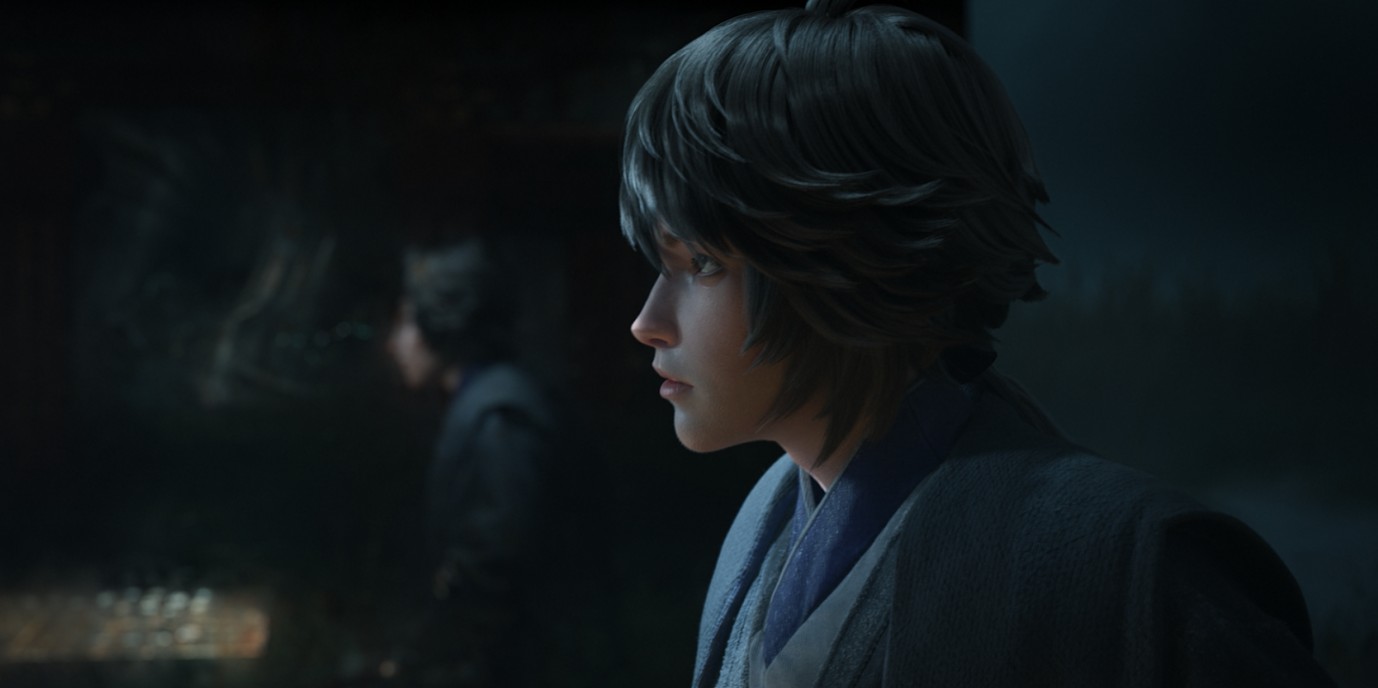
Is this ability to adapt what makes a good professional in today’s sector?
In my opinion, you have to be open to learning new techniques and not rest on your laurels. For example, I regularly open my colleagues’ compositions to see how they have approached a particular effect. This curiosity also has to be combined with a certain ability to adapt, because I can sometimes have two projects going on at the same time with two very different moods, and leads who are just as different in the way they work.
Patience and detachment are also important skills. Sometimes I work on a shot for several weeks, only for it to be removed from the final cut and replaced by another, and you have to be able to accept these situations.
Today, we need to combine creative and managerial skills. What do you think of this statement?
I don’t get the impression that this is very much the case in my current position, other than to define the plans that need to be prioritised according to the schedule.
On the other hand, this applies very much to the leads within Digic who act as the link between the art directors, the clients and the artists. At the same time, they develop the main look and the techniques used for an effect in the project for which they are responsible, so I’d say that the higher up the hierarchy you go, the more this is true.
You were quickly thrown into the industry when you joined Digic. Do you think young graduates arrive sufficiently prepared for the world of work?
Technically and socially, yes. The ESMA course gives us a real understanding of all the stages of production and the issues involved, as well as the ability to work as part of a team and build our network.
In Hungary, there are very few 3D schools, so artists come from different backgrounds, from architecture to painting to photography. This in no way prevents them from becoming great artists, but the path was longer and more difficult. Since then, I’ve seen ESMA as a sort of premium 3D ‘bootcamp’, a high-quality training course for entering the industry.
In terms of the technologies you use on a daily basis, how do you feel about the evolution of tools, innovations and, in particular, the impact of AI on your business?
We work a lot with motion capture to animate the cinematics, so we can start the lighting on all the shots fairly early on and have a good overall idea of where the action will be throughout the sequence.
As far as artificial intelligence is concerned, I’ve seen a bit of it in the pre-production files sent in by clients, but apart from that it hasn’t been integrated into our pipeline for the time being.
At our level, we work mainly with Maya and Nuke, and we try to make maximum use of Livegroups in Nuke to facilitate final grading and anticipate a change that would affect the whole sequence.
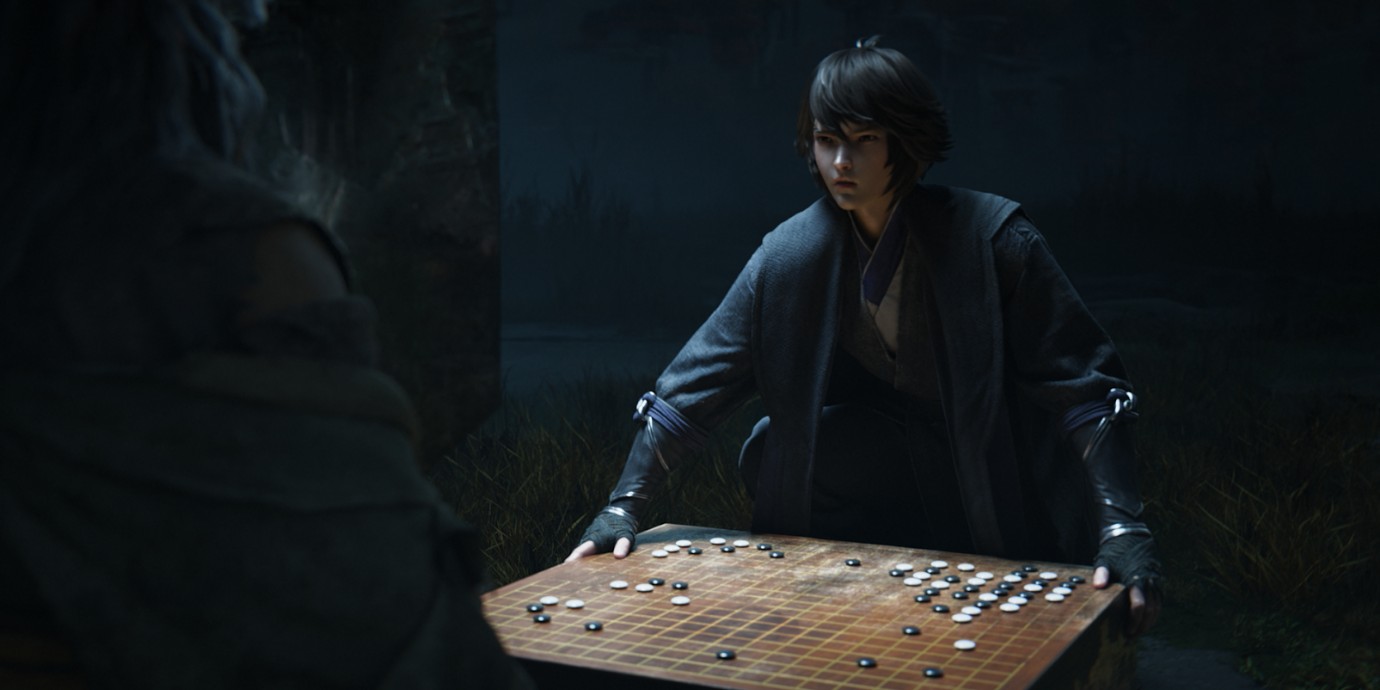
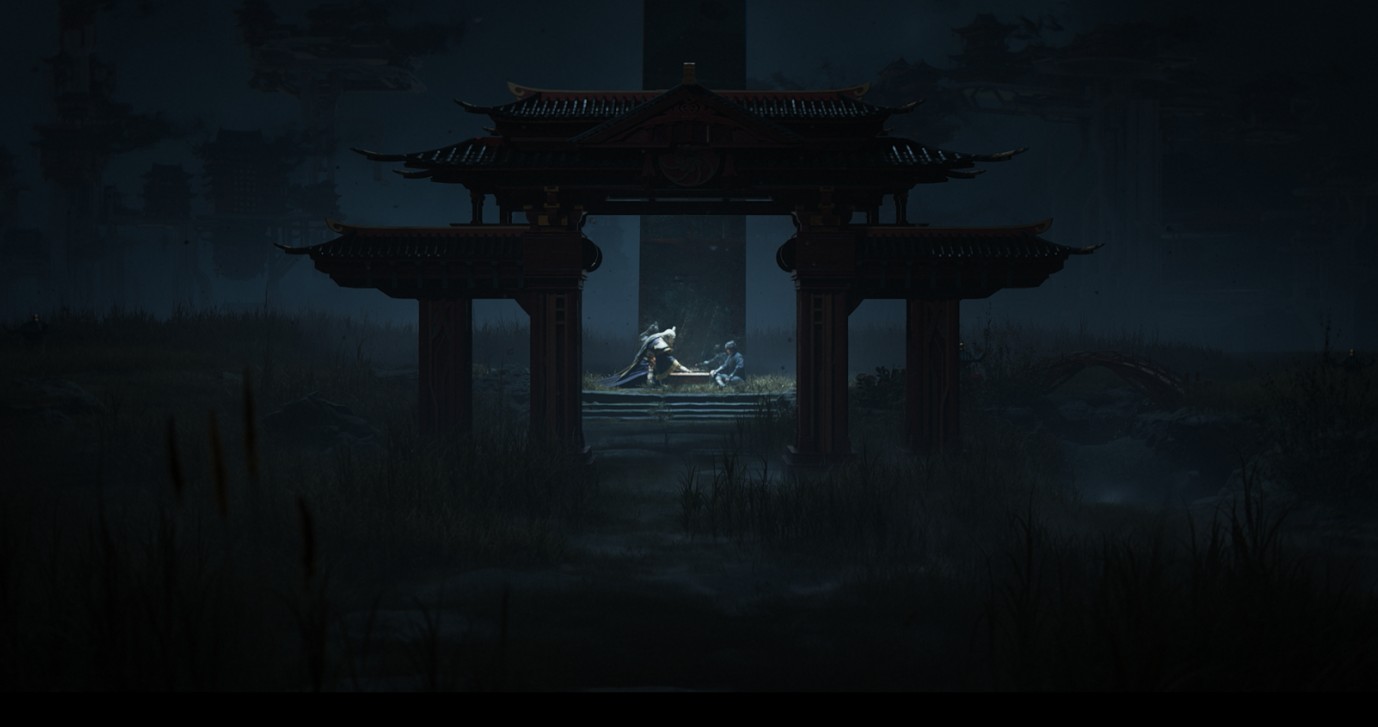
Generally speaking, when you use innovations to respond to a demand for efficiency, it’s very useful at the start of a project. But in my case, there always comes a time when you have to readjust shot by shot.
That said, certain innovations enable us to respond to greater artistic ambitions.
This is the case with Deep Compositing, which (even though it considerably slows down image calculation) allows you to go further in the retouching you can do without going back into 3D on Maya.
In my day-to-day work and in my use of tools and technologies, I try first and foremost to keep things as simple as possible, according to needs and the stage of production.
How do you see your development in this sector, and the development of animation in general?
As far as I’m concerned, I imagine that one day I’ll leave Hungary to discover another country. Working in another aspect of 3D would also be interesting. I like modelling, texturing and shading, which I’m missing a bit in my current job.
Beyond my own personal experience, I think that animation will continue to evolve towards more animated series for adult audiences, mixing different styles derived from the 2D-3D mix that has been exploding for a number of years. But all it takes is for one studio to take a risk and come up with something completely different that works for the trend to change.
As far as recruitment is concerned, I think it will be more cautious, based on freelance contracts.
Coming back to the aspects of team management and the ability to work as part of a team, how necessary do you think these skills are?
We are just one link in a chain of artists who are all committed to making a good image. This is an important skill to develop during group work and the final film. It’s been useful to me in the world of work, to dare to approach other people, to ask questions, but also to take care to do my work properly so as to make life easier for the artists who may come along after me.
The only thing that’s changed is that, unlike a graduation film, there aren’t between five and nine art directors on a project, which makes it much easier to take decisions. Even if sometimes the client and the art director don’t have the same idea!
What advice would you give to students training today?
Respect each other and help each other as much as possible. It’s a small world, and the people you work with today may be your colleagues and superiors tomorrow.
I know I’m being pessimistic about the job market, but my aim is not to discourage. If you really love 3D, you’ll find your path, not necessarily in animated films at first. It could be advertising, architecture, etc… You’re going to learn so many things, there’s bound to be a skill that you can use as a base to bounce back from.
Finally, don’t forget that you’re there to learn, so if you’re not the strongest in your class, it doesn’t matter. Some people progress faster than others, but in the end everyone’s more or less at the same level, at least that’s the aim in my opinion. During the films, the shortcomings of some will be compensated for by the strengths of others. Even in the world of work, mistakes can be made, especially at the beginning. That’s another way of making progress.