Léo Bergougnoux graduated from ESMA (formerly ETPA) in 2021, but was not destined for a career in video games. He initially studied computer science, before discovering the possibilities (and opportunities) offered by the video game industry.
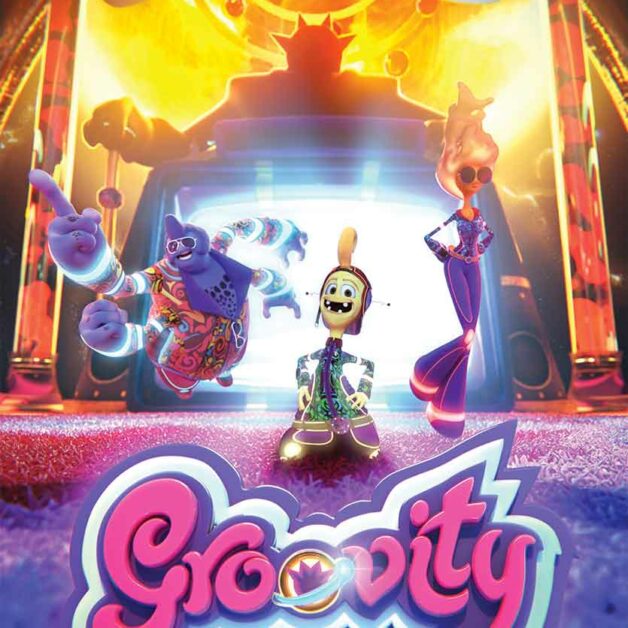
Before he had even finished his training, it was through a work placement that he joined the Toulouse-based studio Umeshu Lovers, which specialises in game design and visual development. The company regularly works with the biggest names in 3D animation and video games, from Epic Games and Rovio (Angry Birds) to Disney, Illumination, Netflix, Apple and Louis Vuitton.
Today, as Léo is about to celebrate his fifth year with the studio, he agreed to talk to us about his journey from the ESMA benches, while sharing his views on a still dynamic industry.

“One day things just clicked”.
It was at the IUT Paul Sabatier that Léo embarked on his higher IT studies, a bit by default in his own words. “I was studying business computing, but I’ve always had a creative side. One day something clicked and I said to myself: why not work in video games? The combination of the technical and artistic sides of the sector was really appealing, so I looked around to see if there was any training available in the region.”
That’s how Léo discovered ESMA Toulouse, and its training in video games and game design. It was a comprehensive course that left a lasting impression on this former student. “The course gave me an introduction to a fast-moving industry, and also provided me with a good range of technical and artistic skills, as well as a professional network.
Looking back, what impressed me the most were definitely the group projects we had to do with my classmates. Big or small, there was always good communication and mutual support within the group. With this feeling that we were pushing each other upwards, and that’s something precious.”
From studies to career and first projects
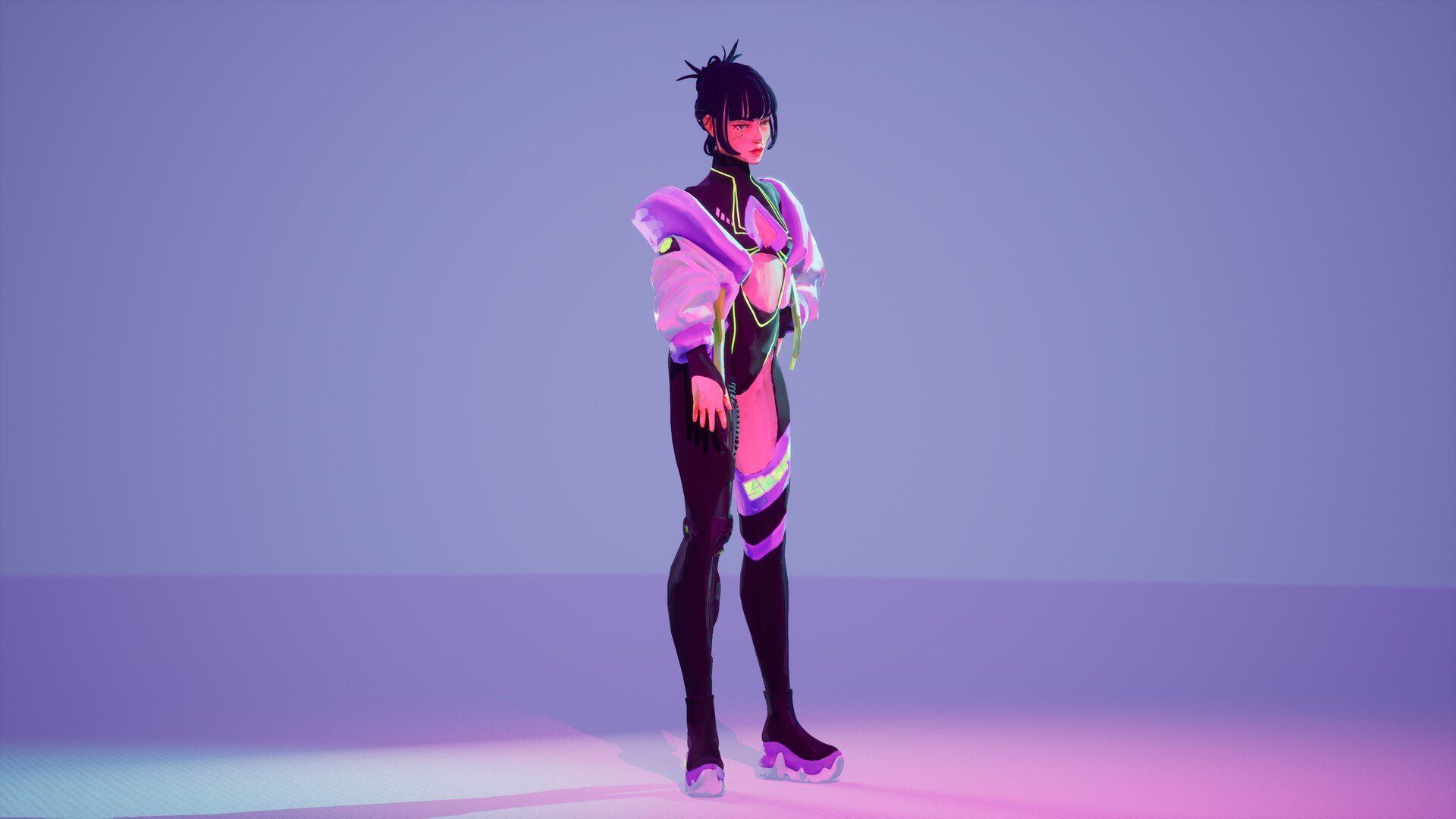
However, Léo’s current job is not at all what he imagined as a student. “I had an aversion to 3D modelling, but in the end it’s a big part of my job, which I really enjoy. The same goes for the technical side. Over time you learn to familiarise yourself with areas you’re not familiar with, and that’s often when you find yourself liking the same assignments a few years later. Today at Umeshu Lovers, I do ‘tech art’, with a definite emphasis on the artistic side. I work on 3D environments and characters, special effects, and I build work processes with the teams to ensure that the studio’s various projects run smoothly.”
A range of assignments from in-house video game development to services for the various clients we mentioned earlier, who are looking to this renowned Toulouse studio for its expertise.
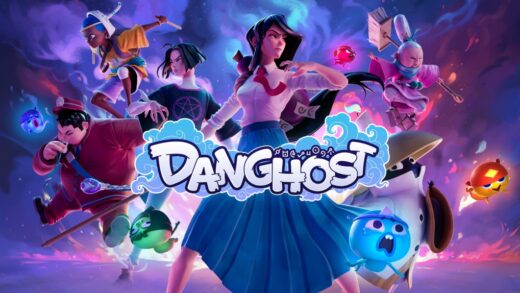
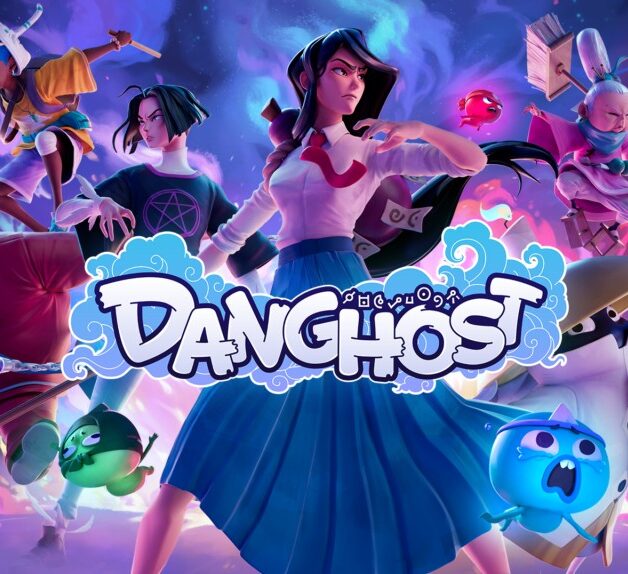
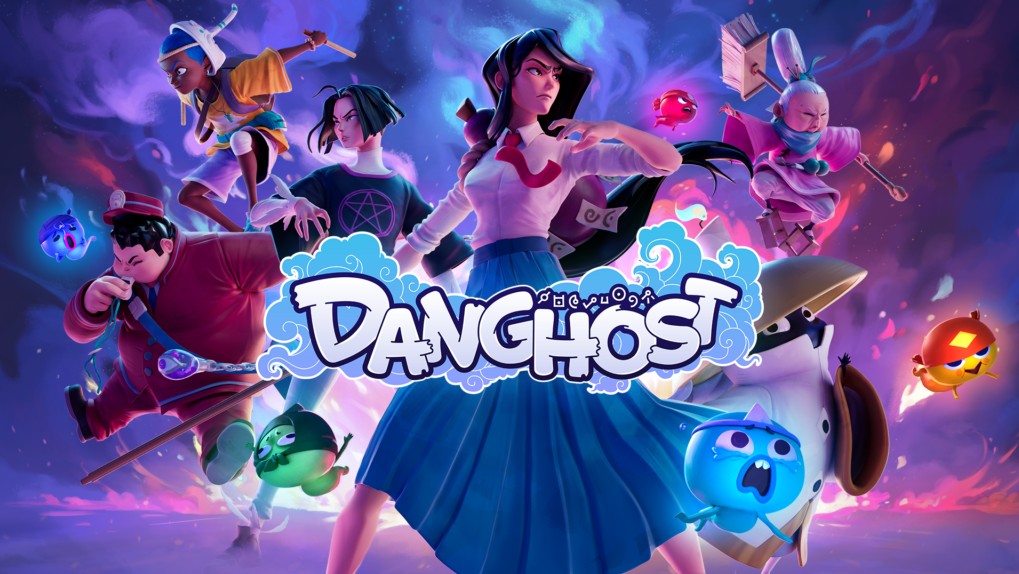
“The project I’m most proud of to date,” recalls Léo, “is Danghost (available on Steam). It was the first long mission I took part in when I left school, and working on it was a real pleasure and a lot of fun! The game was very well received by the players who tested it, and it’s an important brick in my journey that has shaped the way we work at Umeshu to this day.”
In this sector, adapting to the market quickly is essential
A pragmatist, Léo recognises the difficulties that the sector has been experiencing for several years. “Everything moves very quickly, and it’s important to be able to adapt quickly! At Umeshu Lovers, we’ve built this up by working in two industries (animation and video games), which allows us to adapt to the market. As a result, the effects of the crisis have been felt to a lesser extent, but we’ve felt them all the same.”
He sees this situation as a sign of structural change in the sector, but also as part of a recurring cycle in the video game and animation industries, with good times and bad times. “I think it’s a mixture of the two.
What is certain is that the arrival of AI has already transformed the sector, and that this transformation is still ongoing. So I find it difficult to predict the scale of these changes. The best thing to do is to keep abreast of these developments, remain curious and try out new techniques and tools. Understanding what works, and what doesn’t, is essential to being a good professional in this sector today.”
With this in mind, the former student stresses the importance of the bridging role that schools must play between training courses and the professional world. “Increasing the number of presentations by professionals who are well integrated into the sector, and insisting on the integration of students, is essential in a competitive industry where integration is already a challenge”.
New tools to make work more enjoyable
For Léo Bergougnoux, new technologies have had an undeniable impact, which the technical artist sees as positive. “Workflows are changing, we produce differently today, we delegate repetitive tasks that used to take time to a tool, we iterate more quickly, and this allows us to go further in the same time slot. Virtually all our jobs have benefited from these new tools and are integrating them into their processes. This means we can be more productive and meet the deadlines set by our customers, who take into account the existence of these tools in their requests.
Despite this, artistic excellence remains at the heart of Umeshu’s philosophy, which is also Léo’s. “You have to use these tools wisely. “You have to use these tools wisely; they don’t do the work for you, they’re there to make it more enjoyable. We always retain artistic control over our productions, and rest assured that our Art Directors and Lead Artists keep a close eye on things!”
A balance between optimisation and excellence, which the alumnus sees without too much doubt as the future of a sector that remains, despite the upheavals, solid and dynamic. “Even though the pace of our industry may be different, there’s no reason why it shouldn’t pick up again,” he stresses. “What’s more, French industry knows how to differentiate itself in an international context, through its attention to detail, its innovations and the themes it tackles in its projects.” It’s an observation we can only endorse, given the success of Clair Obscur: Expedition 33 (from French studio Sandfall Interactive) at this year’s Game Awards.
What about tomorrow?
Beyond his work at Umeshu, Léo Bergougnoux continues to be nourished and inspired by the dynamism of the sector. “A game like Baldur’s Gate 3 (from the Belgian studio Larian), because of the freedom it gives the player and the contemporary issues it addresses, is a great inspiration for the way I approach my work today.
Where will I be in five years’ time? I hope still in Umeshu! With the technological advances of recent years, the possibilities for the studio to evolve are great, and that makes you want to know what it will look like!” It’s an adventure that’s continuing through a number of projects, which you can keep up to date with by joining the studio’s Discord.
His advice for students?
Léo Bergougnoux insists: “Be curious, and try out tools outside your comfort zone. Don’t hesitate to broaden your range of knowledge and skills, because adaptability and flexibility are more in demand today than excellence in a specific field, in my view. Also, think about training in job hunting, and ask your school about it. It’s an important skill to have.”
On the importance of (inter)national mobility, the former student (who managed to land a job in the dynamic Toulouse conurbation where he trained) is cautious: “Of course, it helps with training and integration into a team. It’s always easier to see the colleagues you’re working with face-to-face, especially in an apprenticeship context such as an internship or sandwich course. However, thanks to teleworking, which has become commonplace, I think it’s less necessary to travel.”
Finally, and perhaps most importantly according to the former student: “Don’t forget to have fun in your work!”
A necessity for this artist, whose curiosity and creativity have led him to this path.
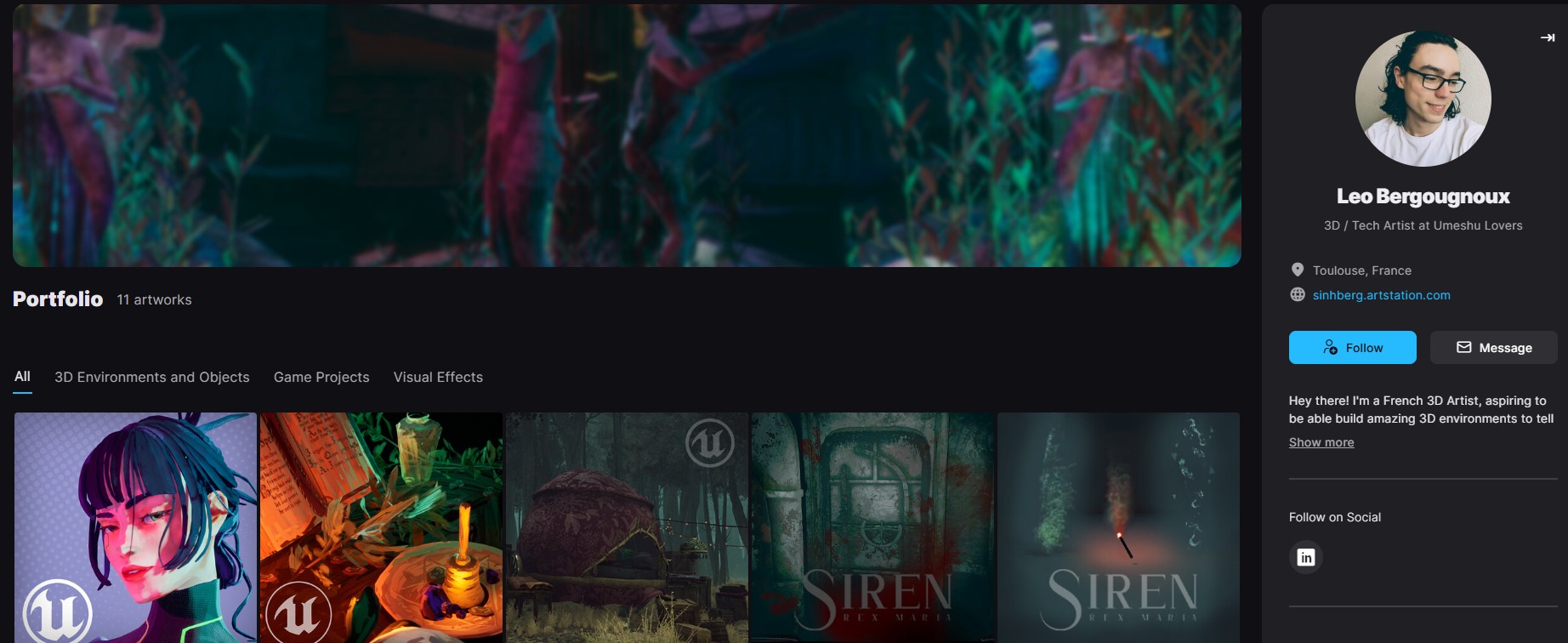
To find out more about Léo, take a look at his professional portfolio: