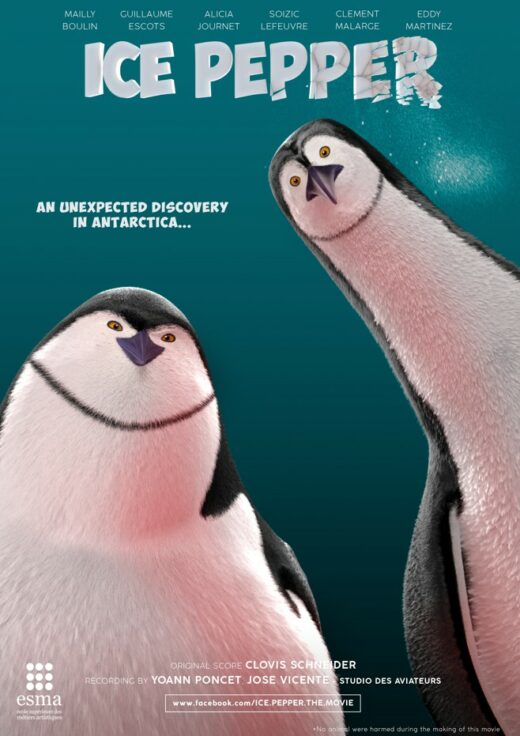
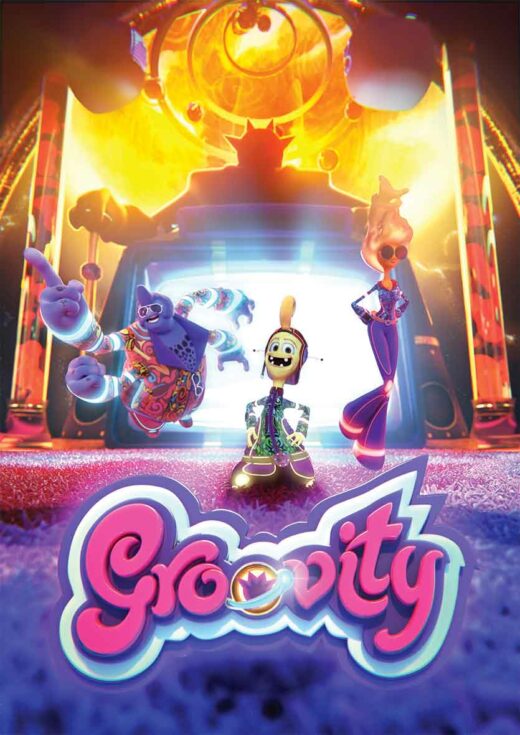
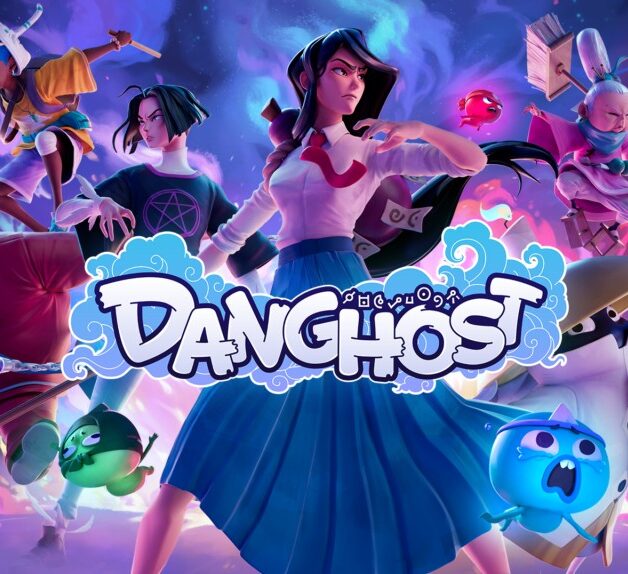
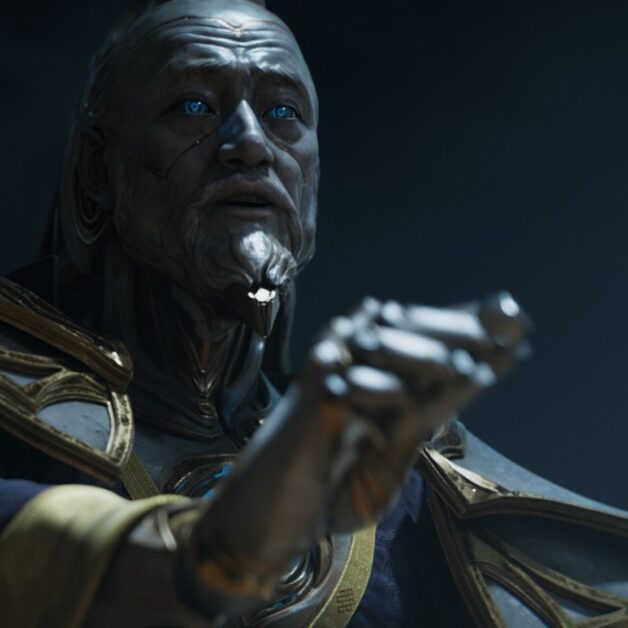
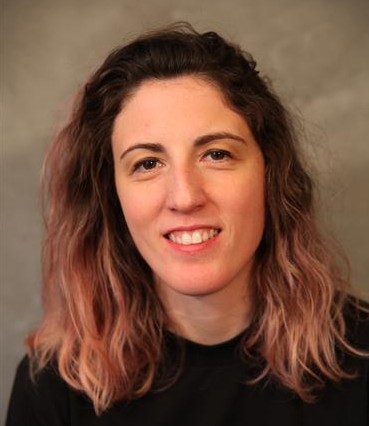
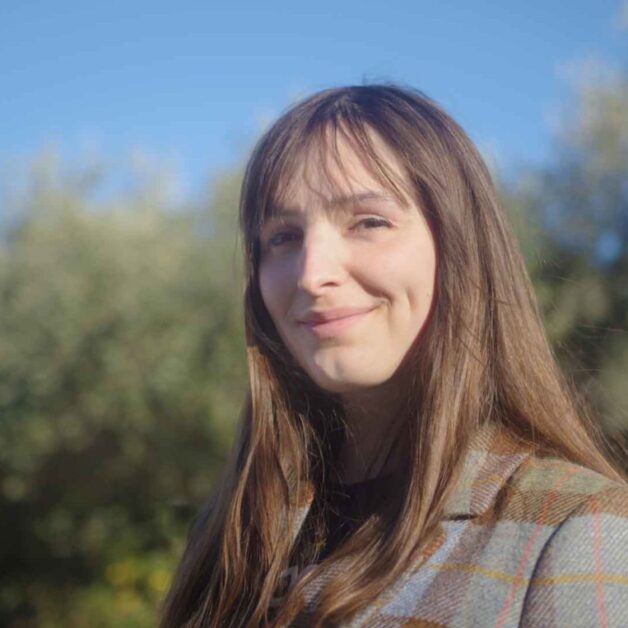
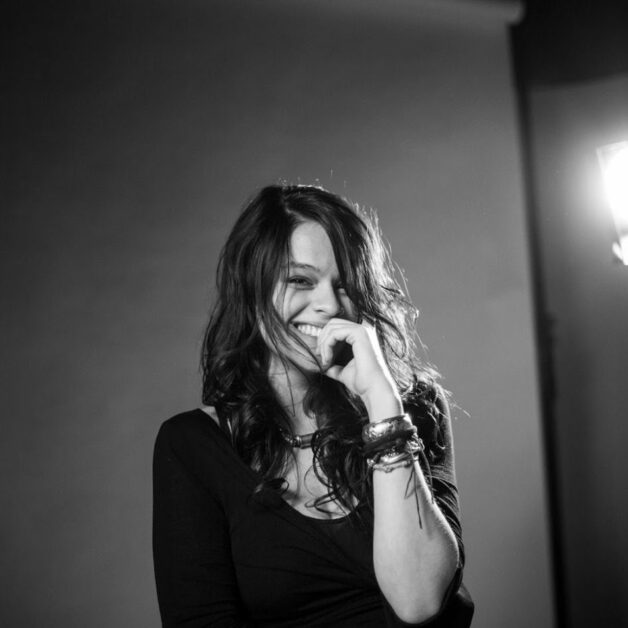
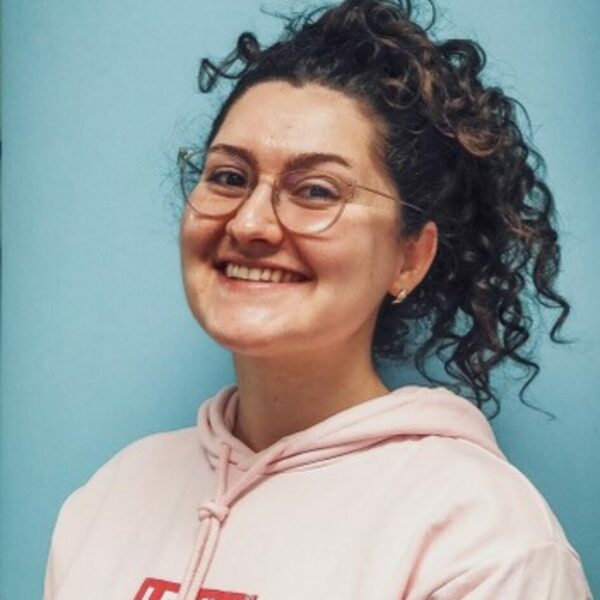
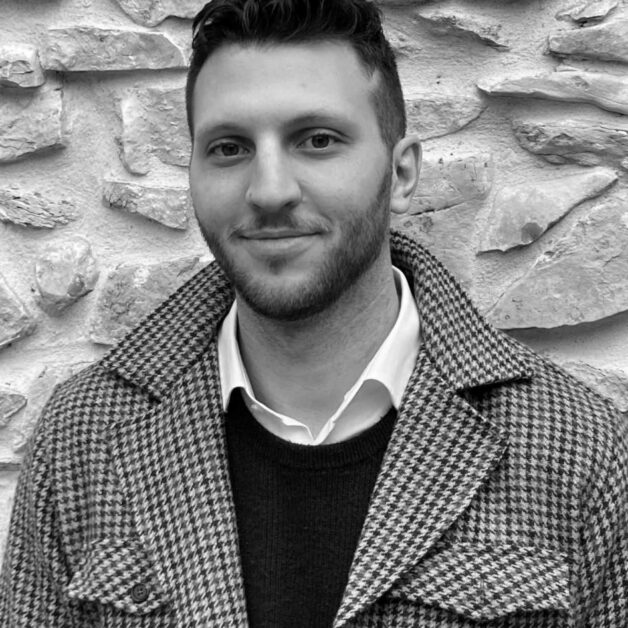
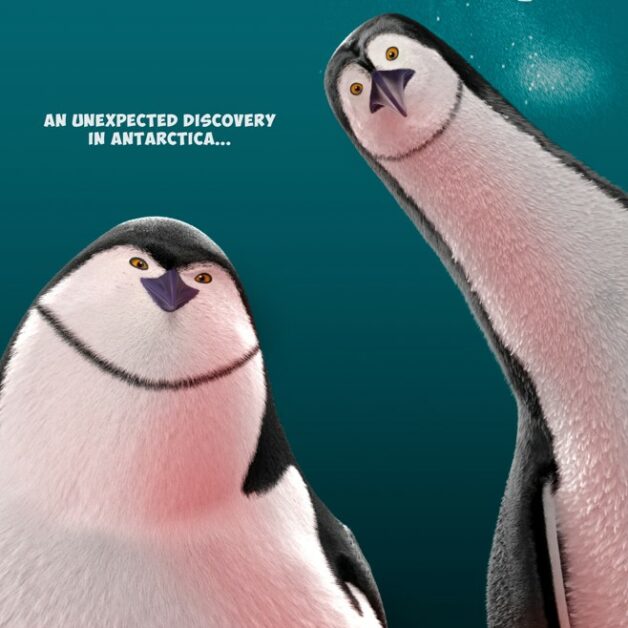
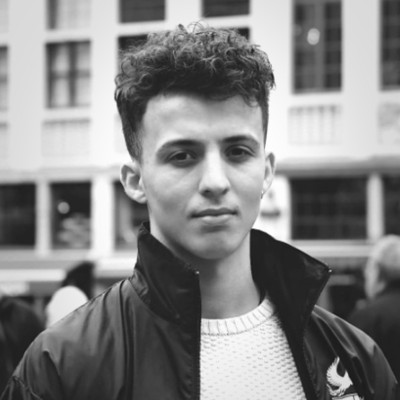
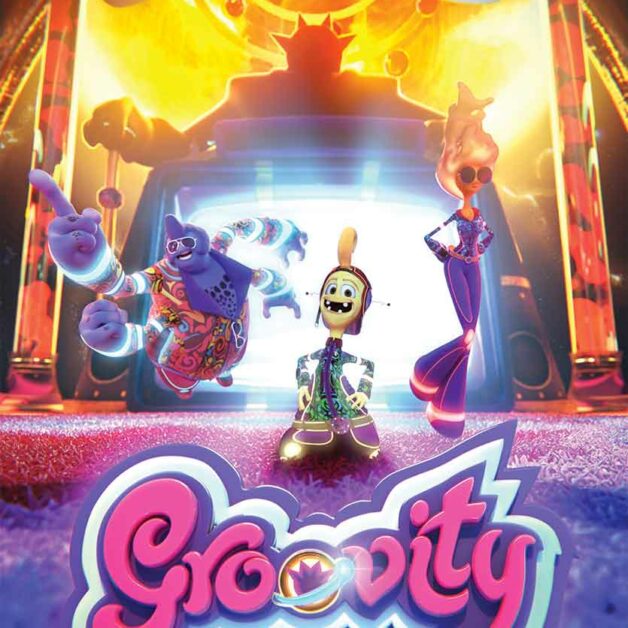
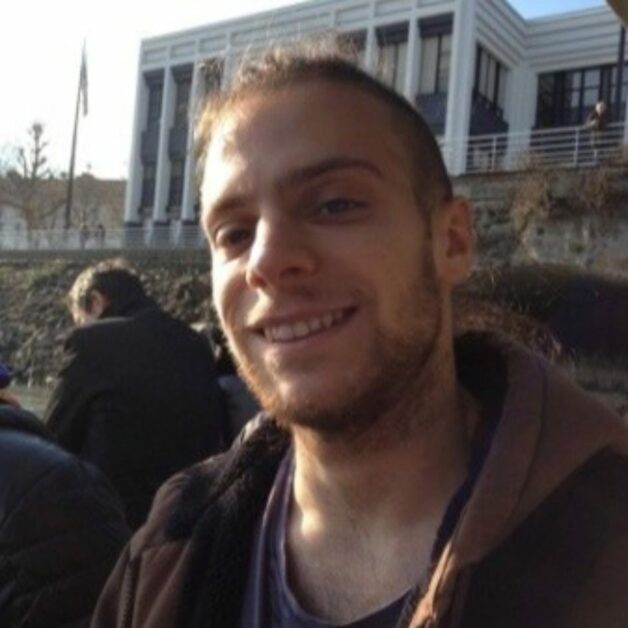
A 2021 graduate of ESMA Nantes and co-director (with Annabelle Cabaret, Emmanuel-Xûan Dubois, Chloé Laffaire, Yifang Man and Clarisse Milcent) of the short film Molly et son chat, Lucie Damin crossed the Atlantic to build her career at Vancouver’s ICON Creative Studio.
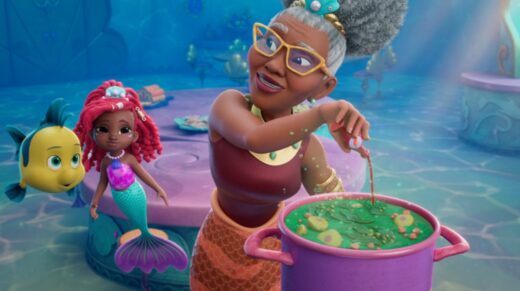
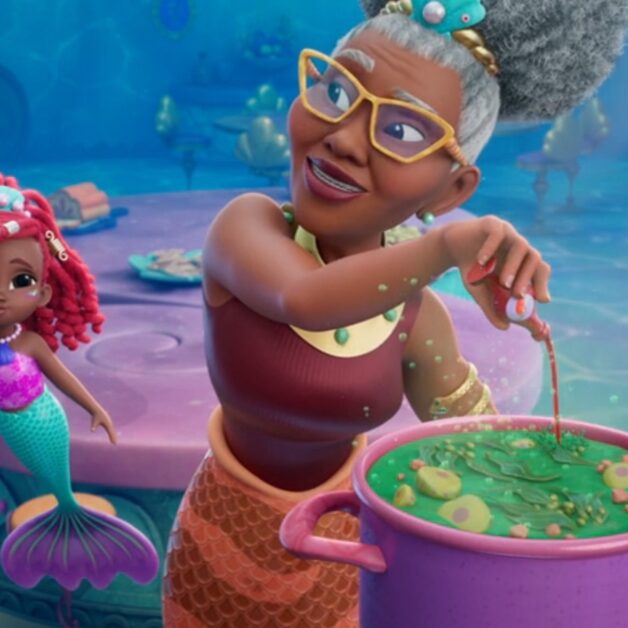
One of the most active production companies in the region, ICON works with numerous studios, platforms and Hollywood majors to create 3D animation series, feature films and many other types of project. After starting her career on the Disney+ series Alice and the Bake Shop, Lucie Damin is now Senior Lighting / Compositing Artist for ICON, working on the series Ariel.
In this bubbling ecosystem, she continues to develop her expertise, while keeping a close eye on European and French productions.
Today, she is delighted to share her experience and her feelings about a sector in which she has been working for nearly four years.
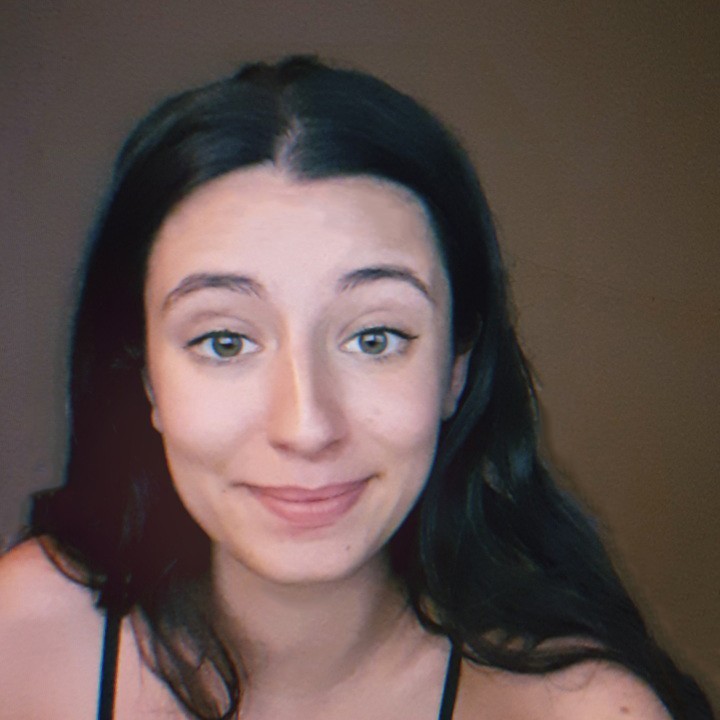
What drew you to a career in animation?
My artistic career began in 2016, after I obtained my baccalauréat in science in Cherbourg. I’ve always had a great love of art, especially film, drawing and music. Any form of creation linked to storytelling particularly appealed to me and I hoped to be able to incorporate these considerations into my future profession.
It was through my search for a career path combining all these aspects that 3D animation presented itself to me as a path that would enable me to fulfil these desires. So I took a refresher course in applied arts, before joining the 3D animation and special effects training course at ESMA.
What made you choose this school?
I’d seen a number of ESMA short films, which had already caught my attention. But it was at my interview that I really decided to enrol on the course. I received more critical feedback on my work there than at any other interview I’d had before, and it was this expertise that convinced me to choose ESMA as the place to study.
What has your training done for you in concrete terms?
As well as learning about the software used in the profession, it also enabled me to develop my critical eye. It’s not easy to be able to look at any piece of work and understand why it works and/or how to improve it. It’s a skill that needs to be constantly applied in order to improve, and my time at ESMA enabled me to develop it more quickly.
What do you remember about your school years, and how did they prepare you for the professional world?
The graduation film is clearly the most significant project of the course. From the pre-production stage and the creative freedom that brings, to the screening in front of a jury a year and a half later, it’s the most ambitious and complex project we’ve ever done.
It pushes us to our limits and although it’s a particularly demanding process, the opportunity to work in this way on all aspects of a project is something very rare. I’m grateful to have been able to experience it.
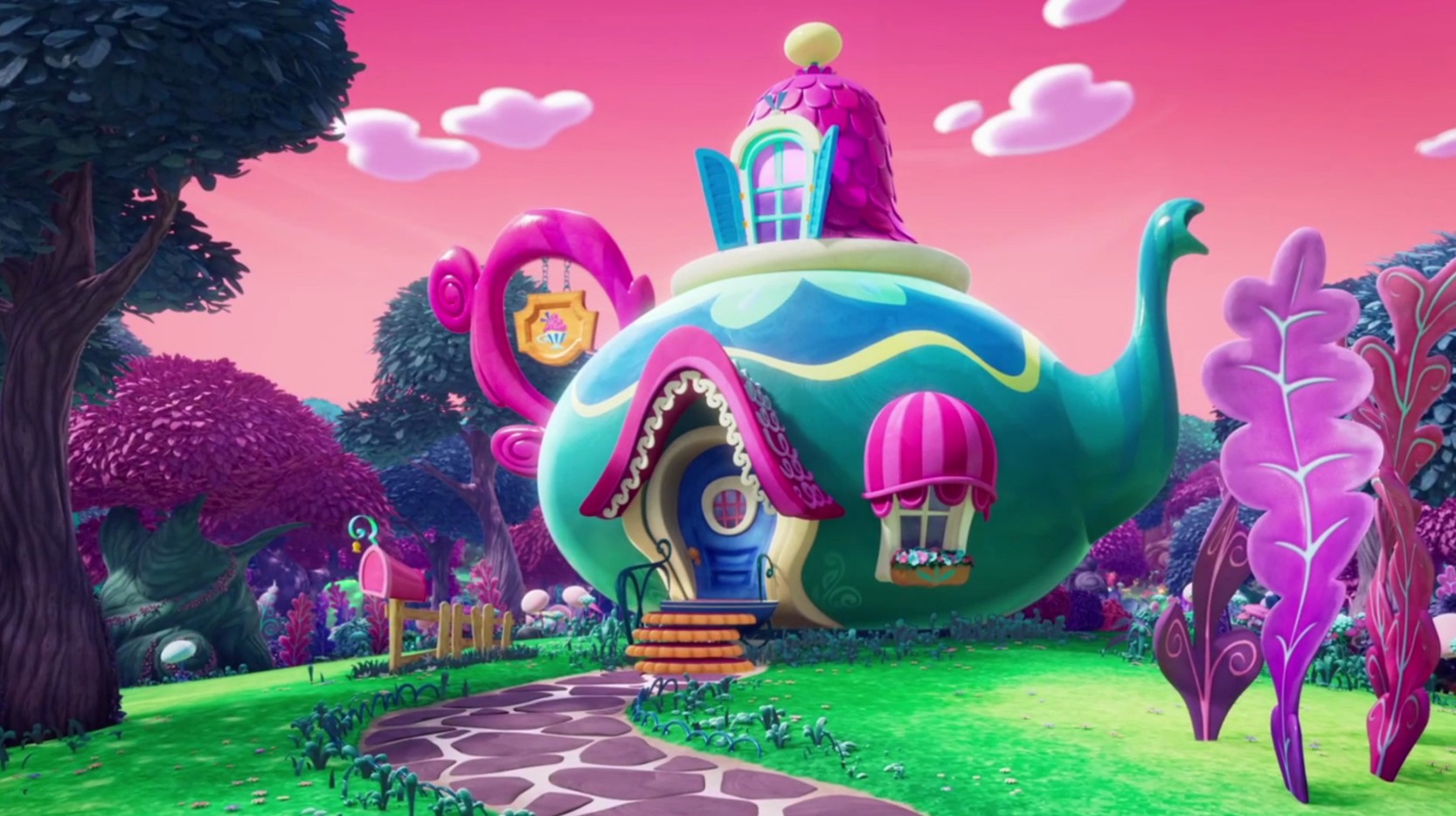
After graduating in 2021, I was contacted directly by Icon to join theAlice et la pâtisserie des merveilles teamas a Junior Lighting/ Compositing Artist.
I’ve changed projects several times since then and I’m now in the Ariel team, this time as a Senior.
Whether on this latest project or the first one on which I worked, the process is similar to the way of working we have developed at ESMA.
The only difference is that now I only have to concentrate on one area, which is exactly what I expected.
What is your proudest project to date?
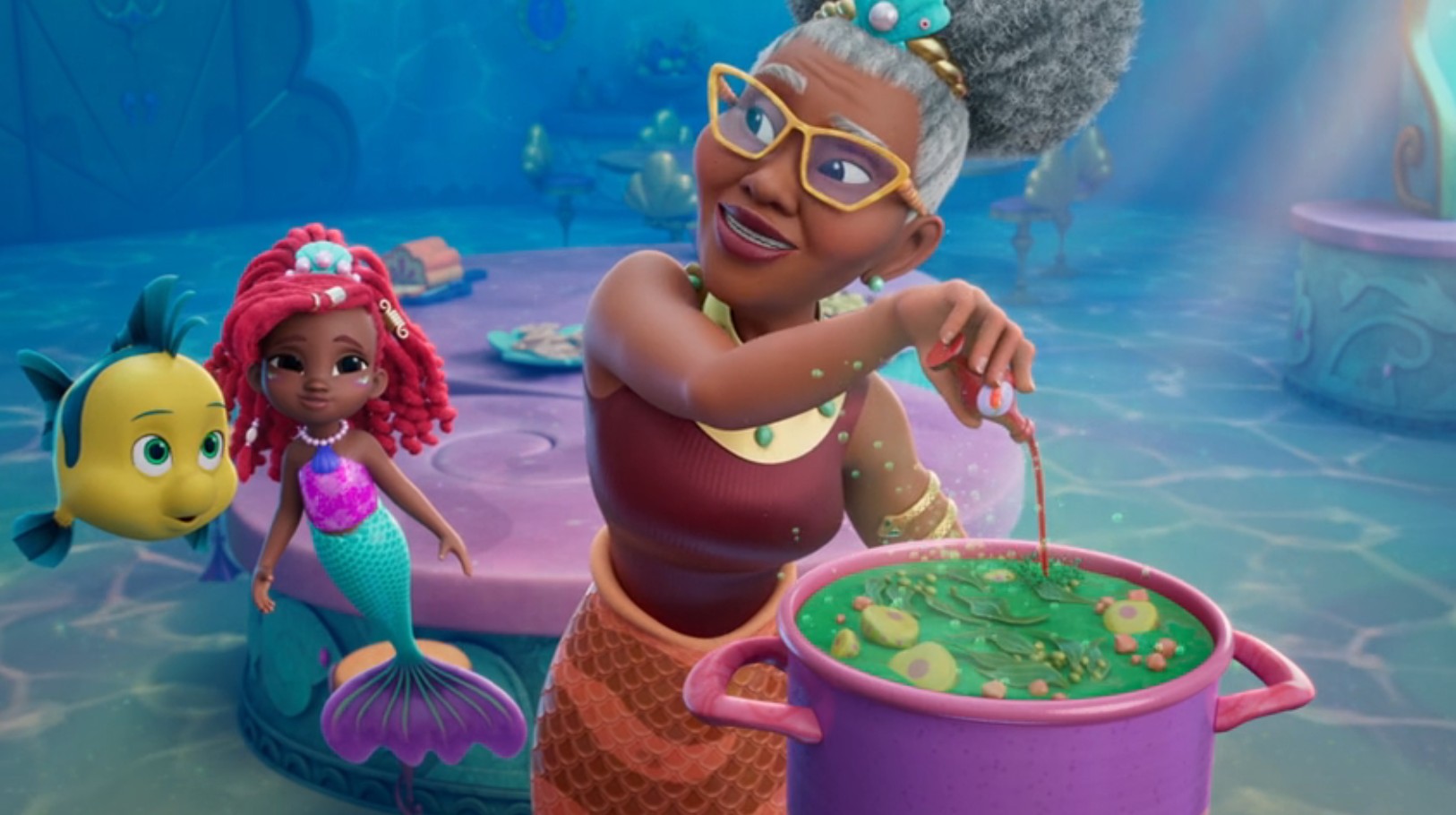
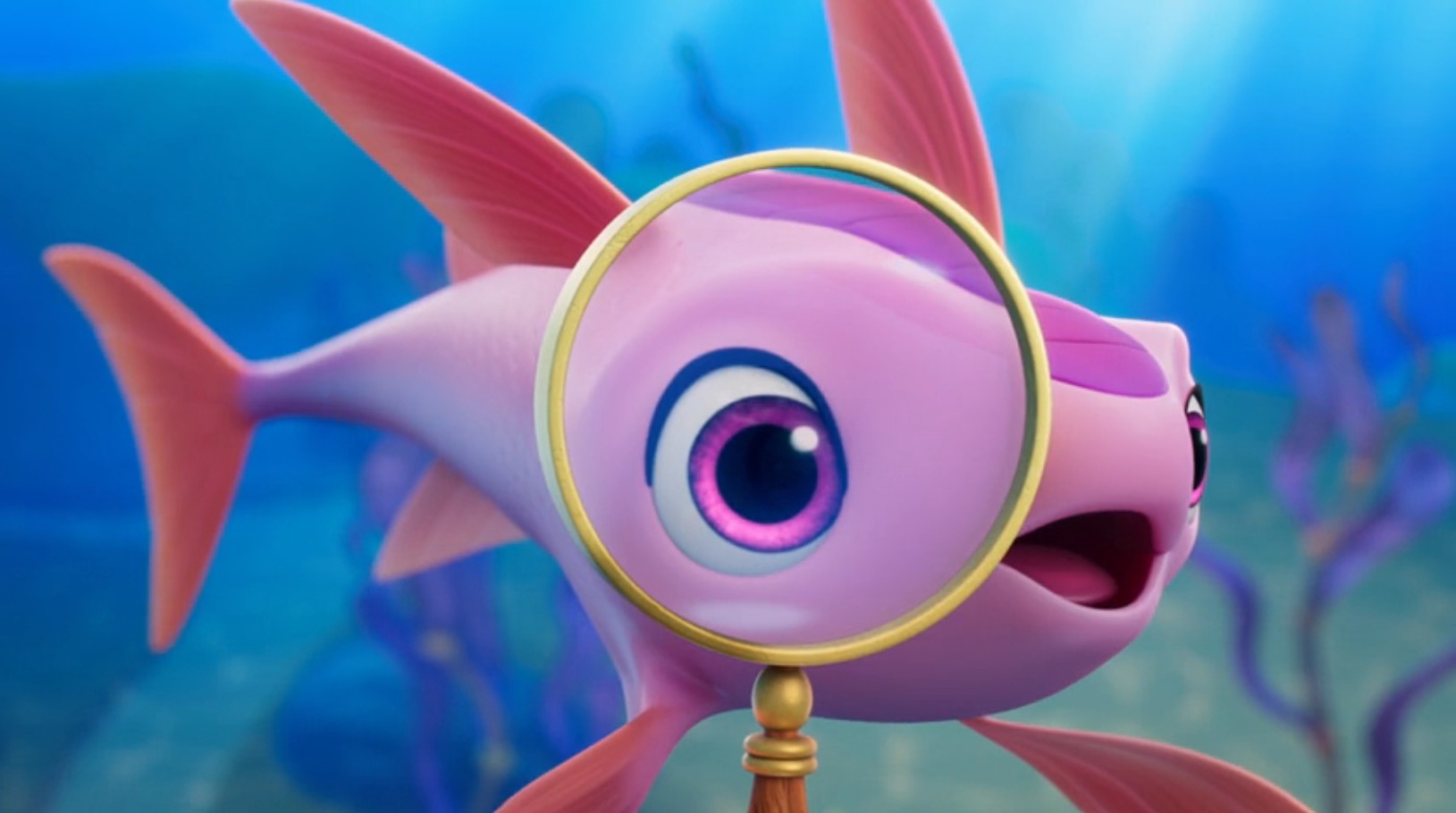
Ariel is definitely one of the most fun projects I’ve taken part in so far. Water effects and magic crystals of all kinds make each episode interesting to build.
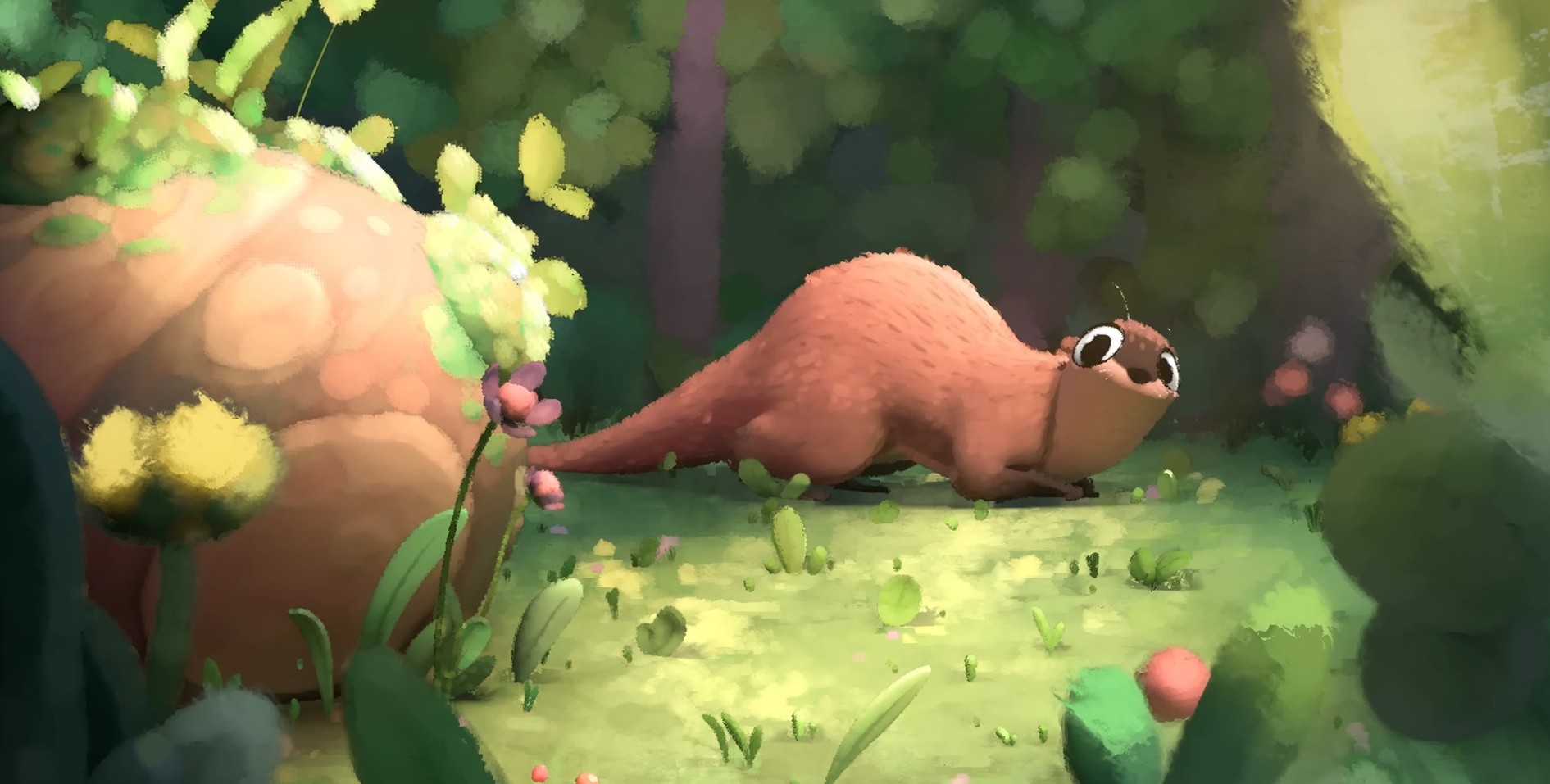
Having said that, my internship during the ESMA course as part of the team on the short film Je suis un caillou will always have a special place in my heart. Even though I was only an intern, it was the first project I really worked on, and it was then that I realised that choosing this career path was the right decision.
How do you see the current state of the sector?
Given that I’ve only been in the job market for three years, my comparison is somewhat limited. Admittedly, there was a wave of redundancies during the writers’ strike, but a lot of new projects have come on stream since then. Among my acquaintances, all those affected have in any case gone back to their old jobs, or found new ones.
All the same, there have been some budgetary tensions within the studio recently, compared to the year I arrived. But it’s hard for me to say whether this is a trend in the animation sector, or simply the temporary consequences of the strikes and the pandemic we’ve just been through. One thing’s for sure, adaptability, rigour and communication are still necessary skills to enter the sector today.
What do you think makes a good professional in this sector?
Whatever the department, clean, well-organised work will always be key. To meet deadlines, a shot can move from one artist to another at any time, and being able to find your way around easily makes this adaptation much simpler, which ultimately saves everyone time. This is all the more true when you have a more important role, since the whole team uses our shots as references and to propagate directly into theirs.
In my experience, generalist knowledge is also highly valued: understanding how other departments work enables potential problems to be detected and resolved, and feedback to the pipeline to improve organisation within production.
And what about soft skills?
From a managerial point of view, a good lead must above all know how to communicate with his team. Of course, this is an essential skill for any position in the industry, but it becomes crucial when you reach a more senior position. You also have to be prepared to put your own work in inverted commas so that you can answer questions and help members of your team who are facing potential problems. Finally, the lead must be able to provide feedback to visually improve a shot or sequence.
How do you view the changing relationship between schools and studios? Do you think young graduates are sufficiently prepared?
I think so! When you’re starting out in your career, it can sometimes take a while to find your feet, but I haven’t encountered any particular problems in my case. Trusting and being able to rely on the rest of the team without fear, regardless of their years of experience, is good advice for integrating easily into the sector.
The graduation film is the most important element in the transition from school to the professional world. In this context, the teachers move more towards the role of artistic supervisor/director, giving feedback on the projects and simulating the workings of an animation studio. As project leaders, we are of course always supervised to help us with technical problems, but it’s up to us as a team to find a balance and ensure that everyone has a series of very specific tasks to carry out so that the project comes to a successful conclusion.
That’s why a good training course at a school should include, on the one hand, well-defined exercises, so that you have a solid foundation and are able to work neatly, and on the other, a few projects that leave more room for creativity, with fewer constraints. Like the short film you make at the end of your studies, this allows you to try something new while being less constrained by rules, and thus to find your own style.
Finally, as the short film is ultimately available online, it’s an ideal business card for demonstrating your skills to recruiters once you’ve obtained your diploma.
How do new technologies (real-time, generative AI) affect you in your job?
To be honest, these technologies haven’t had any impact on my work, either personally or at the studio level. When new tools become available, they always take some time to be implemented in a production. They have to be tested thoroughly to make sure they don’t conflict with the current parameters and break continuity. On a series scale, these kinds of changes are most often incorporated during the preparation of a new season, usually sparingly.
I’ve heard of a few difficulties in the 2D world, particularly in illustration, character design and graphic design, and it wouldn’t surprise me if the VFX professions were affected too. But in my opinion, the human element is irreplaceable for quality production. New technologies will always change the way we work, but they’re only tools, which means they’re useless unless you master them. After all, you can’t make art without artists.
Speaking of art in the broadest sense, what trends are you seeing in animation today?
I’ve noticed a qualitative improvement in television series, whether animated or live-action.
Thanks to the accessibility of content, but also to technical advances, expectations have risen, resulting in productions of greater quality and variety, even approaching cinema standard for the biggest budgets. Even youth series, often neglected in the past, are benefiting from a clear improvement in their visual and storytelling qualities. Finally, animated series aimed at adults are developing more and more, which I personally find fantastic, since animation is a medium that has often suffered from being reserved solely for the very young.
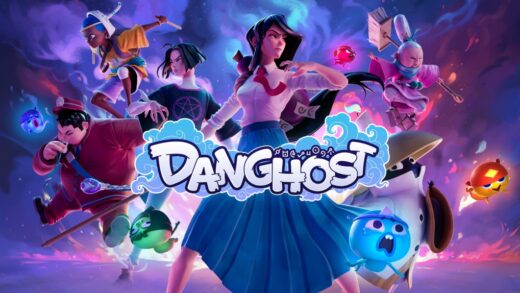
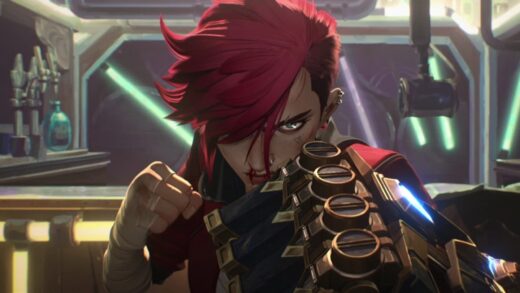
On the French side, animation studios like Fortiche(Arcane) or video game studios like Asobo(A Plague Tale) or more recently Sandfall Interactive(Clair Obscur: Expedition 33) have gained worldwide recognition. It’s clear to me that French studios and artists know how to stand out from the crowd, and I have no doubt that they will continue to do so in the future.
Where do you see yourself in five years’ time?
While I’m still in the industry, I’d like to come back to Europe. I really enjoyed working on another continent and seeing new horizons, but I knew from the start that coming back would be one of my goals. And why not develop some skills in video games too! I’d certainly be interested in diversifying in that direction.
What advice would you give to students training today?
As many people already know, the years of higher education are a difficult time with a heavy workload. My advice would be to try and find some time to yourself for a hobby, or simply to relax away from the software. Just something to recharge your batteries, even if it’s only for a short while.
Striking a balance between work and quality of life remains a battle once you’ve entered professional life, so you might as well establish good habits from the outset. With a well-rested mindset, your projects will be of better quality, and working on them will be far less stressful.
To put it briefly: don’t forget to take care of yourself! We’re lucky enough to be in a passionate profession, creating something incredible and inspiring. It’s easy to get carried away by work, but making art without enjoying it is meaningless. Enjoy it, and find what you love!
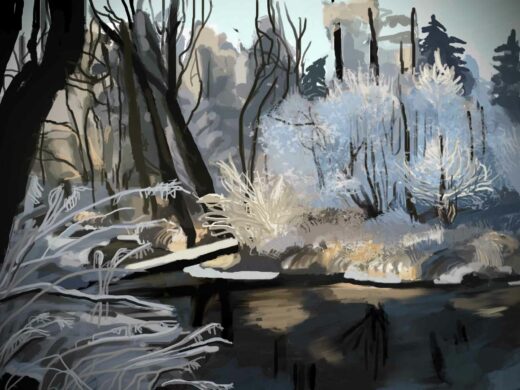
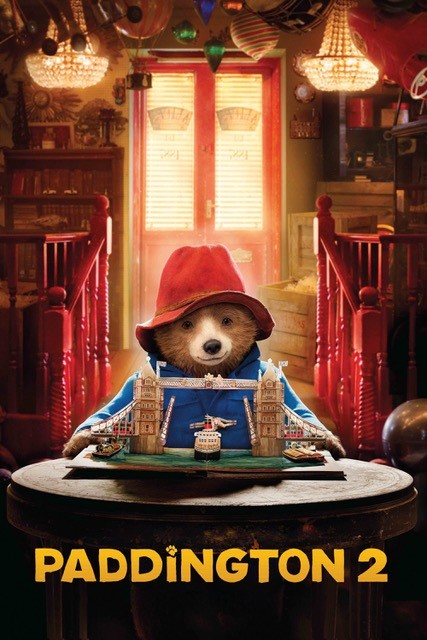
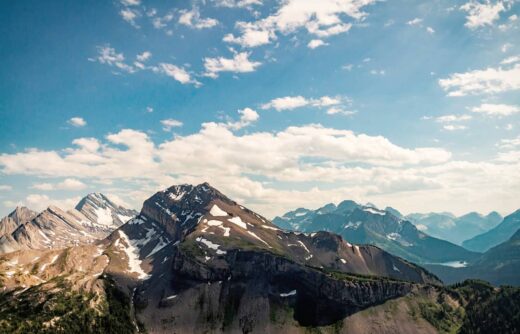
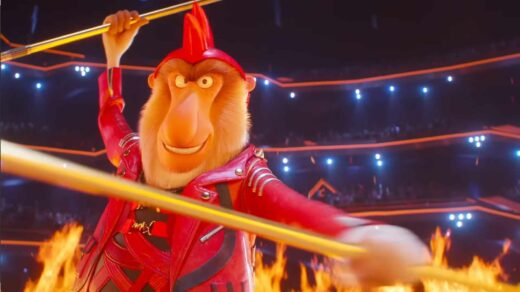
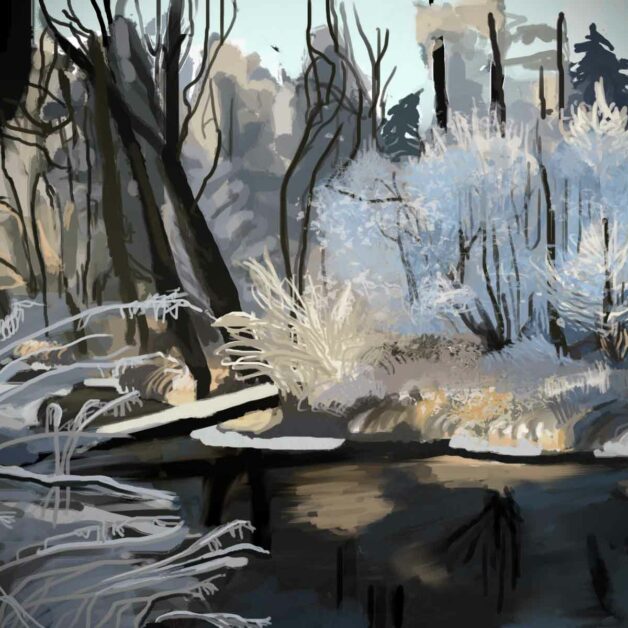
To find out more about Lucie Damin’s work discover her Demoreel 2024 :