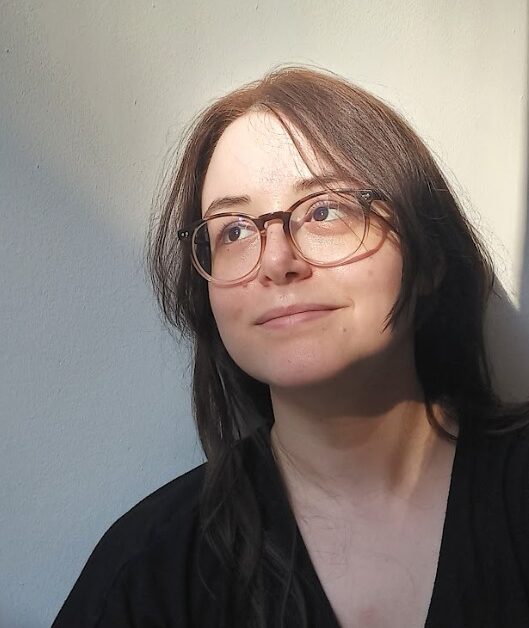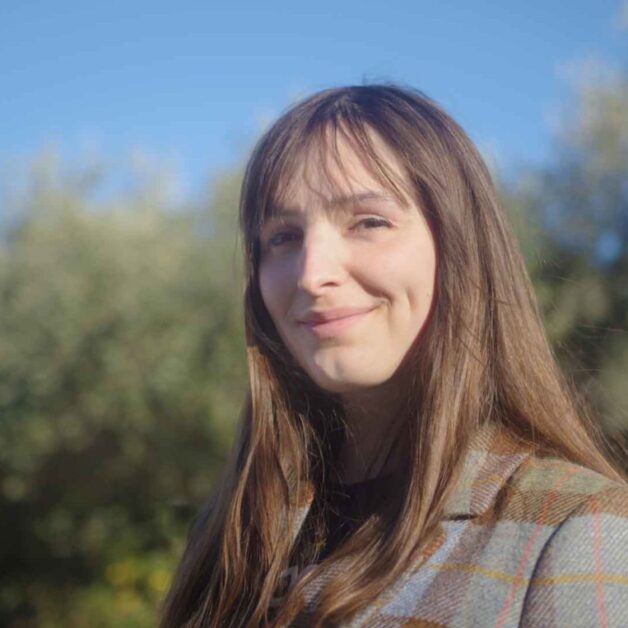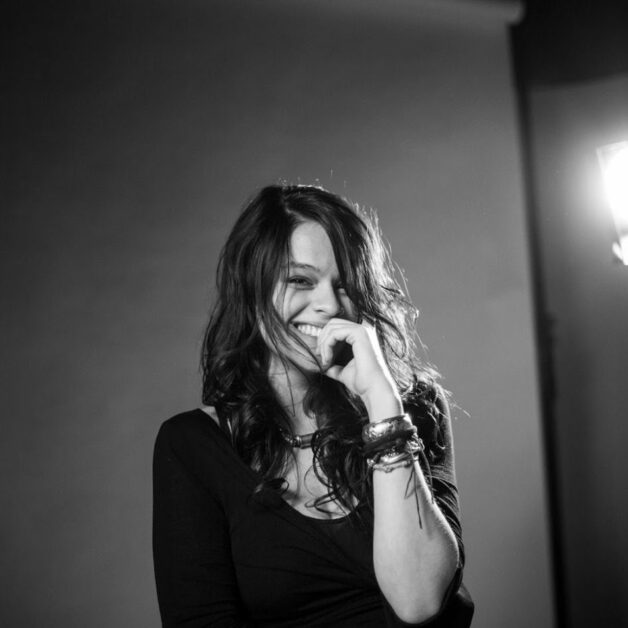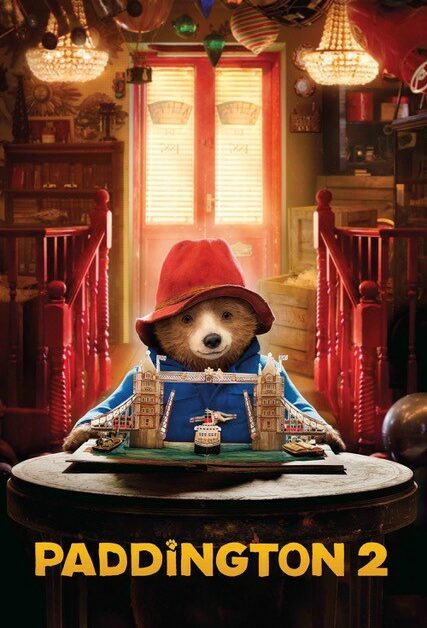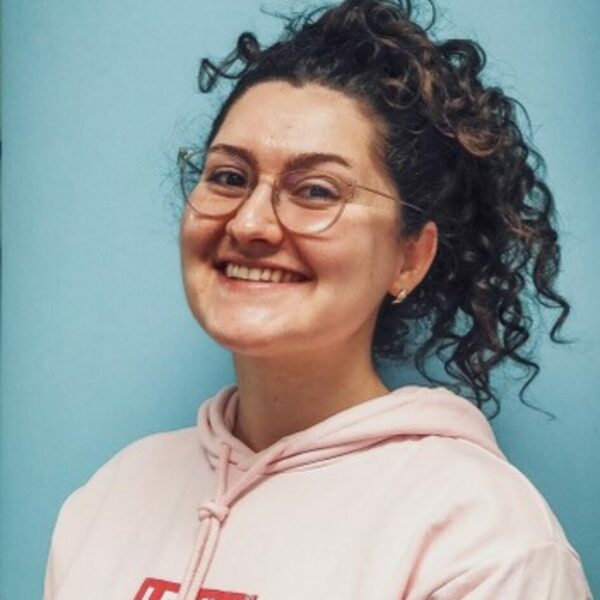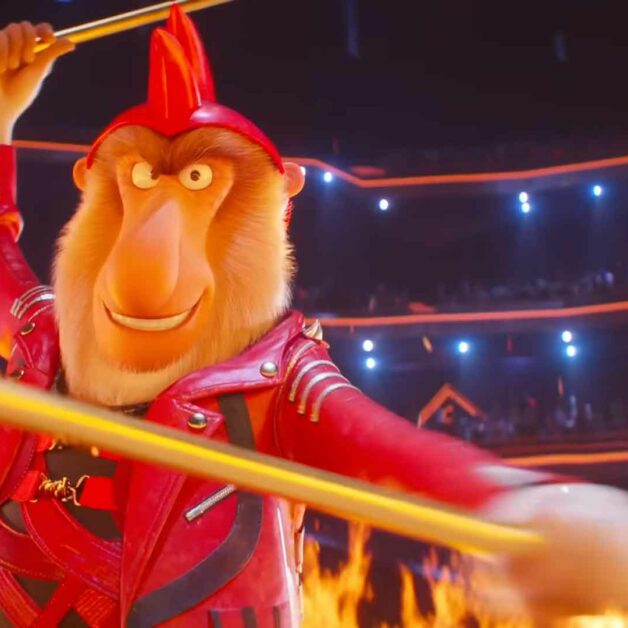
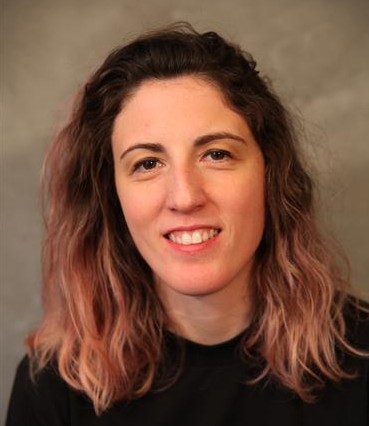
After her A-levels, Lucie Foncelle went on to study 3D animation at ESMA Montpellier, even though she hadn’t originally set out to do so.
Ten years after graduating, she returned to ESMA as a Senior Rigging Artist for the prestigious Illumination Studios, and as a member of the 2025 jury.
We took the opportunity to talk to her about her career at ESMA, her love of rigging and the various projects to which she has contributed.
Looking back, what memories and skills did you retain from your years at ESMA?
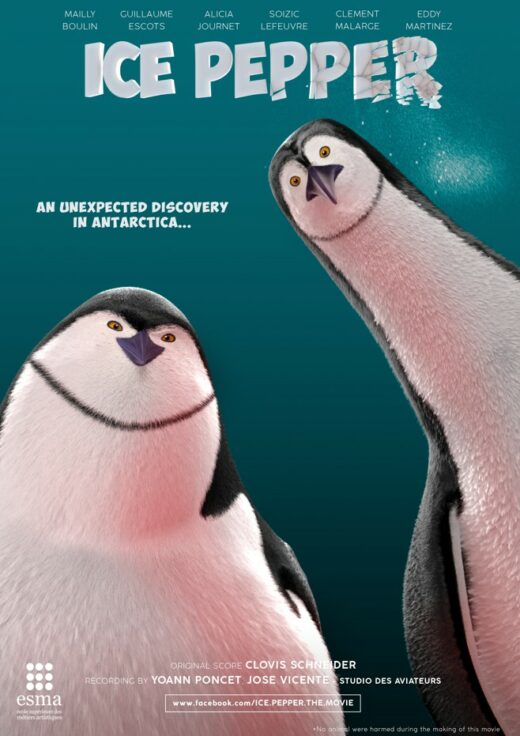
At the time, ESMA was a 4-year course. A year of study in the applied arts, MANAA, (now known as Prépa Entertainment) introduced me to the world of art and got me used to the demanding pace of work at the school, then two years of 3D training gave me a generalist background, and finally the last year was devoted to the final film. We were a team of five, and I was mainly in charge of rigging and some of the animation. It also taught me the basics of project management and teamwork.
What I remember is that the programme was extremely dense at the time. The workload was colossal and it pushed me to physical and mental limits that I’d never imagined. We had a motto among the students that summed up the atmosphere: “The less sleep you get, the stronger you are”. I know that the school has since changed its five-year curriculum to spread the load more evenly, with additional years and specialisations.
What is your job like today?
I’m a Senior Rigger in the Rig Set and Props department. At Illumination, our team is responsible for rigging sets and objects. Our main role is to provide the technical link between modelling and animation.
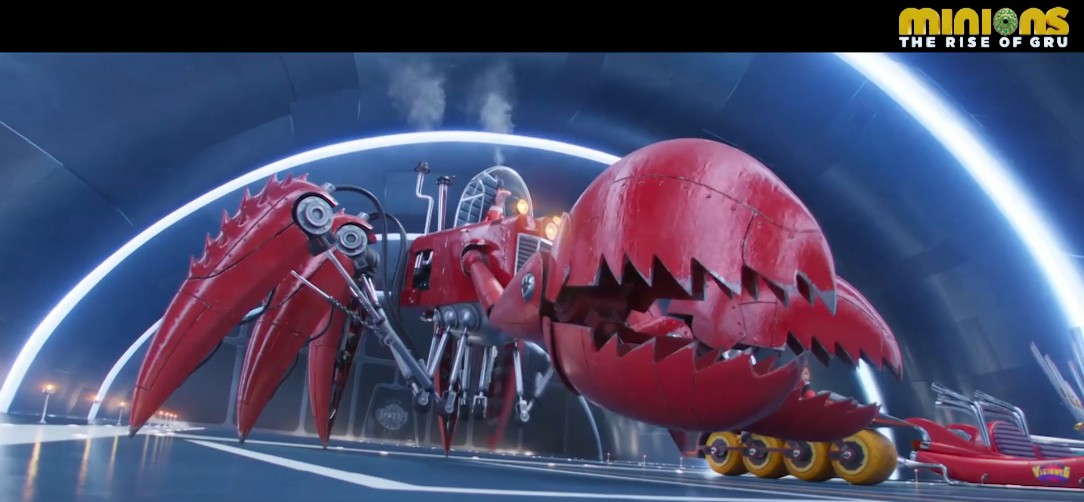
In concrete terms, we riggle complex elements such as vehicles or objects that transform. This job requires a solid knowledge of mechanics to ensure that all the deformations are functional and logical to facilitate the work of the animators. Since joining Illumination, I’ve mainly worked in rigging on animated feature films.
Is what you do today what you imagined as a student?
Well, not quite. Initially I thought I’d go into animation, but I discovered a real affinity for rigging during my final year of study. I was advised to specialise because it was a highly sought-after profile. I followed that path and I don’t regret it at all. It’s a profession that’s constantly evolving, which means that I’m constantly learning, whether it’s to master new technologies or to improve my coding skills.
What is your proudest project to date?
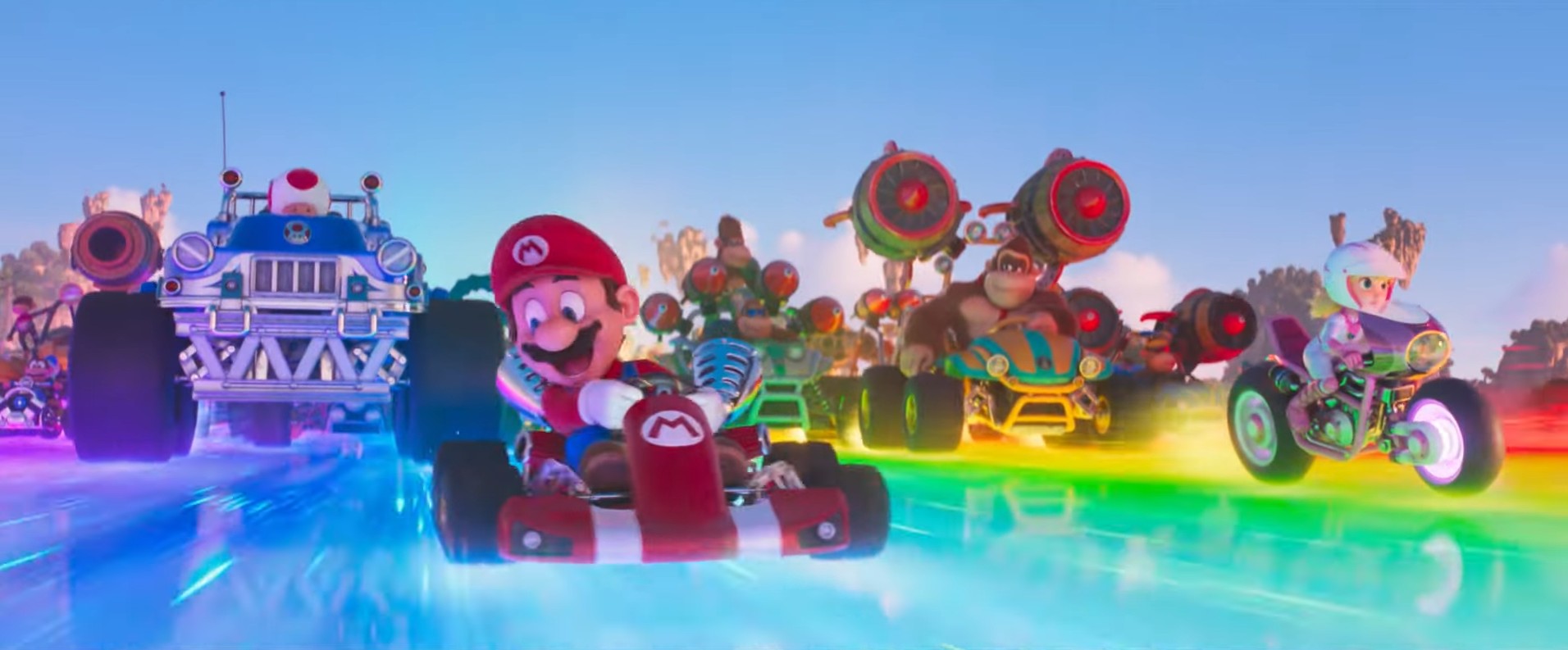
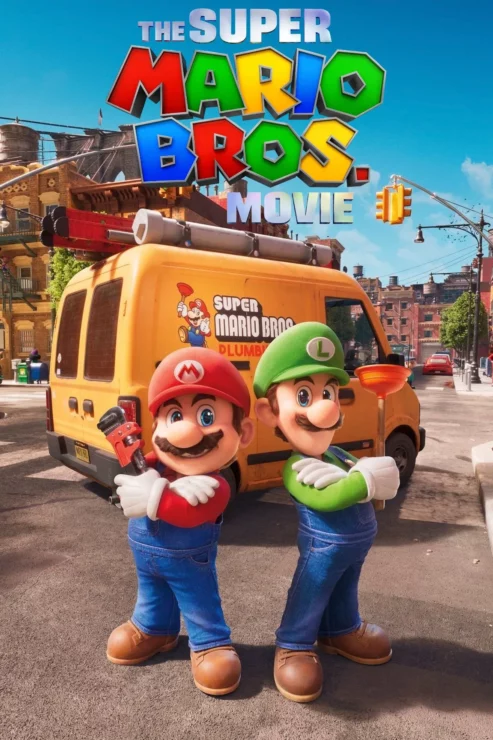
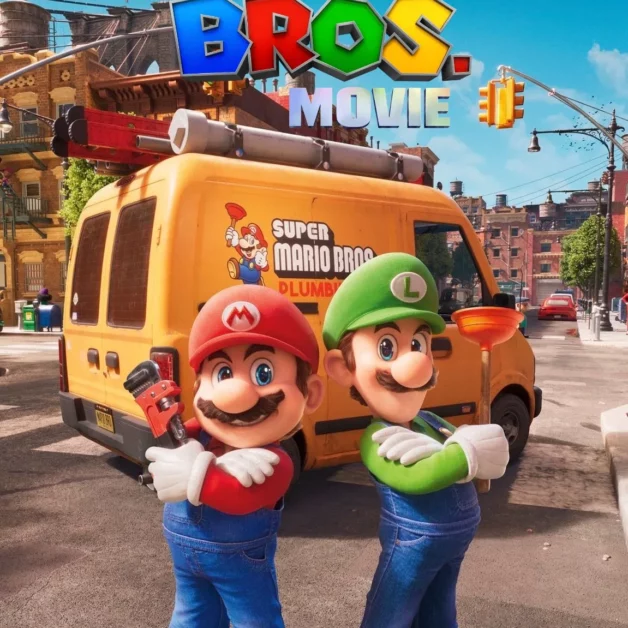
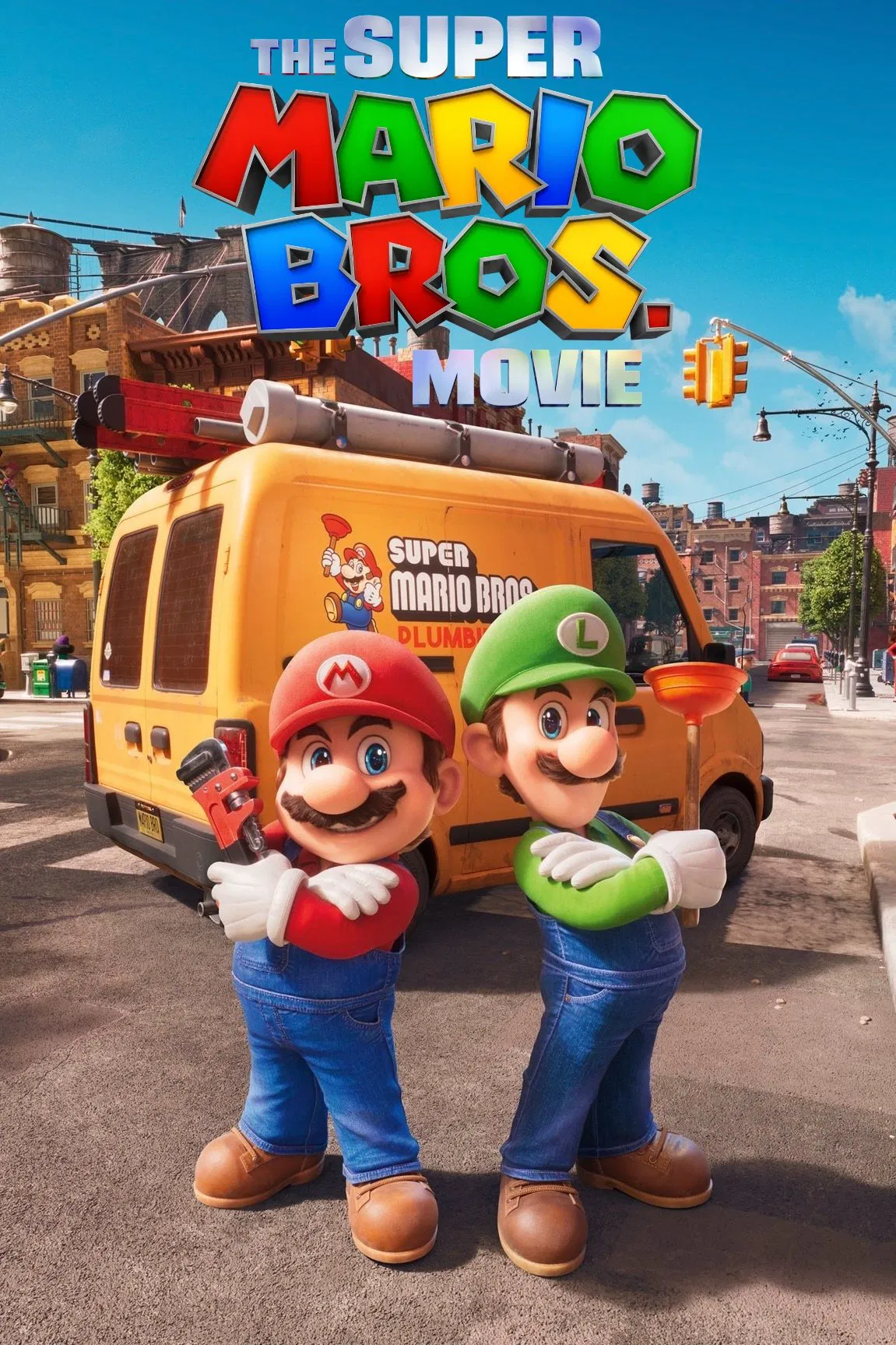
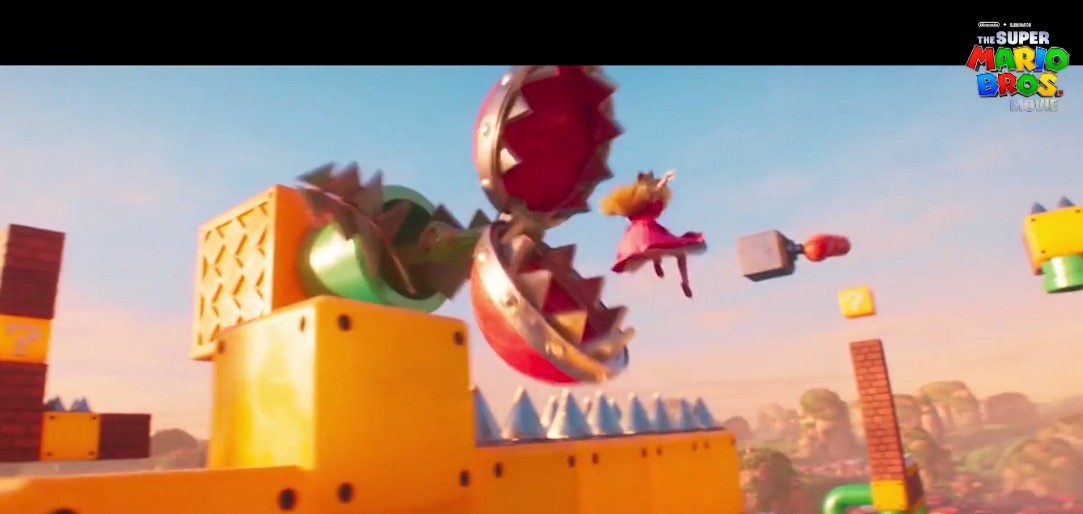
Every film I’ve worked on has had its challenges, but I’m proud to have worked on Super Mario Bros because of its notoriety and fan community. Having said that, the project I’m working on at the moment is technically very ambitious, and I’m also very proud of it.
How do you see the current state of the sector in France and internationally?
The 3D sector has been through a very turbulent period in recent years. There have been a number of studio closures, both in France and internationally, which has made the job market very tight, particularly for junior profiles. Fortunately, there has been an encouraging upturn in recent months: studios are starting to recruit again and the budgets needed to launch new productions seem to be becoming available. I sincerely hope that this positive momentum will continue. Personally, I haven’t felt any slowdown.
So you see this as more of a cycle than a genuine transformation of the industry?
Yes, absolutely, our sector has always been very reactive to changes in society. There are positive factors, such as advances in copyright, and more negative factors, such as inflation, which reduces budgets. It’s a business that has always had its ups and downs. That said, respecting a budget is a normal constraint for every production, and the way in which it is allocated always depends directly on the ambitions of the project.
Against this backdrop of constant change, what do you think makes a good animation professional?
Curiosity and a thirst for learning. Our industry is constantly evolving technologically, so it’s crucial never to rest on your laurels, because a skill that’s in high demand today can quickly become obsolete. Perseverance is also key, because a good graphic designer must constantly be learning and adapting to change.
What about managerial skills?
They are essential. This is an environment where you always work as part of a team. Relationships are just as important as skills. A good supervisor or lead doesn’t just manage a project, he or she has to create a healthy and friendly working environment. It’s this skill that makes all the difference and enables a team to be not only productive, but also close-knit.
Do you think young graduates arrive sufficiently prepared?
No, unfortunately not. The number of 3D schools in France has increased dramatically, producing hundreds of graduates every year in a market where junior positions are limited. Faced with this fierce competition, it’s no longer enough to be good to stand out, you have to be excellent. And not all courses prepare their students to the required standard, nor do they expose them sufficiently to the realities of the industry. In my opinion, we need to prioritise quality over quantity. It’s better to train 50 excellent graphic designers who are ready for the market, than 200 ‘average’ graduates who will struggle to find a job. Above all, we need to expose students to the real conditions of production: working in a team under pressure, meeting deadlines and learning to be constructive critics.
How do you view the changing relationship between schools and studios?
This link is very important. Schools that work hand in hand with studios really stand out. It’s a win-win situation: the school has a better reputation and the students have a much better chance of finding a job when they leave. It allows them to get placements and sometimes even to be trained directly for a studio, which is a real springboard for their careers.
Let’s come back to the aspects of team management and the ability to work as part of a team. How necessary do you think these skills are?
It’s essential, not just necessary. You can’t make a film on your own. A project is a chain where each artist is a link who depends on the others. You can be the best technician in the world, but if you don’t know how to communicate, accept feedback or work with others, you become the weak link that blocks the whole production.
Talking about new technologies, and in particular generative AI, how have they changed the way you produce, and which jobs do you think are most at risk?
It’s changing the way we produce, for the better. Time is saved, calculations are faster, image quality is better. AI is developing at a dizzying pace, and when used as a tool it is already making a gigantic leap forward in many areas. However, certain sectors, such as previewing, are likely to be much less in demand. But basically, it’s a cycle we’ve always known: with each major advance, certain jobs disappear and others are created. For me, technology is just a tool in the service of the artist. That’s what my job as a rigger is all about: building a complex technical tool that is easy to use so that animators can do whatever they want.
Does this have an impact on team structure, budgets or deadlines?
Yes, we keep a close eye on technological developments and integrate them into our projects. The aim is to be more efficient. If a new tool allows us to save time, improve quality, or meet our budgets and deadlines more effectively, that’s great. It doesn’t necessarily change the structure of the teams overnight, but it does require everyone to learn and adapt on an ongoing basis. The impact is mainly on the skills we need to keep up to date.
How do you see this developing over the next few years?
Above all, I see AI integrating like an assistant to save us time on heavy, repetitive tasks. This will leave us more room for creativity. Alongside this, real-time production will become the norm. We’ll be able to make artistic decisions much more quickly, without waiting hours for a rendering. What’s certain is that the know-how and quality of French studios are now recognised, and we’ve more than proved ourselves around the world. But for me, our greatest strength today is our ability to work with major international studios.
And where do you see yourself in five years’ time?
It’s hard to answer, because it’s a constantly changing environment. If things stay as they are over the next five years, I’d like to move into a supervisory role at Illumination. I want to take on more responsibility.
What advice would you give to students training today?
Aim for excellence, not just a diploma. Don’t be satisfied with your training, do some personal work as well, you have to show that you are better than the others. The level is very high and there is very little room for manoeuvre. Be curious and independent, because technologies and professions are constantly changing. Finally, learn to work as part of a team and to accept criticism.
And one last important point: find out about the status of intermittent entertainment worker. It’s a unique unemployment insurance system in France, adapted to our work on short contracts. That’s what allows us to move between very different projects. The big advantage is that it provides financial security between two projects. The downside is that you have to be constantly on the lookout for assignments to accumulate the hours you need.
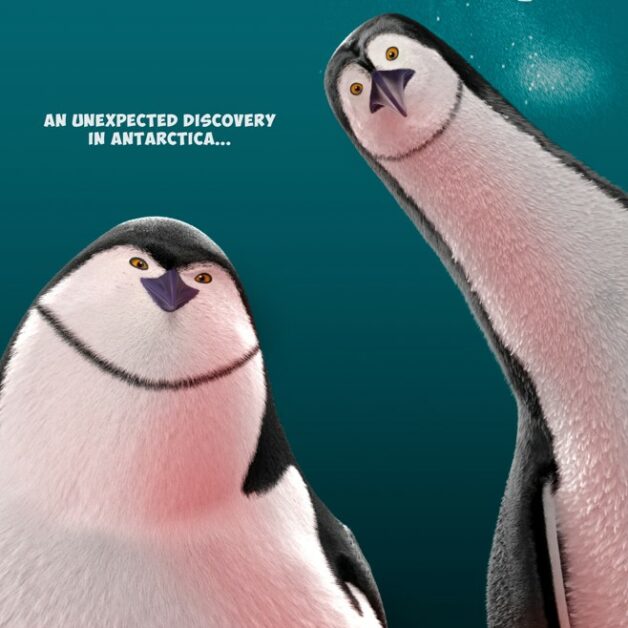
In 2015, Lucie Foncelle landed her first job at Illumination by winning the ESMA jury prize for her short film Château de Sable . Ten years on, the sector has evolved, but the Senior Riggeuse confirms that this young generation is full of talent, creativity and ambition. She is convinced that the next generation (with whom she had the opportunity to talk during her participation in the ESMA Graduation Show 2025 jury) will be brilliantly assured.