between a clear view of the sector and a desire to build
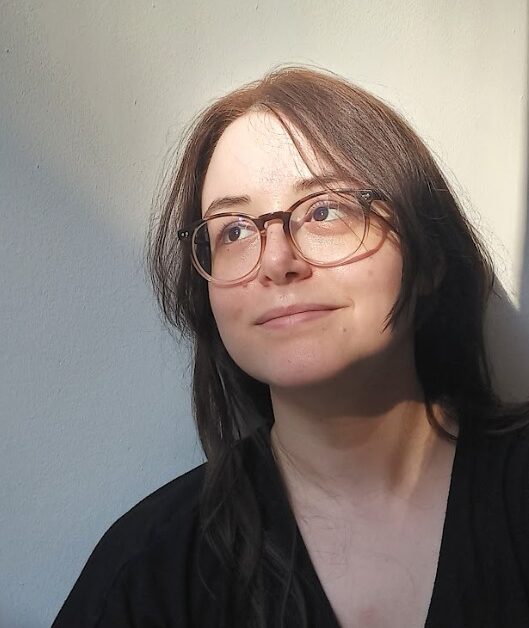
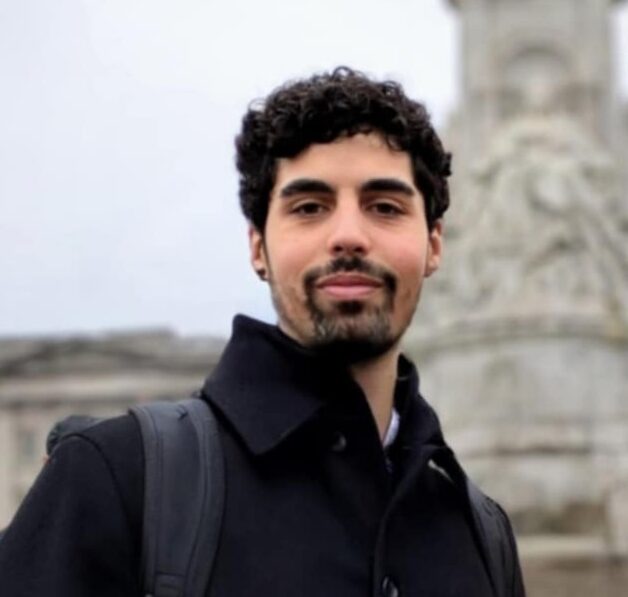
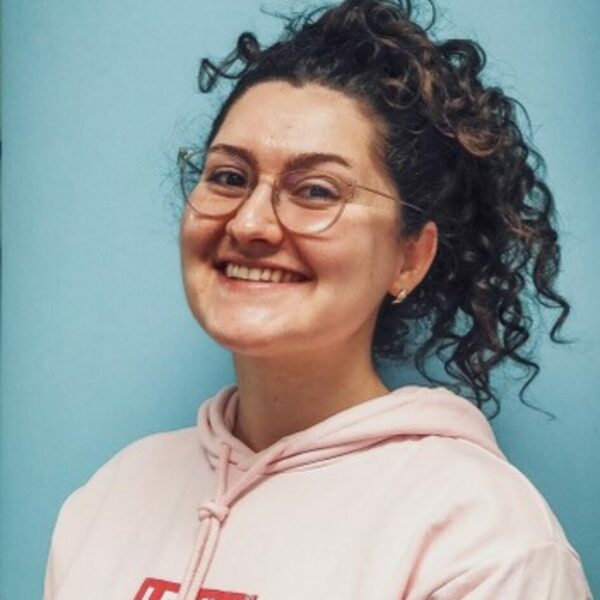
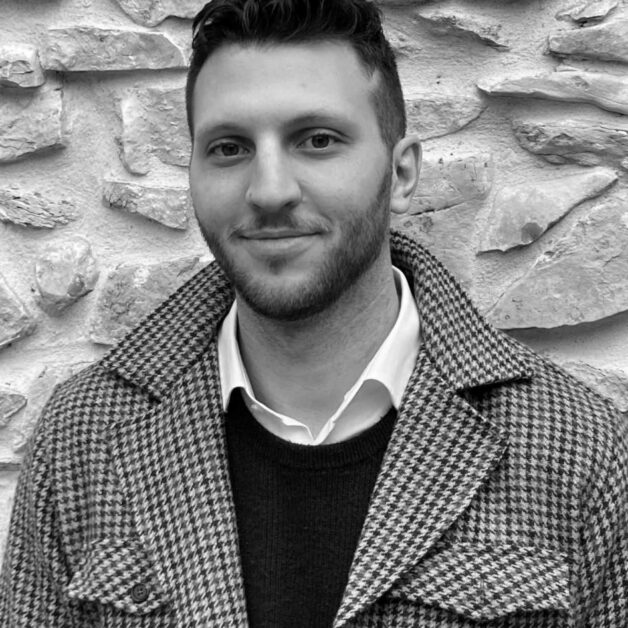
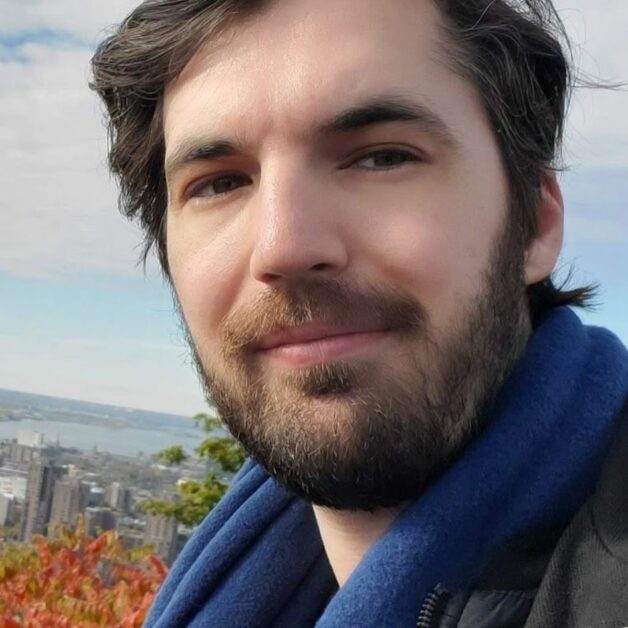
Sylvain Meddah trained at ETPA in Toulouse, after a short spell at Epitech, and quickly turned to game design, driven by a simple desire: to make video games.
Graduating in 2016 with the congratulations of the jury, he quickly discovered the reality of the sector: it’s hard to find a first job as a game designer, especially when you’re only aiming for this position.
“With hindsight, I think I should have thought about things differently: we don’t always appreciate the extent to which game design can be an isolated profession in the production chain: for a single game designer, you easily need a dozen developers.
When you leave school, it’s best to remain open to other jobs, while keeping your goal of becoming a game designer in mind.

First steps in the industry
After freelance projects, print work, a stint in Malta (at Mightybox) and then a remote assignment on serious games (at 62 Rubis Street), Sylvain turned to teaching at the Ludus Academy, between Strasbourg and Brussels.
It was a formative experience, but he left after just over a year to join Nacon in Lesquin as a QA analyst.
“I finally got my foot in the door of the industry. It was an intense two years, working on a variety of projects. It was my first real experience of video games on a large scale, with all that that implies: deadlines, teamwork, responsibilities.”
For him, the QA job is not just about hunting down bugs. He sees it as a pivotal role, at the crossroads of technology, UX/UI and design. “A good QA is someone who knows how to test but also how to see what others don’t have the time to check. You need a product culture.”
Between stability and passion: finding your way
In 2022, he joined Ishtar games, an independent studio later acquired by Nacon. He stayed for two years, then left the video game industry for the applications sector. At KaraFun Group, he laid the foundations for a QA team: he structured the organisation, defined the processes and is currently preparing recruitment. He has discovered a more technical, more stable environment, with better pay recognition. “In tech, profiles like ours are valued. In video games, people think they can easily replace us.
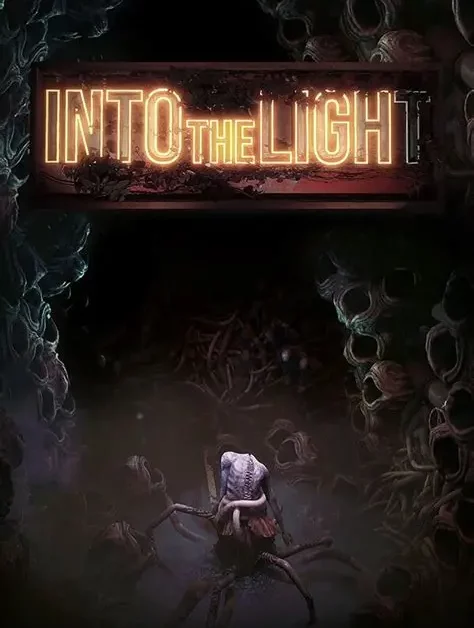
Despite this change of direction, he maintains a link with the sector, via a personal independent game project, Into the Lights, co-developed with a classmate.
“We’ve gone a long way, taking part in competitions and the French Direct AGM. But in the current industry context, it’s still extremely difficult to launch your own professional project.

Lucid about the changes in the sector, Sylvain analyses the current crisis as the result of a dual dynamic: overproduction of post-Covid games, and a lack of clear strategy in project management. “Video games aren’t just about creativity. It’s about management, budget and a defined target. A lot of failures come from poor management.
He is also campaigning for greater transparency on budgets, working conditions and salaries. “The public thinks that video games bring in a lot of money. But employees are often among the lowest paid in the tech industry.”

AI, Career and ambitions
On the subject of artificial intelligence, he is pragmatic: “AI will not replace creativity, but it will eliminate certain jobs, particularly in production graphics. We need to adapt: have a technical profile, know how to code, touch on several skills.”
And what about young graduates? “A good portfolio, soft skills, a tech profile. But above all, don’t stay stuck in one job. You have to move around, learn, change companies, look elsewhere. That’s how you progress.
Five years from now? He sees himself at the head of his own QA structure, or perhaps relaunching a more modest, more realistic game project. But he also plans to continue the adventure at KaraFun, managing a team and giving more structure to the QA function. Whatever the circumstances, the requirement remains the same: to learn, build and pass on.