
Evolution of video game consoles
It is through these that video games have spread beyond computers, reaching an ever-wider audience.
Whether it’s revolutionary handheld consoles like Nintendo’s Game Boy, or the undisputed queen of the home console, the Playstation 2, all these machines have contributed to making video games the most lucrative entertainment industry in 2025.
A dazzling evolution, for a story that began over fifty years ago. Since then, there have been nine generations of consoles, and the tenth generation is already giving us a glimpse of the future of video games.
A look back at the consoles that have become legendary, and the lesser-known consoles that have played a vital role in the development of video game consoles.
1st generation consoles
Video game historians agree that the first generation began in 1972, with the Magnavox Odyssey console. Created by engineer Ralph Baer, this “living room” console consisted of a control box with four buttons, and a connection box capable of holding game “cards” (the ancestors of cartridges).
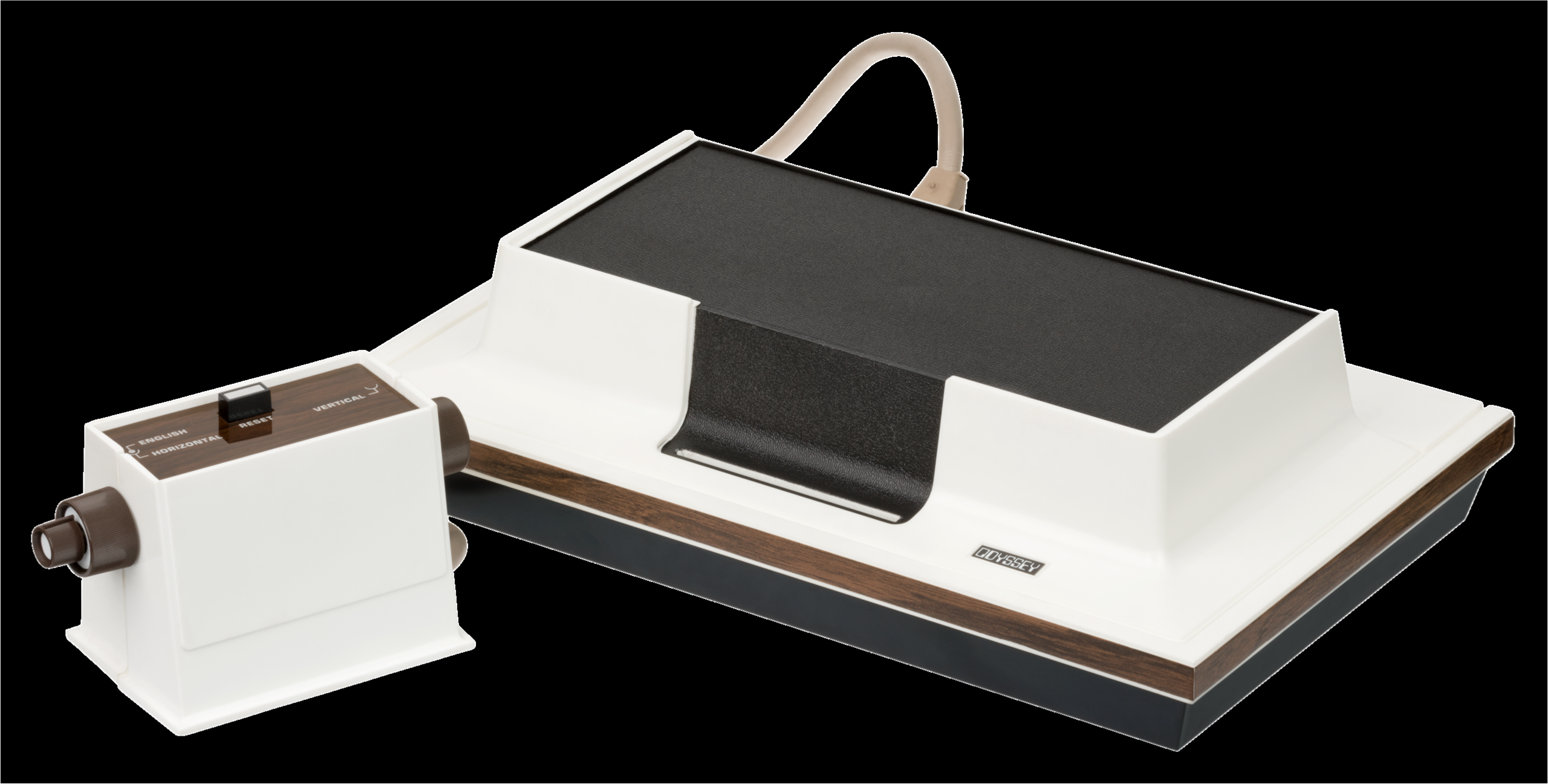
The success of the console, and particularly its ping-pong game, inspired Nolan Bushnell and the company he co-founded, Atari. Despite Baer’s patents, they created Pong in November 1972, and it was a worldwide success.
Initially an arcade terminal, the game became a home console in 1975, at a time when many companies (in the United States, but also in Japan) were entering the console race. In 1977, Nintendo released its first console, the Color TV-Game, in partnership with Mitsubishi. The same year, the American company Coleco launched its Telstar Arcade. Despite a design that made retro-gamers dream, the console was only produced for two years. The 2nd generation of consoles was already in the pipeline.
2nd generation consoles
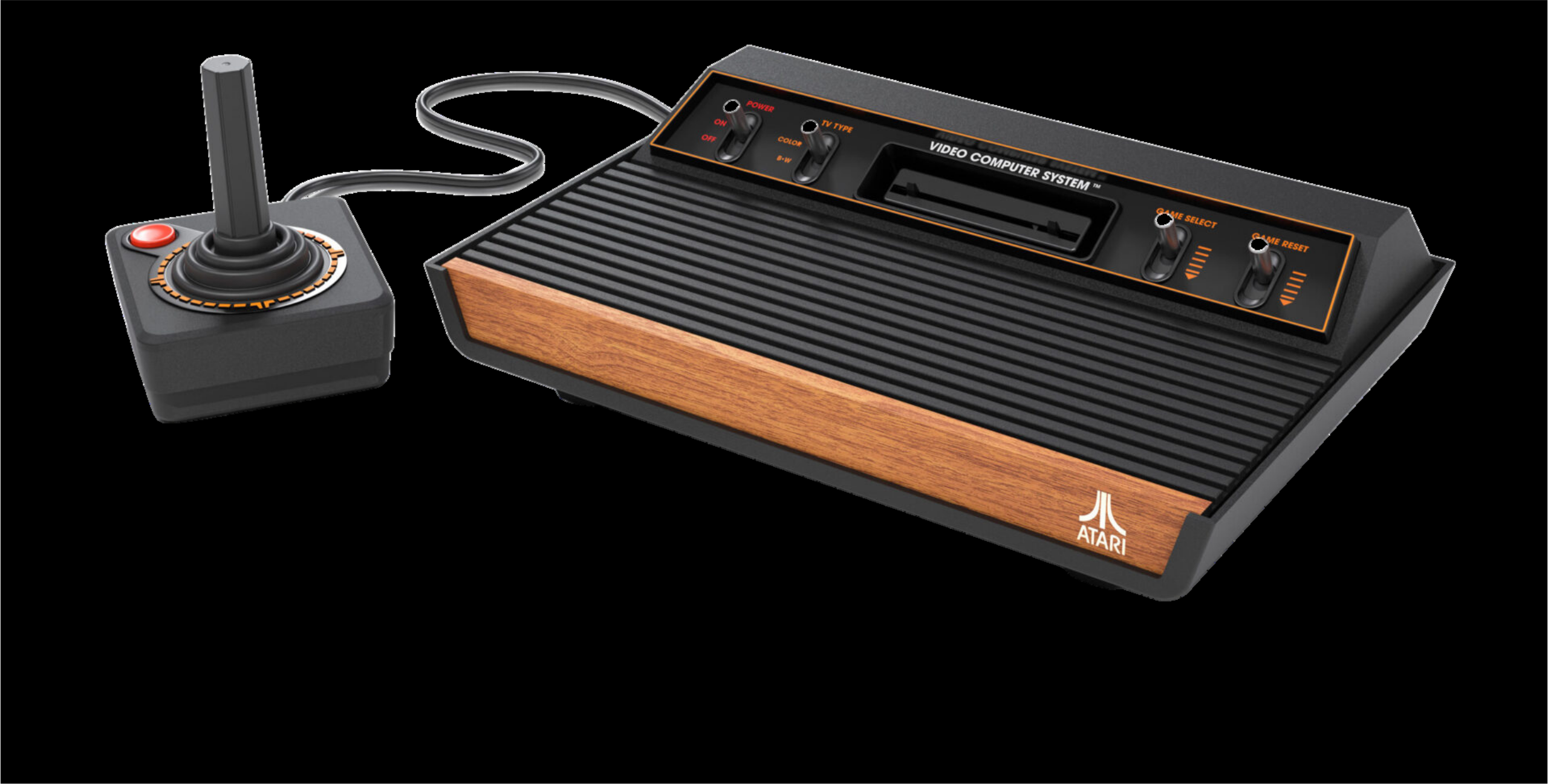
What distinguishes the second generation from the first is the introduction of the cartridge system, and therefore of interchangeable games.
This is a major advantage, pioneered in 1976 by the Fairchild Channel F, and democratised by theAtari 2600, which quickly became the best-selling console of its generation.
But this video game bubble, propelled by Atari on the one hand, and increasingly successful video games on the other(Space Invaders, Asteroids, Donkey Kong were all released at this time), was soon to burst. The American video game industry collapsed in 1983, and game consoles were sold off at derisory prices.
From this period, we remember the impressive failure of the game E.T. The Extraterrestrial, still considered one of the worst games of all time.
This failure led Atari to dispose of several thousand cartridges and consoles, which were hastily buried in the New Mexico desert.
At the same time, manufacturers Microvision and Nintendo are already developing the future: portable mini-games, on the one hand. And on the other, a new generation of home consoles, the third already. A generation dominated by the Famicom, better known as the NES.
3rd generation consoles
With almost 62 million units sold, and a lifespan of 20 years, the Nintendo Entertainment System or NES is the queen of the third generation, or 8-bit console era. Released in 1983 in Japan, it went on to conquer the world in the mid-1980s, reconciling the American market with consoles.
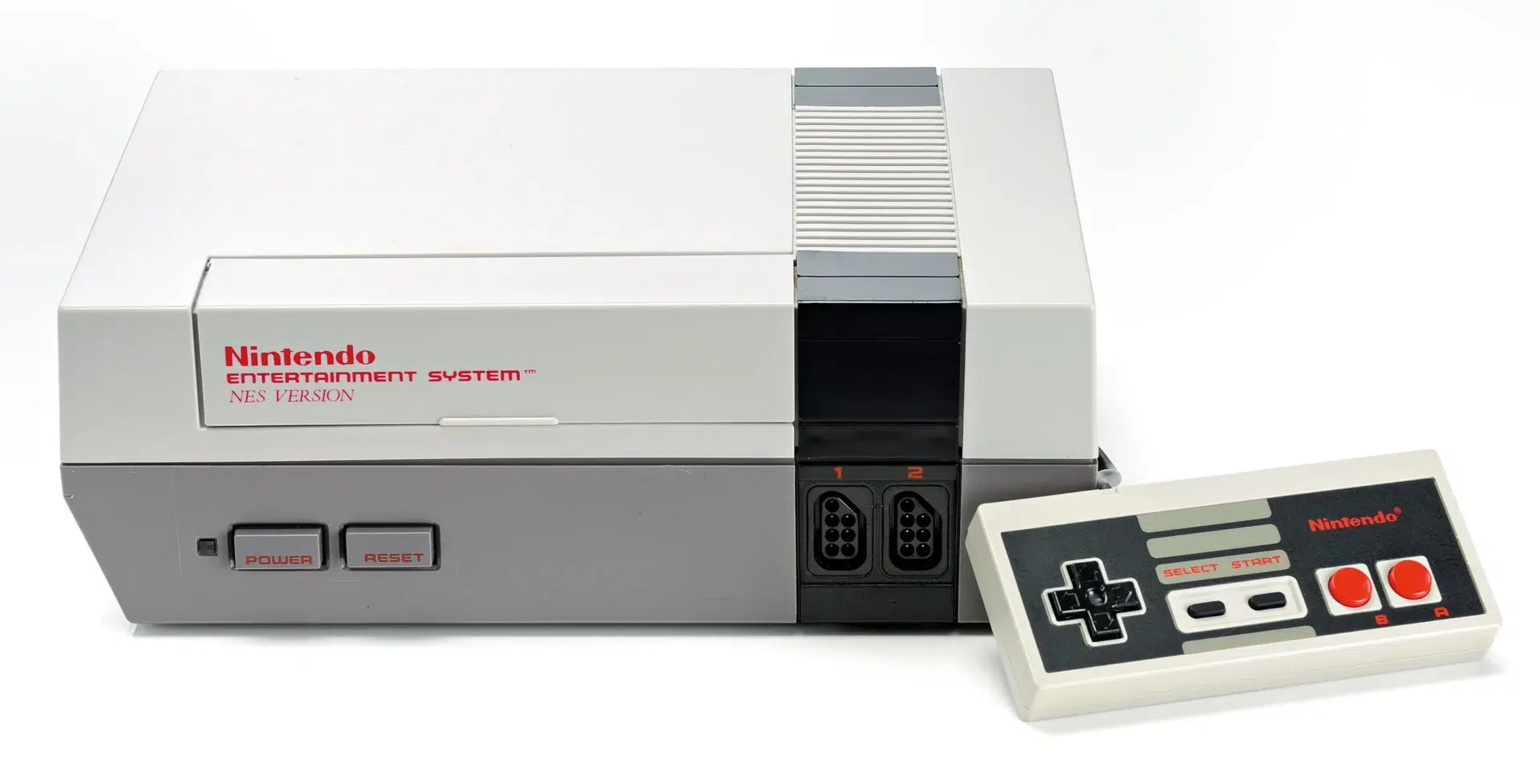
The console also fully integrated game development by third-party studios, and saw the birth of cult franchises such as Super Mario Bros (1985), The Legend of Zelda (1986) and Metroid (1986).
Despite strong sales, the NES’s rivals never managed to knock it off its pedestal.
These include the SEGA Master System, but also the Atari 7800, the big sister of the infamous Atari 5200, the console that contributed to the crash of the American company in 1983.
4th generation consoles
New generation, new processors. The fourth generation is that of 16-bit consoles, and is dominated by the merciless war between Nintendo and Sega.
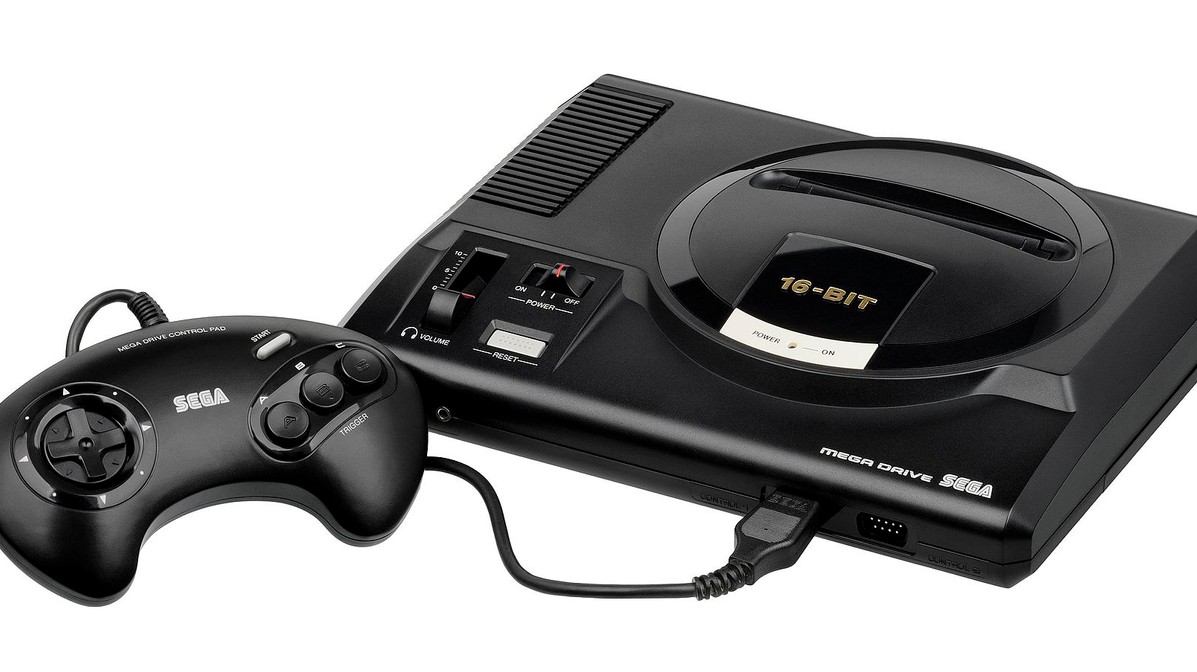
To compete with the NES, Sega released the Mega Drive, which sold very well, even outstripping the SNES, Nintendo’s 16-bit console.
At the same time, Japan’s NEC PC Engine is rapidly losing ground, even though it is considered to be the first console of this generation. Similarly, SNK’s Neo Geo also struggled to stand out, despite an interesting attempt at portability between arcade and home consoles.
But the real battle was between Sega and Nintendo. In 1991, Sega released Sonic, a game based on speed, with a charismatic and lively character, which made Nintendo tremble with its slightly clumsy plumber. But it was Nintendo that emerged victorious from this confrontation, continuing to produce the SNES until 2003.
On the portable console market, Nintendo crushed all the competition with its revolutionary Game Boy. In all, more than 118 million units were sold between 1989 and 2003, compared with just over 10 million for its rival, the Sega Game Gear.
It was a notable setback for Nintendo, however: while Sega, Neo Geo and others managed to make their consoles compatible with the new CD format, Nintendo finally abandoned its project and stuck with the cartridge, following a breakdown in its partnership with Sony.
A mistake that gave Sony the opportunity to develop its own console, the Playstation.
5th generation consoles
In 1994, Sony launched the PlayStation in Japan. The same year, Sega launched the Saturn. These two consoles, based on a CD-ROM system, are characteristic of the fifth generation.
A generation in which we also find Apple and its Pippin, a completely forgotten failure on the part of the Apple brand, which abandoned the console after selling just 40,000 units.
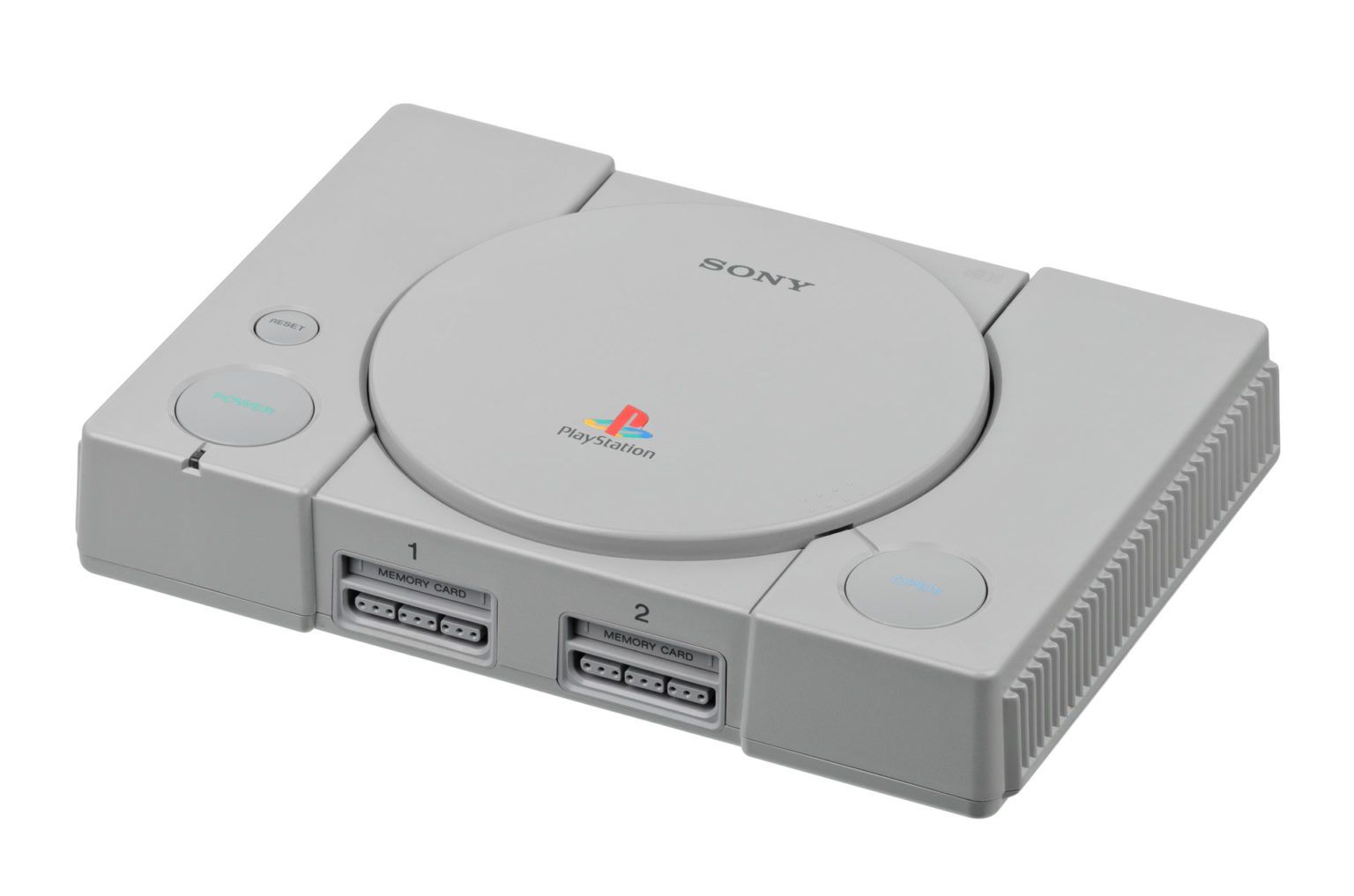
Sony’s success will depend not only on the medium itself, but also on the graphic quality of its 3D console and its ever-expanding catalogue of games. The memory card system, which also enabled more regular back-ups, made it possible to create long, complex story arcs. Games such as Tomb Raider and Final Fantasy VII have become cult favourites.
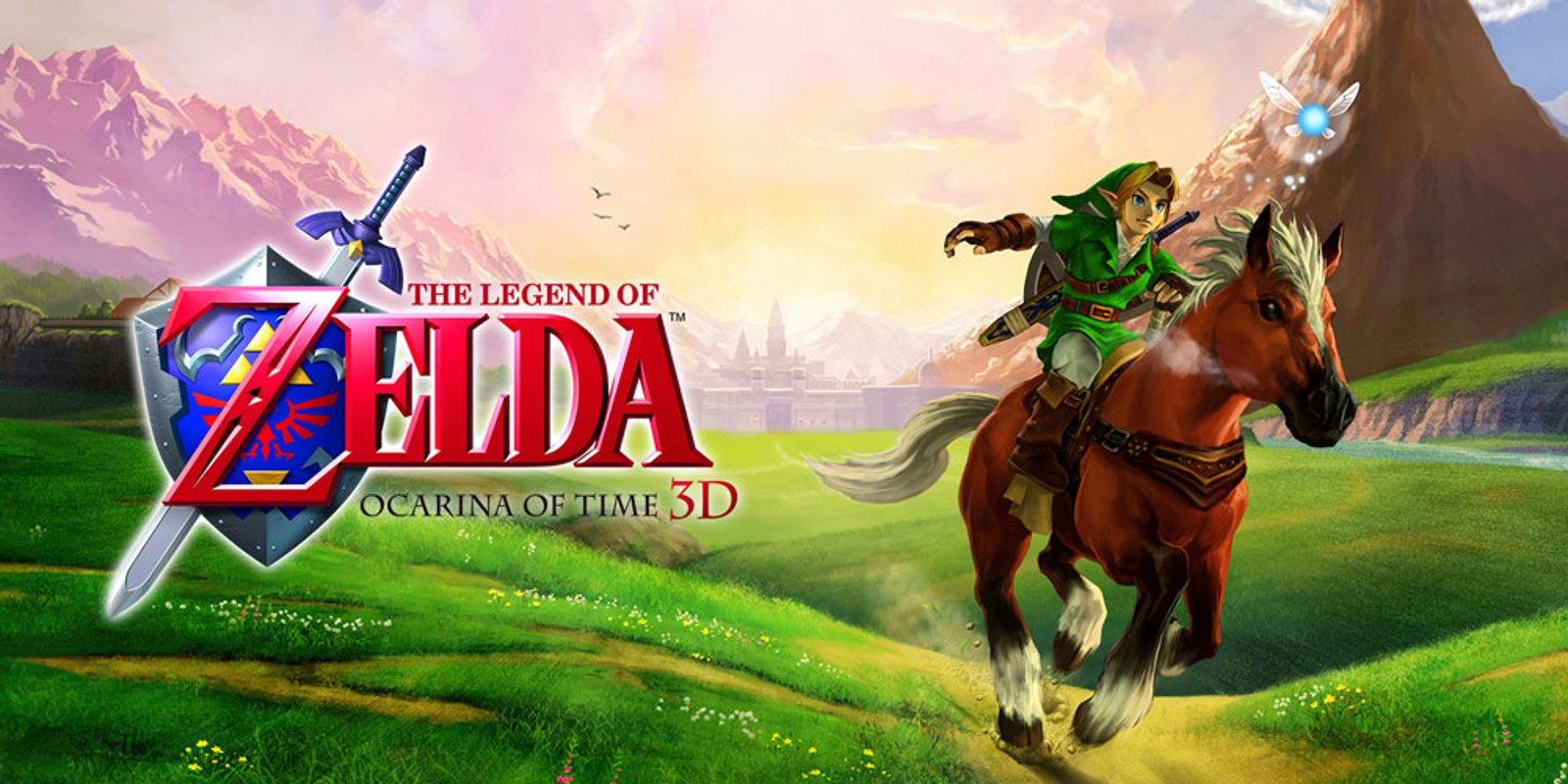
This generation, although dominated by Sony, also included the much-loved Nintendo 64, Nintendo’s first 3D console. The cult game Zelda: Ocarina of Time was one of Nintendo’s greatest successes of this generation, selling almost 33 million units.
This fifth generation is also marked by the abandonment of bits as a unit of measurement, the evolution from 32-bit to 64-bit being weak and less interesting in terms of marketing arguments.
6th generation consoles
Far from reversing the trend, this sixth generation will consolidate Sony’s dominance of the home console market.
But it was Sega that set the ball rolling in 1998 with its Dreamcast, the first console with an integrated modem, enabling online games to be played. But numerous bugs, a complicated start-up and the arrival of a major competitor, the PlayStation 2, would spell the end of this console and Sega at the same time, whose swan song as a console manufacturer would follow.
In 2000, the PlayStation 2 hit the market: backwards compatible, capable of reading DVDs and also of being connected to the Internet, Sony’s console stood out for its aggressive marketing, and quickly won over gamers from all walks of life.
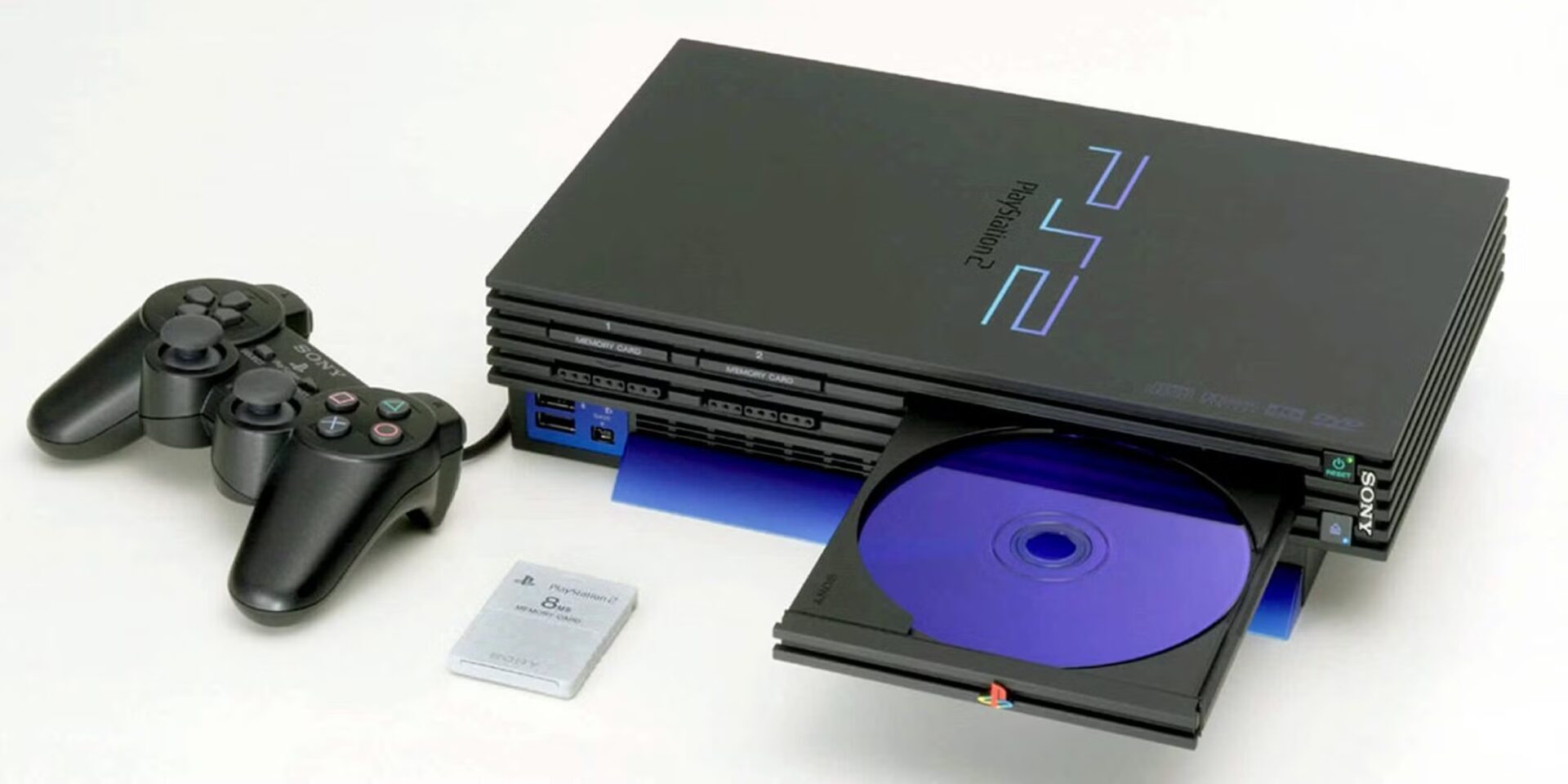
The threat was so great that Microsoft, which now sees the PS2 as a competitor to the home computer, also entered the console war with the Xbox. A powerful machine, with a hard drive and built-in internet connection, and the first online console service, Xbox live, for multiplayer gaming.
Despite this, the PS2 dominated this generation, selling (between 2000 and 2013) almost 160 million units, making it the best-selling console of all time.
Nintendo, for its part, achieved moderate success with its GameCube (21 million units sold), but scored another masterstroke with its Game Boy Advance, which sold more than 81 million units between 2001 and 2010. And all this at a time when smartphones are beginning to eat into the market share of handheld consoles.
7th generation consoles
How do you dethrone Sony, the leader for two generations? To counter this domination, the two main competitors (Microsoft and Nintendo) are going to rival each other in inventiveness.
For Microsoft, the Xbox 360 opened the ball in 2005, heralding the seventh generation of consoles. Nintendo and Sony followed suit in 2006, with two radically different approaches.
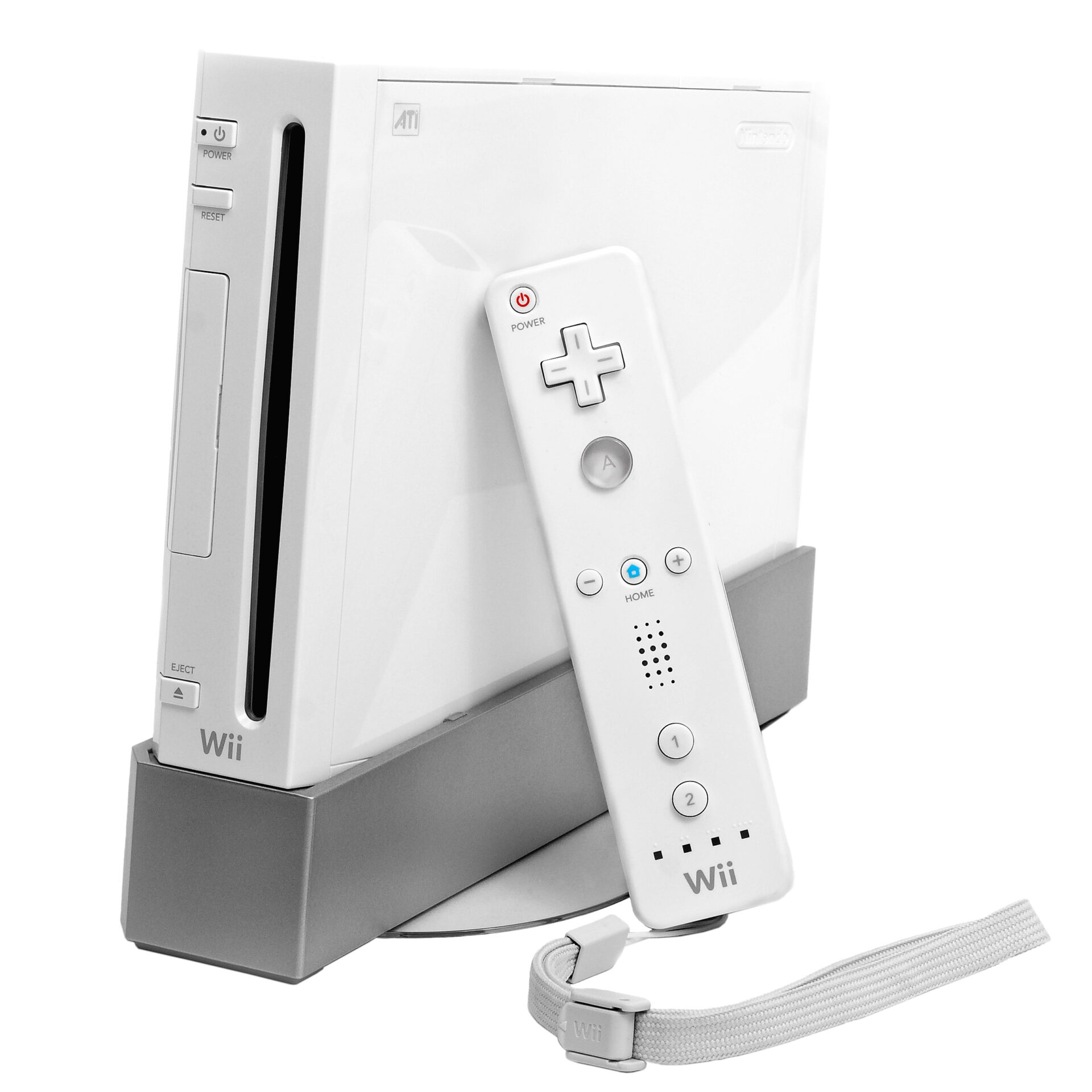
While the Playstation 3 focuses primarily on graphics quality, Blu-ray playback and exclusive AAA games, Nintendo’s Wii goes against this trend, offering a more family-friendly catalogue and a revolutionary controller: the Wii Remote.
The gamble paid off: the Wii, with its relatively low price, easy-to-use controller and extensive catalogue of highly accessible games, became a worldwide success, democratising video games even further.
Two years earlier, Nintendo had also launched its DS, which was an equally resounding success, as it is now Nintendo’s best-selling console, with over 154 million units sold. Sony’s Playstation Portable (PSP) has sold 82 million units.
All in all, this generation marks a turning point: Fewer manufacturers, with three competitors sharing the market; but staggering figures, with over 500 million consoles sold in this generation.
8th generation consoles
Perhaps over-confident of its success, Nintendo released the WiiU in 2012, a console with a stated aim: to win over gamers and Wii users alike. But the verdict is in, and the WiiU remains one of the worst failures in the history of home consoles. It’s a console that never managed to win anyone over, despite its GamePad, already a precursor to the Switch, and an improved Nintendo Network.
A year later, the release of the Xbox One and PS4, both far superior in terms of power, graphics quality and games catalogue, won over gamers and put Sony back on top of the podium this generation.
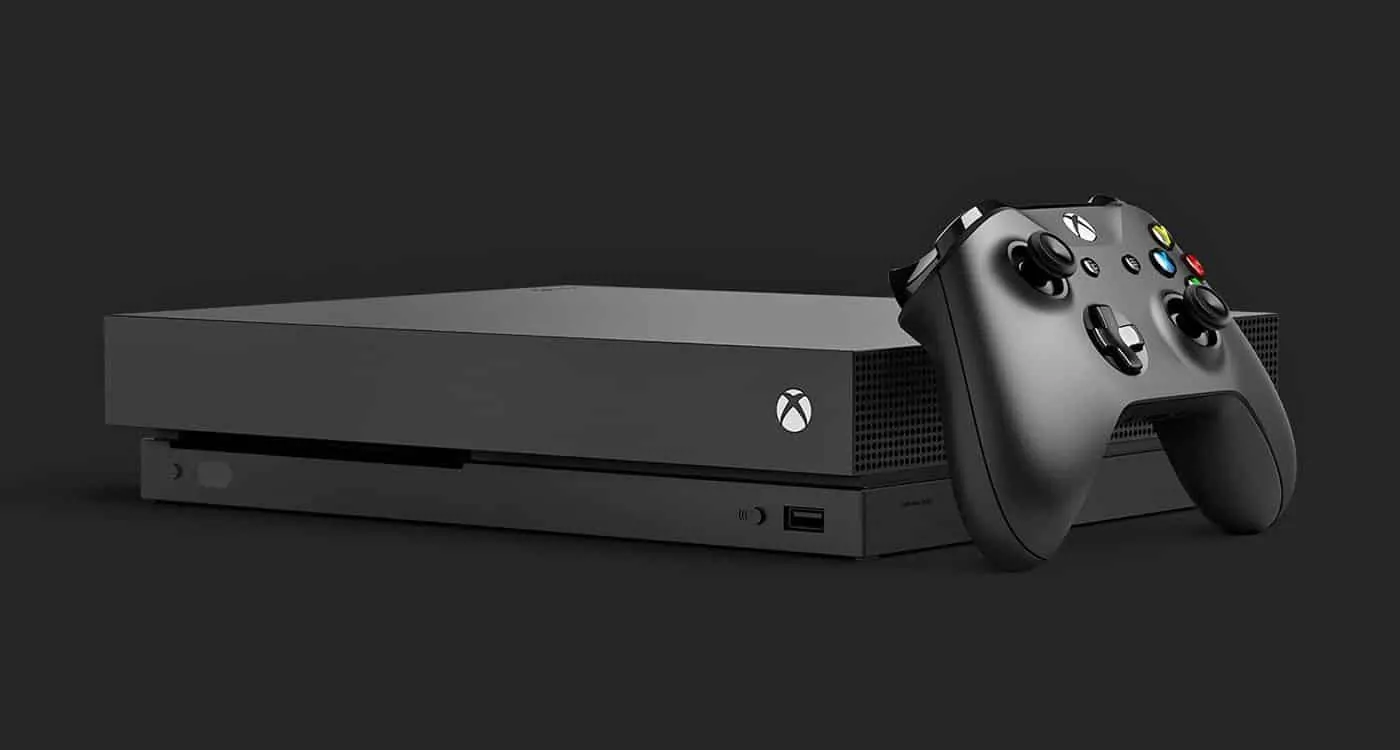
Until the arrival of the Switch, the first hybrid console in history, in 2017. A real stroke of genius from Nintendo, combining the approach of its home consoles with the flexibility of its portable consoles, which we also see in this generation with the 3DS, and then the Switch Lite.
This success, for both Sony (especially with the PS4, as the portable PS Vita struggled to find its audience) and Nintendo, continues to this day, as the PS4 and Switch are still being sold, and have each sold well over 100 million units.
9th generation consoles
Where do we stand today?
In 2020, Sony released the Playstation, further improving its controller, while Microsoft continued to boost Xbox performance with the Series X and Series S.
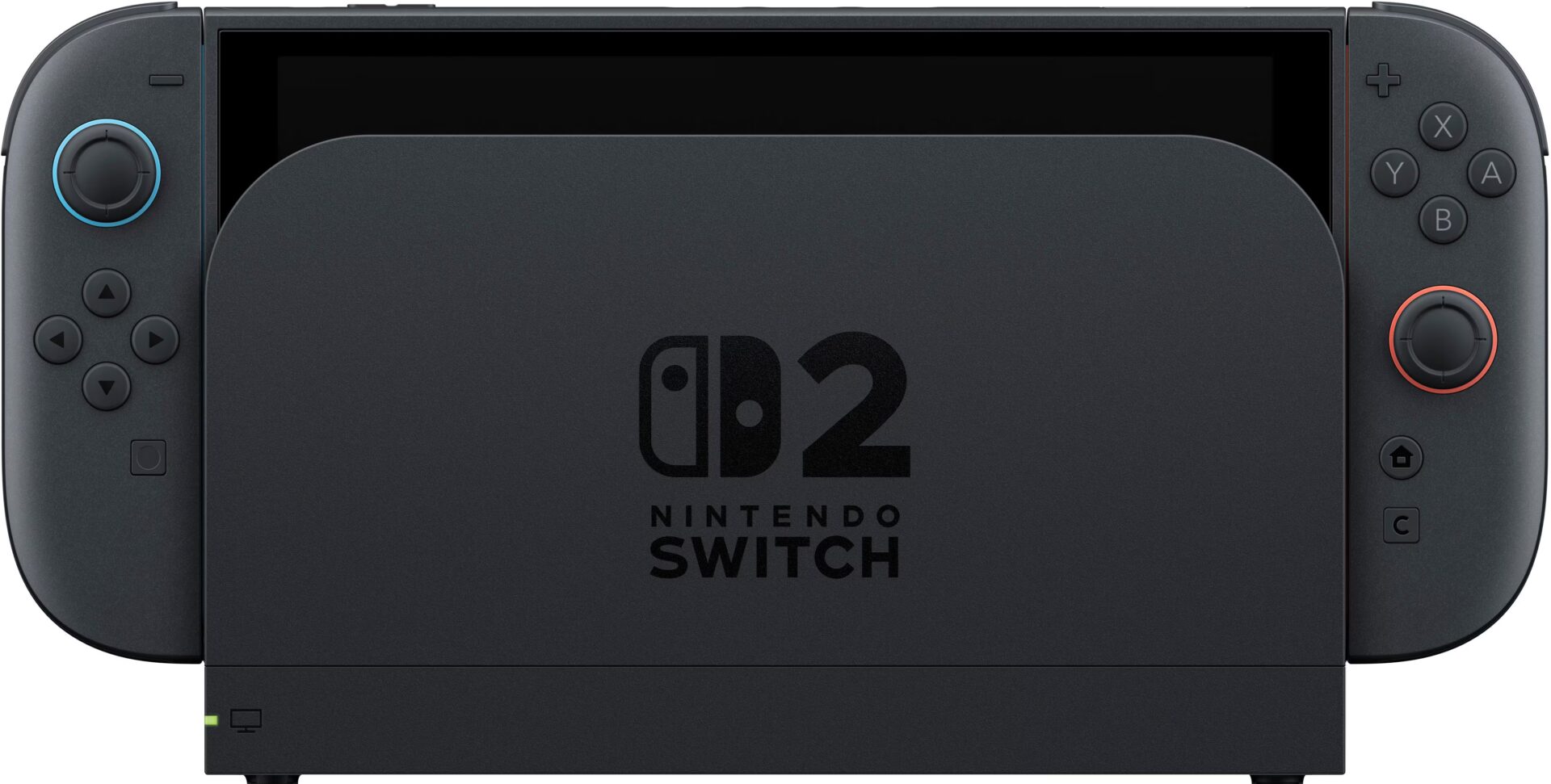
But the market has changed, and exclusive titles, while still around, have been replaced by cross-platform games, such as Fortnite. In this increasingly competitive environment, Nintendo has just released the Switch 2, a more powerful and modern console, but will this improvement be enough to convince?
In any case, the initial figures suggest that this is the case, while the future of tenth-generation consoles is already taking shape.
The future of video game consoles
AI, cloud-gaming, virtual reality, cross-platform and free-to-play are all concepts that have already begun to revolutionise the way people play. Because today, almost everyone plays. How will video game consoles fit into this fragmented future?
One thing is certain: we will have to continue to rely on Microsoft, Sony and Nintendo, the undisputed leaders in the console market, which is a permanent battleground.