
Trained at the New York Institute of Technology, she began her career in live-action cinema, before joining the world of animation at TeamTO in 2007.
Co-founder of studios La Cabane, and producer with this company and the Belgian studio Thuristar, she puts her expertise and knowledge to work on quality productions in a variety of formats, from short films to series and specials.
These works are intended for both TV/VOD and cinema, and have long since made a name for themselves outside France.

Just a few days before the Cartoon Forum 2025, we had the chance to talk to her about her career, the challenges facing the sector and the valuable advice she is happy to give to young people wishing to enter the animation industry today.
She takes a pragmatic, realistic and no-nonsense look at the industry, while defending original creation and the artists who bring it to life.
Ambitious projects, cooked up with finesse
Drawing on her experience at TeamTO, for which she produced (with Thuristar) Mon chevalier et moi, Perrine Gauthier founded La Cabane in 2015, and together with Thuristar created a unique Franco-Belgian co-production structure. An ecosystem that has given birth to numerous projects such as Mush-Mush, now a worldwide success. Sold worldwide and nominated for an International Emmy Award.
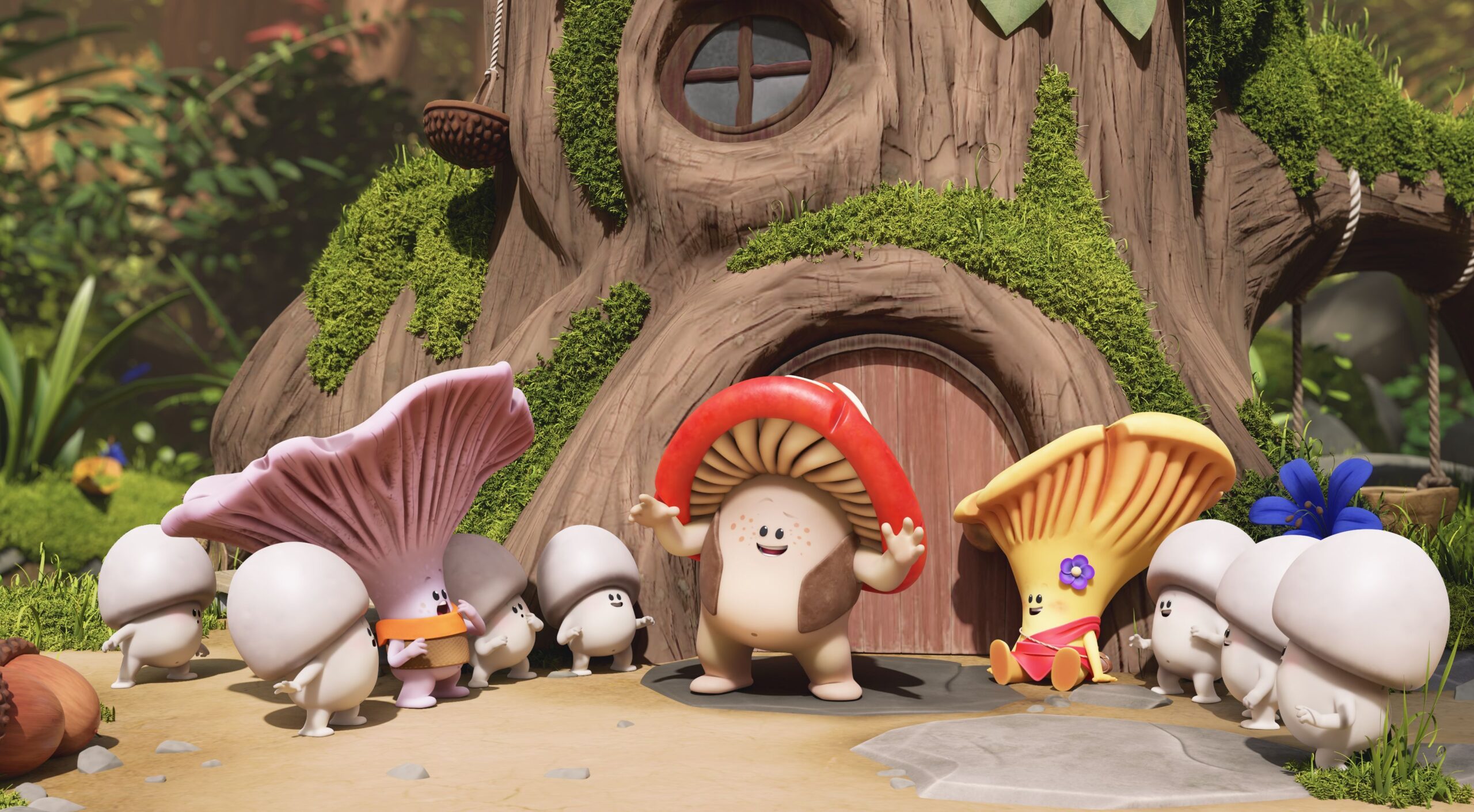
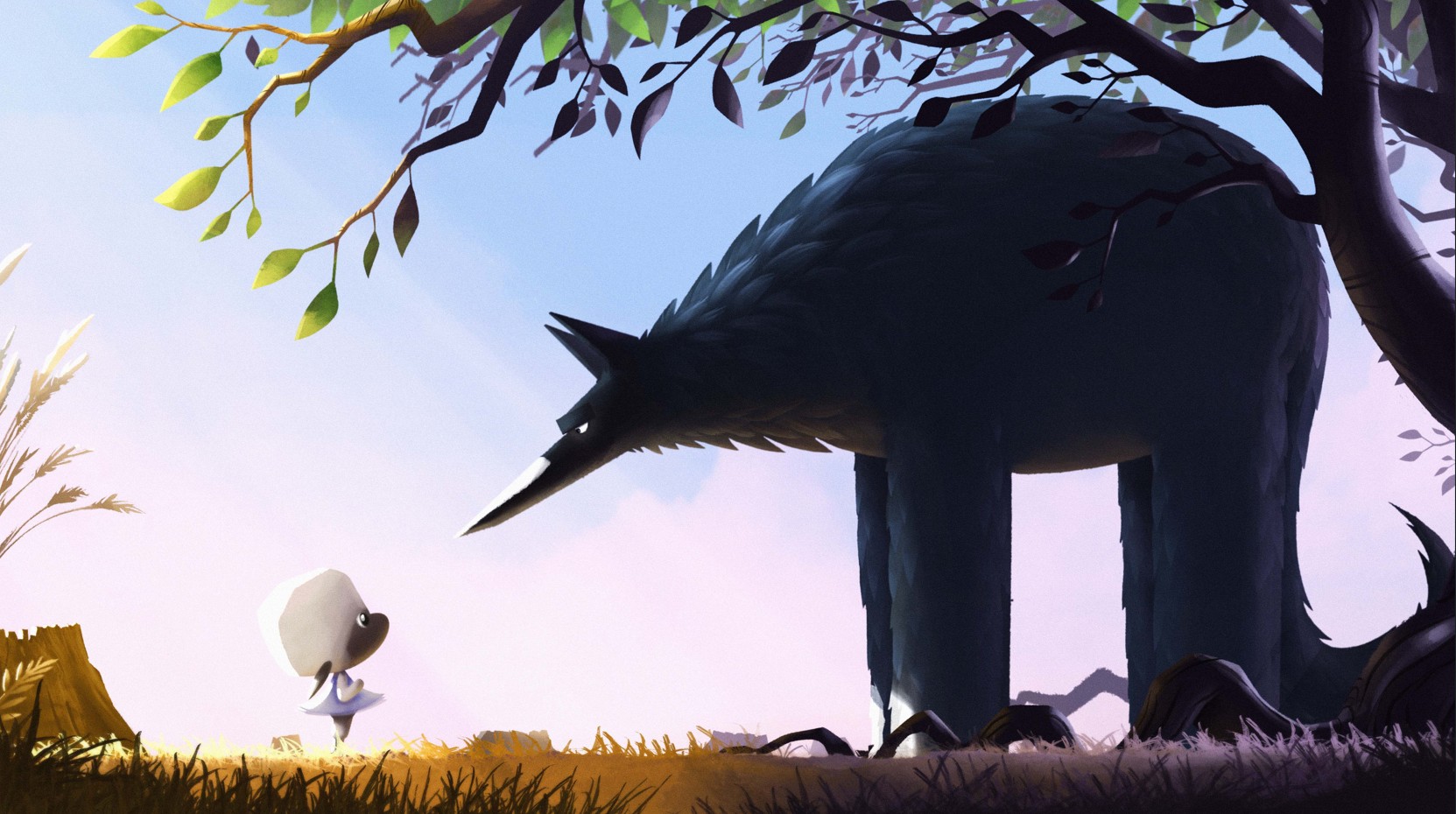
“I’m very attached to all the projects we decide to take on – that’s the very least we can do to bring them to fruition,” says Perrine Gauthier. “Over the last few years, I’ve put a lot of energy and attention into two projects in particular: Mush-Mush, and Luce et le Rocher, the short film behind the series of the same name, which will go into production shortly. The film has been selected for over 200 festivals and won more than 20 awards, including a Special Mention at the Berlinale and prizes at Anima Brussels and Ottawa. The series, written by Britt Raes and co-directed with Mathilde Prévost, is one of our current projects.
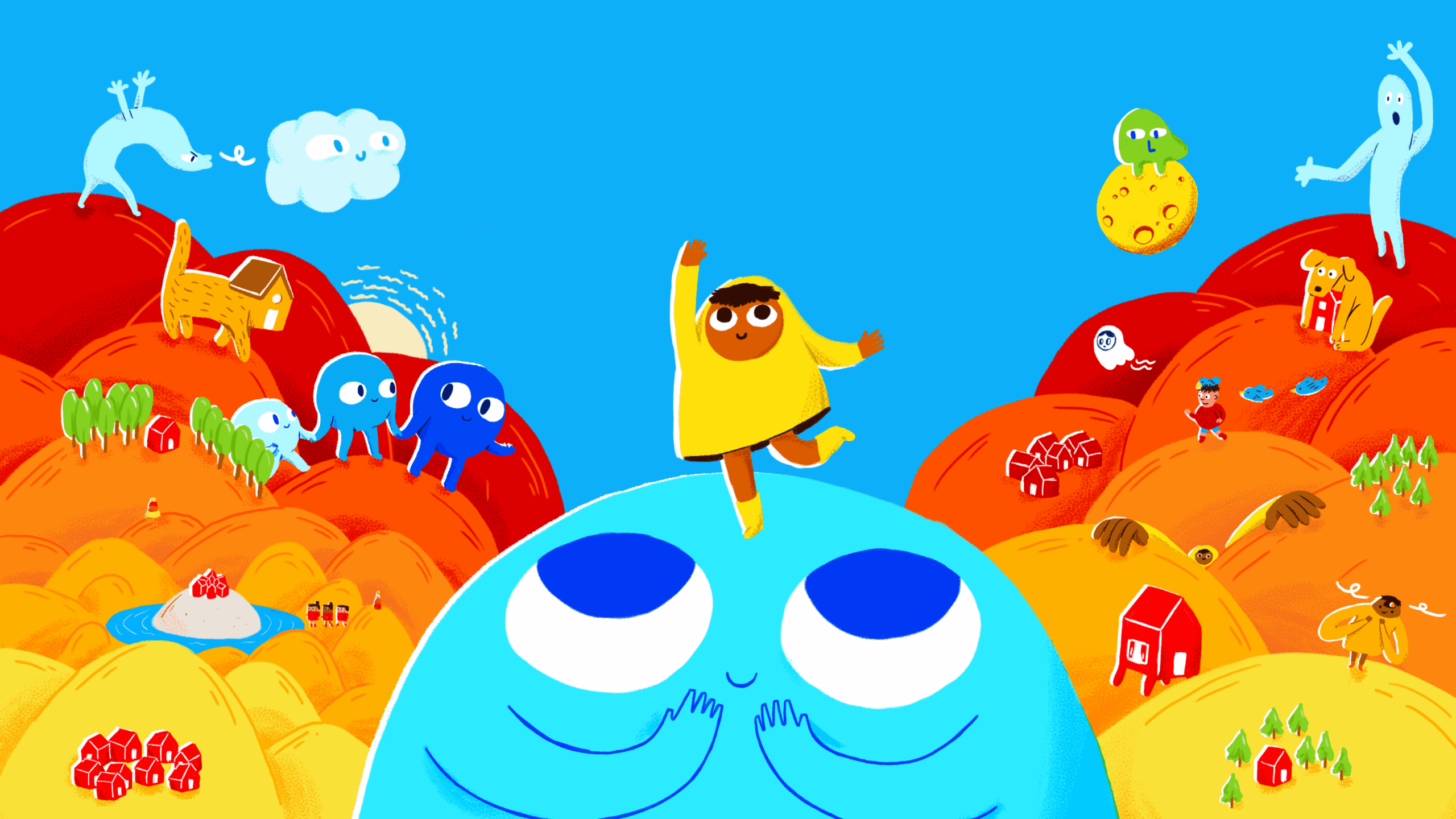
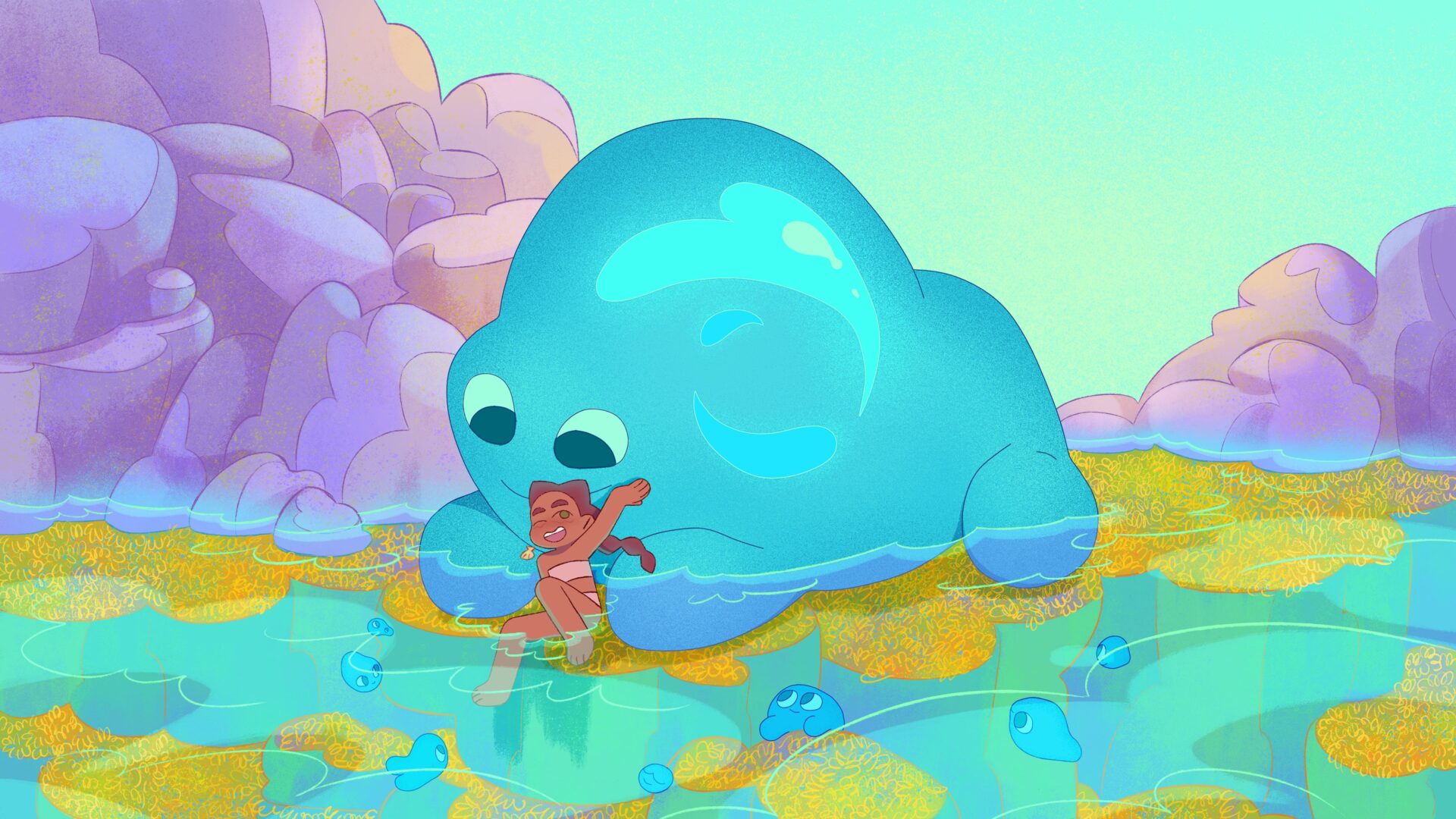
At the same time, we’re launching production of Mijoté de Brebis, a special written and directed by Joeri Christiaen (director of Mush-Mush), and we’re developing a series called Emma sur la Vague, co-written by Giulia Iacopini and Julien Gallet, and directed by Camille Chao”.
A sector in crisis, and talent to be preserved
For the producer, who has been working in the animation industry since 2007, the sector is currently going through a multifactorial crisis, the consequences of which are just as manifold. “Between the drastic drop in orders for projects from platforms, the closure of television channels and the fragmentation of funding (not to mention the incessant hype around generative AI), the sector is in turmoil”. And for Perrine Gauthier, the first to be affected are the workers, especially young graduates.
Against the backdrop of this structural crisis, with little likelihood of a return to pre-pandemic levels of activity, animation continues to generate major successes and high-quality productions.
The main challenge is therefore to remind all the players in the sector, and in particular the international platforms and public authorities, that the success and quality of these works are based on a fragile ecosystem, and on expertise and talent that must be preserved.
Not using AI: a conscious and responsible choice
When it comes to new technologies, and in particular generative AI, La Cabane has always adopted a cautious approach. On Mush-Mush, for example, the pipeline was modified between the two seasons.
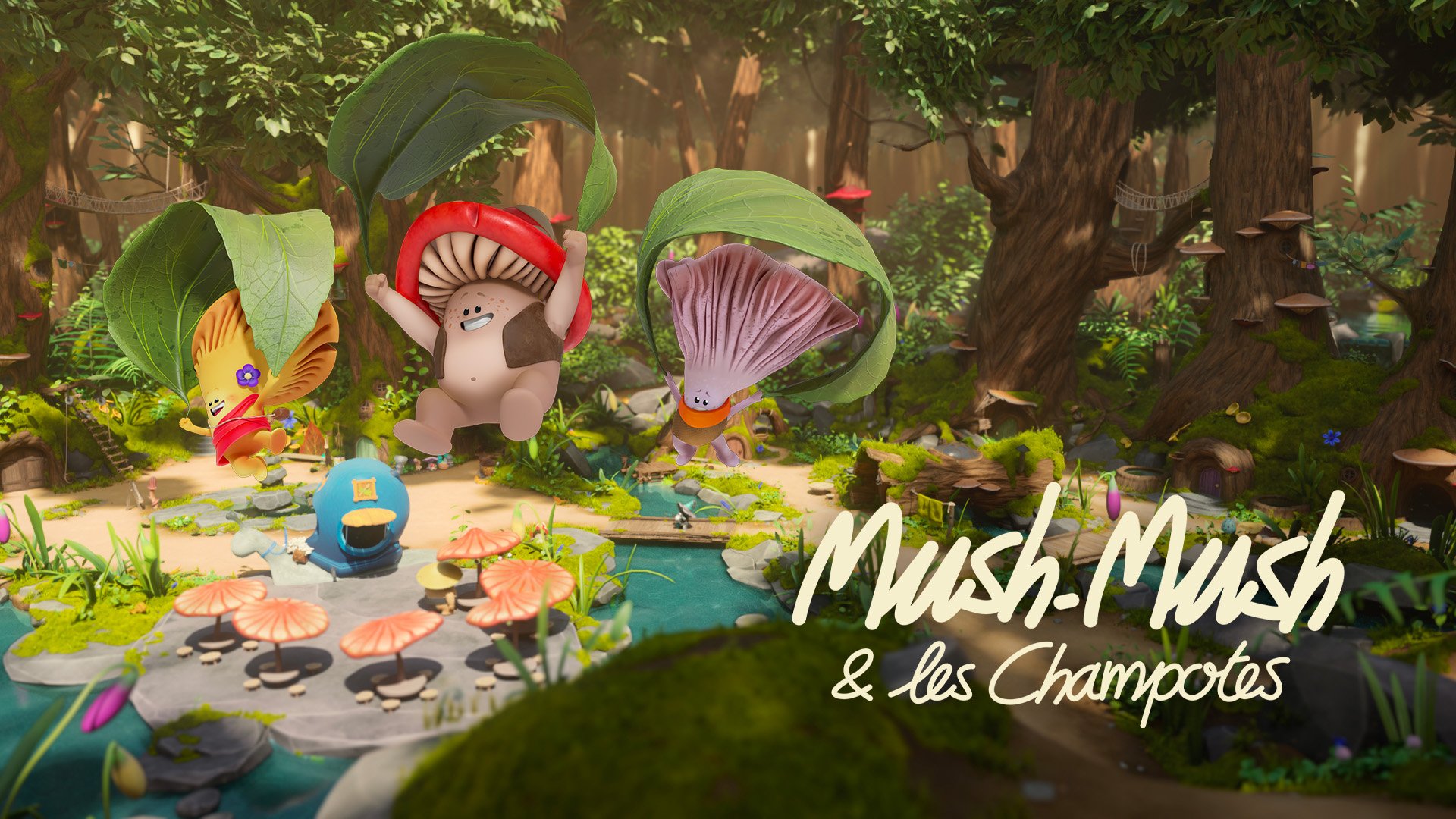
From a full Blender setup in season 1, the production switched to a Blender + Unreal Engine mix in season 2. It’s a choice that came about through a combination of circumstances, and which was then put into practice for artistic, technical and environmental reasons.
“It was a very positive experience, but our technological choices are always determined by the specifics of each project,” explains Perrine Gauthier. “So that doesn’t mean that all our productions are now made on Unreal.
With regard to generative AI, La Cabane has chosen not to use these tools in the development or manufacture of its projects, for ethical (even philosophical), social and environmental reasons. “According to the latest studies published on the subject, many jobs are threatened by AI, in our sector as elsewhere. In my opinion, what will become of the animation professions (and creative and cultural professions in general) is a collective responsibility of employers, public authorities, buyers/investors, and professionals themselves to a certain extent.”
The future of animation lies in original creation
For Perrine Gauthier, one of the major challenges facing the sector is, more than ever, to continue to bring out original creations. In a context where the industry often favours franchises, it is essential to remember that the long-term survival of the sector and the richness of the audiovisual and cinematographic offering also depend on the development of new characters and new worlds. “Supporting original creation means bringing to life the successes of today and tomorrow, and it also means preserving artistic freedom and giving a place to emerging talent! Without original creation, there would be no Bluey, no Samuel, and no Mush-Mush either…”
Understanding the sector, to better integrate into it
So how do you prepare to enter the sector? “It’s quite possible to be introverted and a good manager, for example,” adds Perrine Gauthier with a smile. But in her view, what young people need to understand is the level of difficulty they can expect in finding a job when they leave school. “It’s essential that schools take this context and its evolution into account in their educational offer and their training courses”, stresses the producer. And to conclude, one final piece of clear, well-advised advice: “Get informed! About the sector, how it works, its mechanisms, its players and so on. Understanding everything that’s at stake means you can be better prepared, debunk preconceived ideas and avoid hasty judgements”.
To find out more about La Cabane Productions, visit their website.