This prestigious and sought-after role is designed for professionals with sharp artistic skills, advanced technical mastery and solid team management abilities. In this guide, we explain how to get into this role.
What are the tasks and responsibilities of a 3D art director?
In 3D animation, the art director is a key person who develops, supervises and guarantees the visual coherence of a film, from its first drafts to its completion.
Working closely with the director, producer and other managers, the art director immerses himself in the essence and world of the film, bringing his own artistic vision to bear and giving it its own uniqueness.
He is then responsible for recruiting the talent needed for the various stages of creation, and for orchestrating their efforts. His aim is to ensure that the film meets the industry’s quality standards and the director’s expectations, while imprinting a distinctive visual identity. An identity to which the art director will have made a major contribution, while respecting the expectations and constraints imposed on him.
This job requires a real sense of responsibility, because the success of the project and the artistic quality of the film depend as much on the creative vision of the artistic director as on his or her managerial skills.
What skills do you need to excel as an art director in 3D animation?
As artistic director, you need to be able to convey your vision and working methods to your teams easily and seamlessly, while taking decisions that will enable the project to progress smoothly.
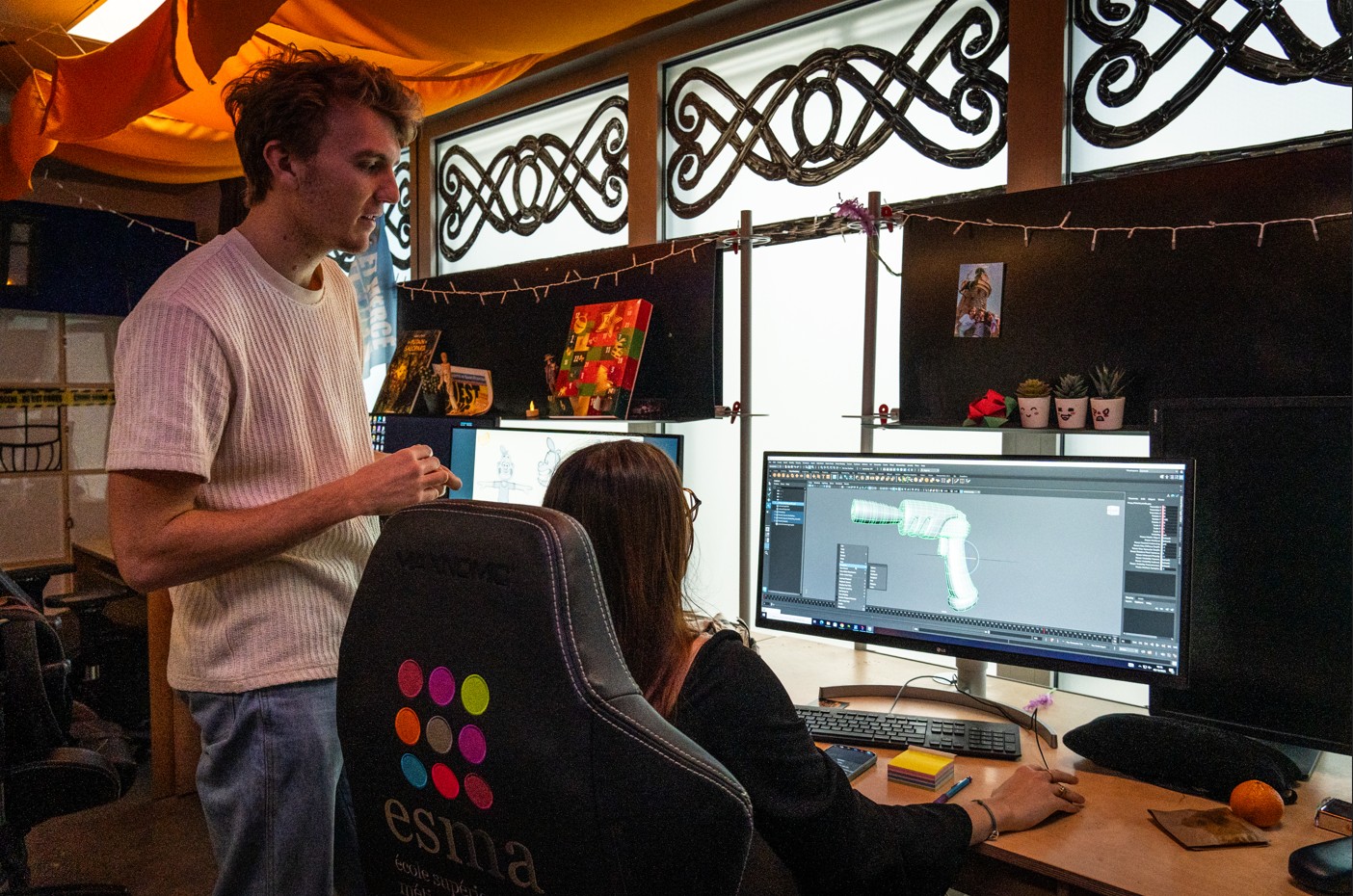
In-depth knowledge of your collaborators’ artistic and technical abilities is therefore essential, as is the ability to identify their strengths and weaknesses as the creative process unfolds.
This role requires a managerial approach that also encourages initiative and innovative ideas, always bearing in mind the objective and creative vision of the project.
The key skill of an art director is to find the right balance between technical constraints and artistic creativity, without losing sight of deadlines and budgets. This range of skills is crucial and must be developed from the very first years of training.
What tools and software does a 3D art director use?
As the head of a team, the art director relies on project management software such as Trello, Miro or Notion, and communication tools such as Slack, Discord or other instant messaging systems designed for professional collaboration. The fluidity of the creative process will depend on their ability to master these tools and get their teams to adopt them.
At the same time, the art director must have an in-depth knowledge of all the tools used in the visual development of a 3D animation project. Although he does not necessarily need to be an expert on every piece of software, this knowledge enables him to understand the technical challenges that his teams will have to face, to propose relevant solutions and to inform the other project managers of both the possibilities and the constraints associated with the project.
These tools include 3D modelling and 3D animation tools (Maya, 3ds Max, Blender, Houdini, etc.), as well as 2D/3D illustration and design software (ZBrush, Photoshop) and special effects software. These are all essential tools for bringing the world of the film to life under his supervision.
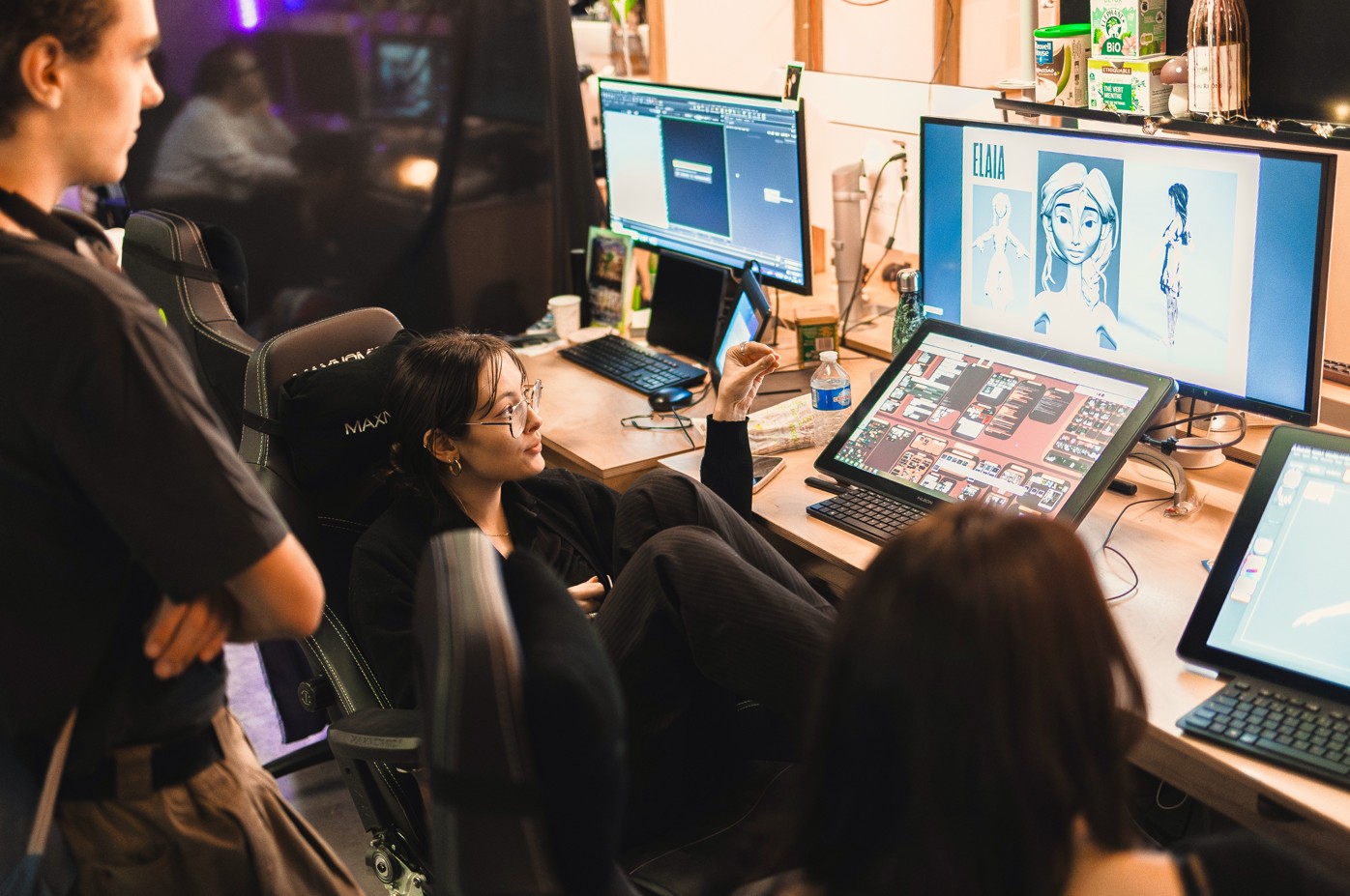
Finally, art directors need to keep abreast of advances in the sector and new technologies. In a constantly evolving industry, demonstrating your mastery of innovative tools and cutting-edge software is a major asset in advancing your career and winning new contracts.
Which baccalaureate should you choose?
There’s no set path to becoming an art director; there are several routes you can take, depending on your profile. If drawing is your strong point, a Bac ST2A (Science and Technology of Design and Applied Arts) is an excellent option for familiarising yourself early on with the tools of the 3D animation sector. If you have a more technical profile, a baccalauréat with specialisms in mathematics or NSI (Numerical and Computer Sciences) might be more appropriate.
In any case, your choice of bachelor’s degree should reflect the requirements of the job of art director: a solid balance between technical mastery and creative vision.
What training do you need to become a 3D art director?
If you want to succeed as an art director in 3D animation, a professional training course is essential. This should enable you to familiarise yourself with all aspects of the animation industry, while developing your organisational skills. As we mentioned earlier, the art director will subsequently have to manage the entire creative team and work closely with the other project managers on the productions on which he or she will be collaborating.
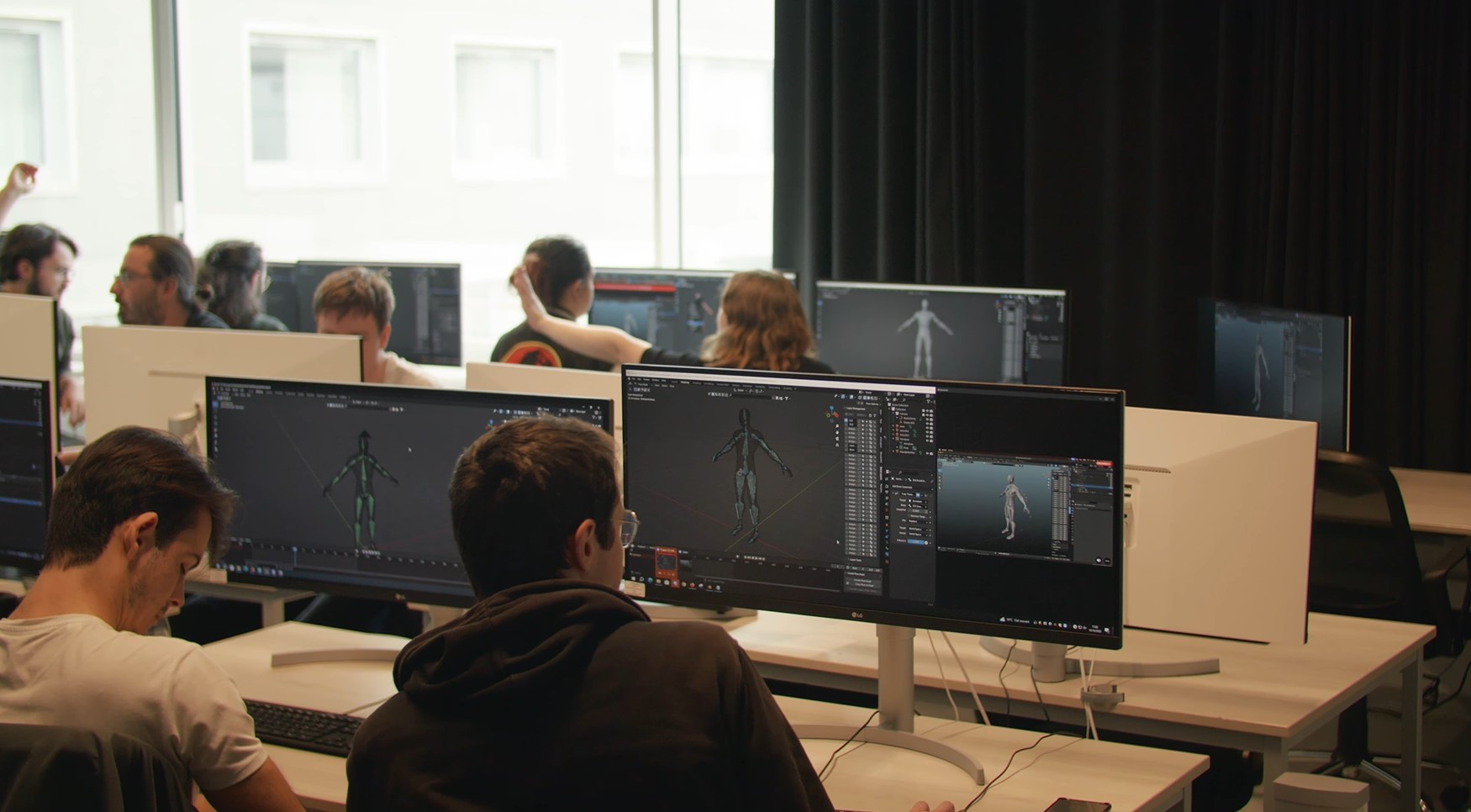
The most comprehensive training possible is therefore crucial if you are to master the tools, understand the production methods specific to this industry and maximise your chances of landing a job when you graduate.
This training, which combines theory and practice, concludes in most 3D animation schools with the production of a short animated film. This is an opportunity for future art directors to confront the real challenges of production, to forge their own working methods, and to validate their skills and vision. This practical experience is a valuable springboard for entering the job market and attracting the attention of recruiters, a real business card whose quality will reflect your abilities.
How much does a 3D art director earn?
Salary at the start of your career
At the start of their career, junior art directors’ salaries can fluctuate between €35,000 and €45,000 gross per year. This will depend on the way in which they work with the production (on contract or freelance), but also on the scale of the project and its location.
Salary with experience
With experience, the salary of a 3D art director can vary between €50,000 and €65,000 gross per year, or even much more if they work on large-scale international projects. Once again, it all depends on the career path chosen, the production location and the type of contract.
What are the career prospects in this profession?
There are plenty of opportunities for 3D art directors to progress, provided they are bold and seize the day. Whether by working with various studios or climbing the ladder, they can build up a solid portfolio, which is essential if they are to attract new clients and take on more ambitious projects.
Depending on your career aspirations, you could even set up your own animation studio, become a director or producer, or both. These multiple possibilities make the job particularly attractive and coveted.
Which school should you choose to become a 3D art director?
To become an art director and stand out in this profession, you need to build up a unique range of skills.
That’s why it’s a good idea to choose a school such as ESMA, which offers comprehensive, cutting-edge training that is recognised in the sector.
Supervised by professionals and teachers who have mastered the latest technologies, and in direct contact with studios already well established in the animated film industry, students and aspiring artistic directors will be able to explore all aspects of the production of an animated film, and gain valuable experience that will serve as a springboard for their entry into the job market.