
. And even, contrary to what you might think, in independent auteur cinema. And if vfx is everywhere, the vfx supervisor has to be too.
How do you access this function? Find out below.
What are the duties and responsibilities of a vfx supervisor?
Without these professions, it would be impossible to create entire universes, to bring legendary creatures to life or even to transform a scene shot during the day into one shot at night. FromAvatar to Annette, King Kong to Transformers , and even low-budget films by young French filmmakers, none of these films would have seen the light of day without the work of vfx supervisors and their teams.
Its mission: to provide the key elements that will enable the director, scriptwriter and producer of a project to bring their world to life through the use of computer-generated images. All the while keeping in mind the possibilities as well as the technical constraints, the capabilities of the teams and the budget allocated.
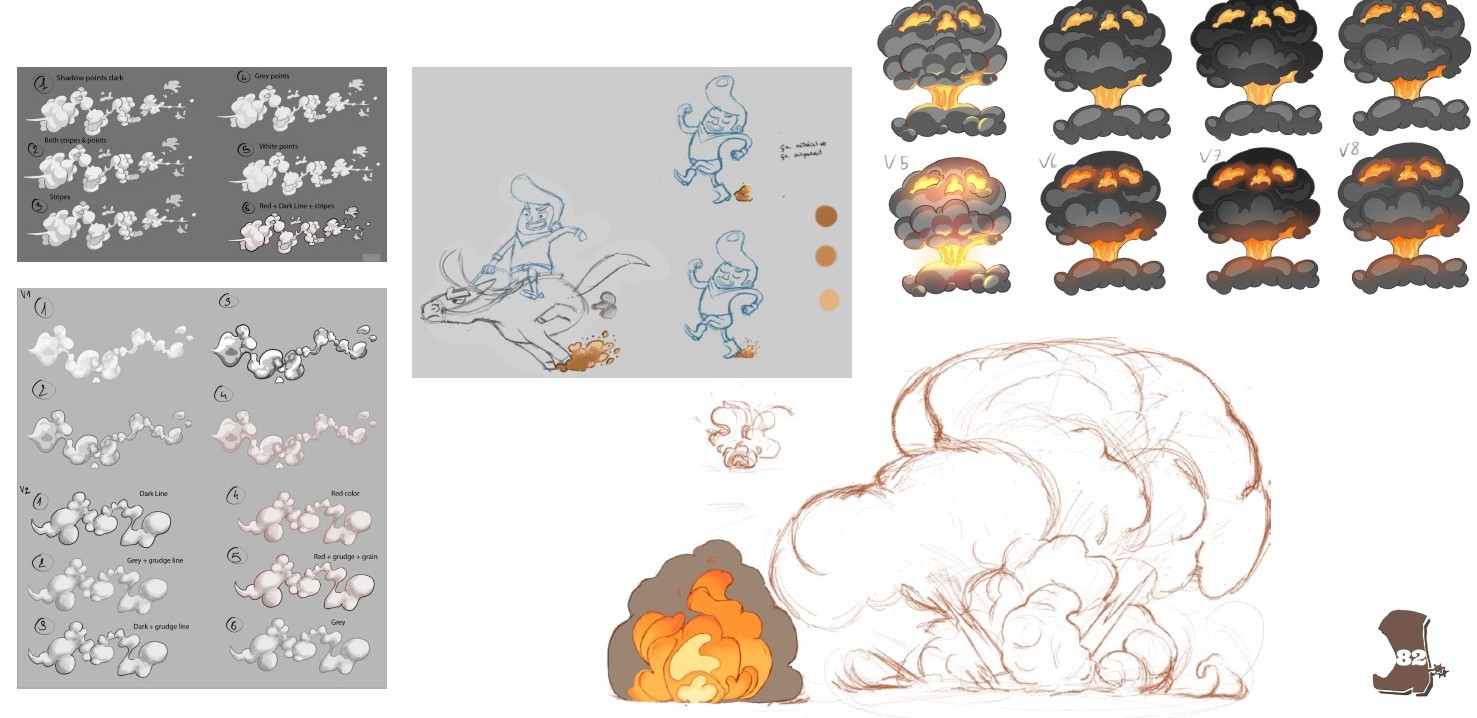
As soon as the script is read, the vfx supervisor thinks about the scenes that require vfx, suggests solutions, and accompanies the various stages of pre-production and shooting, right through to post-production where his work really begins.
During this final stage, the vfx supervisor is responsible for coordinating his teams, integrating the digital special effects and ensuring the final artistic quality of the film.
What skills do you need to excel as a vfx supervisor in 3d animation?
As you will have realised, a vfx supervisor needs to be inventive if he is to translate the requests made of him into concrete solutions, but also rigorous if he is to meet his commitments both in terms of time and money.
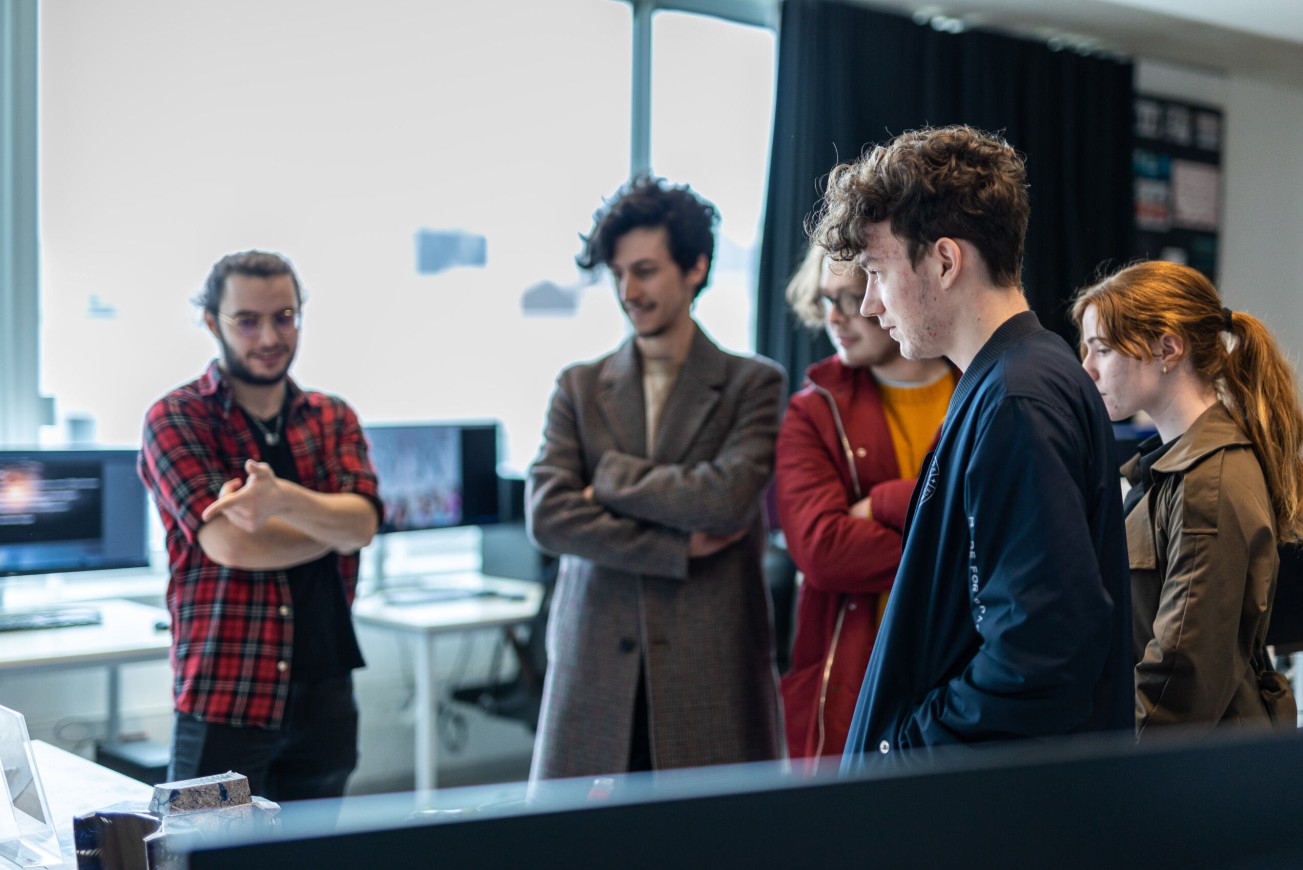
As a team leader, the vfx supervisor must also be attentive to the needs of his or her colleagues, and be able to inspire and motivate them, while at the same time getting involved himself or herself in the various projects he or she oversees.
Being a good vfx supervisor therefore also requires good managerial skills and the ability to adapt.
Finally, technical mastery of the tools and software used in 3D animation is essential, as is the ability to convey your artistic vision to both your own team and the rest of the film crew.
What tools and software does the vfx supervisor use?
These are numerous, and vary according to the productions and structures with which the vfx supervisor works. In any case, they need to be at ease with animation and 3D modelling software (Maya, 3ds Max Houdini, Blender, ZBrush), as well as all the tools needed for more specific tasks such as texturing, shading, lighting, etc.
Because of their supervisory role, they also need to master project management tools such as Trello, Miro and Notion, as well as dedicated discussion tools such as Discord or Slack, to be able to manage their teams effectively and monitor projects rigorously.

Which baccalaureate should you choose?
Becoming a vfx supervisor may seem complicated, but you should know that there is no one ideal route to this job, but many different ones.
If 3D animation is already your passion, and you’re comfortable with the artistic side of things, an ST2A (Sciences et Technologies du Design et des Arts Appliqués) baccalauréat is the obvious route to the best courses. But if you’re more interested in the technical aspects of this profession, a baccalaureate focusing on digital technologies could also help you achieve your goal. Whatever the case, keep in mind that the skills you’re looking for are technical knowledge, a genuine artistic sensibility, individual rigour and the ability to manage teams – and don’t be afraid to dream! Boris Kaufmann, a former ESMA student who has since become a renowned vfx supervisor for MPC, first studied Fine Arts before embarking on training in 3D animation. It’s an unusual path, but one that has paid off.
What training do you need to become a vfx supervisor?
To become a vfx supervisor, choosing advanced training in both technical and artistic aspects is, as we have mentioned, a prerequisite for reaching the level demanded by the film and animation industry. So enrolling in a school specialising in 3D animation is a good way to develop your mastery of the tools, familiarise yourself with the theoretical aspects of cinema, and finally put your learning into practice through work placements and practical projects.
Training at a specialist school also means being in direct contact with studios and professionals in the sector, and so building a network that will be decisive when you enter the job market. The 3D film and animation industry is a sector in the throes of change, and being able to enter this market effectively through connections and a reputation already established by the time you leave school is now essential if you are to land contracts.
How much does a vfx supervisor earn in 3d animation?
Salary at the start of your career
At the start of their career, junior vfx supervisors’ salaries will depend very much on the projects they are given. Depending on the size of the project and the structures with which they work, junior vfx supervisors earn between €35,000 and €45,000 gross per year.
Salary with experience
As their career develops, and depending on whether they choose to stay in France or try their luck internationally, vfx supervisors’ salaries can vary between €55,000 and €85,000 gross per year. Of course, salaries are higher for very large projects, but they also depend on the reputation and qualities of the seasoned vfx supervisor.
What are the career prospects in this profession?
There are many career prospects for vfx supervisors. From special effects director to executive producer in a post-production studio, via the possibility of setting up their own special effects or 3D animation studio. Today, experienced vfx supervisors are in great demand and, provided they are able to meet the needs of the market and put their expertise to good use, have good prospects for the future.
Which school should I choose to become a vfx supervisor?
Choosing a school that offers high-quality training in all the tools, techniques and skills needed to become a vfx supervisor is crucial to breaking into the industry. A school like ESMA, where cutting-edge training and contact with the studios are two essential elements of the programme, is therefore an entirely valid choice. A course that will enable you to familiarise yourself with the industry, while at the same time starting to develop your network.