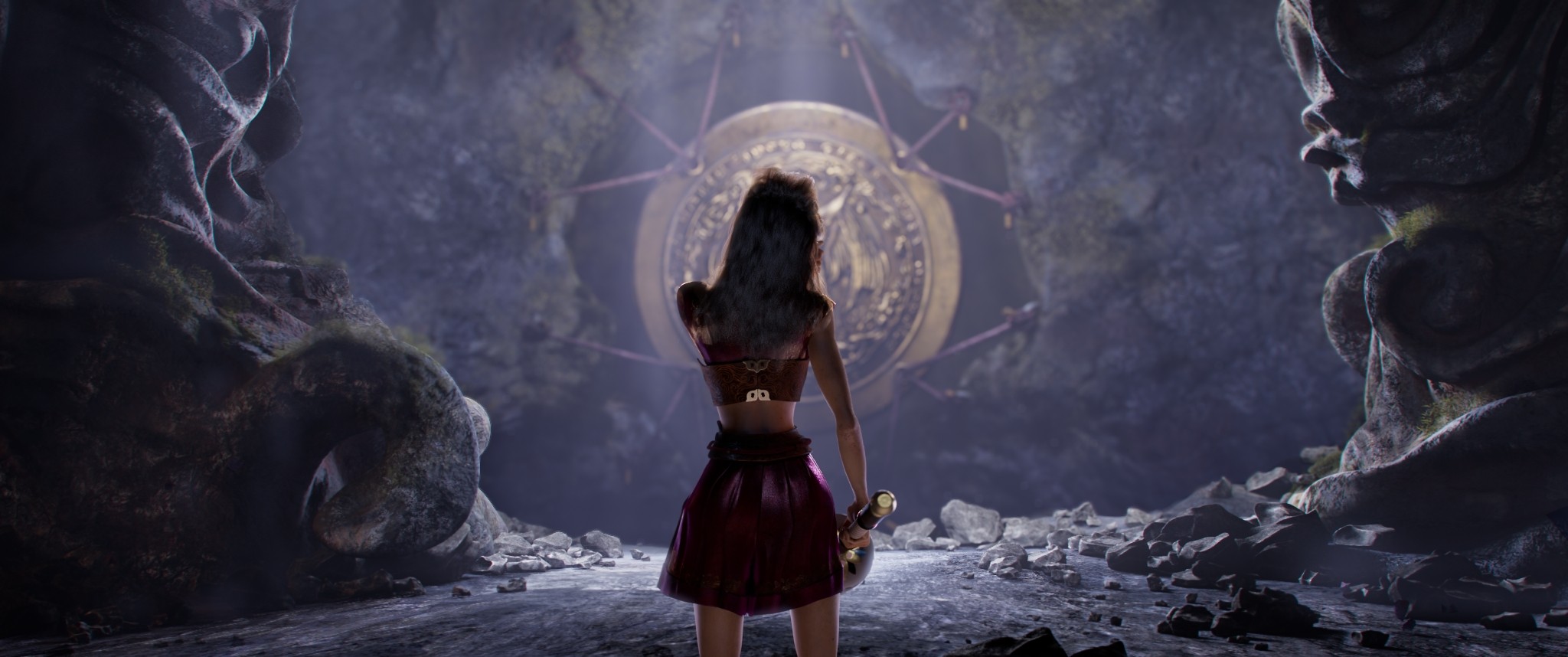
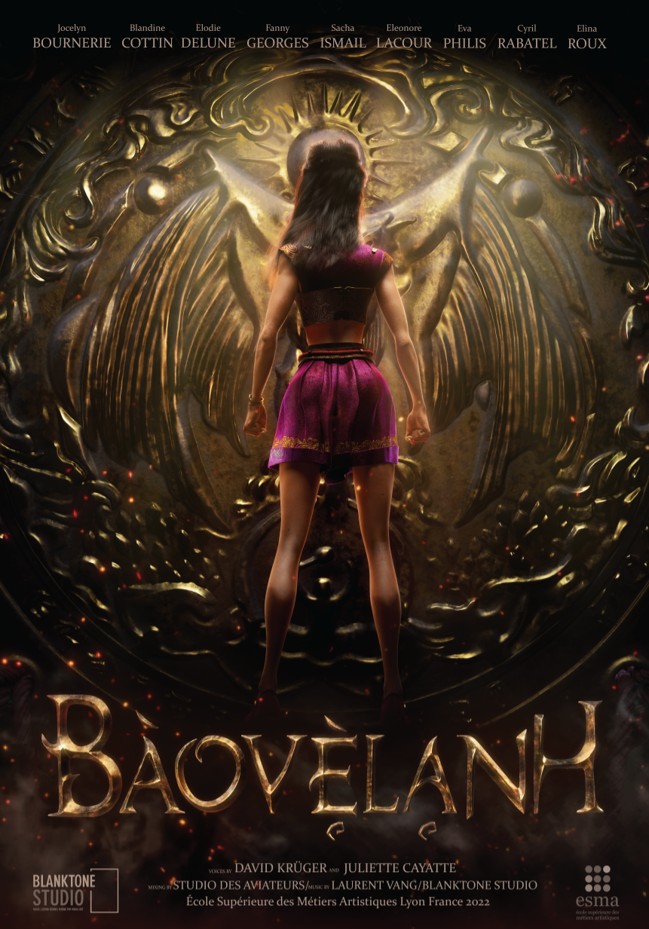
Directed by Jocelyn Bournerie, Sacha Ismail, Cyril Rabatel, Elodie Delune, Elina Roux, Eva Philis, Eléonore Lacour, Fanny Georges and Blandine Cottin, Baovelanh is a powerful short film, an epic and captivating fresco that takes off thanks to its high-quality visuals and a simple but impactful script. The film owes a great deal to its sophisticated lighting.
With Elodie Delune, co-director and lighting artist on the project, we look back at this particular aspect of the film, as well as the most striking sequences, which required a very high level of teamwork and impeccable technical mastery to overcome the challenges posed by these bold artistic choices.
First of all, what were your inspirations for this project?
This story was mainly born out of a desire to convey the emotions I’ve experienced, whether in my personal life or in the cinema. And to build around it a fantastic universe like that ofAvatar, Dragons or The Hobbit. The different Asian cultures also played a big part in the artistic direction of the film.
How did you allocate tasks within the project?
This was decided on the basis of the skills (animation, rigging, FX, modelling, compositing, layout, lighting, etc.) that we each wanted to showcase in our demo tapes.
As we all had generalist training, we were able to complement each other throughout the production by taking on other roles.
In your case, it was lighting in particular: what attracted you to this aspect of the film?
With lighting, you have the power to define the mood and intent of a scene just by changing the lighting angle or the colours. There’s something very satisfying about being able to highlight assets and direct the viewer’s gaze within the film, thanks to these techniques and artistic choices.
In practical terms, this translates into a fairly contrasting cinematic approach in the first part, in the style of realistic cinematics in video games like League of Legends.
The second part is more mystical, inspired by the night scenes inAvatar. Finally, we wanted a softer tone for the final third of the film and its resolution, similar to the ‘Romantic Flight’ scene in the first instalment of the Dragons saga.
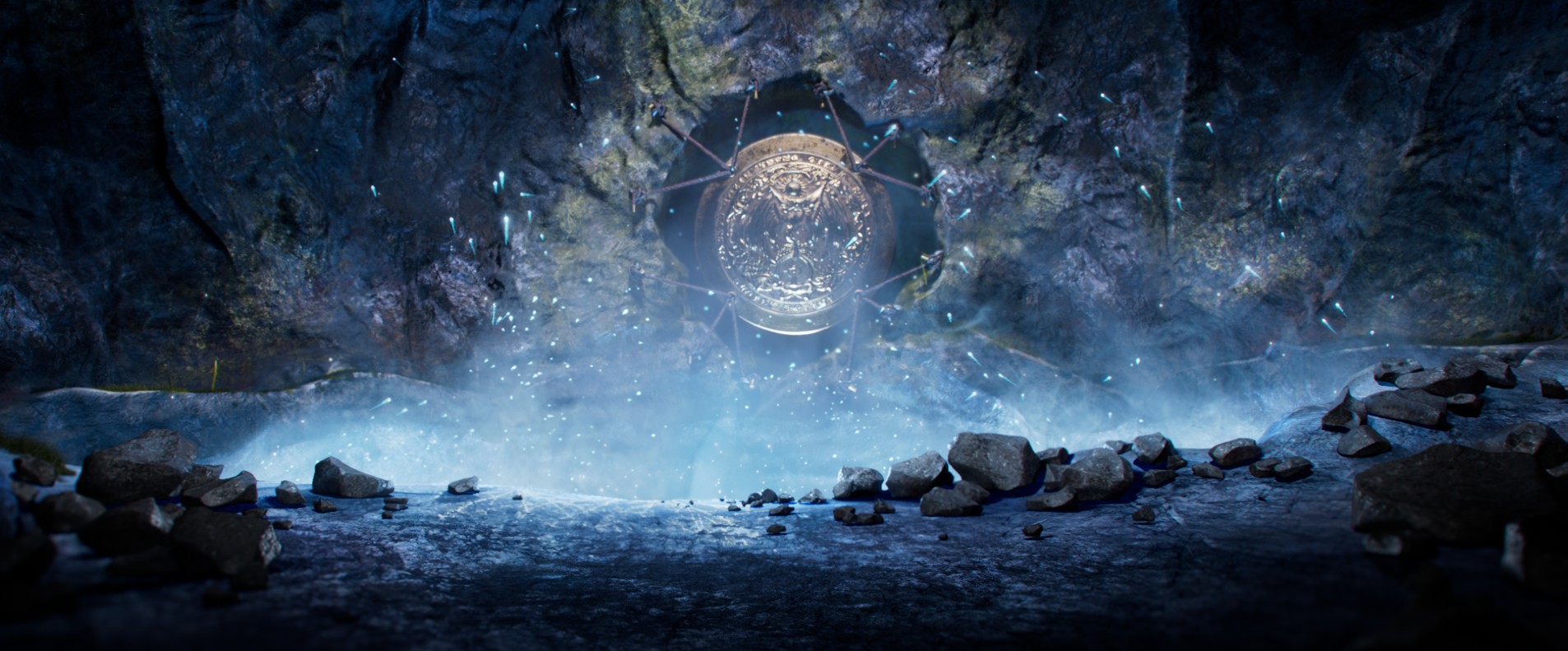
On the technical side, I mainly worked with Autodesk Maya coupled with the Renderman rendering engine for the lighting.
What element or sequence did you and your team find most difficult during this production?
The shots involving the volcano were particularly difficult. Firstly, in terms of framing and modelling to give it an effect of grandeur, but above all in terms of FX and compositing with the simultaneous management of lava and ice.
To meet these multiple challenges, the first decision was to use mainly procedural techniques with Substance Painter and Houdini to create the rest of the island quickly, as it is seen either from a distance or with motion blur and hidden by a smoke screen.
Instead of simulating two types of FX, we used the same lava simulation with two different shaders and then composited the transition using a mask.
The deep compositing technique was a real advantage in terms of understanding how to superimpose all the effects.
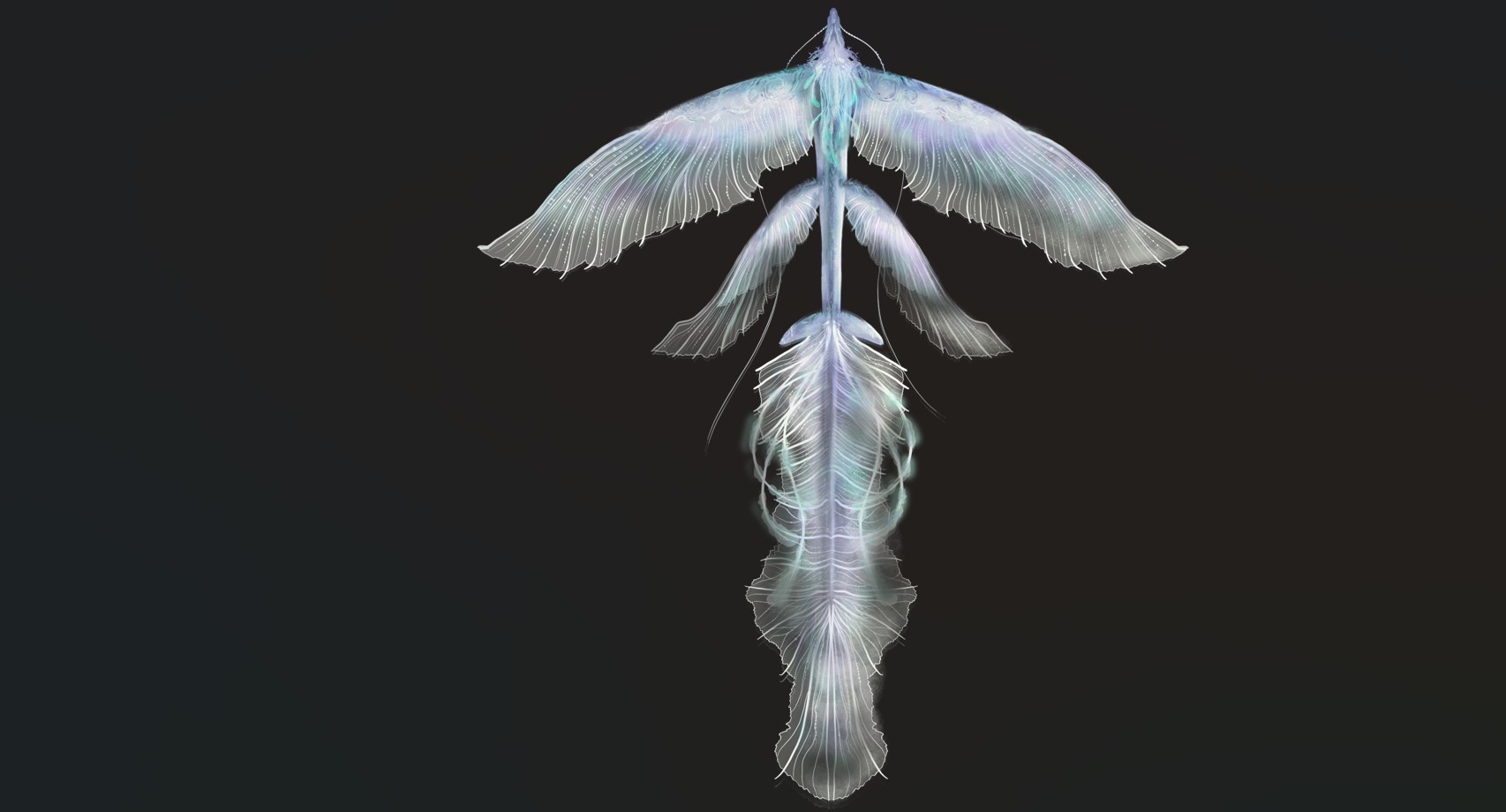
Blandine also created an automation system to give the Baovelanh dragon a wave movement, which allowed Eléonore and Fanny to concentrate on the rest of the animation, which was particularly challenging. We’d mainly been asked to animate humans, but now we had to animate a dragon!
And finally, we were cunning. Like choosing to stretch the volcano to adapt it to the focal length, which tended to crush it, or managing to always show the same side of the volcano and hide the interior with smoke. We were ambitious for sure, but we were still able to keep these shots in the film despite the lack of time and these many challenges.
Any other technical tips that helped you in the course of your work?
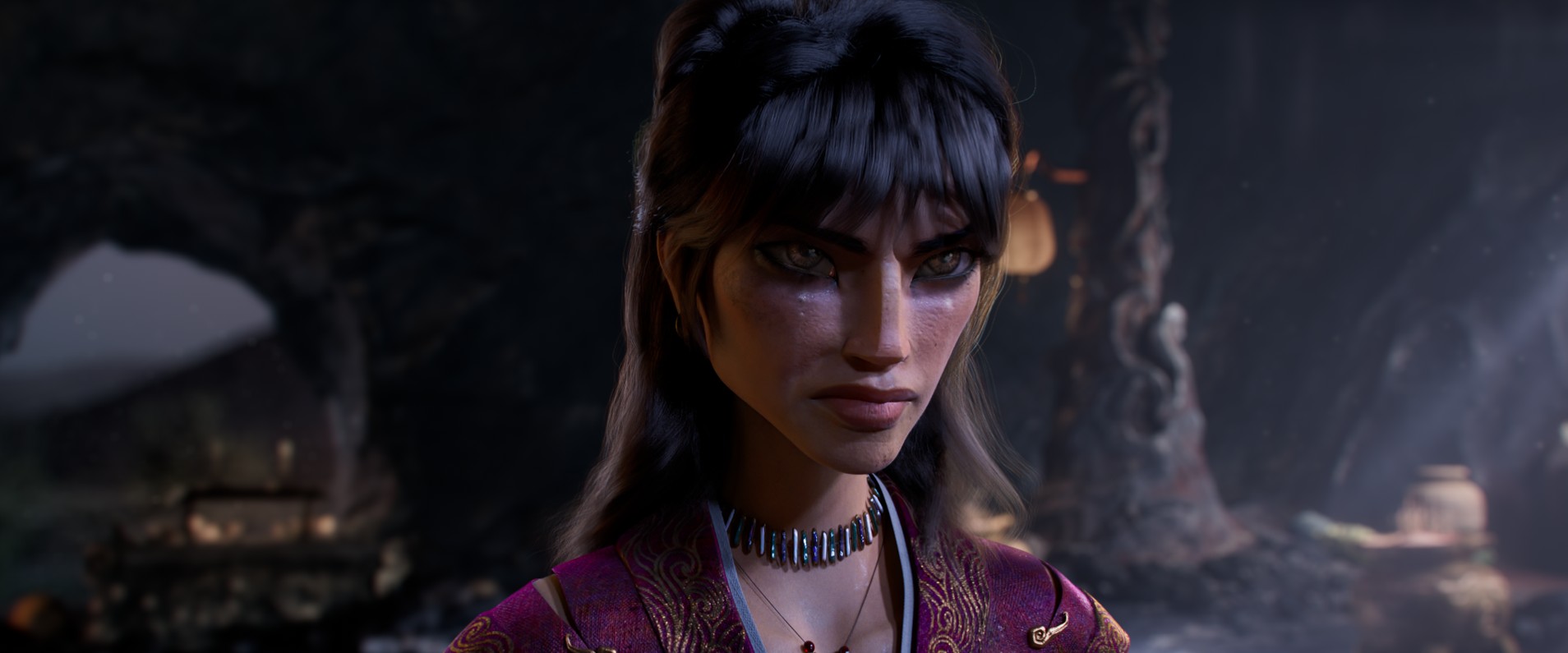
Our first real challenge was to manage the simulations of Anya’s hair and Baovelanh’s wings and moustache, two elements involving a lot of fast movement. After several tests on Maya, we decided to use Houdini to simulate and create the cache before importing them back into Maya.
For the clothes, we mainly relied on Maya’s nCloth tool, although we sometimes had to use AnimTool to adjust certain simulations.
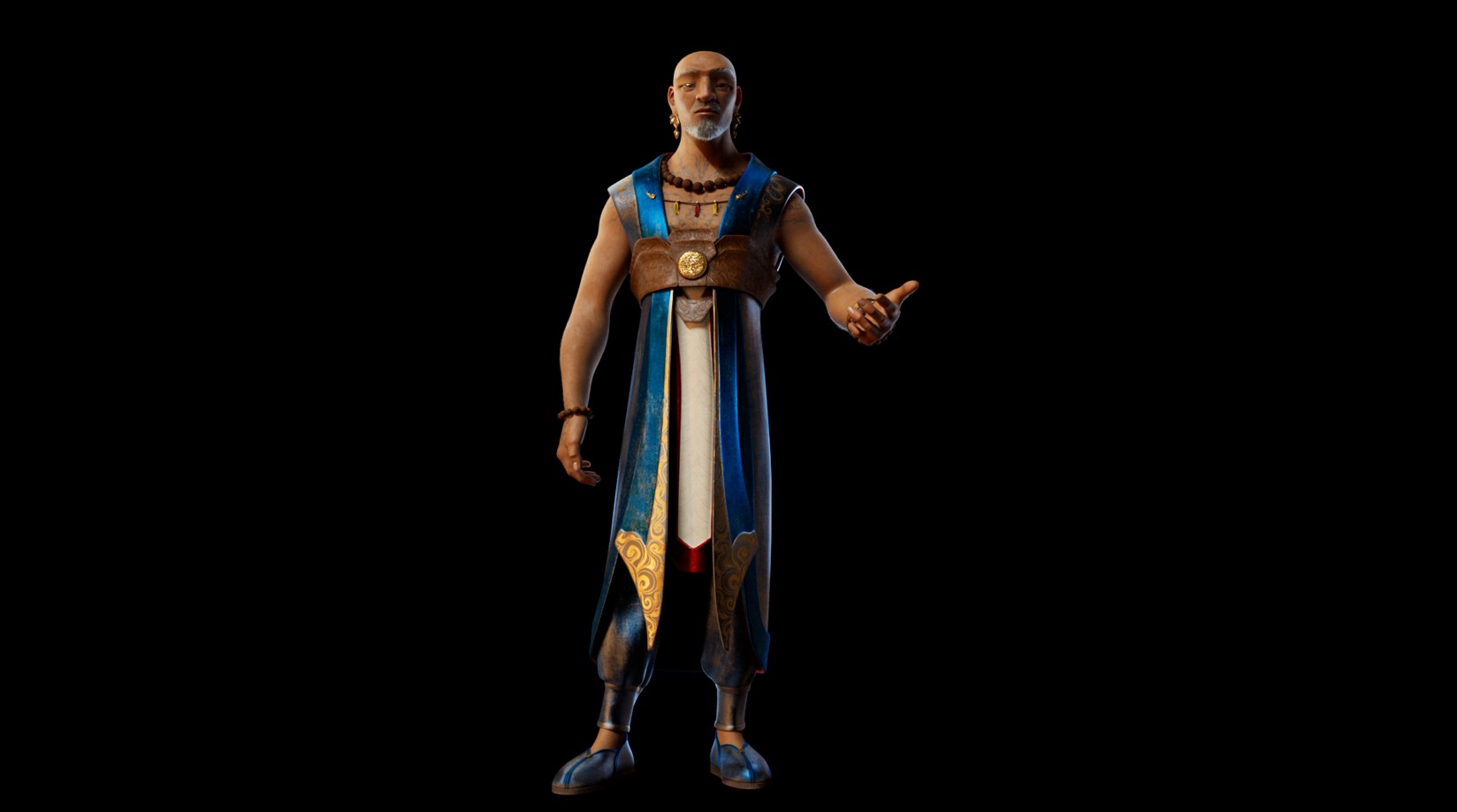
To lighten Cyril’s workload on FX, we decided to create our stockshots and place them in compositing where possible.
Finally, in order to reduce render times (which are very important because of our realistic textures), we first of all baked the environment textures so that Renderman didn’t have to calculate the entire tree of nodes each time. Then we used Houdini’s frustum to cut out all the geometry outside the camera’s field of view. Finally, for still shots without too much parallax, we rendered a single frame wider than the background, and then projected it behind the character in Nuke.
What have you learnt from this experience of collective creation?
To communicate well, to get over our shyness and say things. But as far as I’m concerned, above all to trust myself and others. This experience was what I needed to feel ready and legitimate to enter the industry.
Looking back, what I remember most is not so much the end product as the experience that goes with it.
I think we did a good job of maintaining the balance between wanting to do our best, without putting too much pressure on ourselves to achieve absolute perfection, at the risk of damaging the group’s atmosphere.
Today, we still have good contacts, and I find that invaluable.
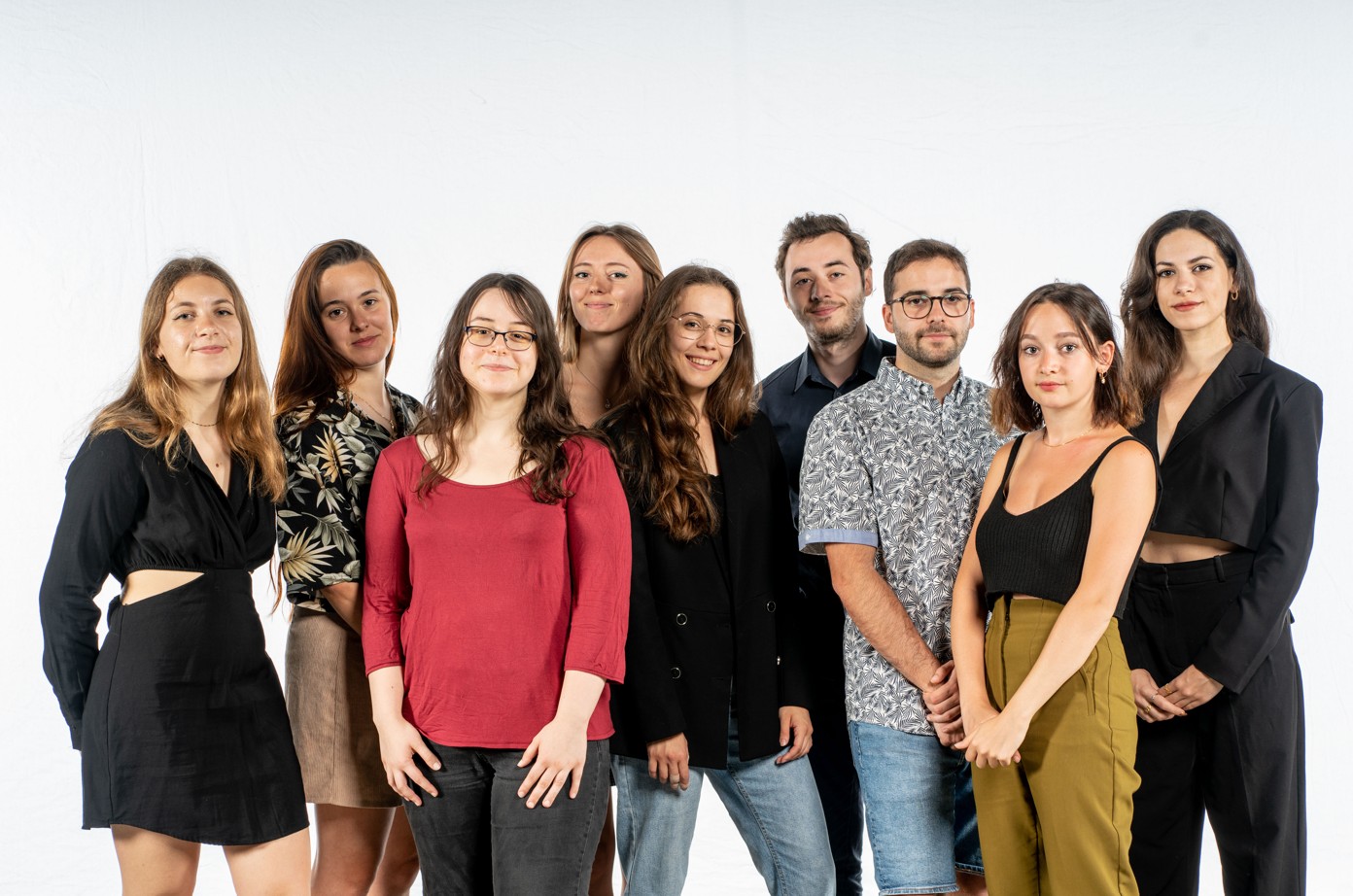
Discover Baovelanh, ESMA’s 2022 graduation film, now available in full: