
A multi-project studio, rooted in the real world
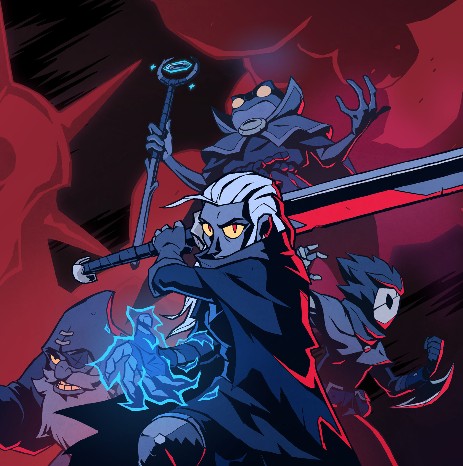
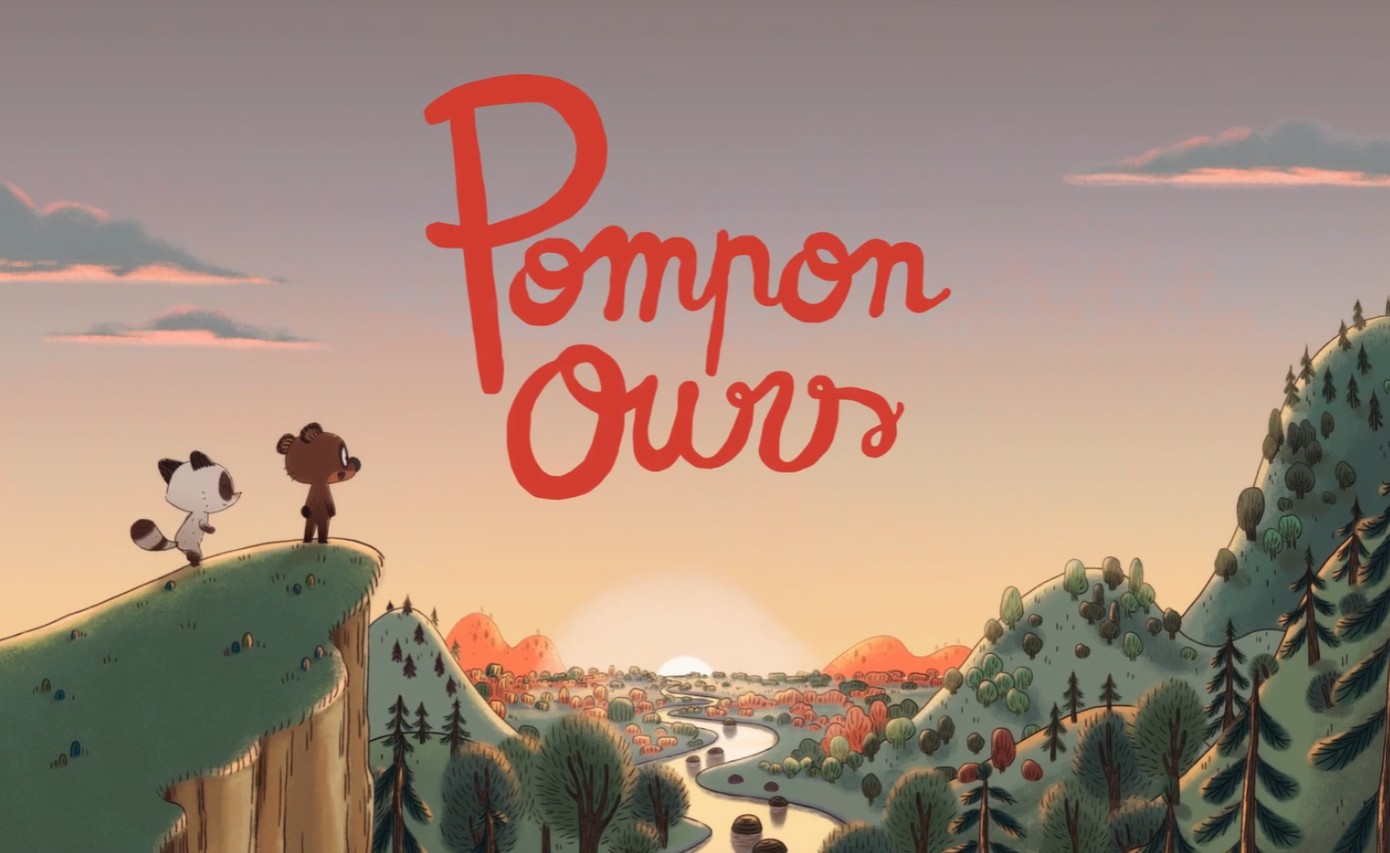
On a day-to-day basis, Supamonks works on a wide range of formats. In Montpellier, the team is working on the feature film La Fille dans les nuages, the series Tuff Pomme for Mediawan, season 3 of Pompom Ours, as well as video game projects such as Absolum – for which they were responsible for all the art direction – and Merge Mansion. Over in Paris, a game supported by the Île-de-France region is in development, but is confidential.
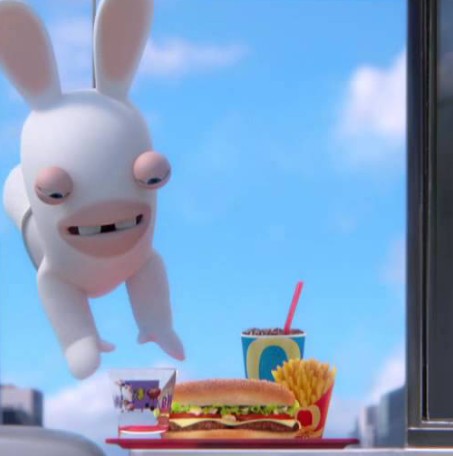
The studio also continues to produce for brands such as Quick, a long-standing client for 12 years: “We’ve just delivered our 118th advert,” says Pierre. A figure that says a lot about the stability and regularity of the studio, despite the ups and downs.
At the same time, Supamonks is developing versions of its Les Métiers series, originally produced for France Télévisions, with adaptations planned for sectors such as construction, energy and the hotel industry.
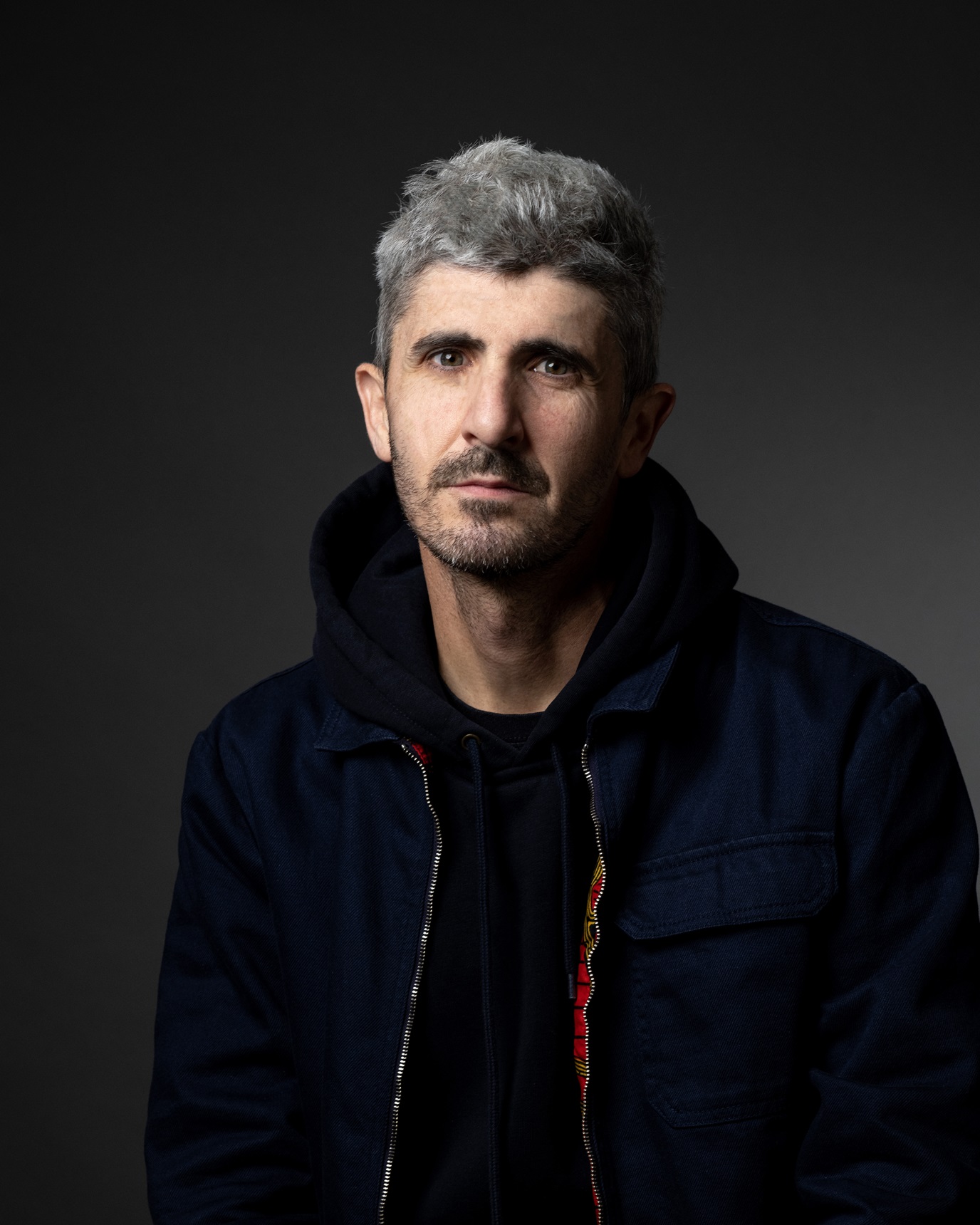
Above all, they are organising their 21st Super Résidence, a programme dedicated to young designers: “We provide the equipment, the licences, the premises… but above all the time. And these days, time is the hardest thing to find.
The human link above all
When asked which project has made the biggest impression on him, Pierre doesn’t mention a film, a game or a campaign. Instead, he shares a simple story: that of a graphic designer at the studio who wanted to propose in the right conditions. Supamonks gave him a helping hand.
“It wasn’t a particularly easy time for us, but it was important to him. We thought it was normal to accompany him. He was able to give the ring of his dreams to his future wife”.
For him, these are the moments that give meaning to his work. The studio also helps its employees to find accommodation or a crèche, adapts working hours if necessary, and supports in-house ecological initiatives. It’s not a sophisticated CSR plan, but a constant commitment on the ground.
A more demanding environment
The economic context, for its part, has hardened. Pierre speaks of a year 2023 marked by a brutal break. After a period of strong post-COVID demand, some projects have come to a screeching halt. A number of major companies in the sector have recently closed down, including Technicolor and Cyber Group Studios, with knock-on effects for the entire ecosystem.
“We hired, invested and organised our flows thinking that demand would last. And then everything, or almost everything, came to a halt.
Against this backdrop, young graduates are finding it hard to break in. “There are too many of them for the volume of production. And the seniors are undercutting their prices to stay in the race. Juniors are blocked from entering.
His aim is not to paint a gloomy picture, but to encourage us to face the facts: the dynamics of recruitment, funding and valuing work are changing fast, and not always in favour of the youngest employees.
Integrating AI without turning it into a totem pole
On the question of artificial intelligence, Pierre is clear: it’s already part of everyday life. “We use it to generate sets, automate administrative tasks and test ideas. In his view, pre-production jobs such as concept art are the most exposed.
But he is neither a catastrophist nor an excessive technophile. He sees AI as yet another tool, provided it is intelligently integrated, and above all, not reduced to a mere tool. The real challenge, in his view, is to remain capable of offering something unique, both humanly and artistically.
The skills that make the difference
For him, a good profile today is not just about a grade or a diploma. “What I look at are personal projects. The things you do outside school. And then, of course, the people you meet. Desire, curiosity and humility.
He also insists on adaptability: knowing how to work in different formats, understanding customer expectations and seeking out references outside the animation field. “What we do today will no longer be what we do tomorrow. You have to accept that and prepare for it.
Rethinking training to keep pace
Pierre advocates a more agile approach to training. In his view, a good course involves three years at school, followed by two years in the studio, with real immersion. He stresses the importance of integrating AI into curricula, not to train passive operators, but to ensure that they don’t leave school already out of step.
It’s not a question of reducing the ambition of training courses, but of making them more connected to the reality of the market.
An industry in transformation
Pierre has observed a gradual polarisation of the market. “We’re seeing two main categories emerge: top-of-the-range productions, driven by experienced teams, and simpler, faster content, often assisted by AI. The gap between the two is narrowing.
For studios, this means making choices: staying with complex, differentiating projects, or adapting to a demand for content that is faster, more accessible, but also more standardised.
French know-how in question
French artists are renowned abroad, but that’s not enough. “We find it hard to export. We have talent, but not always the business culture that goes with it. And our costs are still high. Schemes such as the international tax credit help to compensate for this gap, but the competition is not slowing down.
A direction, even without certainty
When asked where he sees himself in five years’ time, he remains sober. “We’ll see. Everything will depend on projects, funding and our ability to move quickly. Nothing is set in stone.
It’s this ability to adapt, to question one’s habits without losing one’s bearings, that she finds most valuable. “You can’t wait to have all the answers before moving forward”.
Conclusion – Working seriously, without taking yourself too seriously
Pierre doesn’t try to give lessons. He proposes a way of doing things that is rigorous but unpretentious. What he defends is a posture: being solid without being rigid, remaining human without losing standards, continuing to learn, to test, to doubt too, when necessary.
For students looking for their place, he advises them to go beyond what is expected at school. Cultivate their references (graphic, literary, etc.), do projects outside the framework, learn to do things alone and then as part of a team. And, above all, to have a plan B.
Not because the future is closed. But because it is open, and to explore it, you need several possible paths.