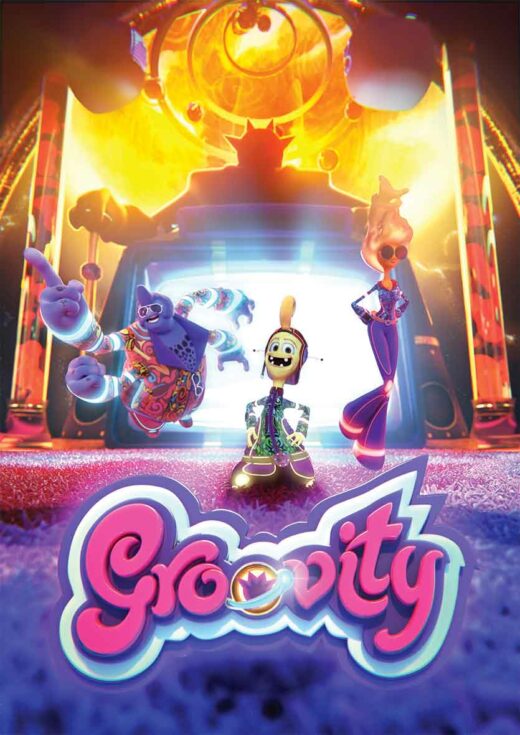
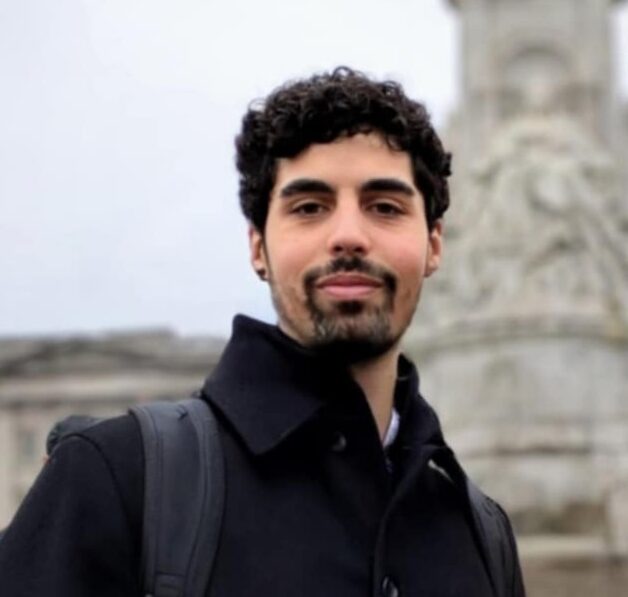
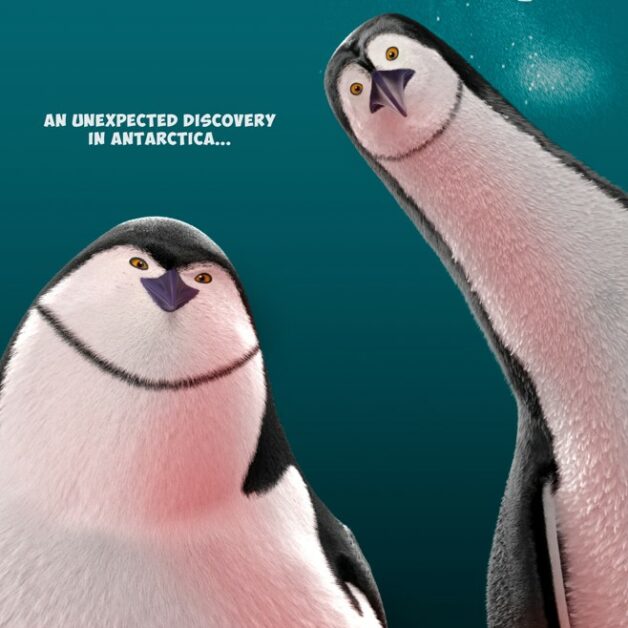
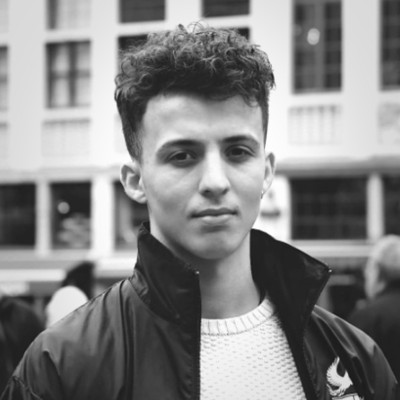
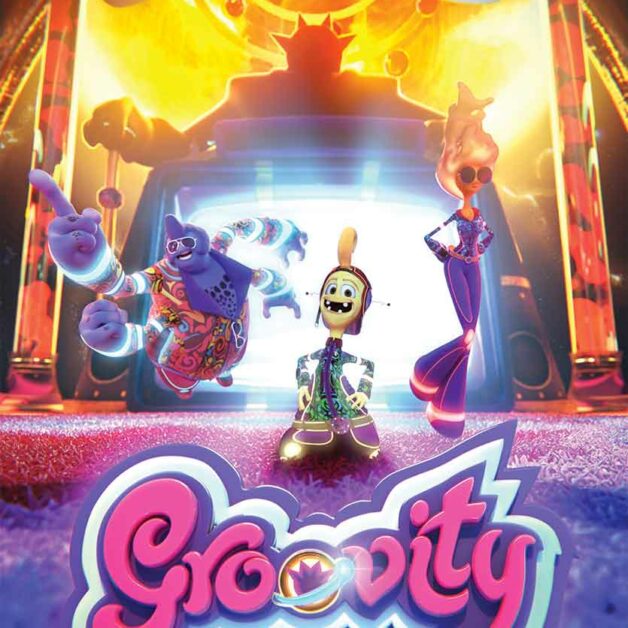
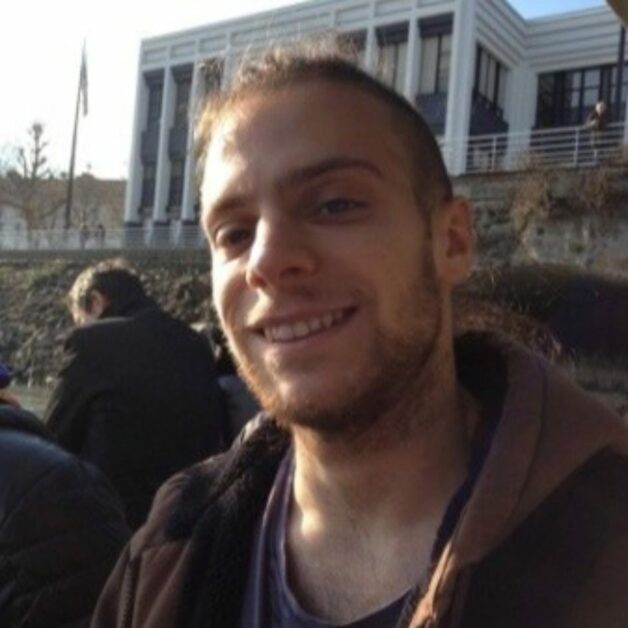
It was at ICON studios in Vancouver that he did his first work placement, on the animated series Supernatural Academy. It was a three-month exposure to the professional world that gave him a taste for expatriation (and perhaps, maple syrup?).
After his graduation short Instinct, he headed west again to join Image Engine Studios. In August 2024, he joined Walt Disney Animation Studios, a company he has not left since.
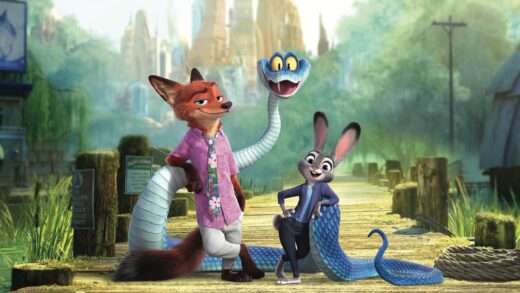
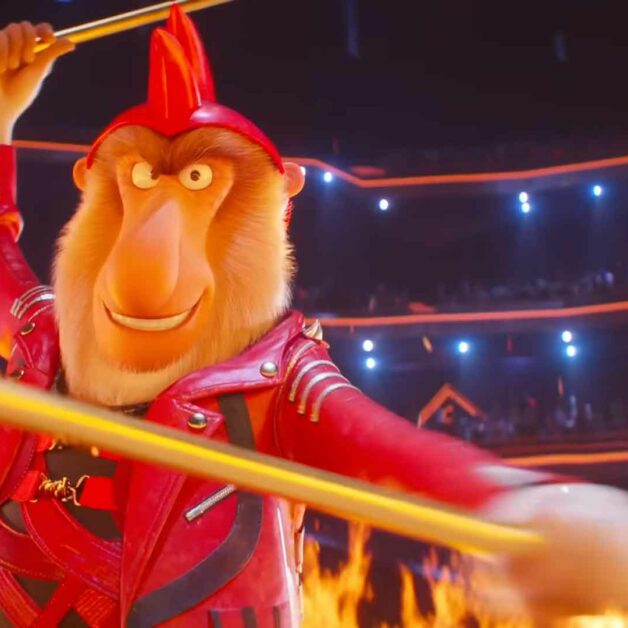
With Zootopie 2 (on which he worked as CFX Artist) breaking all records at the end of the year, we spoke to Enzo about his career and why he chose to study at ESMA.
What made you choose this school and this sector?
Thanks to my parents, I grew up watching a lot of animated films: the great classics from Disney, Warner Bros and Pixar, or more local productions like Kirikou or Azur & Asmar by Michel Ocelot.
I think these feature films had a very, very big influence on me. Ever since I was little, I’ve loved drawing with my cousin, doing graffiti for my friends, watching films, playing on the computer…
I was lucky enough to have two great people in my entourage: Jonathan Bacheter (Lead/Senior Modeler) and Martial André (ESMA alumnus, now an animation supervisor at Fortiche). They introduced me to the world of animation. I was fascinated by their work, their successes, their self-fulfilment… I wanted to do the same! So they guided me to ESMA, a school that trained artists who, once they graduated, went on to work all over the world. And that’s how I joined ESMA in 2017.
This course has given me an enormous amount, both technically and artistically. It enabled me to develop my creativity and sensitivity, as well as a real rigour in my work. The school trains us extremely well in the 3D creation process, from A to Z, with a methodology and tools that are very similar to those used in the professional world.
Looking back, what did you remember most about your time at school?
What impressed me the most was the way my fellow students helped each other. These are not simple studies: they require total commitment, a lot of energy and perseverance. But it’s all driven by a shared passion, and that’s what makes it such a powerful experience. I was lucky to have teachers who were always there to pull me up, and friends with whom I shared moments of doubt as well as success.
It’s largely thanks to them that I’m where I am today. This solidarity and collective passion has left its mark on me and is still with me today!
Is what you do today what you imagined as a student?
Honestly? It’s even better than I imagined.
If someone had told me a few years ago about the projects I’d have the chance to work on and the incredible artists I’d meet, I’d never have believed it for a second.
Could you tell us about your position at Walt Disney Animation Studios?
I’m a CFX Artist! My job is to combine rig and simulation to animate certain elements such as the characters’ clothes and hair. I take care of the secondary animation, using physical simulation and sculpting tools to add drag and overlap to the characters’ clothes, hair and skin/grease, as well as their accessories and jewellery.
I make sure that all aspects of the characters are physically believable to give them life and character!
Currently working on Disney Animation’s next feature film, Hexed.
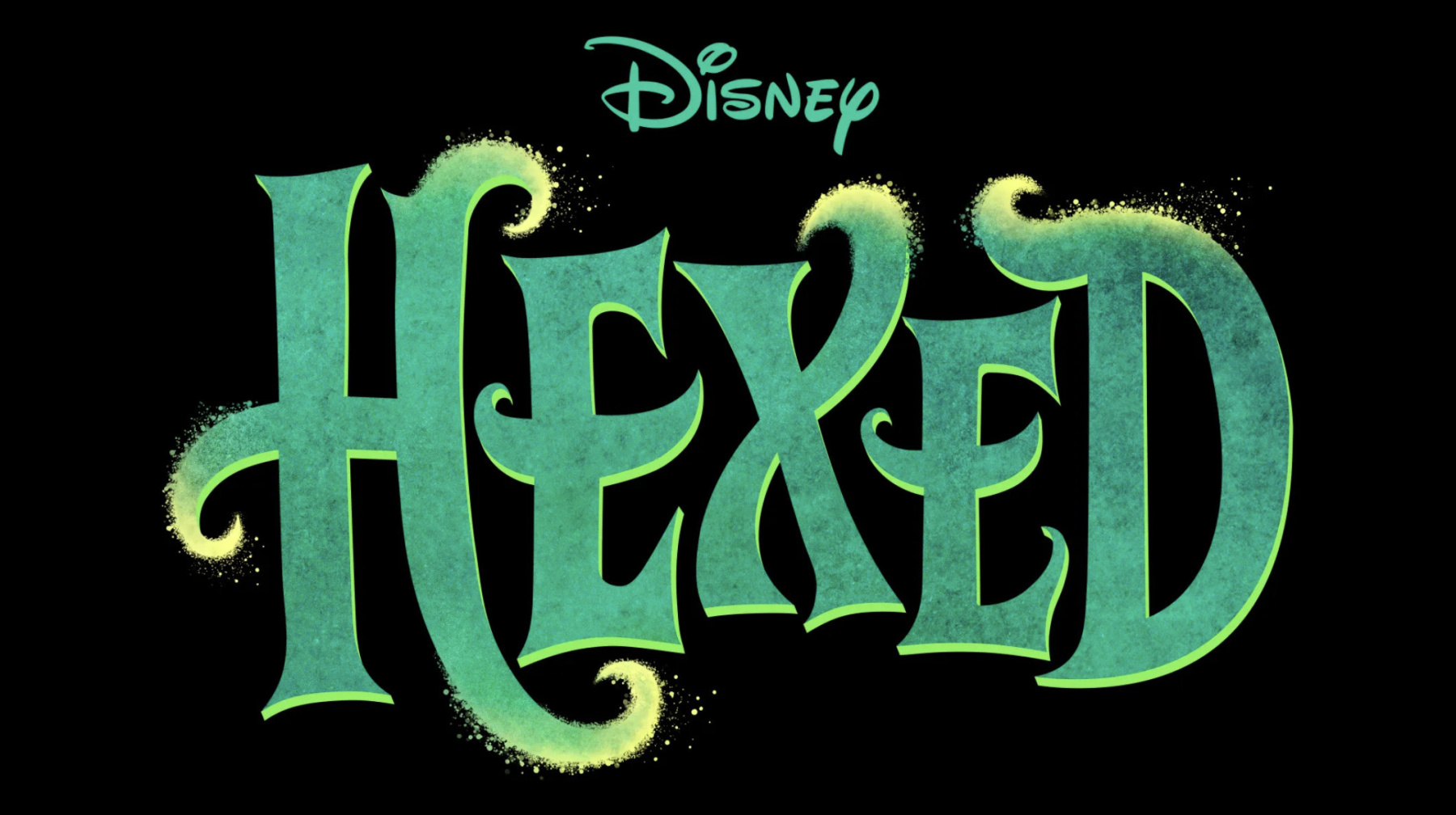
This is an original new film that follows a teenager and his mother. They discover that what makes him “different” might actually be magical powers capable of turning their lives upside down. The project is directed by Josie Trinidad and Jason Hand, and is scheduled for release in November 2026.
What is your proudest project to date?
The answer is very simple: it’s Zootopie 2! I’m proud of it for so many reasons.
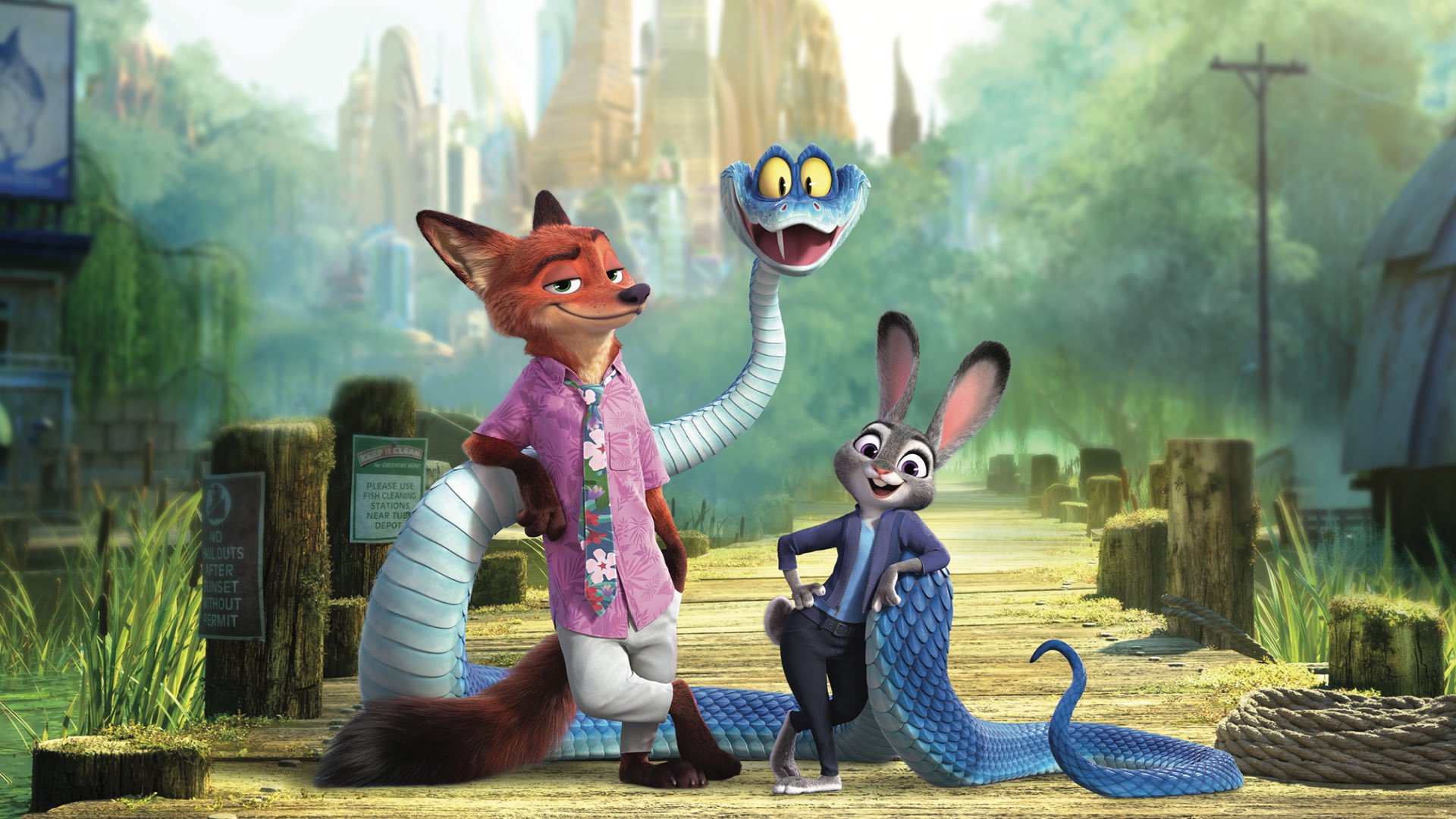
It was an enormous amount of work, with very high quality standards and a fairly tight schedule. But this project represents a real pillar in my career.
Not only because this is my first big screen project, but also because working for Disney, alongside some of the most talented artists on the planet, is a privilege. For example, I had the great honour of working with Alex Kupershmidt, known for his animation work on films such as The Little Mermaid (1989), Aladdin (1993) and Lilo & Stitch (2002).
Despite the success of Zootopie, animation has been (and still is) going through a difficult period. How do you see the current state of the sector?
The last two or three years have been quite complicated, a difficult period.
I myself was affected by the scriptwriters’ strike: after a year and a half, I lost my first job at Image Engine.
But for the last few months, I’ve been rather optimistic. A lot of studios are starting to have projects again, recruiting again and reopening their doors! So my feeling today is clearly positive.
As an artist at Walt Disney Animation Studios, I don’t really feel any change. In the end, our aim remains the same: to deliver the best film possible and convey the maximum amount of emotion!
Do you see these upheavals as a simple cycle or a more structural transformation of the sector?
I think it’s a mixture of both. Like any industry, animation goes through economic changes, priorities, strikes…
But at the same time, there are also more structural changes, linked to new technologies, audience expectations and production models.
For me, it’s simply a period of adaptation and not necessarily a break-up. As I said before, I’m pretty optimistic!
What do you think makes a good professional in this sector today?
I think that a good professional is first and foremost someone who understands his or her role in the production. But beyond technical skills, knowing how to collaborate, being a good listener, being reliable and knowing how to receive and apply notes from supervisors is essential.
Getting involved in the studio culture is also essential. Ask questions, communicate with your superiors and colleagues, be present at events organised by the company… Be respectful, interested, motivated, and if you put all that together, you have an excellent chance that the studio where you work will do everything to keep you there!
What about managerial skills?
I talked a bit about this in the previous question, but these skills are really very important. Communication, humility, adaptability/organisation and critical thinking are, for me, the pillars. You also need to be able to identify and anticipate needs, and communicate clearly. All this comes with experience, but I find that ESMA already gives us a taste of it, particularly during the exercise of making the short film at the end of our studies.
Do you think young graduates arrive sufficiently prepared?
I think so! We’re lucky enough to be trained with software and workflows that are very similar to those used in production. Each studio has its own way of working, so knowing how to adapt is extremely important.
To be honest, I even find that some professionals who have been in the industry for a while are often impressed by the level of some young graduates!
How do you view the changing relationship between schools and studios?
I have the impression that there are more exchanges: the programmes are adapted to the way the studios work, and there are a lot of masterclasses, interviews, and so on.
As far as the studios are concerned, I remember that Disney had us sign Vaiana 2 posters specially to send to the school. Companies also keep a very close eye on new graduates.
Let’s take a look at your tools and the way you work. Has this been impacted by new technologies?
To be honest, nothing has changed in the way I work. What I enjoy is the collaboration with the other artists, and all the new artistic and technical challenges that each new production brings. At Walt Disney Animation Studios, the films are made by the artists using the tools at our disposal. In my day-to-day work, my artistic process hasn’t changed. We continue to work in the same way, with the aim of honouring Walt Disney’s enormous legacy.
I see technological development as a tool that helps us to express our artistic sense. I always start by understanding the emotional and narrative aspect of the sequence I’m assigned to, and I think about the best way to achieve my intentions.
Sometimes innovation helps us to push our objectives further, but not relying solely on this aspect allows us to stay closer to our artistic intentions.
Let’s look to the future now. What do you see as the major medium- or long-term trends in the sector?
I think that technologies and graphic styles will evolve and diversify. We’ll be looking more and more to a variety of influences. For my part, I hope we’ll continue to see projects with strong aesthetics, as well as sequels to the great classics!
Within this ecosystem, France is a pillar of animation production, and I’m certain that it still has a very bright future ahead of it.
Projects like Arcane, or more recently the film Arco, continue to put France on the international map.
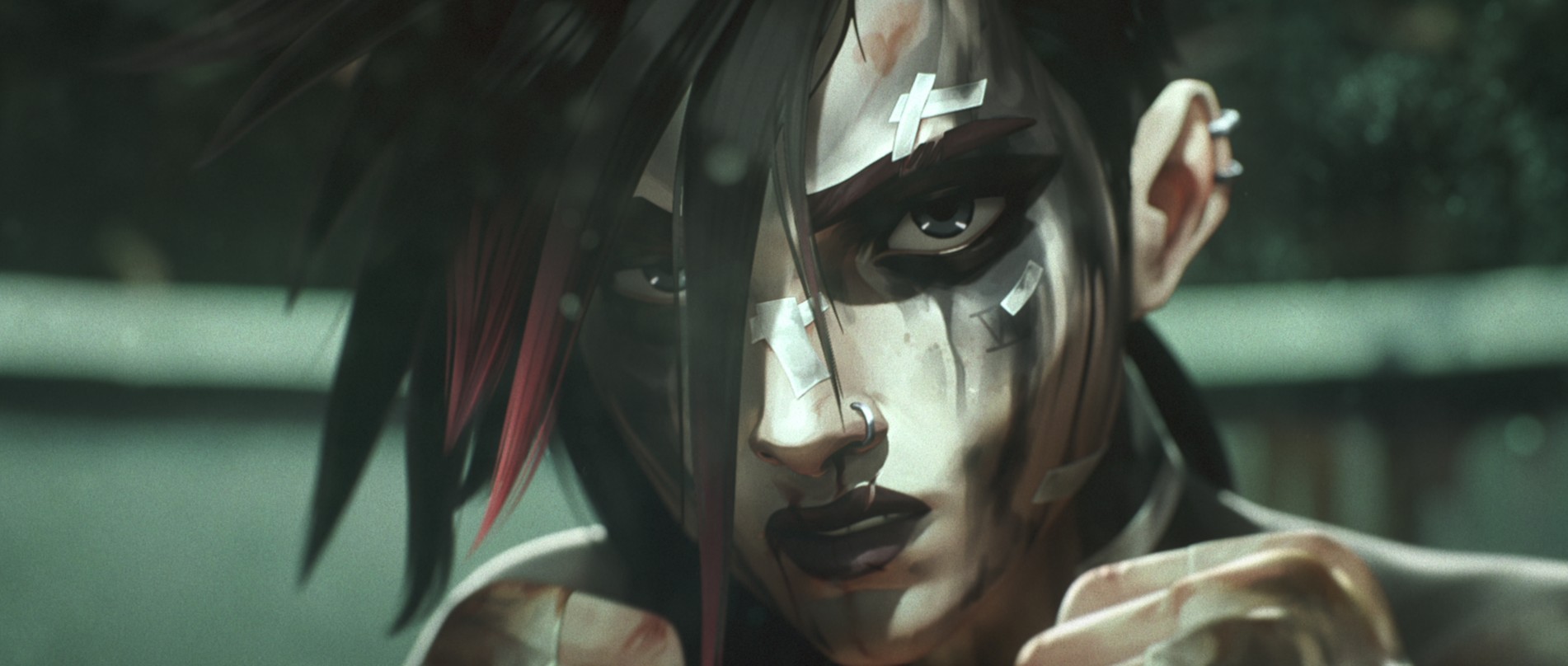
French animation stands out for its strong artistic choices and unique sensibility. Even abroad, French expertise is in great demand, and many French people hold senior roles in a huge number of productions!
And where do you see yourself in 5 years’ time?
In five years’ time, I hope to still be working at Walt Disney Animation Studios in Vancouver and, why not, moving on to positions of greater responsibility.
I’ll never tire of the work environment and the colleagues I have here, as well as the nature and the city of Vancouver!
What advice would you give to students training today?
Be curious, passionate and open to feedback. That’s how you’ll progress. Support yourself, encourage yourself and invest all your energy in what you do! It’s also very important not to overlook job offers abroad. Dare to take the plunge into the unknown. Looking back, moving to Canada a month after I graduated was one of the best decisions of my life.
Take advantage of all the knowledge available around you. It’s also essential to make contacts in the industry and to ensure that your staff enjoy working with you!
And to the schools that accompany them?
You have to listen to the students and be there for them, both creatively and technically, but also on a personal level, discussing their motivations, doubts and goals. It’s very important to have staff trained in industry-standard technologies and software, who can support students in developing their creativity.
Anything else you’d like to share?
If you have any questions, don’t hesitate to contact me on my LinkedIn or elsewhere, I’ll be delighted to answer them! I also invite you to consult the “Filmmaking Process – Zootopia 2” tab to learn more about the different departments and their roles within the production. Finally, thank you to my family, thank you to ESMA, and maybe see you soon on a future production!