Lucie Martinetto graduated from ESMA Montpellier in 2016 with a Baccalauréat S in physics and chemistry, and began her career even before leaving the school, following a promising encounter at the Annecy Festival.
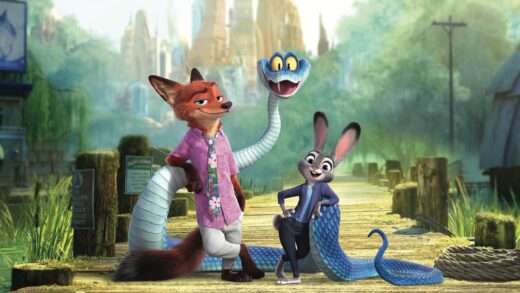
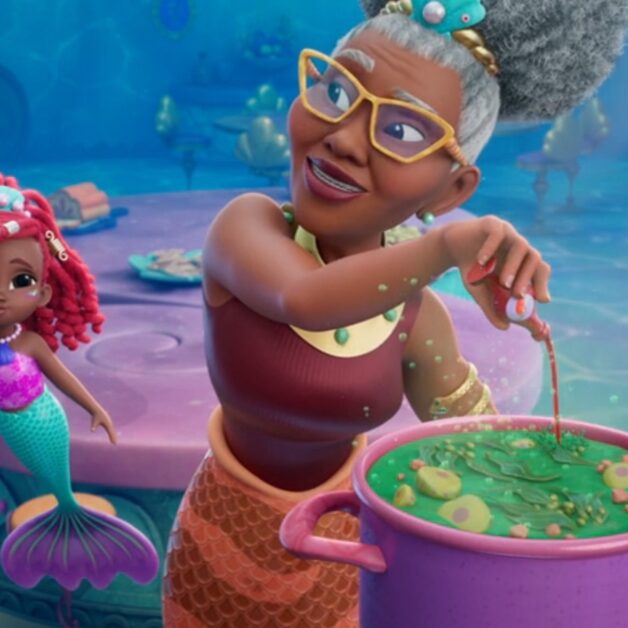
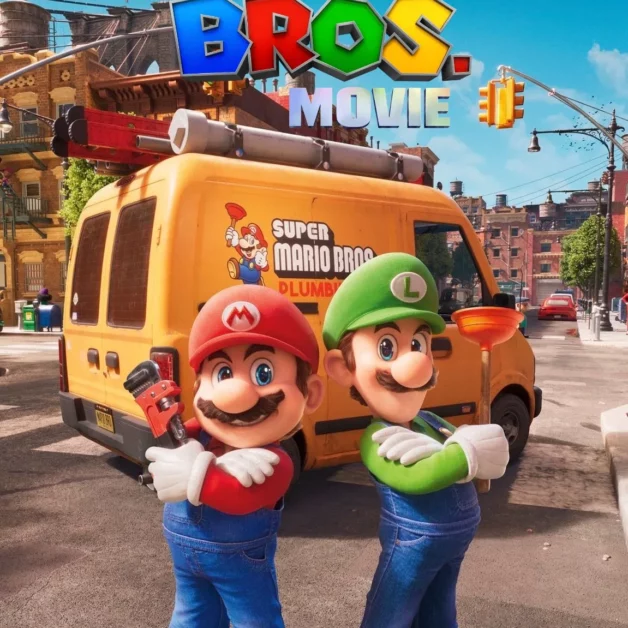
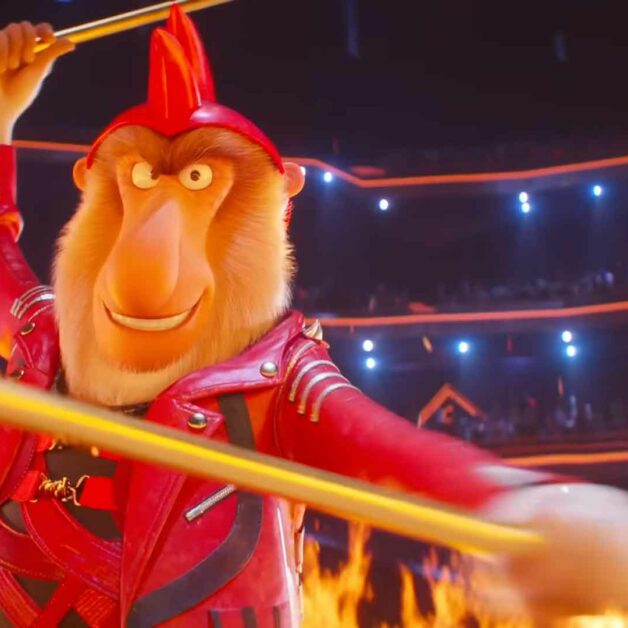
It was at this key event in the animation sector that she signed her first contract with London studio The Mill, before going on to work for Framestore (Fantastic Animals, Slumberland), Atelier d’Animation(Fireheart), Fortiche (Arcane Season 2) and now Ubisoft.
An impressive career, with a specialisation in rigging, which has taken the Montpellier native from London to Paris, via Montreal.
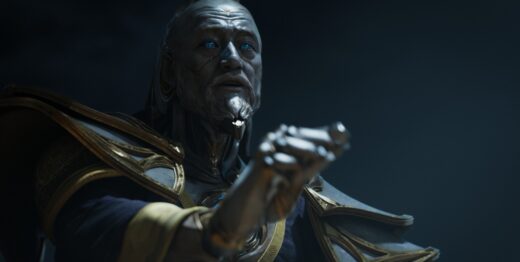
Now back in her home town at Ubisoft Studios, where she has worked on Star Wars: Outlaws, the latest Assassin’s Creed and Beyond Good and Evil 2, Lucie Martinetto has agreed to talk about her career and professional path.
ESMA is no stranger to this exercise, and is always as sympathetic and gracious as ever.

Can you describe your current position?
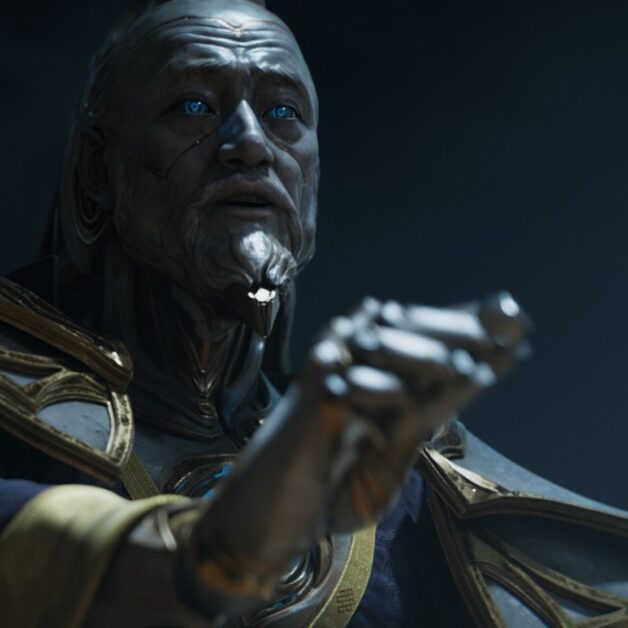
I’m currently a Senior Rigger in the Cinematic Department at Ubisoft Montpellier, where I’ve been working for nearly two years. My role focuses mainly on the facial rig of the characters used in the cinematics of our games(Assassin’s Creed, for example). My aim is to create credible, nuanced and technically advanced expressions that enhance the immersion and emotional impact of the scenes.

What is your proudest project to date?
One of the projects I’m most proud of is the one led by our R&D team: we’re developing next-generation facial rigs capable of reproducing a wide range of emotions with ever greater finesse and realism. These rigs are then deployed worldwide in all Ubisoft studios, giving them a major impact. It’s a real source of pride for me to contribute to a tool that serves the whole of the company’s international production.
How do you see the current state of the animation and video games sector, both in France and internationally?
The sector has undergone profound upheaval since the COVID-19 pandemic. Successive crises have left their mark: job opportunities have become scarcer both for experienced professionals and for young graduates arriving on a saturated market. This situation has persisted for five years now, suggesting a more profound transformation of the market. But I remain optimistic: our industry is resilient, passionate and will reinvent itself.
What do you think makes a good professional in today’s industry?
Technical profiles are still very much in demand, but you also need to be able to go beyond technical skills: curiosity, the ability to work as part of a team, stress management and communication skills are also essential.
On the management side, many leads are former artists who have been promoted, without necessarily having been trained in team management. They acquire their managerial skills on the job or through in-house training. This is perhaps one of the structural challenges facing our industry: to provide better support for the development of skills in these key positions.
As far as students are concerned, every year young graduates are more impressive technically. But they arrive on a saturated market, where experience is often valued. Faced with veterans, it’s sometimes difficult for them to stand out, even with an excellent portfolio. This can be discouraging, but it’s important to remember that passion, perseverance and curiosity pay off in the end.
How have technological developments changed the way you produce since the start of your career?
Our industry is young, and its evolution is closely linked to that of technology. At Ubisoft, we seek to embrace these innovations to stay at the cutting edge and offer ever more immersive experiences.
The way we produce is constantly changing, and adaptation is a fundamental skill. If you don’t adapt, you risk dropping out. AI, new engines, collaborative tools: all this is changing our workflows, and we need to be constantly learning, testing and adjusting.
In the medium term, the integration of generative AI tools into production pipelines is likely to transform our businesses, especially when it comes to repetitive tasks. This may free up time for creativity, but it will also require us to rethink our approaches and roles.
I also think that production will refocus on more targeted projects, with smaller but more agile teams.
Finally, the issue of well-being at work and the sustainability of careers will become central: our sector needs to structure itself to preserve its talent over the long term.
What role can French production play in this increasingly international market?
France remains a world leader in animation and video games. Our schools are among the best in the world, and French talent is highly prized abroad.
This is encouraging more and more students to consider an international career, whether to land their first job or to work on large-scale projects. This mobility can be a real asset, for artists and studios alike.
What advice would you give to students training today and to the schools that support them?
Choose your school carefully: there are more and more of them these days, but not all are equal. A name like ESMA, which has been established for several decades, is a safe bet and will give you real credibility when you enter the market.
Listen to the industry, stay curious, follow trends, learn how to learn. And above all: never hesitate to contact professionals, to ask for feedback on your work, or for advice on current opportunities.
Humility, curiosity and perseverance often make all the difference.