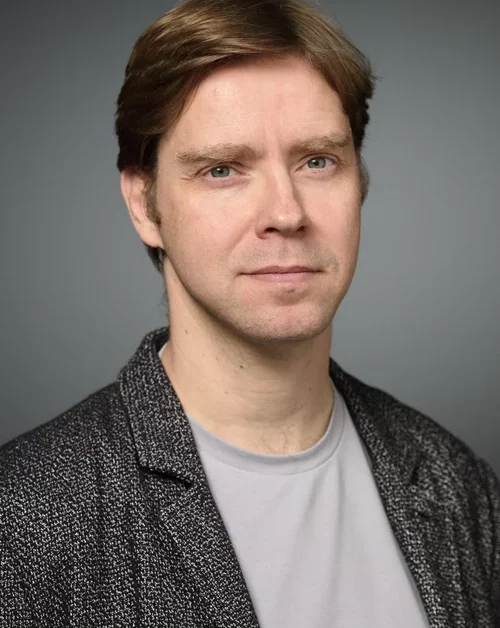
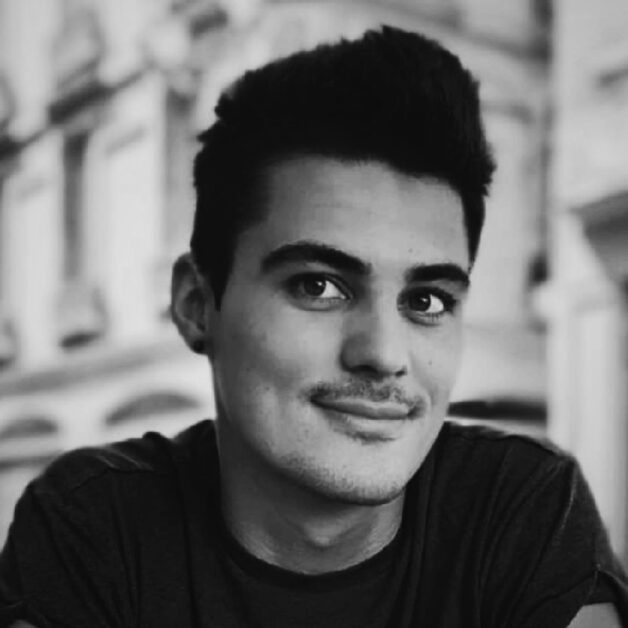
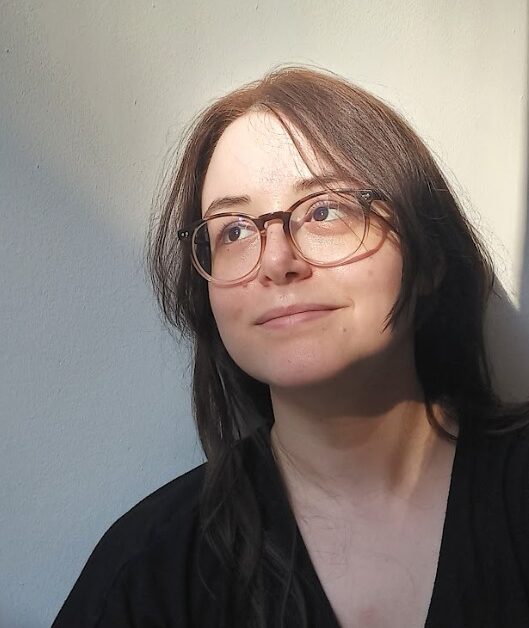
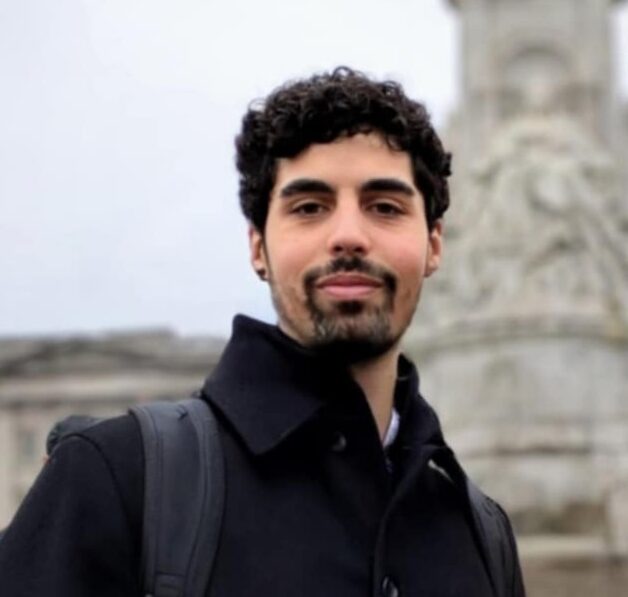
Since completing his studies at ESMA in 2020, Quentin Frehring has seen a lot of the world.
While the aspiring Game Designer began his career as a trainee at the Indonesian studios of the multinational Gameloft, it was in Roubaix, at Ankama, that he landed his first contract in 2021.
After a professional break and a rejuvenating ten-month road trip between Mexico and Peru, Quentin Frehring joined Playwing Studios in Bordeaux in October 2022, a position he still holds today.
Six years after graduating, it was high time to meet this experienced game designer and find out more about his unusual career path.
What made you choose this school and this sector?
After I passed my baccalauréat, I remember that it wasn’t entirely clear what I wanted to do. I’ve always loved learning, but what I learnt also had to resonate with me. It was only after a few changes of direction that I came across ESMA and the Auzeville campus near Toulouse. That’s when I realised that video games could be more than just a hobby, they could be my future profession.
Looking back, what did your training in video games and game designbring you?
Solid knowledge of game design, and of how to approach a problem in order to find appropriate solutions. But also, and this is essential, a clear understanding of the different components of a game, and of each of the professions behind them.
One aspect that I think is important to emphasise is the amount of work you have to do outside the classroom. I’d tried the medical entrance exam before, so I’d been there before, but the school requires investment and determination that shouldn’t be underestimated. Especially if you don’t have any artistic or technical background to begin with.
That’s of course possible, but I have to admit that I felt at a loss in all subjects at the start. I’d never thought of myself as a creative person, but more of a pragmatist. Thanks to this course, I was able to totally deconstruct the idea that it was absolutely necessary to be creative to design games.
In 2020, you did an international internship at Gameloft Studios in Indonesia. Can you tell us more about it?
Oh yes, Indonesia was quite an experience! A six-month internship, in a studio that had around 700 employees at the time. The main objectives were to adapt games released earlier on the Android/Apple stores for a local third-party market.
It wasn’t pure design in the sense of creation, but I learnt a lot at the time. We had to identify the essential elements, the game mechanics, in order to preserve them, while simplifying everything else because the executable had to reach a critical size. It was a very good exercise in rationalisation, and an excellent way of putting knowledge into practice when you leave school. I’d been away for six months, but I had to cut my internship short at the end of the third. It was March 2020, and Covid forced me to return.
Is what you do today what you imagined as a student?
Yes, surprisingly the vision I had at the time wasn’t very far removed from my everyday life today. As a game designer, my role breaks down into two main areas.
Firstly, the theoretical conception, in other words imagining what my player’s experience is going to be. This can be formulated in the form of questions: “What is my player’s objective? What obstacles will he encounter along the way? What tools do I put at his disposal? What emotions do I want to convey to him? Then, my role is to try to convey my ideas as clearly and effectively as possible to the other teams, and this involves writing explanatory documents, presentations, etc., which are then presented to the other teams.
The next stage is practical design, once the explanatory documents have been sent to the development teams. Then it’s a matter of integrating them into the game engine, and that’s where the iterations begin. There’s a lot of discussion at this stage, because the first version of a feature is rarely the right one, and it’s the role of the designer to make sure we’re going in the right direction.
Of course, feedback from colleagues should not be ignored. In this business, we’re all players, and just because a developer isn’t a designer doesn’t mean their feedback isn’t relevant.
What types of projects are you currently developing?
I’m on NDA, but I can tell you that we’re currently working on an action/adventure game project aimed at the console and PC markets. It’s definitely the project I’m most proud of, and I can’t wait to share it with you!
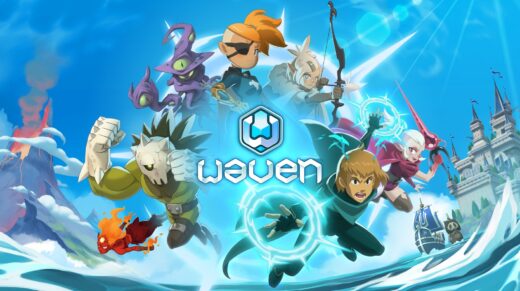
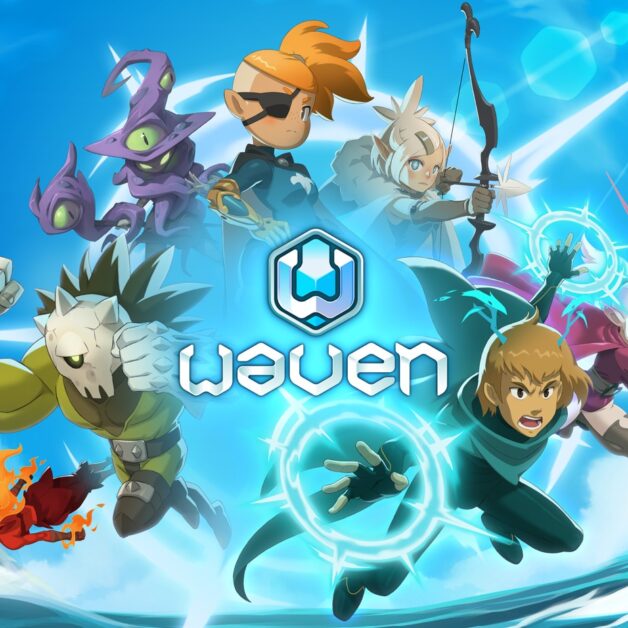
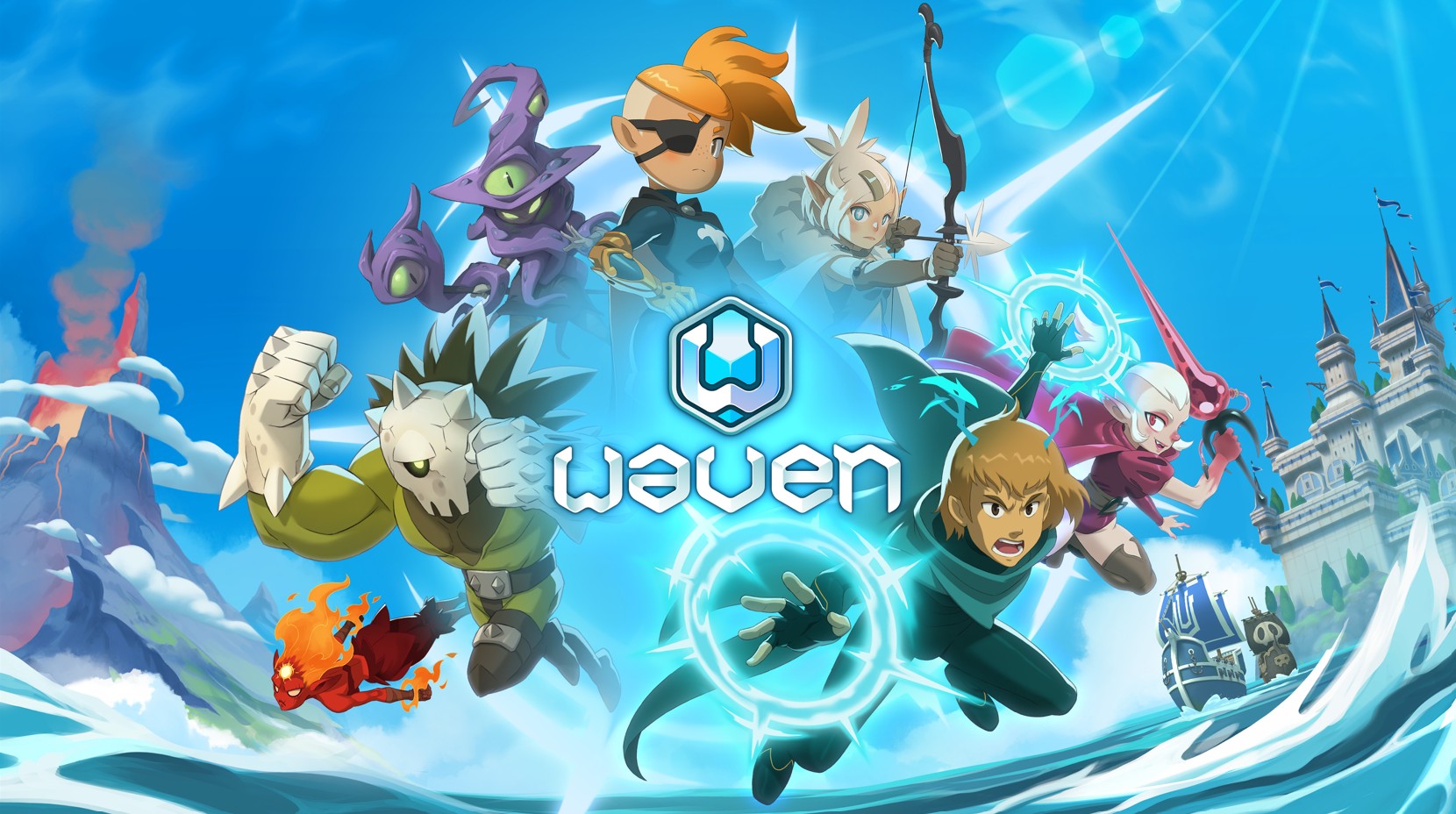
Another of my favourite projects is Waven, a tactical RPG I worked on at Ankama. I loved my time there, and I was delighted to be able to work on one of their games.
Your own career began during Covid. How do you see the current state of the sector, after five years of navigating it?
A complex question. On the one hand, it has to be said that the sector has been in recession since 2022 and the end of the ‘Covid bubble’ that propelled investment in video games to an unreasonable level.
In this sense, 2026 should perhaps be the ‘plateau’ year before healthy growth resumes. But at the same time, the video game sector has never been so big, and it’s still the biggest entertainment sector today, ahead of the cinema.
At my level, I can see no sign of any slowdown. Clearly, we are at the dawn of a new transformation in the sector. But if we look back from the very beginnings of the video game industry to the present day, which is still a very young industry by the way, we can see that there have been many structural changes, which have changed the way games are designed.
What do you think makes a good professional in this sector?
First and foremost, you have to be resourceful, like to look for things yourself, always try to understand the tools and assignments as well as possible, and not rely on others. Communication is also very important, and you need to work on it, because you can learn to communicate well!
Being efficient and clear is essential when working in a video game studio. Finally, a solid foundation of theoretical knowledge and technical skills is essential. In a recruitment process, these are the three points of attention in my opinion. Of course, if you want to move into management positions, you’ll need to learn how to manage people. Which is quite different from simply making a game.
Do you think young graduates arrive sufficiently prepared?
It’s inevitable that you’ll hit a brick wall on the way in. And that’s even with all the theoretical baggage you could possibly have, because you’ll have to integrate the internal processes of the company you’re joining, learn new tools and so on.
At the start of my career, I attached a great deal of importance to apprenticeships and sandwich courses, and I couldn’t understand why they weren’t more the norm in the sector. With hindsight, I’ve realised that the final years of school are often devoted to producing substantial student projects, and that a sandwich course would in a sense be detrimental to this essential training exercise.
In any case, it is necessary to maintain a dialogue between schools and companies in order to identify the elements and skills needed by the sector and the studios.
Let’s talk about technology. How has the production process changed since you joined the industry?
To be honest, I haven’t really changed the way I produce. Being relatively young in the industry, I’ve been dealing with these tools from the start. On the scale of the studio where I work, I haven’t felt any evolution in the team due to new technologies either.
On the other hand, it’s clear that these developments have an impact on the budget, as each software package generates licence fees and therefore increases the budget. As for deadlines, it’s true that more comprehensive tools save us time, but the ambition of the games is also growing at the same time.
What do you see as the major medium- or long-term trends in the sector?
The video game industry should continue to grow nicely, but I have the impression that it’s the way we consume video games that’s going to change. Distribution models are changing, and with them our very relationship with the media.
What games/artworks inspire you today?
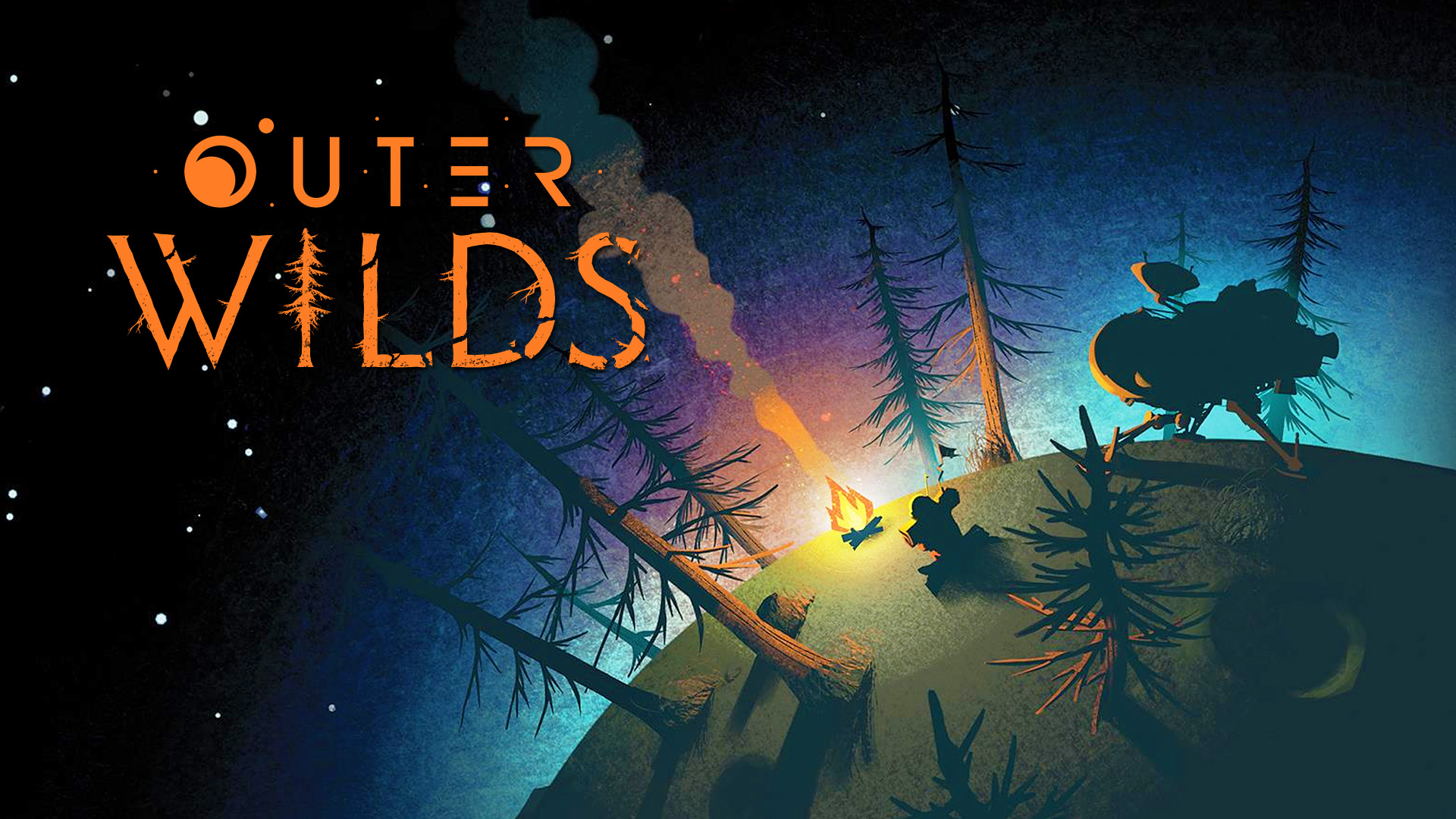
Outer Wilds gave me a real kick when it came out, because of the way its developers managed to let the player loose, push them to experiment and understand their environment, while giving them total freedom.
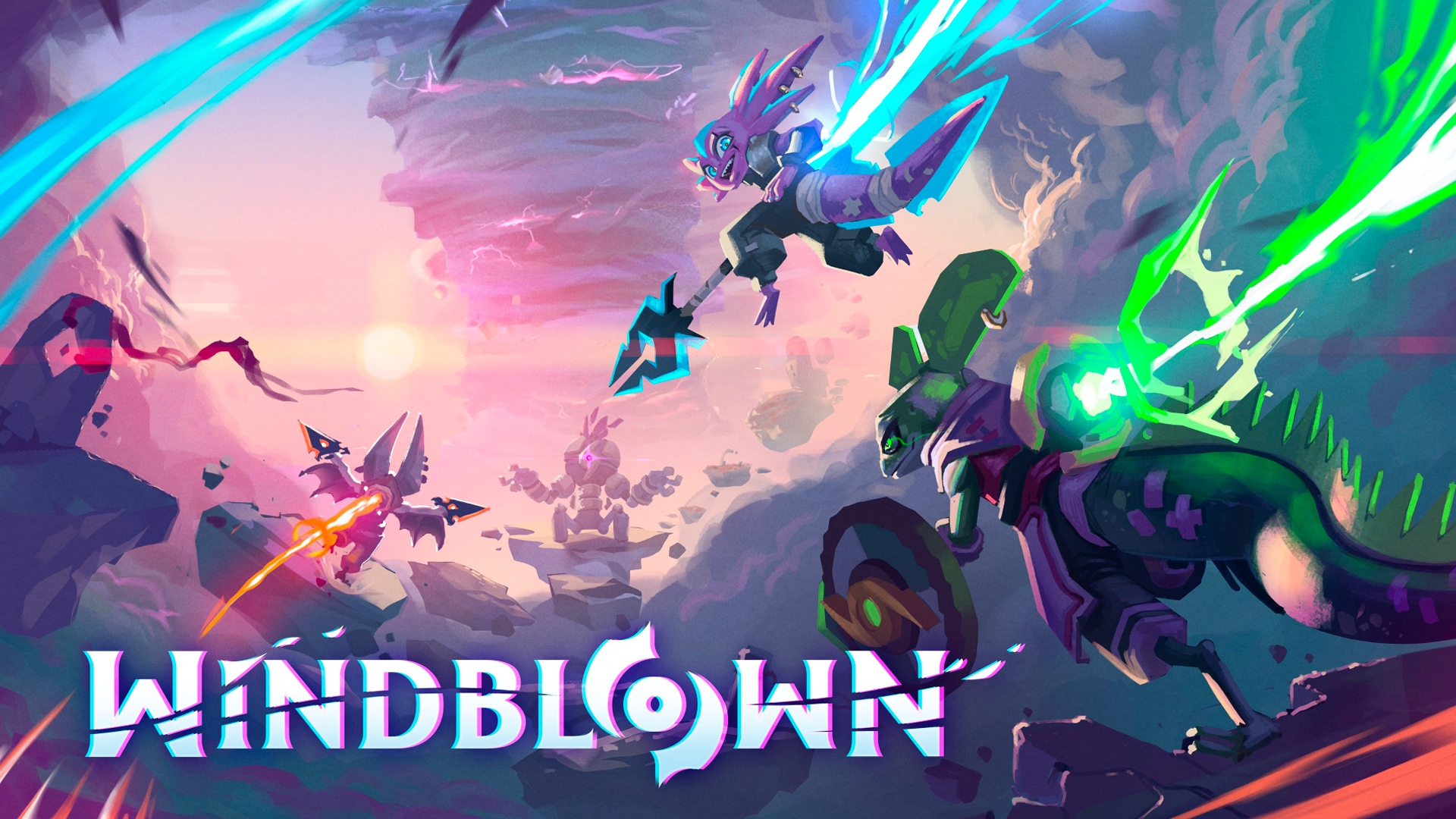
The two Hades titles, as well as Windblown , are also nuggets in terms of feel and gameplay.
I think that, each in their own way, these teams have found their own identity around which they have built and iterated, and that’s what has given them these unique games.
From Bordeaux, what role can French production play in an increasingly international market?
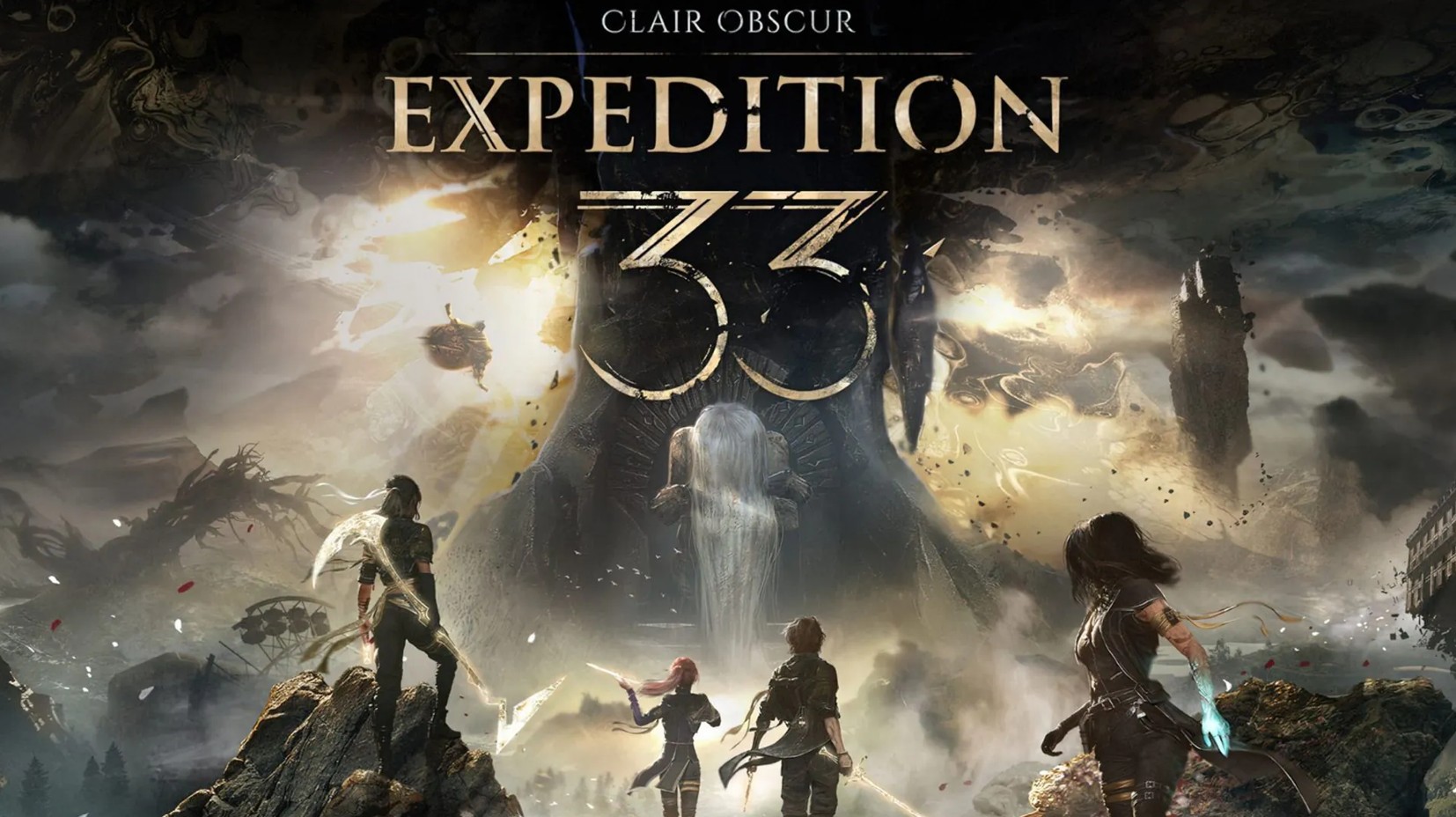
Last year we saw the example of French talent with Clair Obscur and the success of Sandfall.
We have no reason to be ashamed of our competitors. Of course, many studios are appearing (particularly in Asia) with different constraints, but a game can take many different forms.
What makes the difference is being able to build on your strengths and not rest on your laurels.
As far as I’m concerned, I’m confident in our plans, and I can see myself in the same place in five years’ time, dreaming up the next steps.
Finally, what advice would you give to students training today?
Work without moderation and cherish these years, get 200% involved in your projects and make mistakes, because that’s how you learn. As far as mobility is concerned, you should know that it is quite possible to find a place in France, but not even looking abroad would be closing too many doors. Learn English if you haven’t already. If you’re not comfortable, start watching your films/series in the original version today. You won’t be able to miss out, as all the theoretical resources are in English.
One last thing: do gamejams with your mates while you’re studying, even if you’re tired and it takes you the whole weekend, it’s one of the best memories I’ve had.
Find out more about Quentin Frehring’s career on his LinkedIn profile.