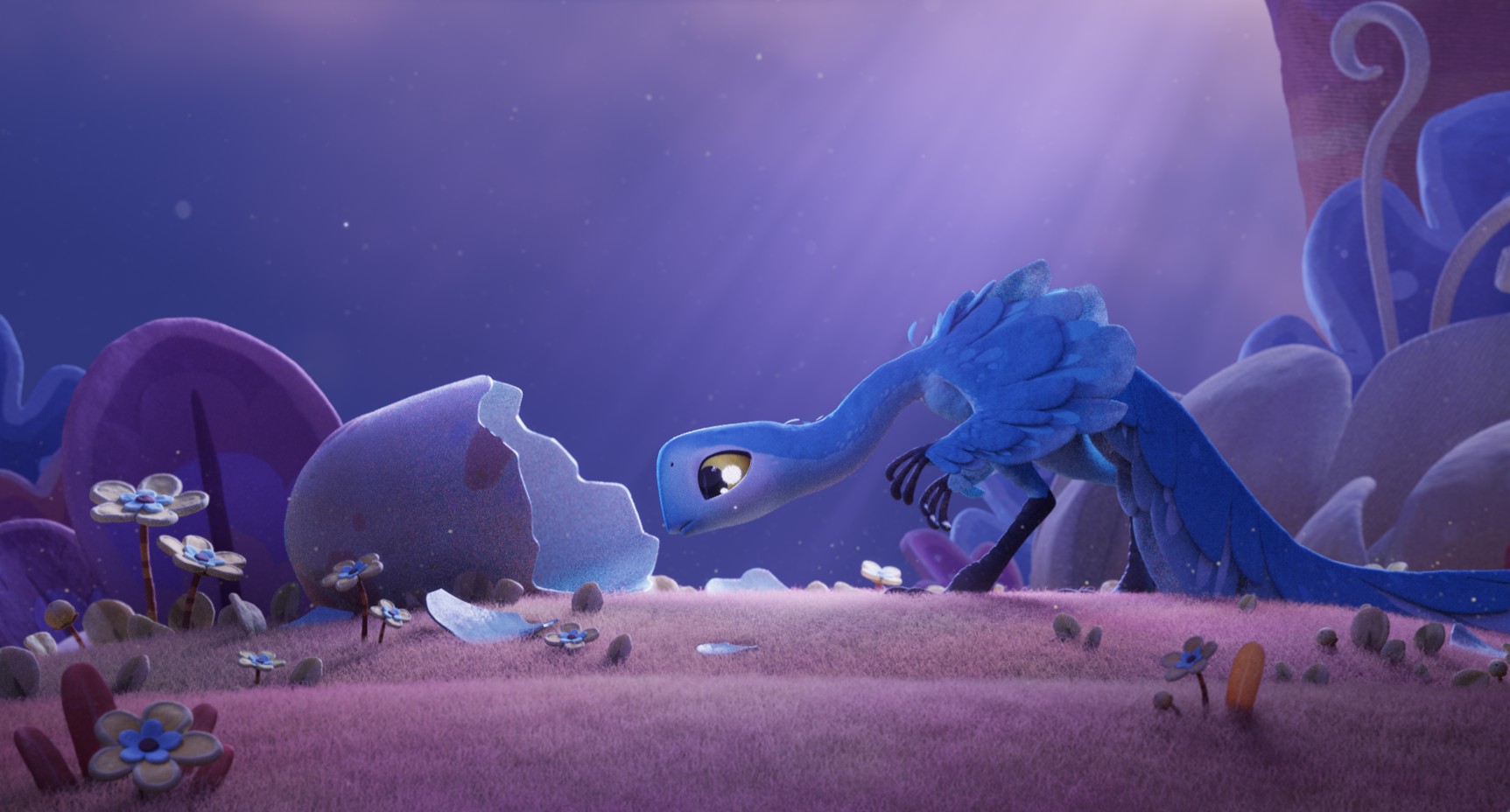
This computer animation and special effects technique emerged with the development of modern computing, and in the space of a few decades has become an essential component of cinema and video games. It is also used in many other fields, from advertising and architecture to marketing and the automotive industry.
What characterises this technique, and how can you build a career in this field? Find out here.
What is 3D animation?
3D animation is the creation of animated three-dimensional images using a computer.
Beyond this academic definition, 3D animation encompasses a wide range of techniques, and can be used to bring a character to life, move a virtual camera through space, or create fantastic sets for a live-action science fiction project.
All these possibilities have enabled artists to add a new dimension to their films, and manufacturers to model their products with ever greater precision.
History of 3D animation
In cinema, it was in the 1980s that 3D animation really began to be used on a regular basis to create the illusion of another reality. Tron, released in 1982, used 3D animation and digital special effects to create a unique and memorable universe, at the crossroads of science fiction and video games.
A few years later, James Cameron used 3D animation to bring his terrifying creation to life in The Abyss, before going one better in Terminator 2, which marked a whole generation.
In 1995, Pixar revolutionised animated film with Toy Story, the first feature-length animated film entirely in 3D.
The same year, Sony released the Playstation, the first fully 3D console, bringing video games into the same graphic revolution. Thirty years on, this technique has become the norm for these industries, but also for the creative industries as a whole. Films such as Avatar or The Lion King , or the various opuses of the Marvel and DC universes, though described as “live-action films”, could not have been made without 3D animation, proof of its dominant role in cinema today.
The different techniques of 3D animation
Animation using key poses and interpolation
This type of animation, directly inherited from the tradition of 2D animated cinema, consists of creating a series of 3D images marking the start and finish points of each action, which are then ‘linked’ together to create the illusion of movement. This linking process, known as “inbetweening” or interpolation, is carried out by the creative software and follows curves that vary according to the speed of the desired movement.
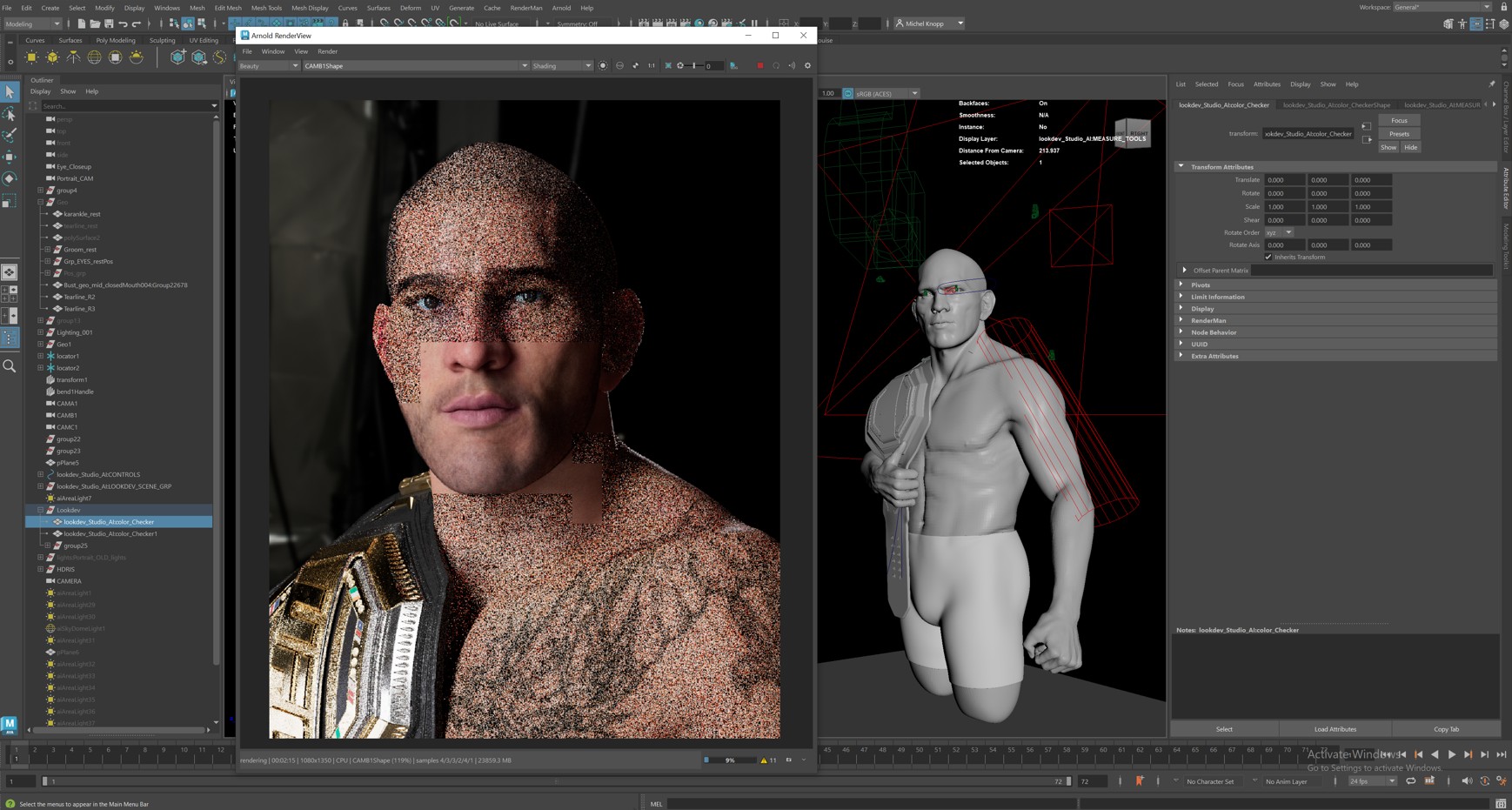
To animate these elements, the 3D animator builds ‘rigs’, 3D skeletons that will be used to bring the characters in the film to life, and to which various textures will then be applied, depending on the type of rendering required.
This is the animation most often used to create feature films by the Disney, Dreamworks, Sony and Pixar studios.
This technique is unique in that it requires a very precise pipeline and extensive rendering infrastructures. Each image is calculated and compiled by very powerful computers to deliver a high-quality final product.
Real-time animation
Unlike “traditional” 3D animation, which requires very long rendering times to calculate all the different parameters of each image, real-time animation is characterised by instant rendering. The fluidity of this type of animation, widely used in video games, simplifies the creative process and reduces production costs.
Today, it is widely used in virtual/augmented reality, but also in animated film and television, for the creation of animated TV series such as Miraculous or Edmond & Lucy, produced by the French studio Miam Animation. This technique also has the advantage of using far less energy than ‘traditional’ 3D, and requires much lighter infrastructures, making it possible to create 3D content in a more eco-responsible way, as Miam Animation explains on the project website.
Motion capture animation
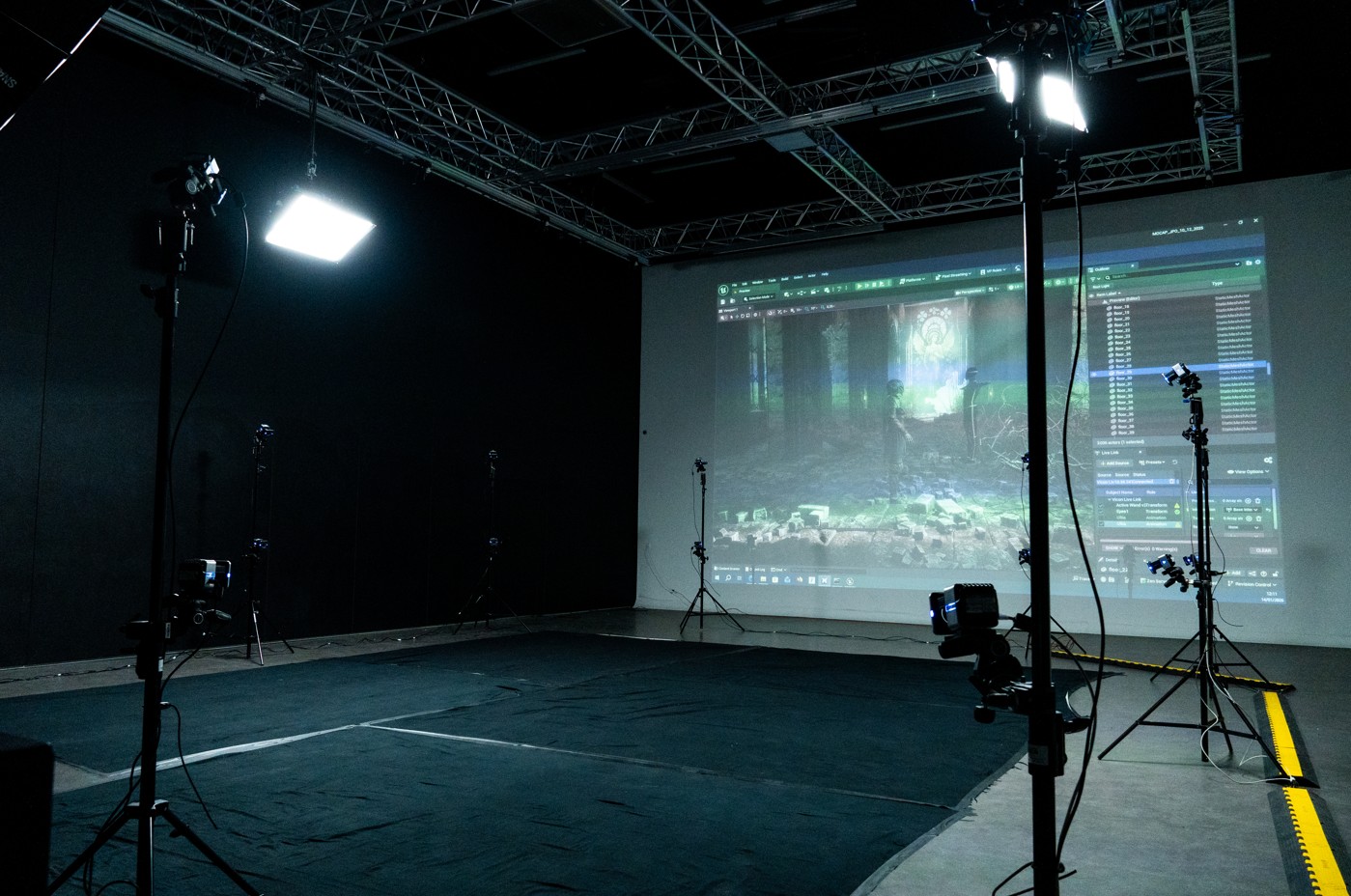
Using motion sensors placed on a subject, this technique faithfully reproduces the movements, facial expressions and postures adopted by one or more actors in a scene, and then transforms them into a 3D skeleton. This technique, very often used in video games as well as in the world of special effects, makes it possible to render the bodies of 3D characters realistically, as well as conveying complex emotions, as in the recent adaptation of Planet of the Apes, with Andy Serkis in the role of the ape Caesar.
2.5D and 3D / 2D mixes
Since it first appeared, 3D has regularly rubbed shoulders with 2D, particularly in video games. The term 2.5D refers to a set of techniques which, by mixing 2D and 3D elements, create the illusion of three dimensions without requiring the same computing power as 3D.
Today, this technique is used in product marketing as well as in animated films and video games, enabling designers and artists to make full use of the advantages of these two types of animation.
Fields of application for 3D animation
3D animation is used in a wide range of creative industries, starting with animated films. Films such as The Snow Queen, Kpop: Demon Hunters, Finding Nemo and Spider-Man: New Generation are all based on this technique, each adding artistic nuances that make them unique, and much appreciated by audiences.
In video games, 3D animation is also the norm, and games such as Clair Obscur: Expedition 33 and Hades also use this technique, using it to immerse the player in unique worlds.
In the cinema, 3D animation can now be found in a wide range of productions, from the Hollywood blockbuster Superman to more independent auteur films. The latter, even if they don’t rely heavily on 3D animation, use the technique for very specific special effects, making production much easier.
3D animation is also being used in advertising, to showcase products in an original way that sets them apart from the competition. From giant billboards in Times Square to creations inspired by Hermès commercials, artists are competing in ingenuity and using 3D animation in all its forms.
The technique is also used in industrial design, architecture, medical imaging and music, which is very fond of animated music videos. Artists such as Coldplay and Stromae have called on animation studios and designers to put their lyrics into images, or to give their concerts an animated touch.
3D animation software
Maya, 3Ds Max, Blender, Houdini and Unreal Engine for real-time animation are all familiar names if you’re interested in 3D animation.
All these tools, whether free or paid for, form part of the standards used by the animated film and video game industry, a sector that is constantly evolving. Mastering these tools, as well as being able to discover new ones and adapt to the way a studio works, is essential if you are to integrate into this environment, where creativity and technology are constantly working side by side.
What training should you choose for 3D animation?
How do you get into 3D animation, and what training should you choose to enter this industry? At ESMA, we offer a course in 3D animation and special effects that combines theoretical courses with practical workshops. The course culminates in the production of a short film by a team at the end of the course, an ideal way to familiarise yourself with the production standards of animation studios.
This course also gives you the opportunity to meet a wide range of professionals and experts, and to build up a network. It’s an essential tool if you want to enter this sector, where people skills and the ability to work as part of a team are just as important as your technical mastery and creativity.