Marie Pillier graduated from ESMA in 2015 with the multi-award-winning animal short The Short Story of a Fox and a Mouse, and began her career in Paris, working at Bloody Bird Studios, before flying to Montreal, where she never left. Starting out as an animator at Mikros on Captain Underpants, she continued her career at Cinesite before landing a job as an animator at Framestore, where she stayed for four years. During this time, she worked on Paddington 2, Deadpool 2, Pokémon Détective Pikachu , Mulan and Tom and Jerry, all prestigious productions where Marie developed her portfolio and skills.
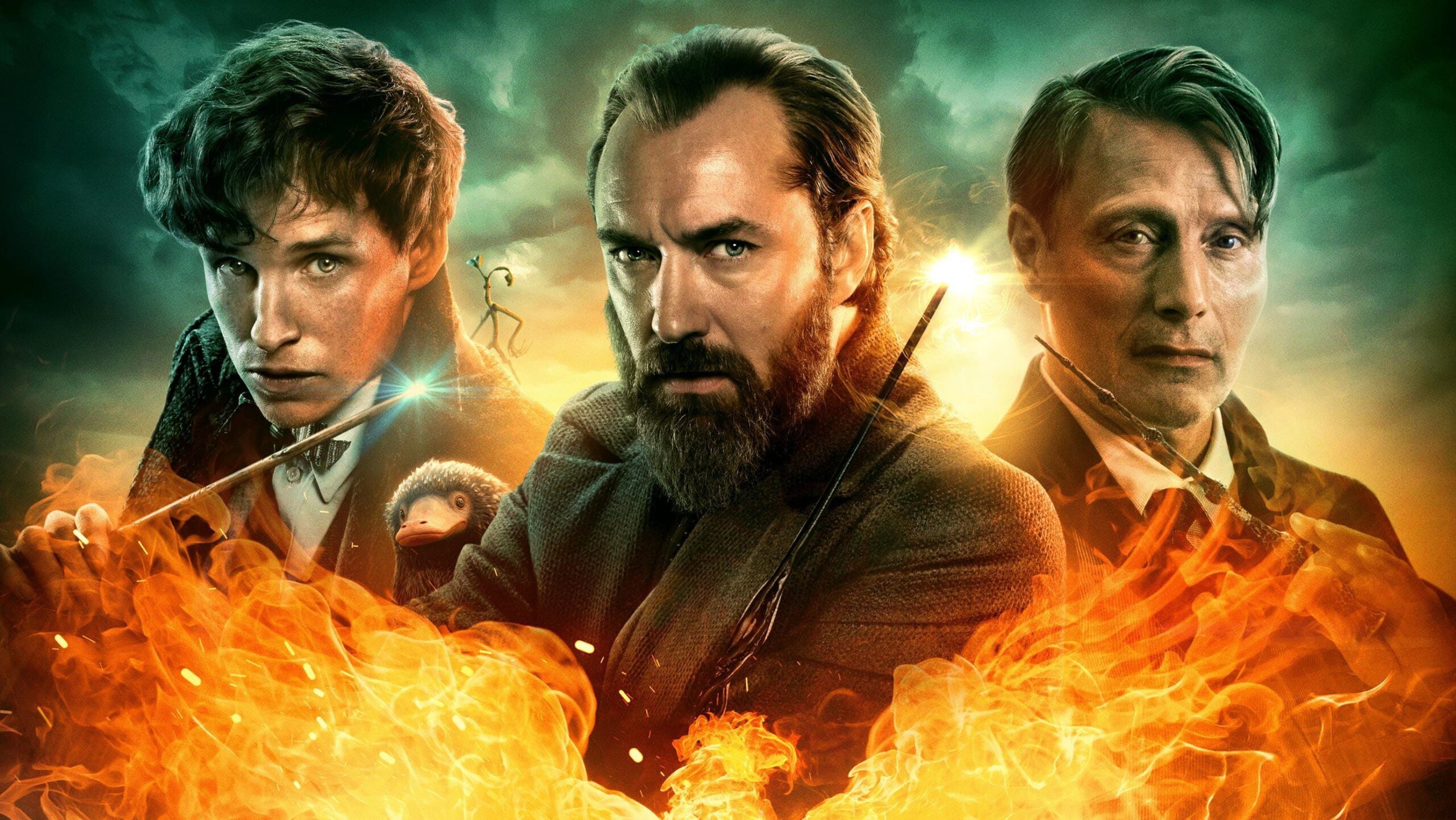
In August 2021, she joined Rodeo FX, realising her dream by putting her name to the credits of Fantastic Beasts: The Secrets of Dumbledore. She has also worked for Rodeo FX on a number of series, including Wednesday, Sandman, Foundation and Lord of the Rings: Rings of Power.

As she celebrates her tenth anniversary in 2026, we had the pleasure of talking to Marie about her rich career path and her feelings about the sector.
First of all, can you tell us about your early career? What led you to study animation?
I was never really comfortable at school, so I only felt fulfilled when I was making art. One day, my dad put me down for an entrance exam to a graphic design school. That’s when I discovered myself: I realised that I wanted to continue my studies in the art world. I even dreamed of one day seeing my name appear in the credits of a Harry Potter film, a dream that eventually came true. That’s how I discovered the fascinating world of 3D cinema and ESMA Montpellier. I had my interview and was selected very quickly.
This course has given me a huge amount of autonomy. It was extremely hard, intense and mentally exhausting, but it taught me to push myself to achieve a result. It’s a time of life when you’re discovering yourself, and this course really helped me to grow. I met some friends who have now become precious friends.
What do you remember about your training?
It was a very difficult period. We had so much on our plate that we didn’t even have time to sleep. It was probably too much, and if I’m not mistaken, the training course is now spread over five years rather than four. At the time, many of us were angry and frustrated at the workload. Looking back, I wish I’d had more time to understand, assimilate and experiment. The course gave us the tools, but it was up to us to do something with them.
Is what you do today what you imagined as a student?
In a way, I didn’t really realise what was in store for me after my studies. I was very much living from day to day, without looking ahead. The world of work impressed me: I imagined that everything would be even more complicated.
But in the end, it’s simpler than I imagined. We have clear instructions from the client, a set time to achieve what is required, and above all a speciality in which we can concentrate and express ourselves fully.
Even if you can’t tell us about your current projects,
do you have a project that has stayed close to your heart so far?
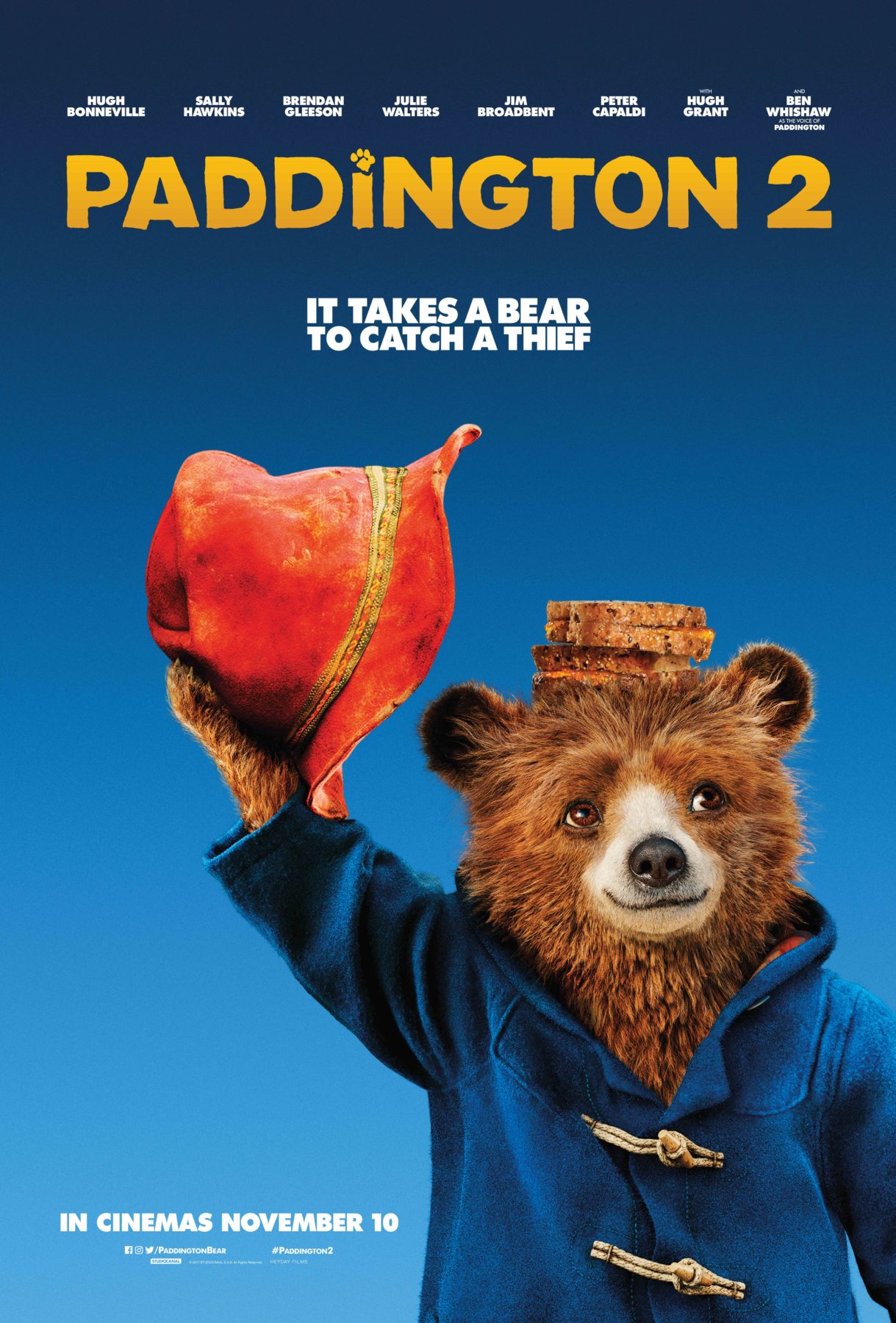
I don’t really have any particular project, but if there’s one that stands out, it would be Paddington 2, the first film I worked on in VFX. I learned an enormous amount there, and it’s the one that sticks in my mind the most to this day. But in fact, I can’t answer about the projects I’m currently working on.
How do you see the current state of the sector?
I’m speaking here for Canada, and particularly for Montreal, the city where I’ve been working since 2016. I have to admit that the situation has become complicated. I’ve seen some very large companies close down and some sectors disappear completely, and I have to admit that I’m constantly stressed at the thought of having to look for another job, because the lack of projects can happen at any time. This affects all companies, and the advertising sector is no exception.
In my humble opinion, I have the impression that the market is competing more and more aggressively for projects. This creates budgets that are too tight and, as a result, deadlines that are too short to produce work of real quality. It’s a classic pattern: quantity is favoured over quality. And this is particularly problematic at a time when AI is becoming increasingly important.
I think we’re going to have to learn to be in harmony with this new tool, AI, which will be our working companion for years to come. It’s not a question of turning against it, but rather of learning to live fully with it.
And I sincerely hope that companies will stand up to clients and not undervalue or underpay for their work just to get one more project.
In this somewhat turbulent industry, what do you think makes a good professional today?
You have to remain humble, kind and open-minded. You have to understand that you will never be the best, but that you can become an indispensable person. You reach your level by practising. You need to know a minimum amount, of course, but above all you need to have a constant desire to do better. That’s how you progress and become better, day after day. I also think that to be a good professional, and a fortiori a good manager, you don’t have to be an excellent artist, but rather a good communicator and a good observer. You have to know how to adapt, understand how each individual works and adjust your approach to allow each person to give the best of themselves.
A manager is not a doer, but someone who helps others to do their job as well as possible.
Do you think young graduates arrive sufficiently prepared?
Yes, and each year gets better and better, an encouraging sign both for the talent of these young people and for the quality of the training they receive.
You mentioned AI earlier:
How have new technologies (Unreal, generative AI, real-time motion capture, collaborative tools, etc.) changed the way you produce?
I think our animation profession is affected by this. We’re often asked to ‘clean up’ motion capture animations that are ultimately unsuitable.
So we almost always end up redoing a large part of the work by hand, and in a very short space of time, because it wasn’t in the budget. This can be trying for a team and for the artists, because they become more performers than artists. The most difficult thing, I would say, is not to lose the love of creativity for the sake of mere execution.
One thing is certain: it’s important to be open to everything and to learn about all these new technologies, because they will be everywhere. The more informed you are, the better you’ll be able to adapt to all the changes.
And I think that schools should sincerely teach their pupils to use all these new technologies, as a subject in its own right, while at the same time teaching them about the production professions, so that young graduates are also aware of these realities.
How do you see the future?
My heart sways between Montreal and Switzerland, where my family lives. I’ve been away from them for a long time, and I miss them. In professional terms, I don’t know yet, but it’s also possible that I’ll end up back in advertising. Part of me would like to think that I’ll be making really creative animations again. And at the same time, when will there be French films or series that want to create fantasy or VFX effects? That’s something that would interest me.
In any case, I wish all these students the best of luck, and I can’t wait to see who will be the next passionate people to join us in this industry. In the end, we’ll probably end up being colleagues, in a way!
If you would like to find out more about Marie Pillier’s career and the many projects she has been involved in, visit her LinkedIn page.