
In each of these examples, these creative and technical feats were brought to fruition thanks to a technology that has now become indispensable in both cinema and video games: motion capture.
A brief guide to motion capture, or mocap as it is known in the industry.
What is motion capture?
A technique for recording the movements of objects and bodies in a physical environment and then translating them into computer animation, motion capture, more commonly known as mocap , is a recording technique used in the film and video games industry to bring lifelike characters to life.
And this is true whether they are played by famous actors, as is the case in the big productions, or whether it is the animators/programmers themselves who lend themselves to the game.
The different types of motion capture
With the technological developments of recent years, motion capture has taken on a predominant role. But did you know that there are different types?
Mechanical motion capture
This technology uses an external exoskeleton placed on the actor/animator, an armature fitted with sensors connected to a computer that records every movement and translates them into 3D animation. Although inexpensive, this technique has the disadvantage of being uncomfortable for the actor/animator who is playing the game, and of lacking fluidity.
Optical motion capture
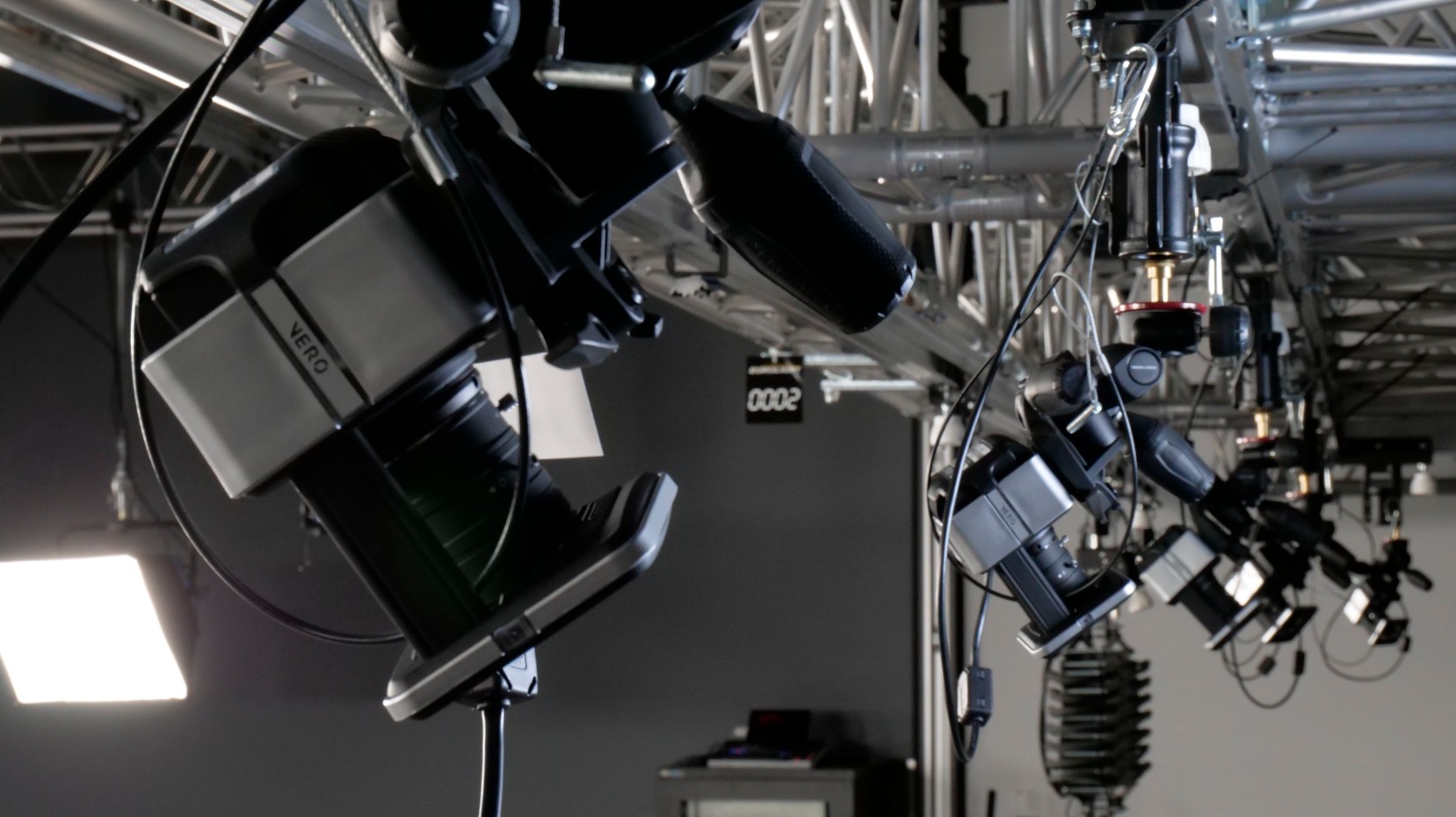
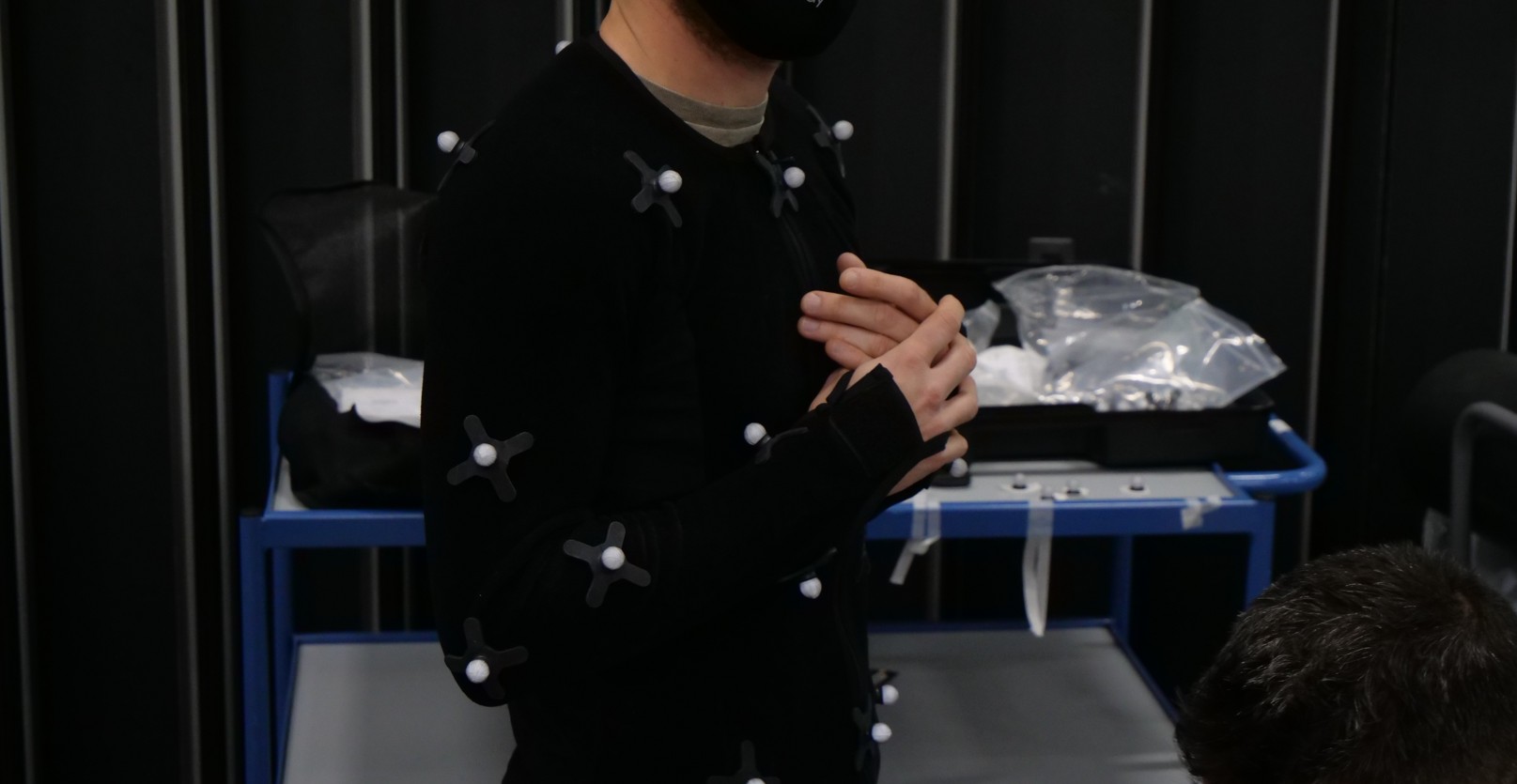
The technique most familiar to the general public uses cameras and reflective markers (passive optics) or LED lights (active optics) to track the movements of the actors in space, which are then transformed into a 3D skeleton by the software used. This high-precision technique produces a rendering that is very faithful to reality, but requires a studio and a large number of cameras, which represents a considerable cost.
Inertial motion capture
By using gyroscopes and accelerometers, integrated into a suit worn by the actor/animator, this technique makes it possible to dispense with cameras and therefore drastically reduce the costs of a motion capture session. But it’s also a less precise technique, requiring a lot of preparation beforehand to be effective.
Magnetic motion capture
This fourth method is based on the use of magnetic fields, which follow sensors attached to the actor/animator. Like inertial technology, this type of magnetic field motion capture does not require cameras, and can therefore be used in complex shooting conditions, particularly in the absence of light.
AI in motion capture
With the technological revolutions brought about by AI, motion capture is also evolving. Today, numerous applications (Move AI, Plask Motion, DeepMotion, etc.) offer the possibility of motion capture without the need for a suit or sensors. These tools create a virtual skeleton directly from a phone or camera shot, enabling animators to benefit from motion capture technologies at lower cost and with virtually no infrastructure.
The major drawback is the lack of precision, but the continuous and exponential development of these applications makes this a technology to keep an eye on.
What equipment is needed for motion capture?
In most cases, to achieve a professional look, motion capture will require the use of specific cameras (between 8 and 24, depending on the degree of precision required) as well as marker combinations. Whether they are passive, active or magnetic, the markers must be correctly positioned so that they can faithfully translate the actor’s movements. If you’re looking for greater detail, as in AAA games such as The Last of Us, or Hollywood blockbusters such as Planet of the Apes, you’ll need special rigs to capture the actors’ facial expressions, and add a dose of realism to your production.
How does a motion capture session work?
Preparation
As any professional will tell you, a motion capture session must be scrupulously prepared, leaving nothing to chance. From setting up the studio to preparing the actors, creating the virtual skeleton and calibrating the capture area, everything must be defined before the shoot to avoid wasting time and making mistakes that could prove catastrophic both financially and artistically.
Hence the importance of a clear technical and artistic briefing before shooting begins, to explain to all the teams how the motion capture system works, the technical constraints to be respected and the artistic objectives of the shoot.
Shooting
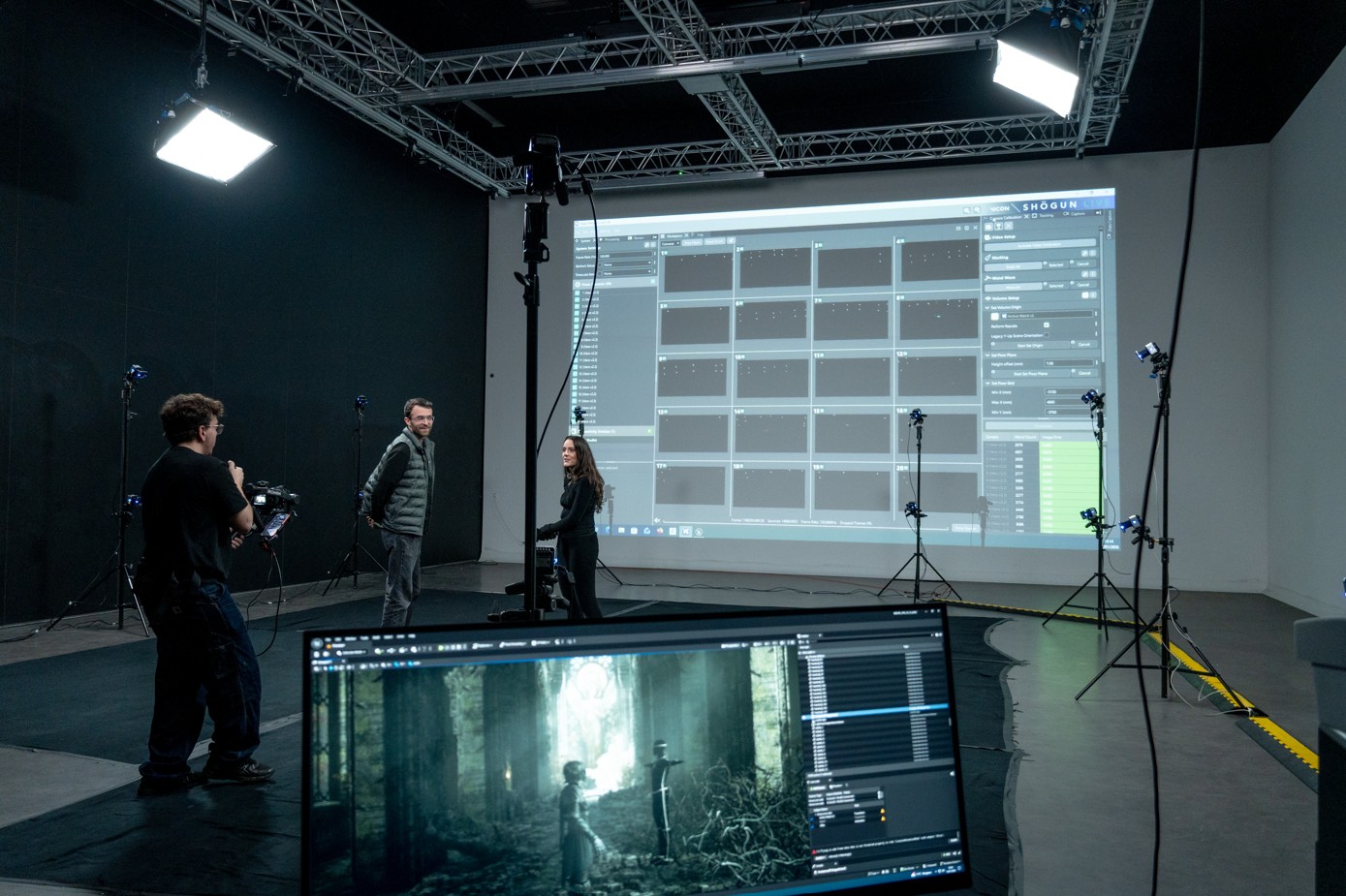
This is the heart of the motion capture session. After the actors have been calibrated, the movements are recorded and the actions, planned in advance to meet the artistic needs of the video game/sequence, are carried out methodically. Depending on the project, this may involve simple actions (walking, running, jumping), complex actions (fighting, acrobatics) or the capture of acting sequences, where the emotion of the faces and bodies will be sought.
Interpretation of captured data
Cleaning up the captures, applying the data to the 3D model (i.e. dressing the skeleton with the character’s physical characteristics), making the final adjustments and integrating the finished animations into the game engine are the last stages in this process.
What are the differences between motion capture in real time and in post-production?
These two approaches to motion capture are both interesting, and depend very much on the objective being pursued.
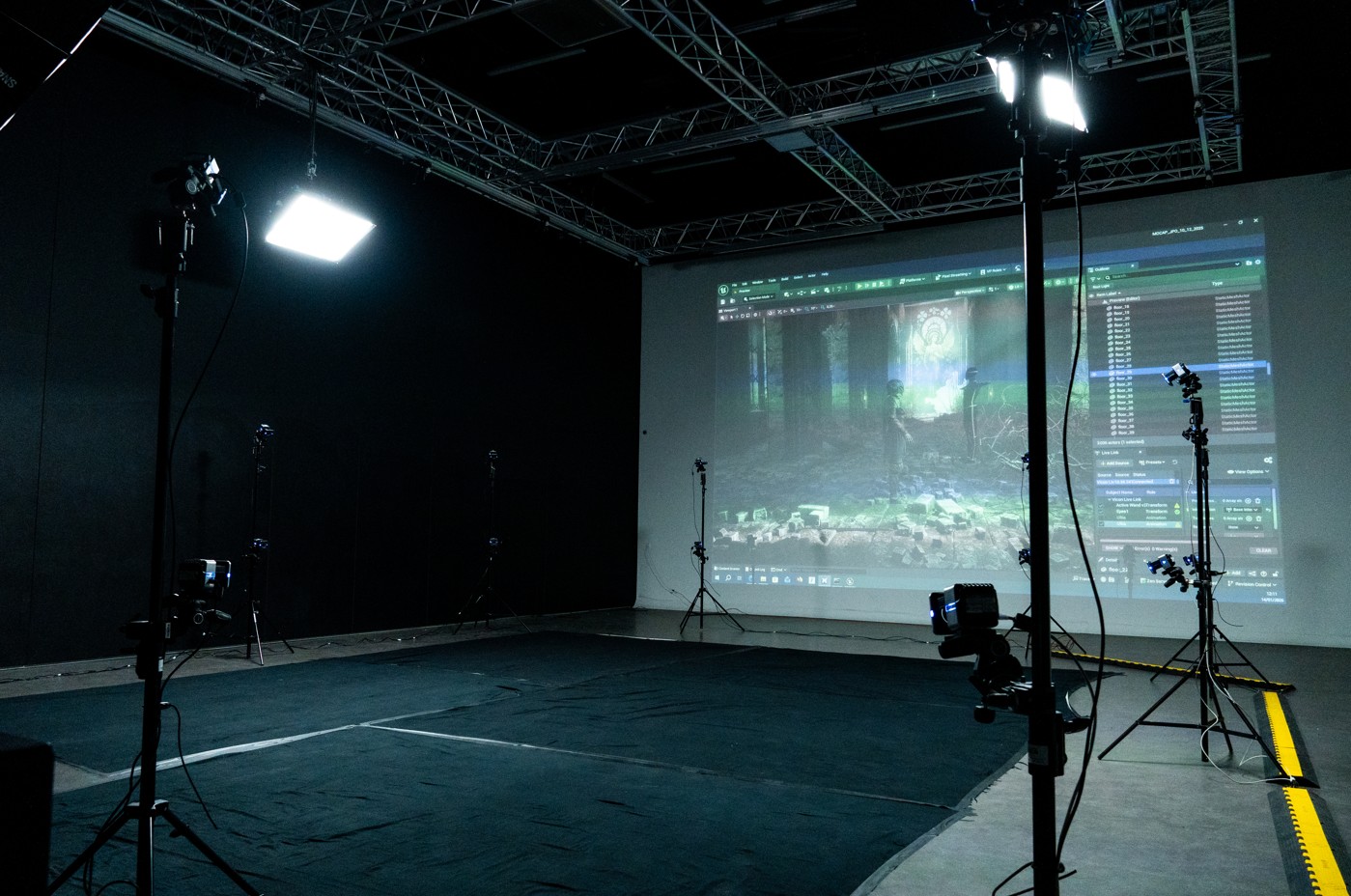
Real-time motion capture offers greater interactivity and flexibility, making it an ideal tool for video game developers. It is also the technology that has enabled the rise of virtual reality and augmented reality. By its very nature, however, real-time motion capture is less accurate than post-production motion capture, and the level of detail will often be lower.
Post-production motion capture generally offers higher quality, but requires heavier infrastructures and a larger budget. As a result, it is often used in cinemas or animated films, where schedules are generally better suited to this technique.
How is motion capture used in video games and animated films?
Today, motion capture is used at many different levels in video games and animated films.
It can be found in the combat and action sequences of games like Uncharted, but also in the animations of Blue Eye Samurai, and in the evocative power of games like Death Stranding 2, where actor Norman Reedus infuses an emotion rarely seen on consoles thanks to facial motion capture.
In a word, motion capture is everywhere in these industries.
What professions use motion capture?
In addition to the very specific professions linked to this technology, motion capture is used by 2D/3D animators, VFX artists, video game developers and even Previs Artists.
Generally speaking, motion capture is used throughout the video game, 3D animation and film industries that require special effects. It is therefore essential to master, or at least understand, these techniques if you want to work in these sectors.
How can I learn motion capture?
As you can see, motion capture is a complex process that requires meticulous preparation, precise execution and in-depth post-production processing.
The result is realistic, fluid animations that offer gamers or spectators an immersive and above all engaging experience. To learn about this cutting-edge technology, a course in the world of video games at our 3D school is an ideal choice, as ESMA provides its students with the most advanced motion capture equipment.