
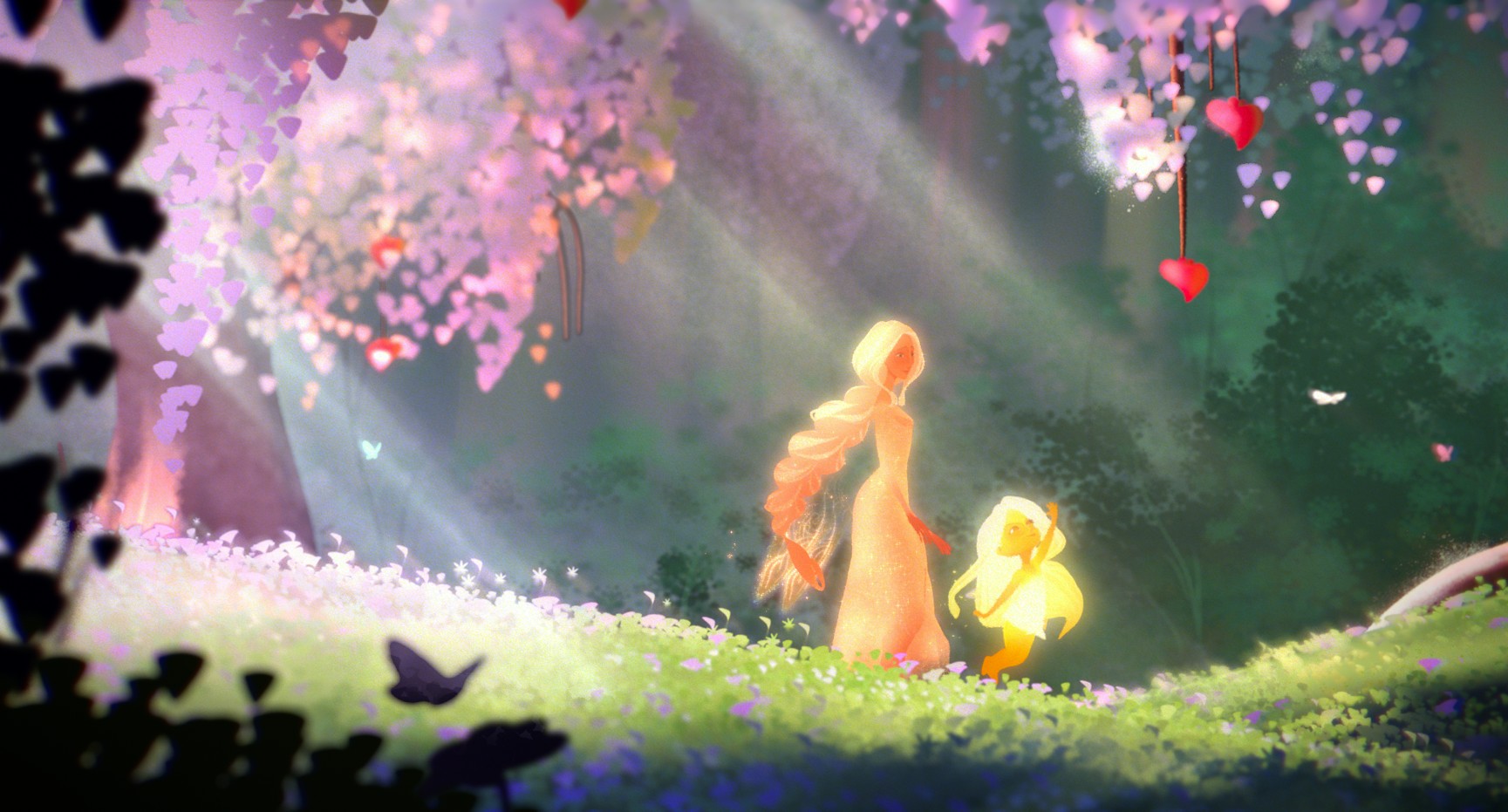
After receiving acclaim for her graduation film Cursed (co-directed with Marion Boitelle, Leila Bouguerch, Myriam Brandao Serseri, Margaux Crotte-Deculty, Andréa Mamessier-Degrange, Nicolas Paoli, Alisson Pigerol and Marie Seve), which won the Audience Award, the Art Direction Award and 2nd place in the ESMA Graduation Show 2025, Ashe Daniel has just received a second accolade, and not the least.
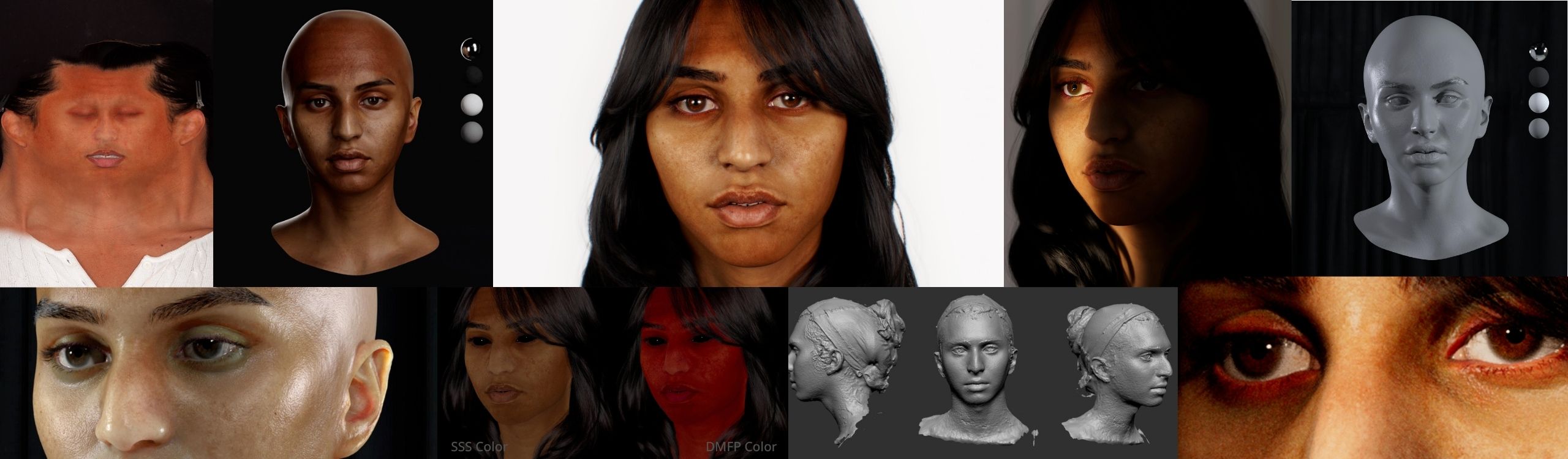
His self-portrait, made with Renderman, is now featured on the Pixar website, and can be downloaded by artists around the world.
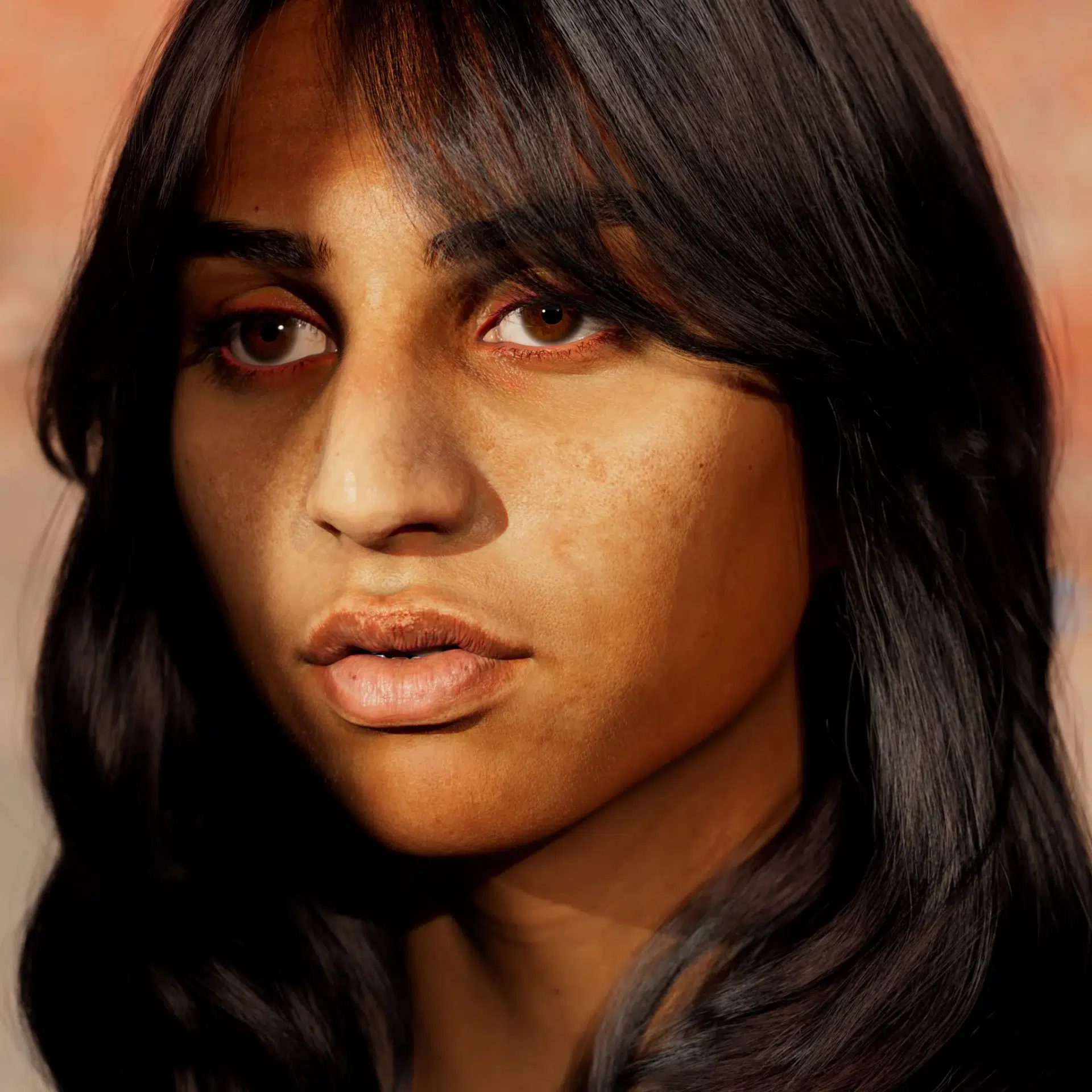
This achievement was made possible by twelve weeks of mentoring during Ashe’s course, and by close collaboration between the teams at ESMA Lyon’s 3D Animation and Special Effects course and those at Pixar Renderman.
To find out more about this work, we spoke to Ashe, who is now a freelance 3D artist looking for new challenges.
What made you choose this school and this sector?
I’ve always been very curious about the film-making process. Escaping into fantastic worlds, even for an hour and forty-five minutes, is a feeling I’ve always enjoyed. As a kid, I discovered the first Breakdown VFX by Wētā Digital (now Wētā FX) on their YouTube channel, and it fascinated me. Of course, at the time I didn’t understand anything about it, but it piqued my curiosity and, little by little, it was these videos that made me want to embark on a career in special effects.
And ESMA’s choice?
To be honest, although I always knew I wanted a career in VFX, arriving at ESMA was a real surprise. At the time, I was applying to a number of universities, and with just a few weeks to go before the application deadline, I discovered ESMA.
I didn’t know about the school’s reputation at the time, but I immediately felt something special, and I put everything I had into my application. To tell you the truth, I really put everything I had into ESMA, both my future and my possible career, even though I’d already been accepted to other schools.
And guess what? Two months later, I was flying to the other side of the world, with my whole life in my suitcases and my proof of registration in my pocket!
What have you learnt from your training, and how do you put that learning into practice today?
I learnt a lot at ESMA and the course gave me a wide range of skills. Today, I can carry out a very wide variety of assignments in all sectors of the creative industry, not just those directly linked to animation.
Over and above this learning process, the course has also enabled me to make a personal commitment and build my reputation as an artist, as well as my professional network. It opened doors for me that I would never have been able to access otherwise, and that’s a real plus for my professional integration today.
You graduated from ESMA last year. How are your first steps in the world of work going?
Today, I work as afreelance artist, from creating characters and creatures in VFX pipelines (my specialisation at ESMA) to setting up brand identities or organising events.
It’s not exactly what I had in mind before I went to school, but this multi-faceted creative career is actually better suited to me than I imagined. When you choose to train in these sectors, you get relatively little information about how they actually work on a day-to-day basis, and it’s when you enter the world of work that you discover the importance of continuous learning.
Even though I was prepared for it, each time there are new paths to clear and new skills to develop. There’s not just one path to follow, far from it!
After graduating, I took a short break to recharge my batteries and get back on the freelance bandwagon with all my energy and a clear mind. In today’s context, an artist needs to be constantly evolving, and the way in which you promote yourself (your personal branding) is crucial.
As far as I’m concerned, I see these challenges as opportunities. Today, I put all my skills into practice on a daily basis, remaining true to the principles I learnt during my studies, while combining these with advice from my clients and colleagues.
How did you build your portfolio?
With energy drinks and articles on nuclear physics at three in the morning! On a more serious note, I developed my technical expertise by learning about the processes and methods used by the big studios, and by the major players in the industry I wanted to join.
Between this theoretical learning and reading articles written by veterans of the sector, I also got in touch with the professionals in my network and reactivated these relationships. Thanks to these two approaches combined, I was able to understand what employers, as well as consumers and the public, wanted to see in a creation, and this fed me to create this portfolio and this demoreel.
What are the films that inspire you, or the artists whose work you admire and who push you to excel today?
It may be a bit of a cliché, but I was very influenced by directors like Peter Jackson and James Cameron when I was younger. Today, designers like Rima Yoon and Chloé Zhao are redesigning the way images are made, while pushing their own boundaries. Change can be daunting, and it’s true that I naturally cling to more familiar work like Game of Thrones or The Hobbit. But as I evolve as an artist, I’m learning to embrace all creative freedoms!
A world you dream of working in?
Those of you who know me, even from afar, will know that working on House of the Dragon or another production in the A Song of Ice and Fire universe is my dearest wish. In second place on that wish list, I put on the same level the idea of becoming a creative producer for a client like LVMH or Prada, and becoming a face model for Wētā FX. Because yes, my dreams are as big as they are varied!
To talk a little about your self-portrait on RenderMan (a very successful one, by the way!) How did this opportunity come about?
Thank you so much! Working with RenderMan has always been a pleasure (and there may be more to come, so stay tuned). A bit like with ESMA, this meeting was the result of a happy coincidence.
My teacher Baptiste Lebouc, head of the special effects course at ESMA Lyon, advised me to join the RenderMan Discord and ask the members about a problem I was encountering in my work.
This thread was read by Leif Pedersen, one of the veterans of the company and the studios, who contacted me about this article and this project.
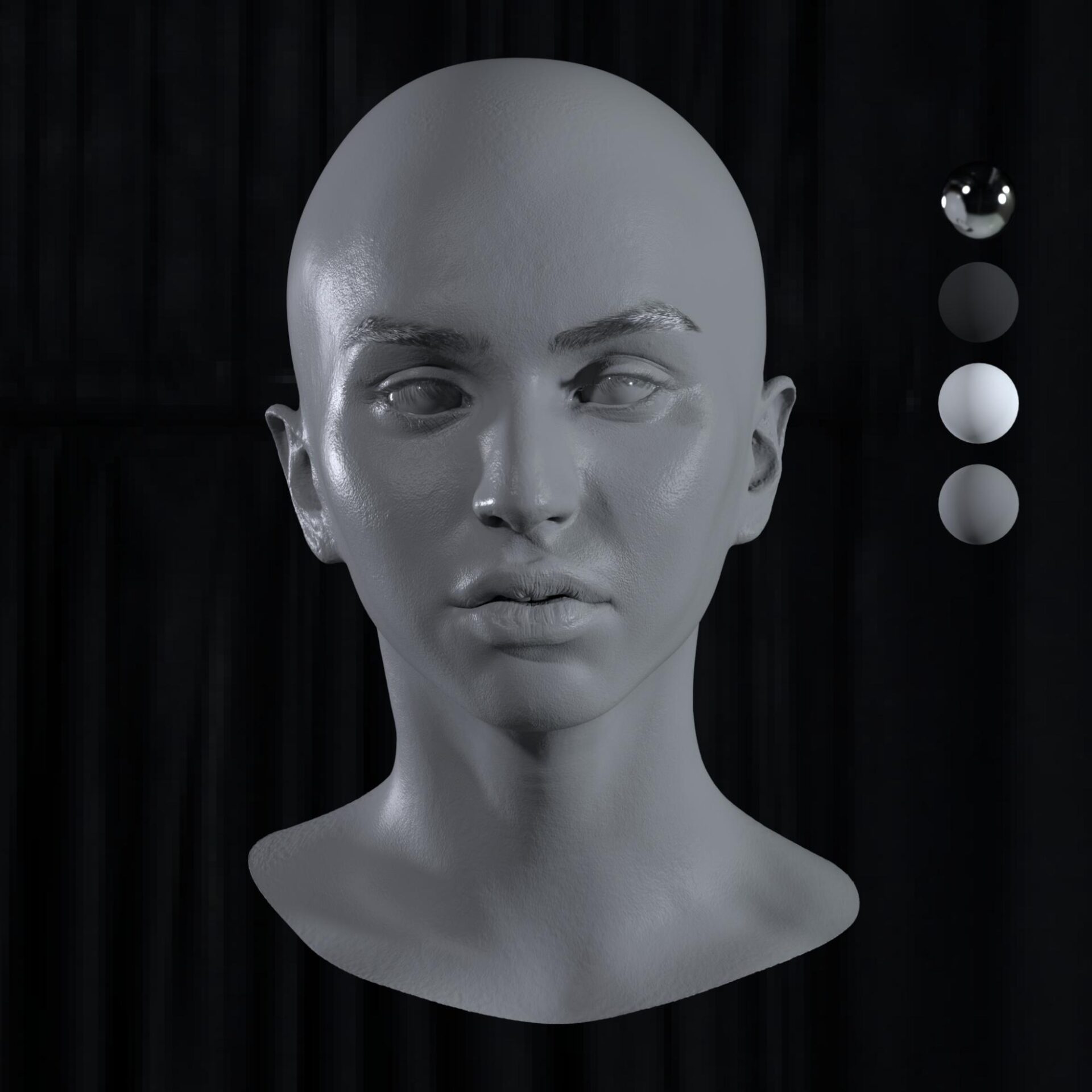
Can you tell us more about how you approached this project?
This digital portrait was created as part of my Masters at ESMA. Specifically, I had 16 weeks to deliver a photorealistic bust of the subject of my choice. Given that I would need to have regular access to the subject in question, I chose myself. After all, I own a mirror, and I’m probably the only person who would disturb me at three in the morning when I needed a photo shoot for references.
I started with a rudimentary 3D scan that was nowhere near studio quality, then spent days sculpting the portrait to suit me as closely as possible.
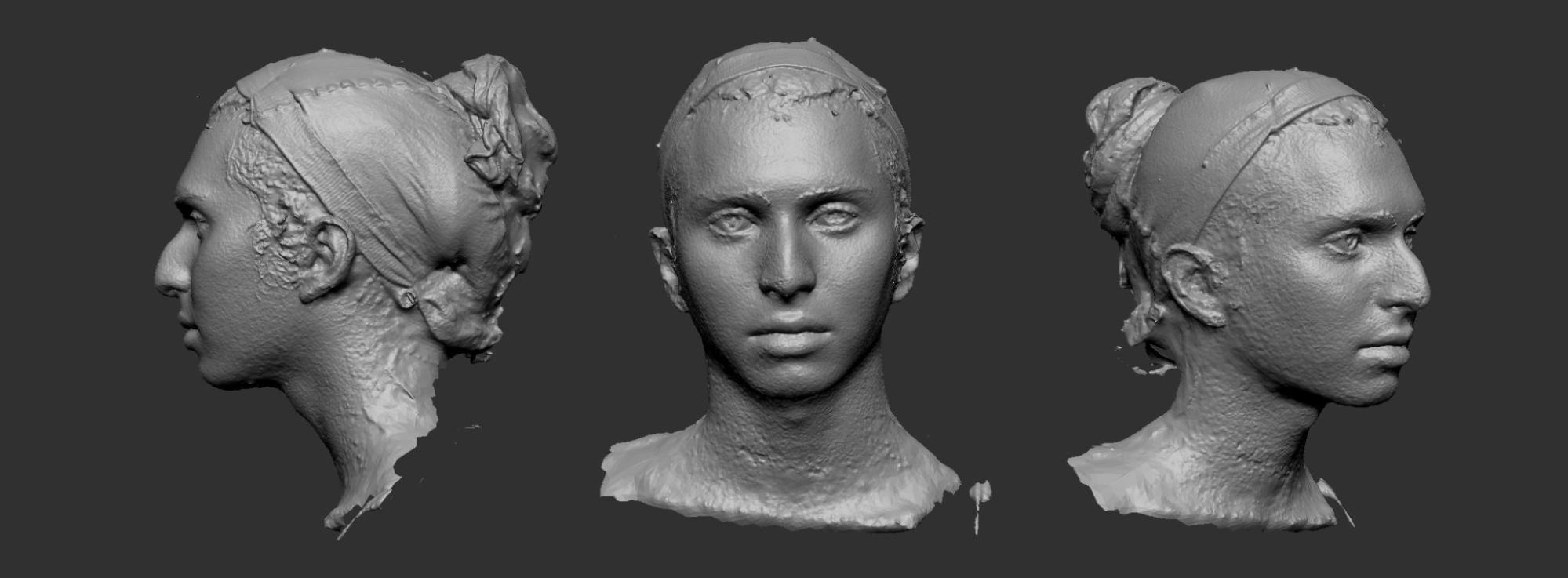
Then I researched how colour and light interact with skin, eyes and hair, and built 3D models of varying degrees of accuracy to generate realistic renderings using RenderMan.
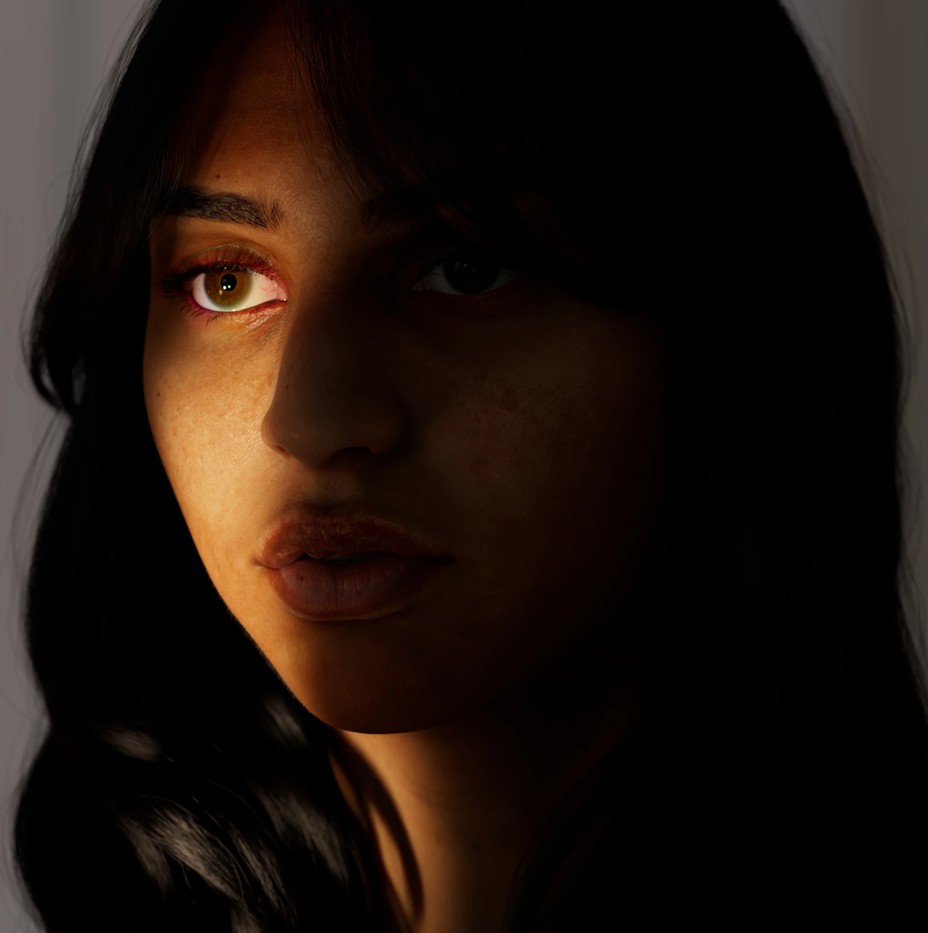
If you’d like to find out more, check out the article itself, where I explain the process in detail!
What were the challenges of this exercise?
Making digital humans is one of the most challenging tasks in today’s VFX age. Even with AI and cutting-edge technology, humans are very good at identifying aberrations and odd details in a face. After all, it’s normal, we spend our whole lives looking at other humans.
After studying the scientific methods used to simulate the material on a human face and translate it into 3D (quite a challenge), I had to immerse myself in microbiology, nuclear physics and also the way in which fabrics are woven to create realistic garments. To be honest, I never imagined that I’d be learning these things by enrolling at an art school!
What exactly did this exercise teach you, and how did it feed into your training at ESMA?
This project has taught me perseverance, and how to excel at tasks that I’m not overly passionate about. I learnt a lot during the course of this project, particularly the fact that every detail of every project contributes to creating a work of art, a vision.
ESMA had already taught me how to manage an intense workload in order to become a generalist. With this project, I was able to push my specialisation further and improve my technical skills.
What advice did you receive during your training that you think would be most useful to bear in mind when entering the job market today?
There’s one thing I remember: if you want to break into this industry, it depends one-third on the quality of your work, one-third on the way you build your network, and one-third on luck!
While the outlook may seem bleak today, I’ve learned that there’s no telling when you’ll reap the rewards of your investment. And when that happens, these opportunities give hope in the more difficult times we seem to be going through.
For me, it’s essential to keep planting these little seeds, and to remain curious. On the one hand, this uncertainty can be frightening, but it’s also a source of hope. As Dumbledore said, “Happiness can be found even in the darkest moments, if we only remember to turn on the light.”
Any final words for your colleagues, or the students who will be following you?
For those of you who are where I was yesterday: Don’t close yourself off if things don’t go exactly to plan. It’s never easy to deal with these situations, but life will always find a way to get you back on track, as long as you keep moving!
Finally, what does 3D animation and special effects mean to you?
For me, animated films are dreams brought to life. And the artists who create them infuse them with their most creative thoughts and wildest adventures, plunging us into worlds we could never discover otherwise!
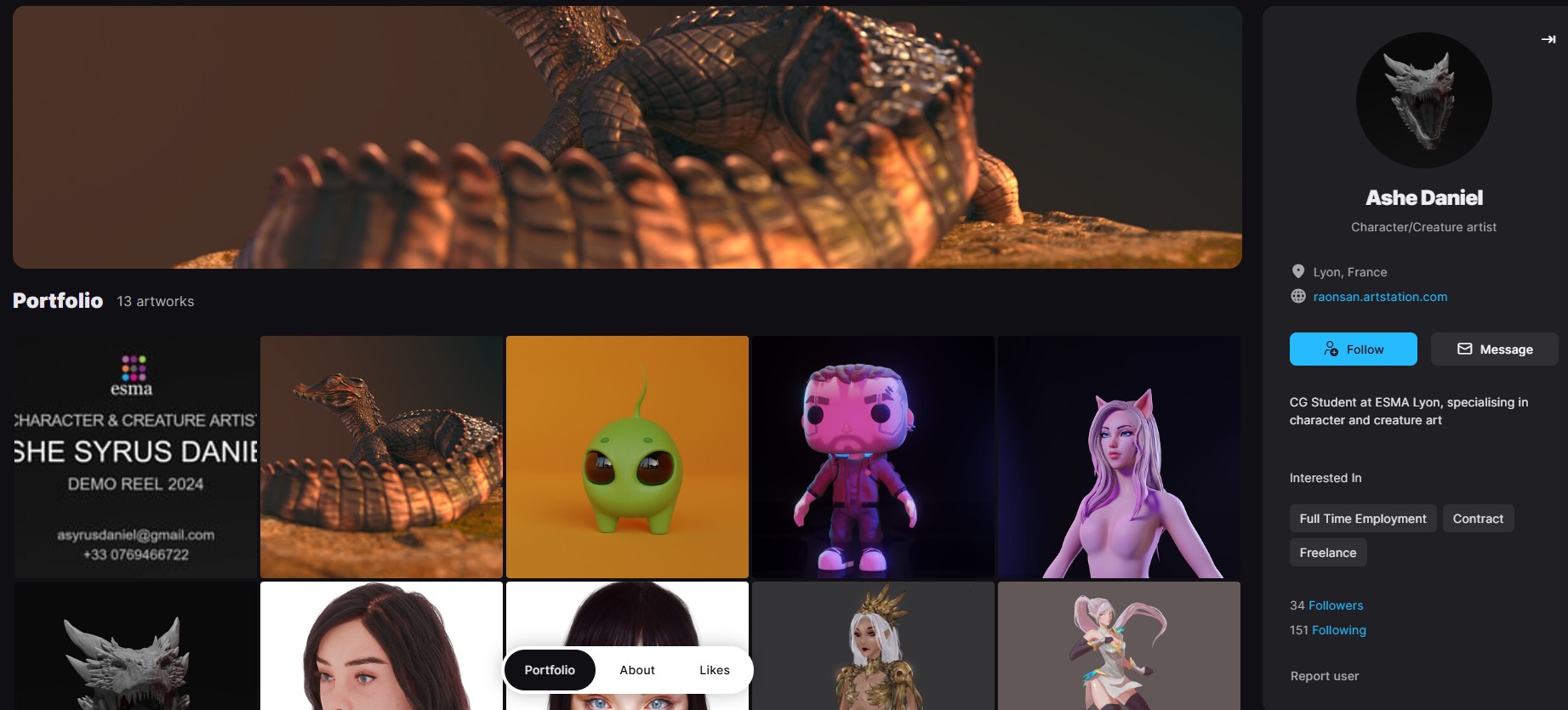
Ashe Daniel now works as a freelance artist. You can view her portfolio and contact her here: