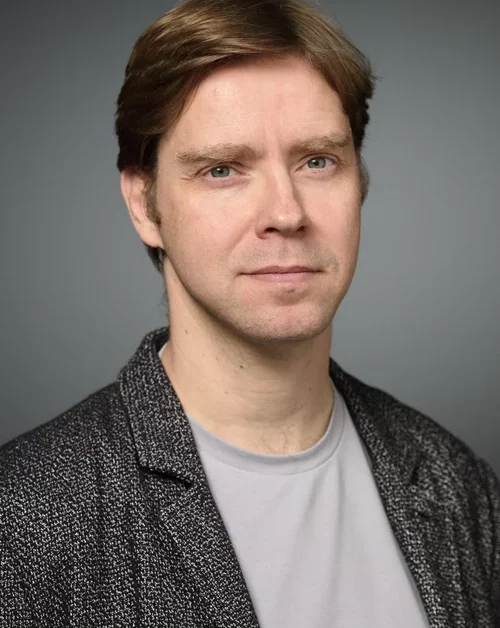
Anthony Bonnard graduated from ESMA in 2016 and has been working in the animated film industry for nearly ten years. After gaining experience at several London-based studios, he now works at Illumination in France, where he holds the position of lead lighting artist.
He describes the role simply: “Being a lead means being a team leader within the lighting department.” It is a concise definition, yet one that encompasses a wide-ranging role, at the intersection of visual creation, technical expertise and team support.
Throughout his career, he has developed an approach to the craft in which the quality of an image is not limited to its aesthetic appeal. It also depends on its clarity, its narrative coherence, and the team’s ability to ensure that the artistic vision is carried through to the final image.

A journey shaped by drawing and cinema
Before entering the animation industry, Anthony Bonnard initially trained in the applied arts. His interest in visual art developed gradually, drawing on two complementary influences: drawing, which he discovered at a young age, and cinema, which became a passion during his secondary school years.
He also highlights the importance of family support in this decision: “I was very lucky to have parents who encouraged me to pursue what I wanted to do.” This confidence enabled him to seriously consider a career in the arts and to look for training that matched his ambitions.
His journey, however, was not immediately straightforward. After leaving school, he spent a year at a college in Lyon, which he describes as an inconclusive experience. Looking back, he sees it as a period of maturing. He needed structure, but also greater discipline and independence.
Enrolling at ESMA marked a turning point. It enabled him to leave his hometown, break away from his family environment and take responsibility for himself. This personal development went hand in hand with his artistic progress. The school became both a place of learning and a space where he developed a work ethic more in line with professional demands.

ESMA: a foundation of technical and human expertise
Anthony Bonnard first acknowledges the technical value of the course. Upon completing it, he felt he had the necessary foundations to enter the industry on a solid footing. “ESMA gave me the technical skills I needed to be effective in the industry I work in today,” he explains.
This training enables him to embark on his first professional experiences without feeling left behind or out of step with the studios’ expectations. But it is not just this technical aspect that he takes away from the experience.
Looking back, he places greater emphasis on the less obvious aspects of the course. The final-year project, carried out as part of a team, enabled him to develop key skills: organising a group, driving a joint project forward, maintaining a constructive atmosphere, and learning to work with others.
These human aspects now play a central role in his day-to-day work as a team lead. It is no longer just a matter of producing his own images, but also of supporting the work of others, facilitating communication and helping the team to progress. Anthony Bonnard attributes this focus on the collective directly to his experience at ESMA.
The final-year project: a formative experience
Among the most memorable aspects of his training, he cites the final-year project. He describes it as a rare experience: a whole year spent making a film as part of a team, with support from the tutors.
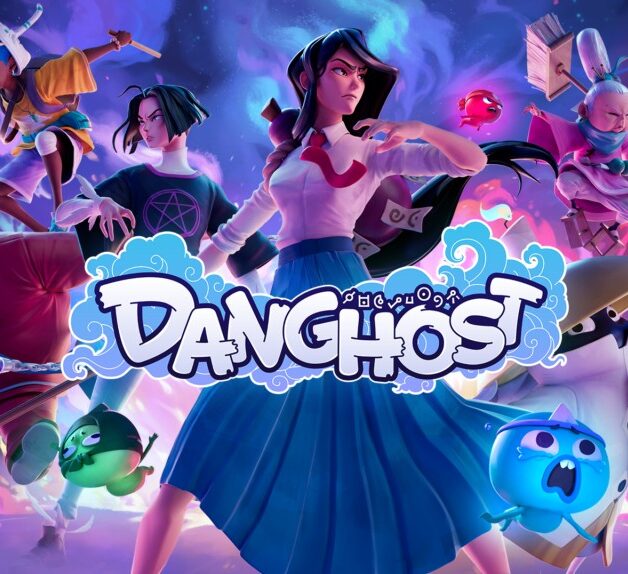
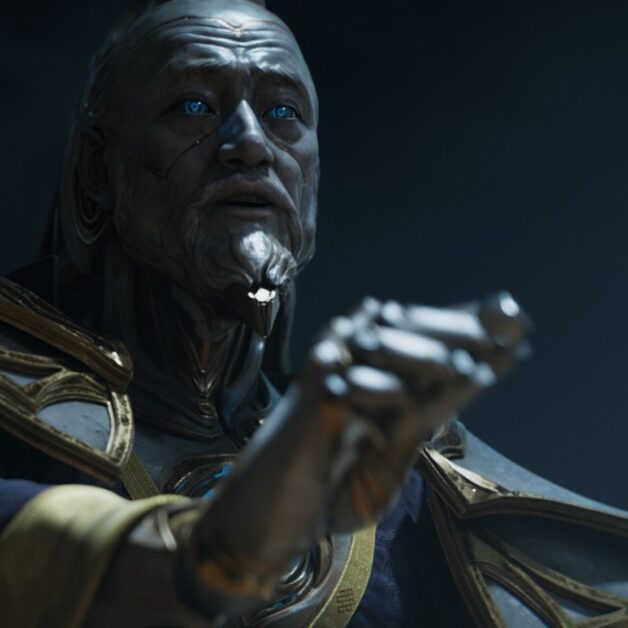
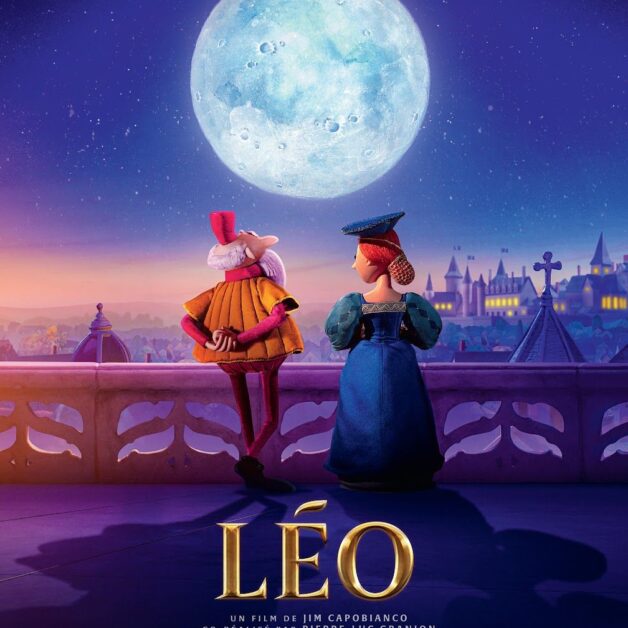
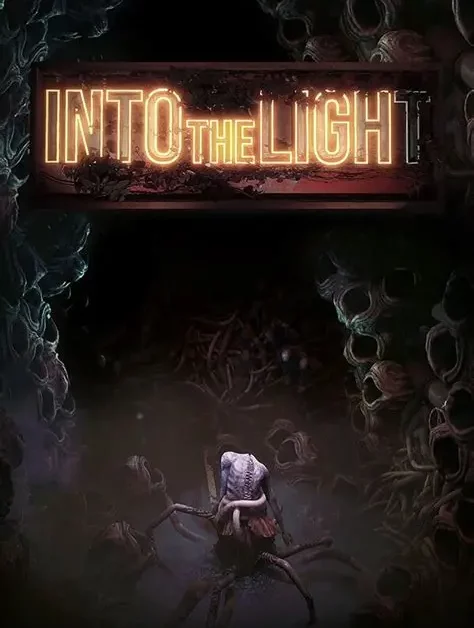
Looking back, what stands out for him is the chance to go through every stage of a project. “Having the chance to see a project through from start to finish, from script development to the big-screen screening, is no small thing.” In the world of animated film, this experience provides a real-world understanding of the duration, constraints and demands of a production.
This final year serves as a demanding interlude. It provides the time to develop an idea, test it collectively, resolve problems and bring an artistic vision to fruition. It also allows us to gauge what teamwork on a long-term project really entails.
This experience remains one of the most valuable lessons he took away from his time at ESMA. It taught him that a film’s success depends not only on individual skills, but also on the quality of working relationships and a team’s ability to pull together.
Lighting: a craft that serves storytelling
At Illumination, Anthony Bonnard works in the lighting department. To make his job easier to understand, he compares it to the role of a director of photography on a film set. The difference lies in the medium: instead of setting up physical lights on a set, the lighting artist designs the lighting within a 3D environment.
Lighting involves working with light, shadows, the clarity of the image and the direction of the viewer’s gaze. The aim is not merely aesthetic; it is about guiding the viewer and supporting the staging. “Our aim is to make the image as beautiful and clear as possible, and to draw the viewer’s gaze to where we want them to look.”
This narrative dimension is central to his approach to the craft. Lighting must extend the film’s intent, heighten an emotion, clarify an action or enhance a moment in the narrative. He sums it up as follows: “The lighting must tell the same story as the film.”
From this perspective, lighting is not merely a finishing touch. It plays a full part in the film’s construction. A successful shot is not just an attractive one: it is one that serves the narrative, respects the artistic vision and helps the viewer to immerse themselves in the scene.
Being a lead: coordinating without losing sight of the bigger picture
The role of lead lighting artist also involves team management. Anthony Bonnard must ensure that the artists have the right working conditions, that the tools provided make their day-to-day work easier, and that artistic intentions are properly communicated.
His role involves, in particular, acting as a link between the graphic designers, the production team and the production staff. He acts as an interface, responsible for ensuring consistency between the film’s vision and its practical execution by the teams.
He puts it succinctly: ‘We must ensure that the film’s message and its visual style are not lost between the original vision and our work. ” This sentence sums up the lead’s responsibility well. It is not just a matter of checking the technical quality of the images, but of maintaining artistic continuity throughout the entire production chain.
This role therefore requires a dual set of skills. On the one hand, you need to have a firm grasp of the visual and technical aspects of lighting. On the other, you need to be able to organise the work, listen to the teams, give clear instructions and support everyone’s development. The lead serves as a technical point of reference, an artistic liaison and the driving force behind the production process.
Notable projects, balancing trust and responsibility
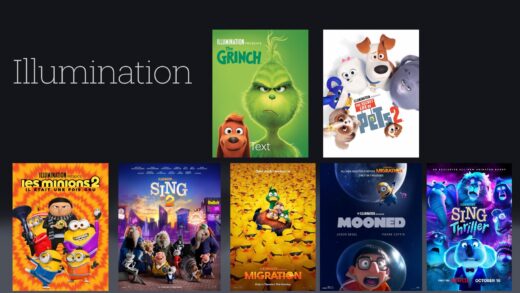
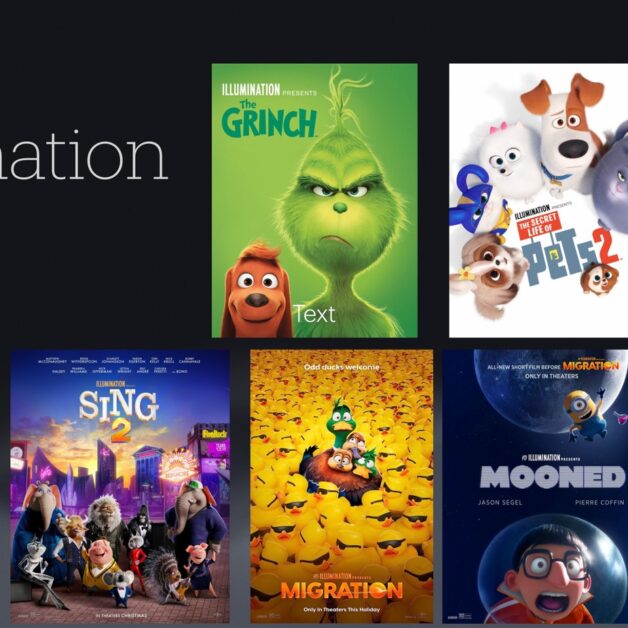
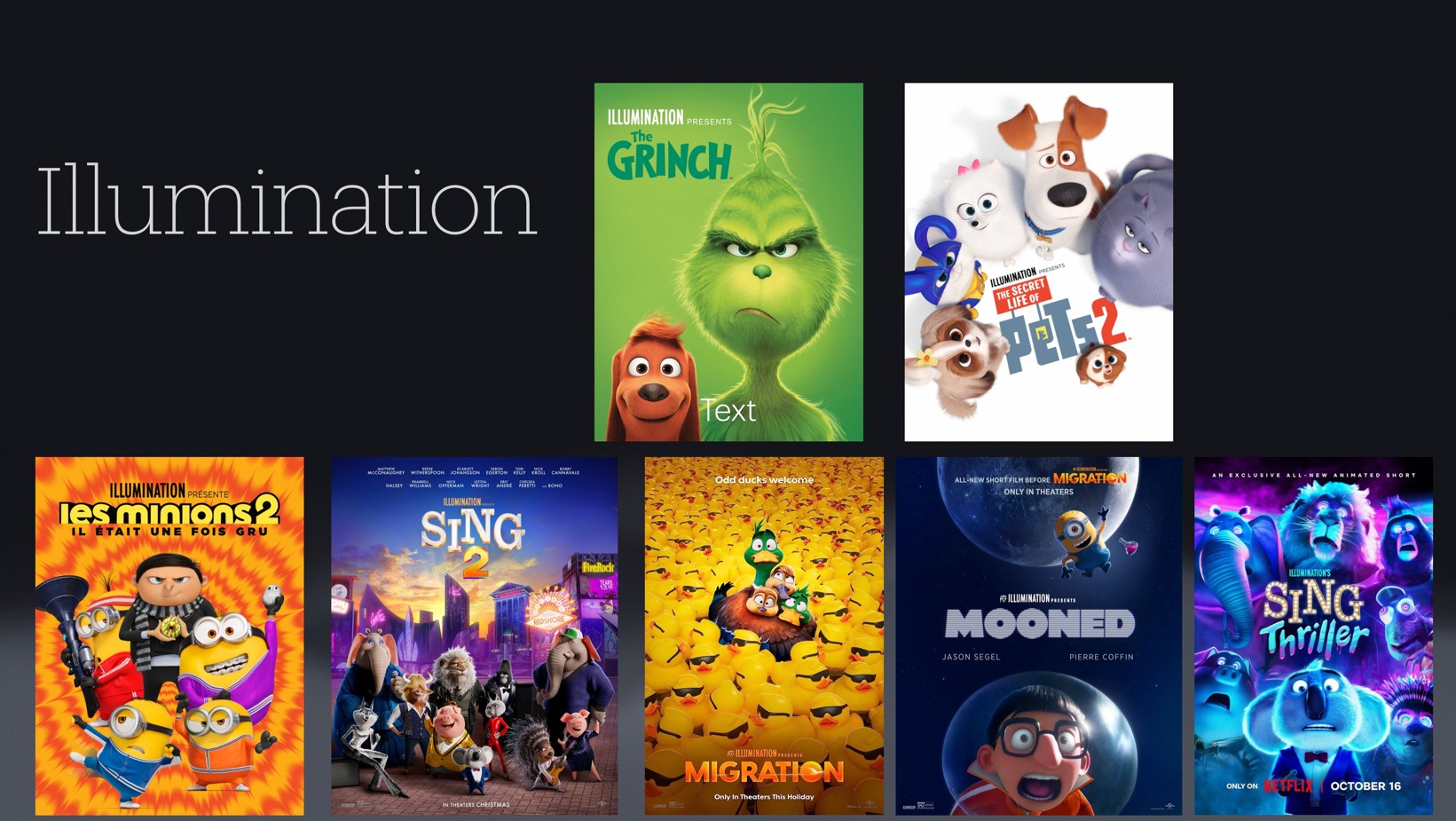
At Illumination, Anthony Bonnard works on animated feature films. The studio is best known for films such as *Minions*, *Despicable Me*, *Mario*, *Migration* and *Sing*. At the time of the interview, he explained that he was working on a *Minions* sequel scheduled for release in 2026.
This project holds a special place in his career. He has significant responsibilities on it, which highlights the trust placed in him. “It’s a project where I’ve had significant responsibilities. I’ve been entrusted with it.”
Trust is a recurring theme in his account. It also features in his recollection of one of his first major projects after graduating from ESMA, which he worked on at The Mill in London. This experience allowed him to make a real start in the industry and rediscover the sense of magic he had been hoping for when he left school.
He looks back on it as a formative experience, shaped by a close working relationship with the teams. “That’s where I learnt a great deal, and it was also the first time I was truly trusted to do my job.” This first professional recognition remains a defining moment for him.
Through these experiences, he demonstrates that significant projects are not defined solely by their visibility or scale. They are also defined by the responsibilities entrusted to staff, the quality of the team, the working atmosphere, and the sense of progress within a challenging environment.
Solve problems, then help others to solve them
When describing what makes a good professional, Anthony Bonnard draws on his experience in lighting, whilst recognising that this perspective can be applied more broadly to the visual arts.
In his view, competence is measured first and foremost by the ability to tackle practical production challenges. The job isn’t just about getting things done when everything is running smoothly. It’s also about identifying bottlenecks, finding solutions and helping others to move forward.
He sums up this idea as follows: “A good graphic designer is someone who has encountered problems, has been able to solve them, and then knows how to help others solve them.” This definition places experience, independence and the ability to pass on knowledge at the heart of professionalism.
Alongside this technical expertise lie personal qualities. Knowing how to manage one’s emotions, dealing with different personalities, and helping to lift others up: for Anthony Bonnard, these factors are not secondary. They determine the quality of teamwork and the ability to establish a lasting presence in the industry.
In an industry driven by projects, personal reliability has become a skill in its own right. It explains why certain people are called upon time and again, why they are entrusted with greater responsibility, and why they manage to thrive in demanding environments.
Artificial intelligence: a technology that needs to be integrated systematically
When it comes to artificial intelligence, Anthony Bonnard takes a cautious stance. He begins by pointing out that, in his current professional environment, these tools have not yet been fully integrated into day-to-day practices. “At the moment, we don’t really use it in our industry.”
He also emphasises the time required to adopt new technologies within large organisations. Integrating a tool into a production line is not simply a matter of adding it to existing software. It must be assessed, managed, adapted to working methods and its impact on teams must be measured.
Nevertheless, he remains confident. He places artificial intelligence within the broader context of the technological developments that have transformed 3D animation. Since the first feature films were made in 3D, the industry has already undergone several technical revolutions. It has learnt to understand them and to use them to further creativity.
For him, the challenge will be to use these technologies as tools to boost efficiency, particularly for certain repetitive or tedious tasks, in order to free up time for creativity. “We will be able to use this technology as a means of working more efficiently, replacing certain tedious tasks and focusing on more creative ones.”
This approach rejects both naive enthusiasm and alarmist rhetoric. Artificial intelligence represents a significant change, but Anthony Bonnard sees it as a technology to be harnessed, guided and put at the service of artists.
Graphic styles that expand the language of animation
Anthony Bonnard also notes a shift in visual references within animation. He talks about graphic styles that are changing and expanding, enabling the industry to gradually move beyond certain established conventions.
In his view, this diversification is beneficial. It broadens perspectives, enriches our frame of reference and opens up new possibilities for artists. “Continuing to explore other graphic styles helps our industry, our perspective, our aspirations and our motivation to evolve.”
This shift is particularly evident in final-year projects. Whereas previous generations sought to emulate studios such as Disney, Pixar or DreamWorks, students today are exploring other directions. He observes influences closer to Sony or Fortiche, with graphic styles that are sometimes closer to 2D.
For him, this openness is a positive sign. It familiarises audiences with different forms, encourages experimentation and helps to broaden the language of animation. In an industry that is still relatively young, this ability to renew aesthetic approaches is a key driver of progress.
Curiosity: a key quality for students
Aimed at students, he highlights a quality that he believes is too often underestimated: curiosity. In his view, it enables you to develop your own personal perspective, broaden your horizons and become someone others want to work with.
He sums up simply what can make all the difference in a team: “People need to want to work with you. ” Technical skills remain essential, but they are not always enough. A team also looks for people who can engage with others, take an interest in them, offer insights and contribute positively to the team dynamic.
This curiosity needs to be nurtured from an early age. Anthony Bonnard advises students to take an interest in films, images and music, but also to learn how to explain why certain works resonate with them. This ability to articulate one’s tastes then becomes a valuable tool for advocating one’s own projects.
Being able to explain why an image works, why a scene makes an impression, or why an idea is close to one’s heart helps to better convey an artistic intention. For Anthony Bonnard, this is an essential first step even before entering the industry: learning to observe, to understand what one likes, and then to convey it clearly.