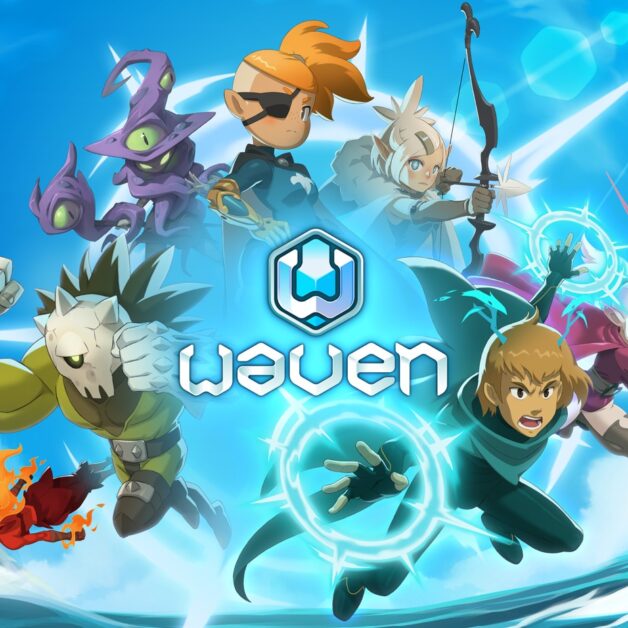
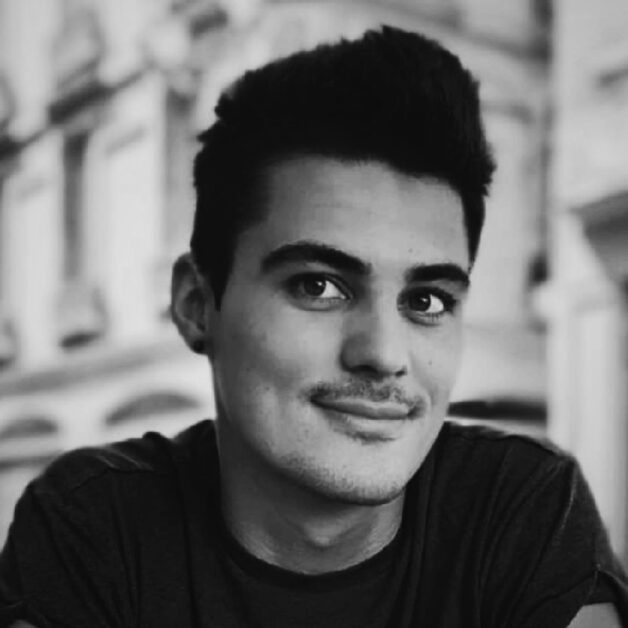
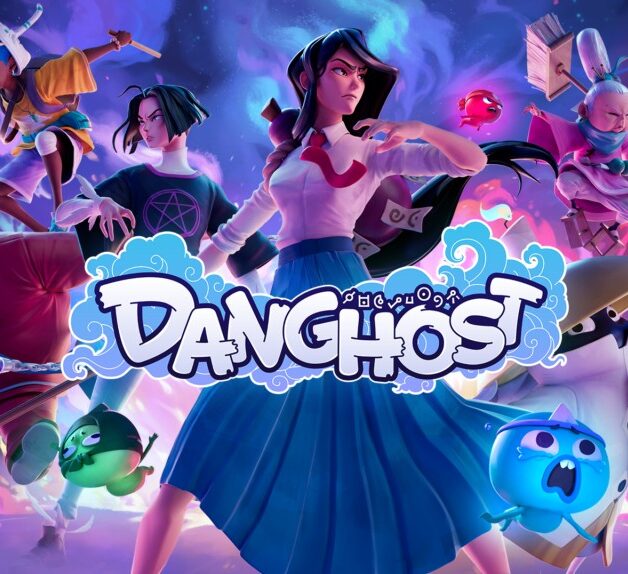
In addition to animation and video games, ESMA leads to a wide range of professional careers. More and more industries are using 3D, from the automotive and aeronautical industries to pharmaceuticals and education.
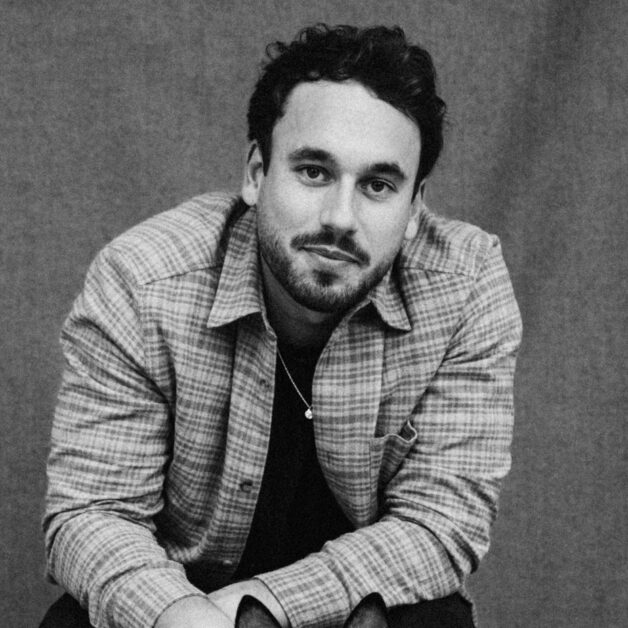
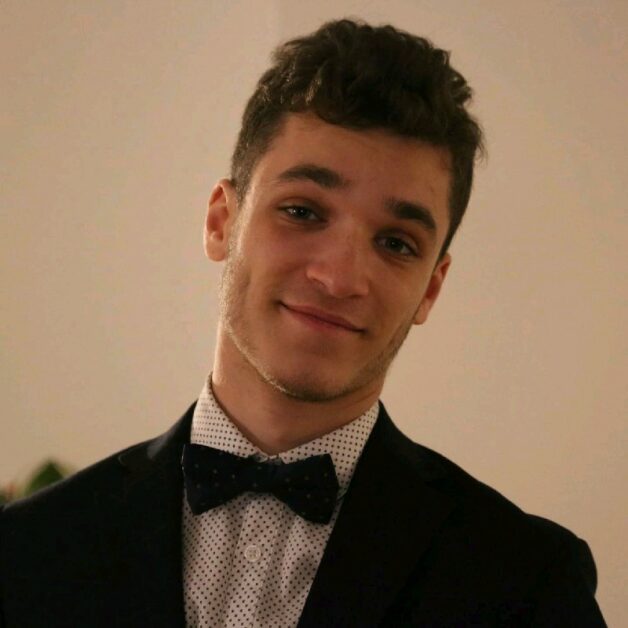
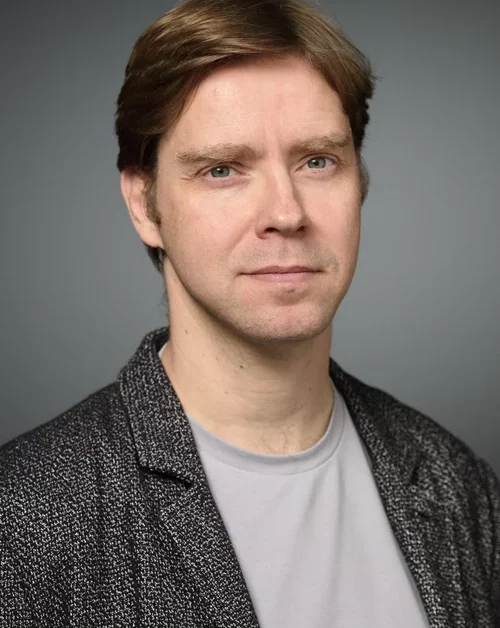
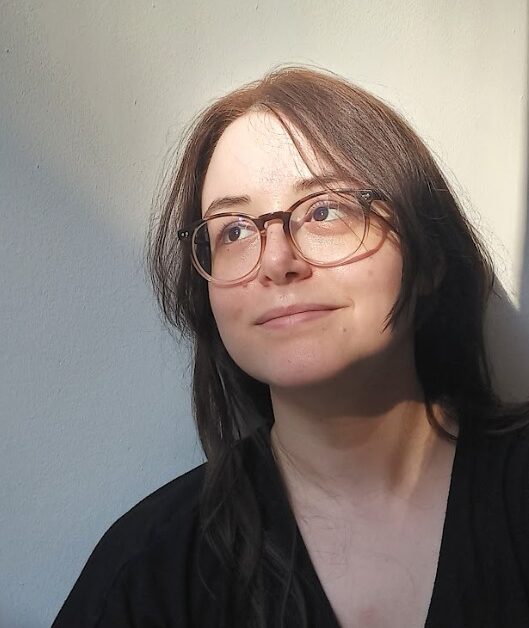
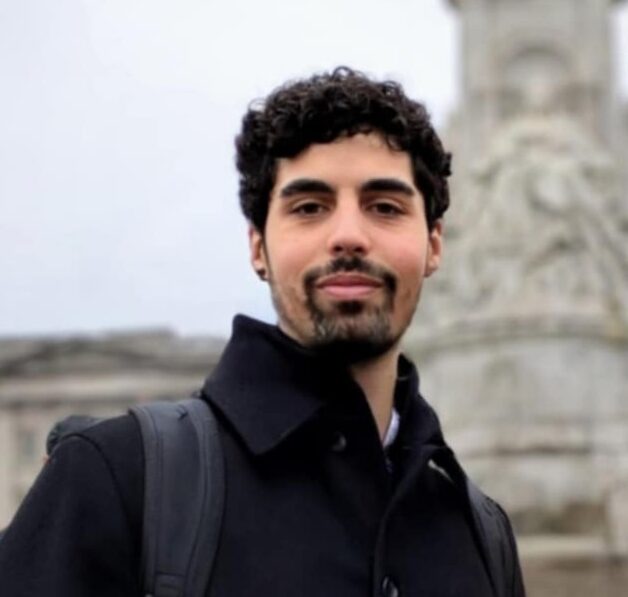
Nicolas Gracia has now built his career as a freelance computer graphics and 3D designer. After graduating from ESMA Montpellier in 2008 with a degree in 3D animation and special effects, he worked with major international studios in France, Belgium and Luxembourg before setting up as a freelancer in 2015.
As he enters his tenth year as a self-employed entrepreneur, we caught up with Nicolas. He agreed to talk to us about his unique career path, and shed light on some of the lesser-known opportunities offered by our training.
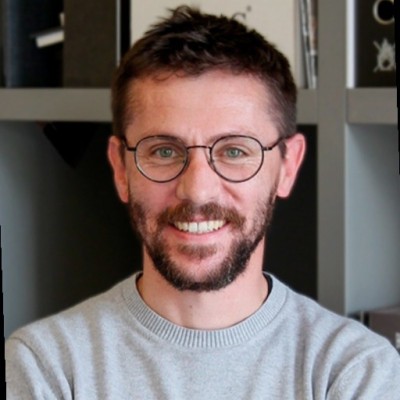
Can you briefly introduce yourself and tell us about your career path from your years at ESMA to your current position as 3D Designer?
Of course you can. My name is Nicolas Gracia, and I’m a computer graphics and 3D designer. Between 2005 and 2008, I studied at ESMA Montpellier [after a Bac Pro EIE, Electrotechnique, and a year of MANAA Mise A Niveau Arts Appliqués at École Bellecour, editor’s note].
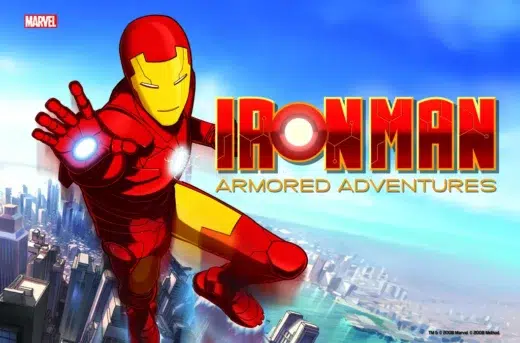
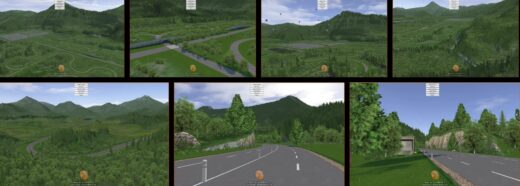
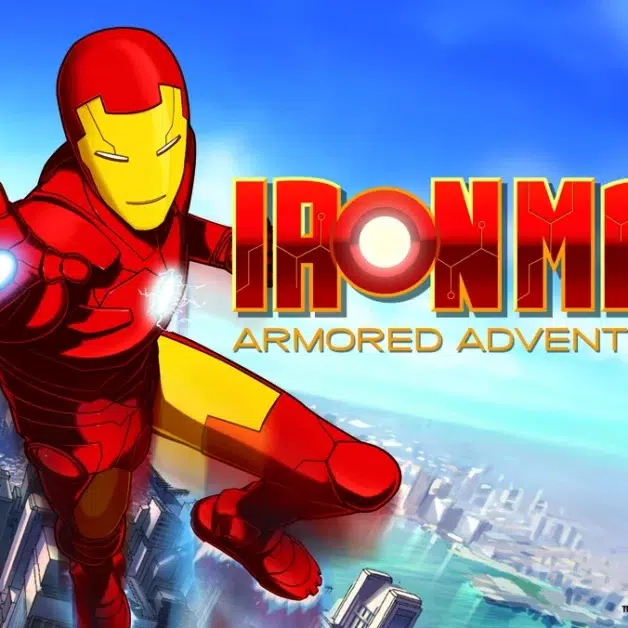
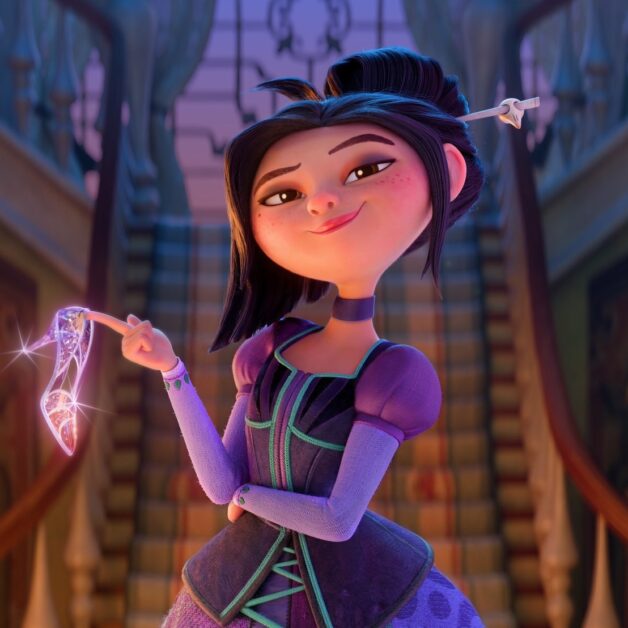
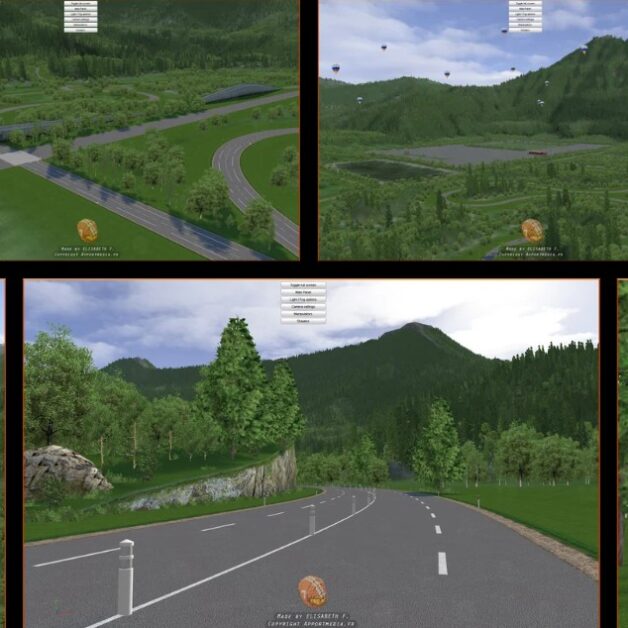
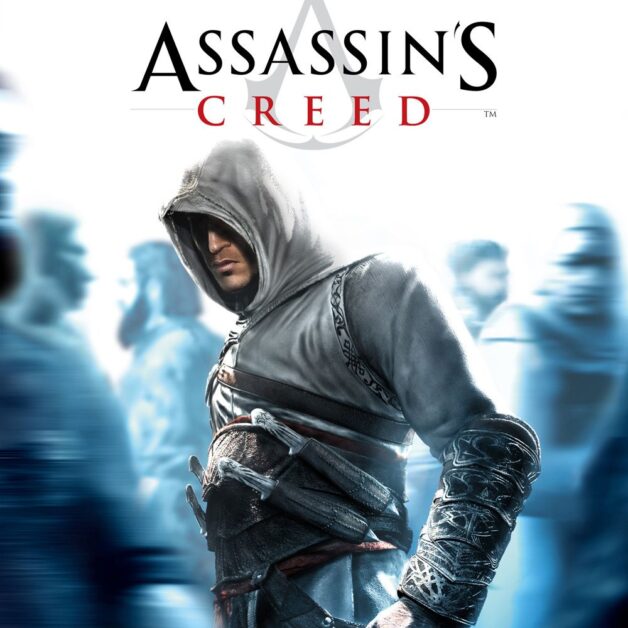
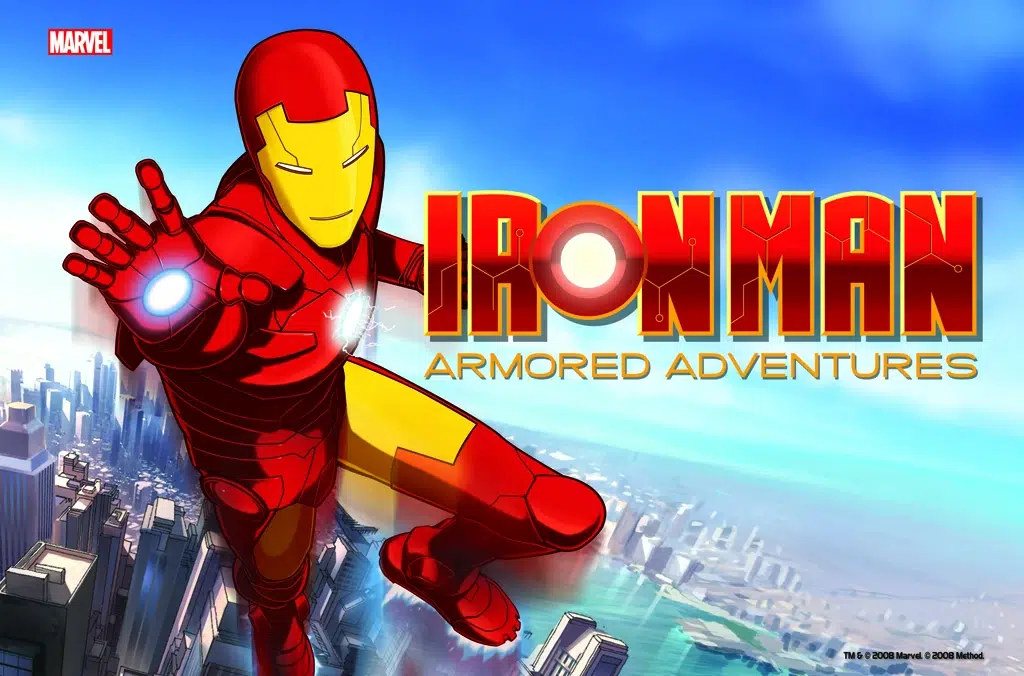
When I left school, I started working in animation on various projects, notably at Ubisoft in Montpellier on the video game FROM DUST and at Onyx Lux 3D in Luxembourg on the Charlie Chaplin series and the second season of Iron Man “Armored Adventures”.
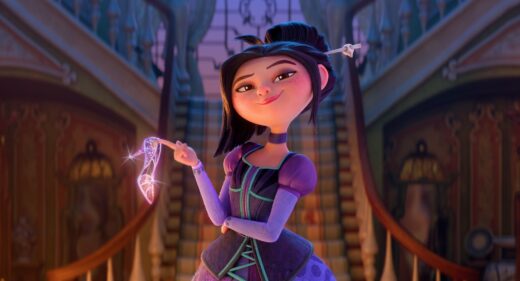
I then moved on to generalist positions at Luxanimation on Bob et Bobette: Les Diables du Texas, then at Nwave in Belgium on the feature film Robinson Crusoe. I started working as a 3D designer in 2015.
Today, I work on projects combining architecture, product design, BIM (Building Information Modeling, a construction project management method based on a 3D digital model containing reliable, structured data) and visualisation for architects, as well as product design.
This is done on a freelance basis and in collaboration with various studios, both in industry and in communications.
What made you choose this school and this sector?
I’ve always had a passion for animated films, video games and images. ESMA already had a very good artistic and technical reputation, and for me it was the best gateway to this profession. The course gave me a solid grounding in animation, modelling and lighting, but above all it gave me a working method: pipeline, teamwork and production management. This is what enabled me to adapt to very different sectors.
Looking back, the things that made the biggest impression on me were the group projects, the all-nighters and the graduation film. Through these experiences, I learnt an enormous amount about collaboration, rigour and stress management in large-scale projects.
Is what you do today what you imagined as a student?
Not entirely. I thought I’d only work in 3D animation, but the profession has become much more hybrid. In fact, it was 3D itself that, combined with my personal and professional choices, led me to architecture, BIM and design.
What types of projects are you currently developing?
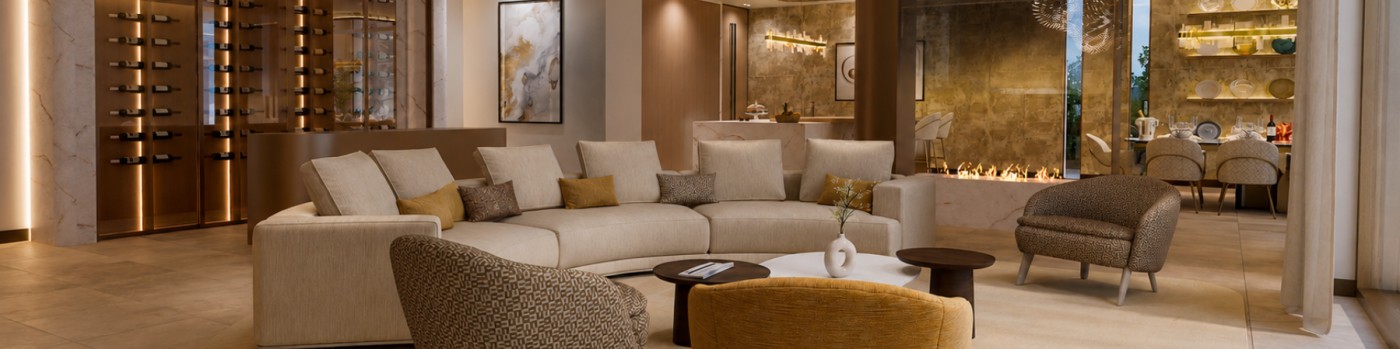
I work on architectural renderings, product visualisation, 3D videos for industry and BIM projects. As part of these various assignments, I’m often involved from design to delivery, including art direction. I’m very proud to be able to combine creativity, technical precision and complete production management in my projects. It’s gratifying to see a 3D project come to life in the real world.
What skills would be essential for a young 3D designer today?
A solid artistic foundation, technical versatility and a good understanding of pipelines to start with. The ability to communicate with customers and great adaptability to new tools, on the other hand. A mix of technical and human skills.
How do you see the current state of the 3D design sector in France and internationally?
Pragmatically speaking, the demand is there, but expectations in terms of quality and speed are very high. French talent is renowned for its creativity, but globalisation is putting studios in direct competition, often at lower cost. Budgets are getting tighter, and expectations are getting higher. I personally believe that this is a structural transformation linked to new technologies, especially AI, and to the globalisation of the market.
As professionals, new technologies such as generative AI, 3D scanning and collaborative tools are speeding up production and opening up new creative avenues, but they also require constant monitoring. We can test faster and iterate more, but we need to know how to manage projects properly and support customers who arrive with more references and more demands.
So what do you think makes a good professional in today’s industry?
Rigour, curiosity, the ability to communicate with customers and to work as part of a team. Technical skills alone are no longer enough. That’s why it’s so important to support young graduates. They often have a good artistic level, but lack experience of the real constraints: deadlines, budget, client relations, etc. That said, partnerships between schools and studios are developing, and that’s positive. I’m in favour of adding even more projects in real production conditions. Today’s teams are smaller but more versatile, so you need to be able to react quickly. And as I said earlier, deadlines are getting shorter, but the expected quality is increasing.
How do you reconcile technological innovation and artistic excellence in your projects?
By keeping the artistic direction at the centre: technology is a tool that must serve the idea, never the other way round.
What do you see as the major medium- or long-term trends in the sector?
Real time, advanced BIM, assisted AI, immersive experiences, convergence between architecture, design and animation. And France has a role to play. Today, our country remains renowned for its creativity and artistic quality. We need to continue to cultivate this identity in a global market.
And where do you see yourself in 5 years’ time?
In five years’ time, I see myself continuing to develop as a 3D designer, with more artistic direction and ever more exciting and stimulating collaborations. The objective remains the same: to work on demanding, creative and technically innovative projects.
What advice would you give to students training today?
Work on your artistic foundations, be curious, do personal projects and learn how to communicate your work. As far as schools are concerned, teaching production management and customer relations is also a step in the right direction. At the same time, they need to reinforce the practical aspects, through projects in real conditions, as I mentioned earlier.
Anything else you’d like to share?
3D is a demanding but exciting profession: technology is constantly evolving, but creativity and perseverance remain the keys.
To find out more about Nicolas’ projects, visit his website.