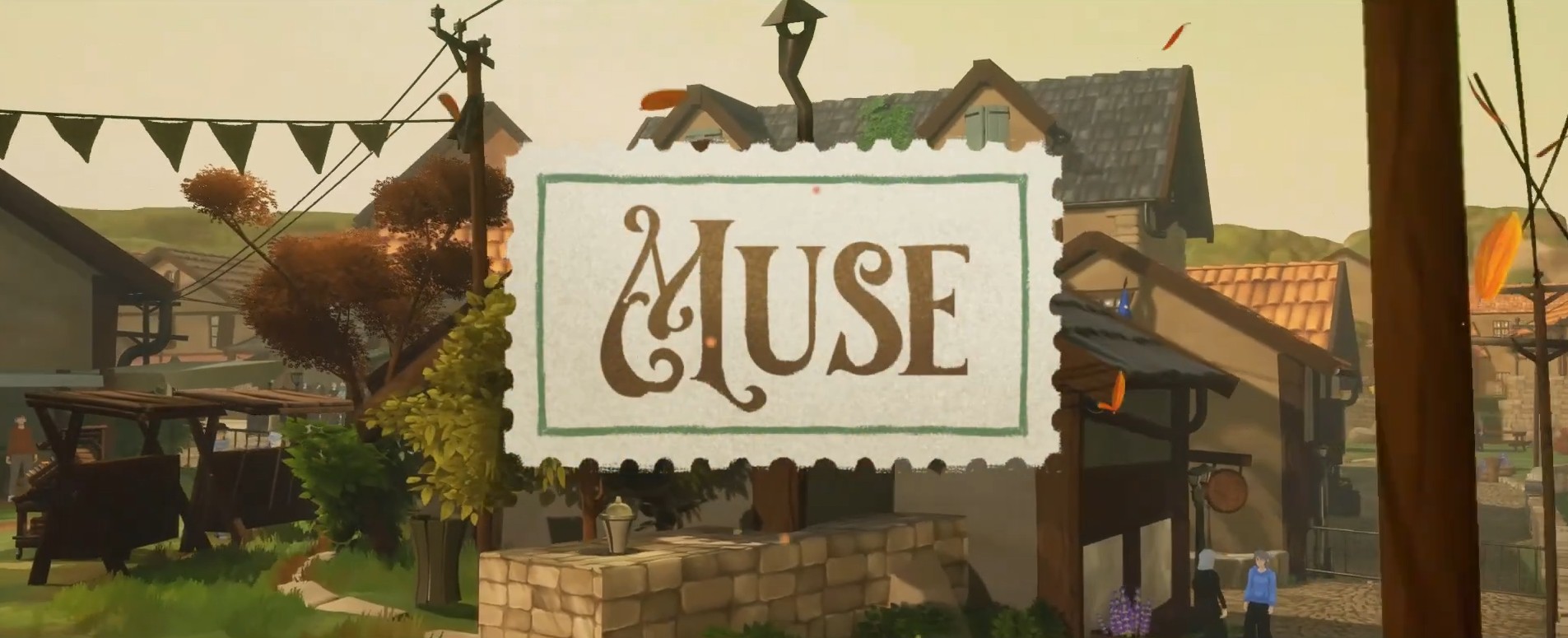

A sweetly poetic narrative game, where every encounter and every decision leads you into the past of this endearing protagonist.
Behind Muse, which can be played for free on PC, are Juliette Bertrand, Pauline Gaertner, Timéo David, Hazel Villalonga, Alix Fidanza, Gwenaëlle Meurs, Paul Minier, Alexandre Plantard and Macéo Muccignato. A team of nine students who worked together for almost a year on this ambitious end-of-studies project. The result was a coherent, well-crafted game with a distinctive universe, which earned the team the Grand Prize at the ESMA Video Game Award 2025.
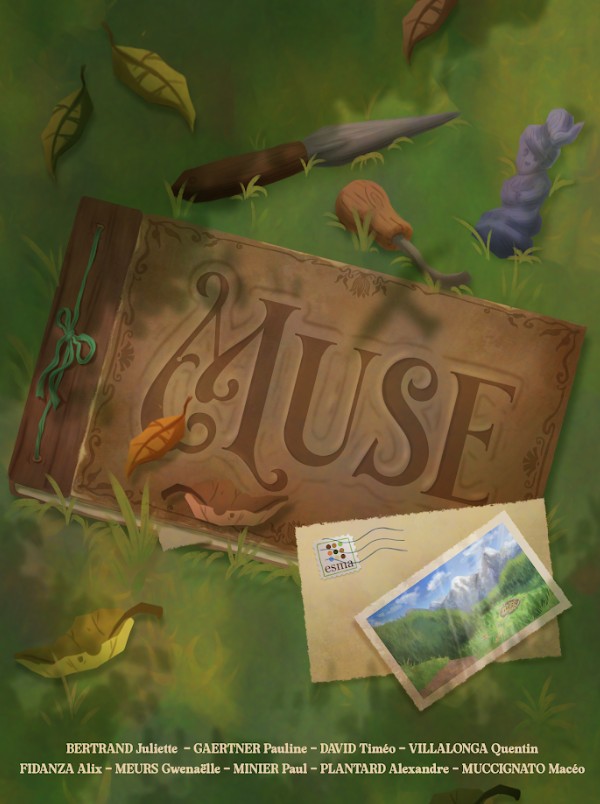
The jury of 14 French professionals from the four corners of France hailed this collective effort as a great achievement.
To find out more about the challenges faced by the team, take a behind-the-scenes look at the creation of Muse below.
Letter to Élise
The story follows in the footsteps of Élise, a young artist who returns to her childhood village, Bergerose-les-prés, to find new inspiration. As you explore these familiar places and interact with its inhabitants, you’ll be forced to make decisive choices in your relationships, shaping your own journey and the outcome of her story. ” Muse is first and foremost a gentle adventure where you take the time to chat with the locals, reminisce about the past and make new connections,” explains the team.
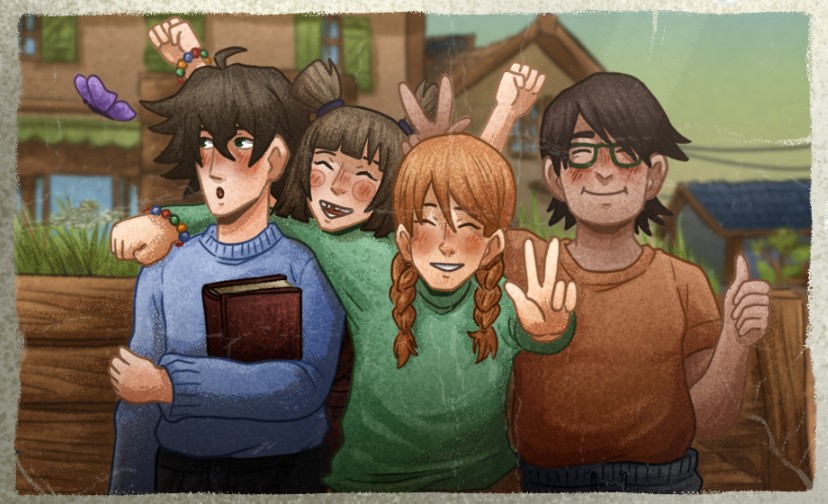
“It’s a game about family, friendship and creation. It’s the perfect experience to take a break and get away from it all. Our aim is to build a cosy world in the style of Tiny Glade, while allowing players to live their own adventure and experience a great depth of emotion.
Among our inspirations, we also mention Life is Strange for this choice part, as well as Florence, a game that really touched us.”
Drawing Bergerose-les-prés
A picturesque stopover village in rural France, Bergerose-les-prés is the setting in which the player follows in the footsteps of Élise’s inspiration and memories. “We wanted a cosy atmosphere reminiscent of small villages, using a soft palette and pleasant lighting. It’s also this atmosphere that we wanted to highlight in the promotional tools developed for the game, starting with the trailer, which we storyboarded using the same influences as those mentioned above.”
From indoors to outdoors, the team have fun multiplying the nods to the French countryside, while bathing it in an aesthetic inspired by anime and Japanese narrative games.
The work on lighting is particularly successful, creating beautiful atmospheres and a real sense of fulfilment and relaxation, which suits this narrative perfectly.
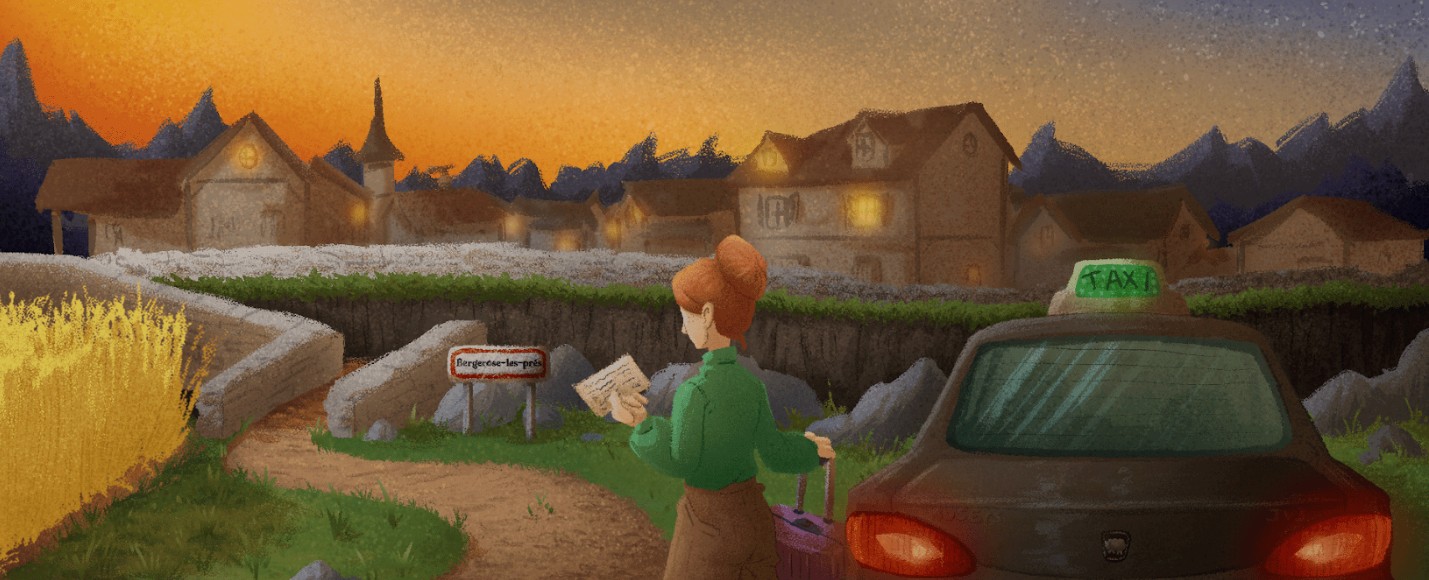
Alongside Élise, we discover a whole little world, and a gallery of picturesque characters, drawn with meticulous care and tenderness by the team.
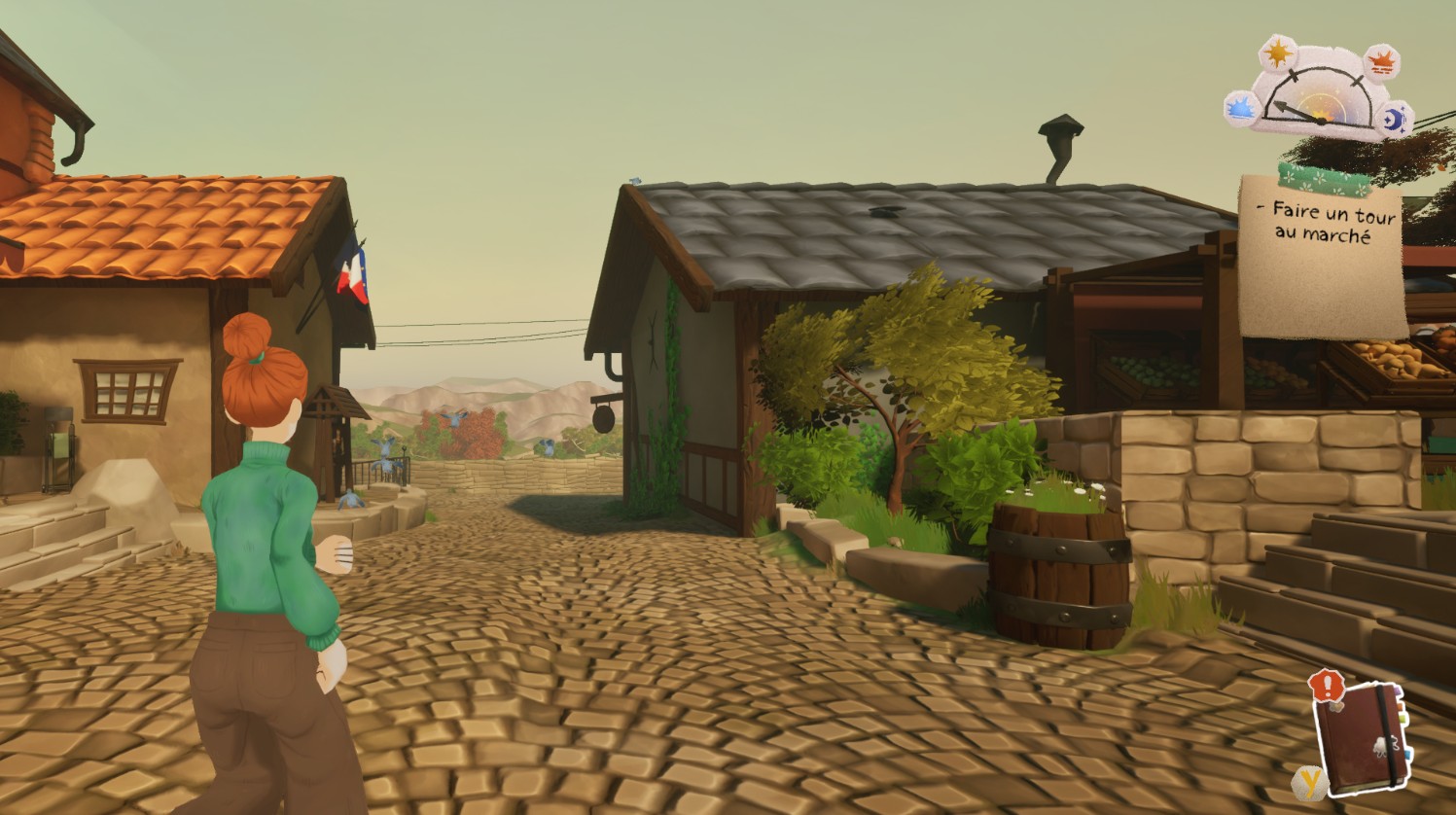
It’s an aesthetic and an atmosphere that fits perfectly with the tender rhythm chosen for this adventure centred around the creative process, itself perfectly integrated with Muse‘s gameplay.
White stone syndrome
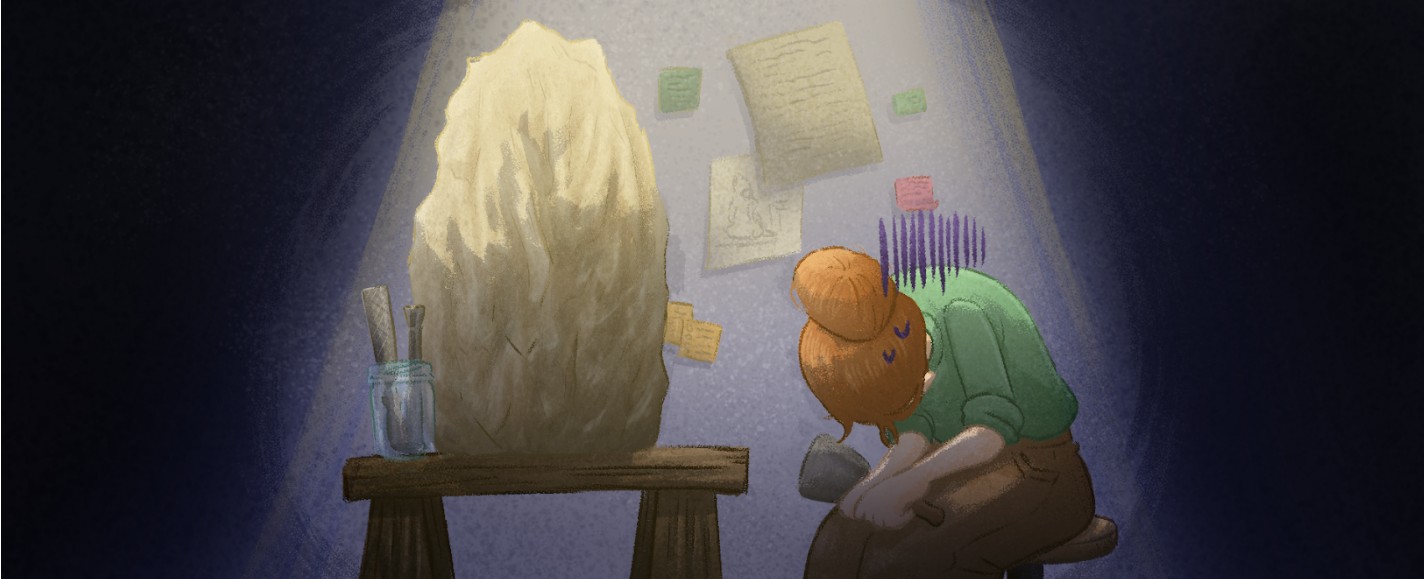
In her final year at art school, Élise is feeling the pressure of her final year’s work. That’s why she’s rediscovering Bergerose-les-prés, and setting off to meet her dead mother and the memories she left behind.
The team integrated this quest for inspiration directly into the gameplay of Muse, with sculpture sequences that evolve according to the choices made by the player. It’s a clever use of video game mechanisms to enhance the emotional resonance of this touching story, which won over the panel of professionals who met in Montpellier last June, during an event that was full of emotion for the team.
Designing a complete video game is a complex challenge, combining creativity, rigour, team spirit and endurance. For Pauline Dupuy, chair of the jury that awarded Muse this well-deserved Grand Prix, the commitment and maturity of the teams deserves to be commended. “They were able to offer rich worlds, inventive mechanics and games that were already very close to a professional version”, emphasised this seasoned producer who currently works for DONTNOD Entertainment, an internationally renowned studio.
It was a stamp of approval that struck a chord with the teams, and a real acknowledgement of all the hard work they had put in.
Find out more about the Muse game, available here :