As creators of worlds that push the boundaries of reality, spectacular effects and memorable scenes, VFX artists and their teams are now at the heart of the production of a vast number of films, whether they are animated or not.
How do you get into this role, what training do you need, and what career prospects can you expect if you choose to pursue a career as a VFX artist? You’ll find out in this guide.
What are the duties and responsibilities of a VFX artist?
The VFX artist, whether working independently or in collaboration with the creative teams on the project, is responsible for creating and integrating digital special effects into an audiovisual production.
Whether it’s a video game, an animated film or a live-action film, their work may include creating environmental effects, modelling and texturing objects, managing lighting and natural elements such as water and smoke, or even setting up the technical and artistic processes that will subsequently be used by the FX teams on the project in question.
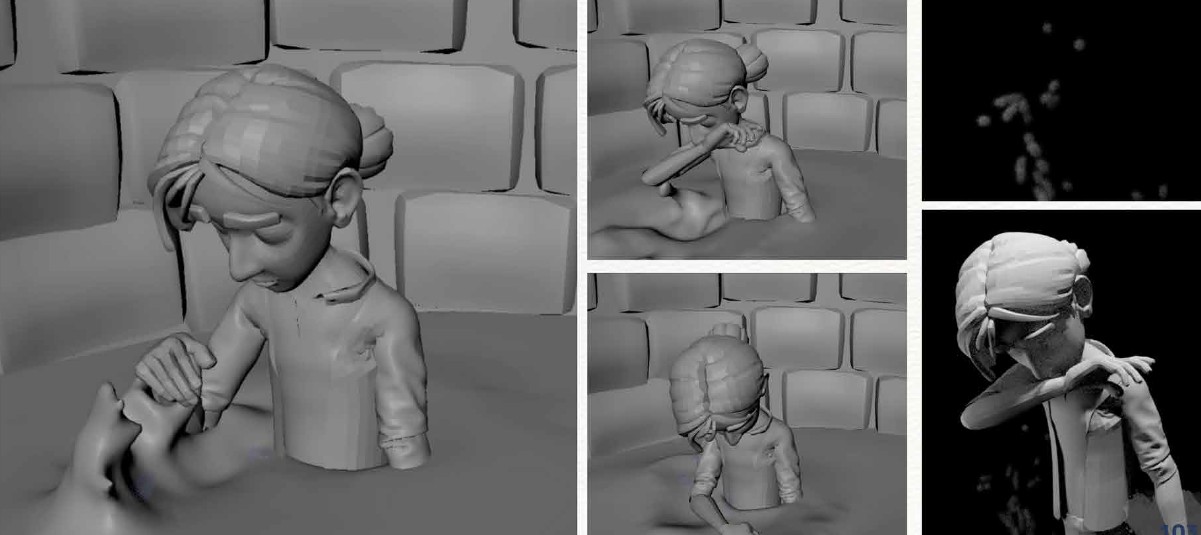
Their role is therefore essential to ensuring the final visual quality of the production, particularly if the VFX artist is working in a small team. On large-scale projects, they will often report to an art director or VFX supervisor, but the level of skill required and the importance of their work remain the same
What skills do you need to excel as a VFX artist in 3D animation?
At the intersection of technology and creativity, a VFX artist must possess a broad range of both technical and artistic skills, whilst being able to integrate seamlessly and effectively into a team.
He must therefore not only be creative, but also have a thorough command of a wide range of software (3D, animation, compositing) and tools.
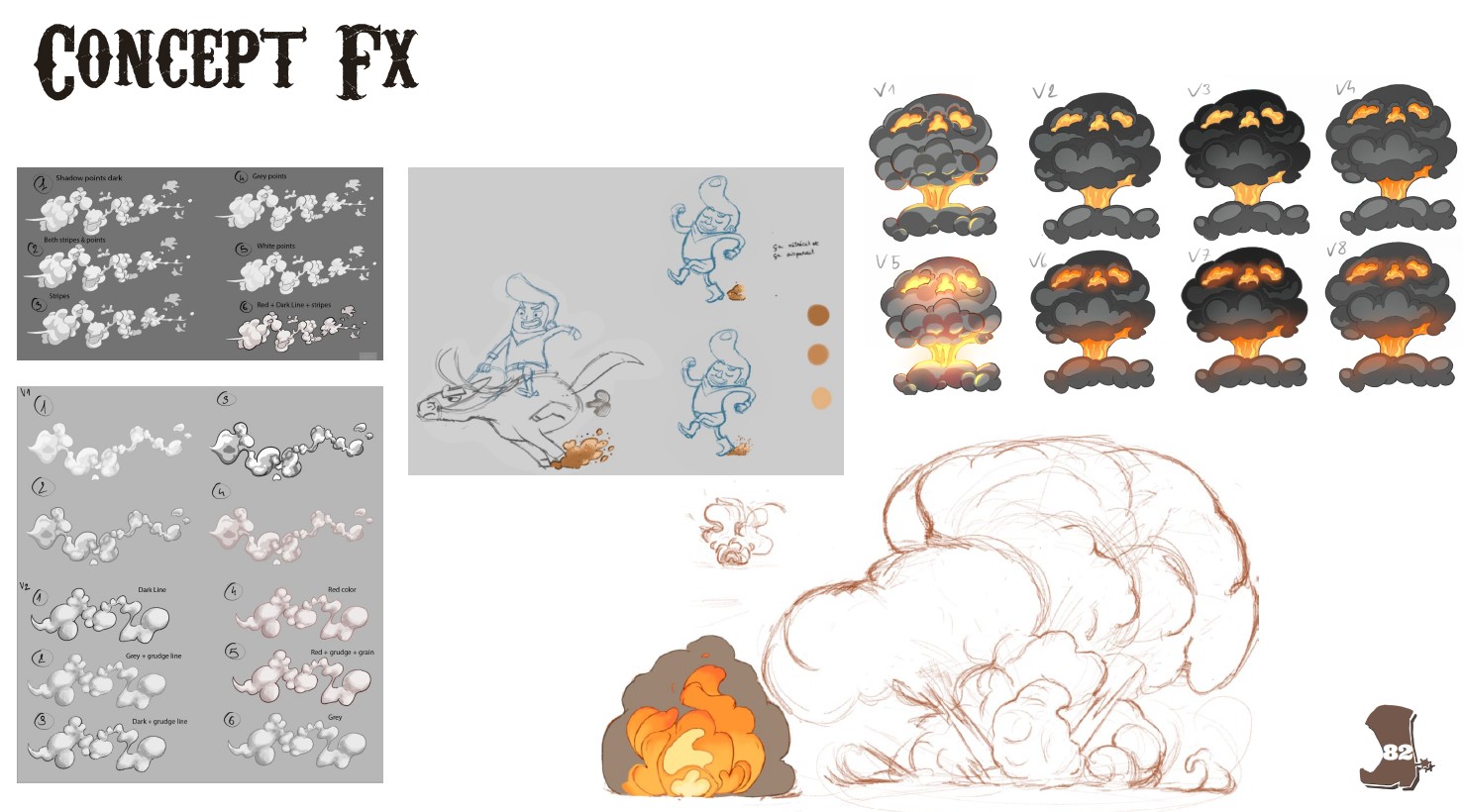
As a VFX artist, particularly if you’re looking to pursue a career in video games, proficiency in game engines is also a prerequisite, so that you can quickly get to grips with the production processes at the studios you’d like to join.
Beyond technical skills, personal qualities are essential: a VFX artist must be able to communicate and collaborate effectively within a team, be capable of giving (and receiving) constructive feedback on a regular basis, whilst also being able to work independently. These skills will make all the difference during your interviews and will help you build your network and career in this dynamic sector.
What tools and software do VFX artists use?
There are numerous tools and software programmes available to VFX artists, and these can vary depending on the productions and companies you work with. In any case, it is essential to be proficient in 3D animation and modelling software (Maya, 3ds Max, Houdini, Blender, ZBrush, to name but the best known), as well as with all the tools required for more specific tasks such as texturing, shading, lighting, etc.
VFX artists may also use tools more specific to video games, such as the Unreal Engine, Unity or the open-source Gdevelop, when working on projects related to the 3D animation or video game industries.
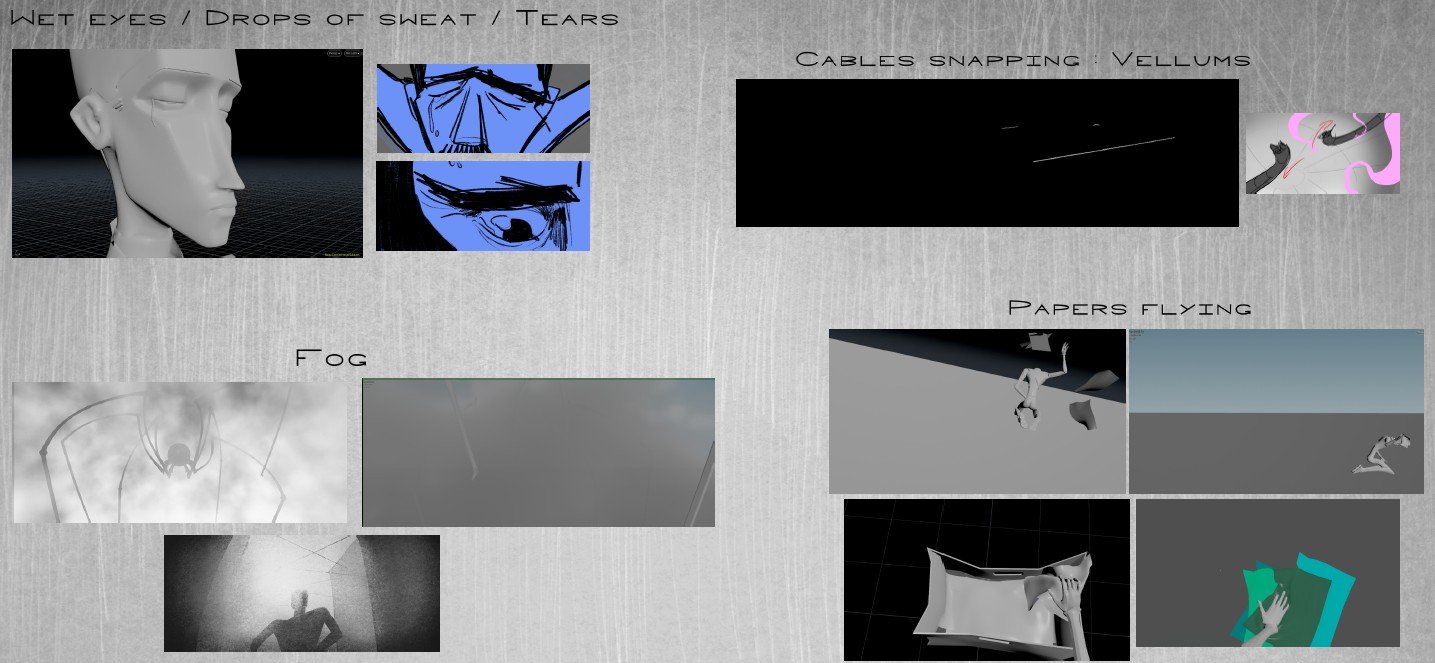
At the same time, being able to use project management tools and understand how Trello, Notion and other collaborative tools work could give you an edge when you need to slot into projects that are already underway.
Which A-levels should you choose to pursue this career path?
There is no single path to becoming a VFX artist; instead, there are a multitude of possibilities. Whether you have an artistic background and choose to train via a ST2A baccalaureate, or a more technical one (with a background in digital technology and computer science), both paths can lead to this role. The important thing, as highlighted above, is to be able to capitalise on a specific set of three skills: technical mastery of tools and software; artistic vision and creativity; and, finally, the ability to communicate and collaborate rigorously and effectively within a team.
What training do you need to become a VFX artist?
Once you’ve completed your A-levels, going on to study 3D animation is the logical next step if you’re aiming for a career as a VFX artist. These courses are designed to immerse students in the heart of the 3D production pipeline, providing them with structured and rigorous training.
The programme covers the study of 3D animation techniques, proficiency in modelling, lighting, texturing and compositing tools, as well as the development of in-depth knowledge of the industry. This knowledge ranges from learning the theoretical foundations to putting what has been learnt into practice through a wide range of exercises.
The culmination of this course is usually a final-year project designed to prepare students for the professional world, whether it be an animated short film or a video game. This project enables aspiring VFX artists to put all the skills they have learnt into practice. Thanks to this experience and the professional network they have built up during their studies through the numerous networking events organised by these schools, graduates are perfectly prepared to join a studio, a visual effects agency, a film or television production company, or even to launch their careers as freelancers.
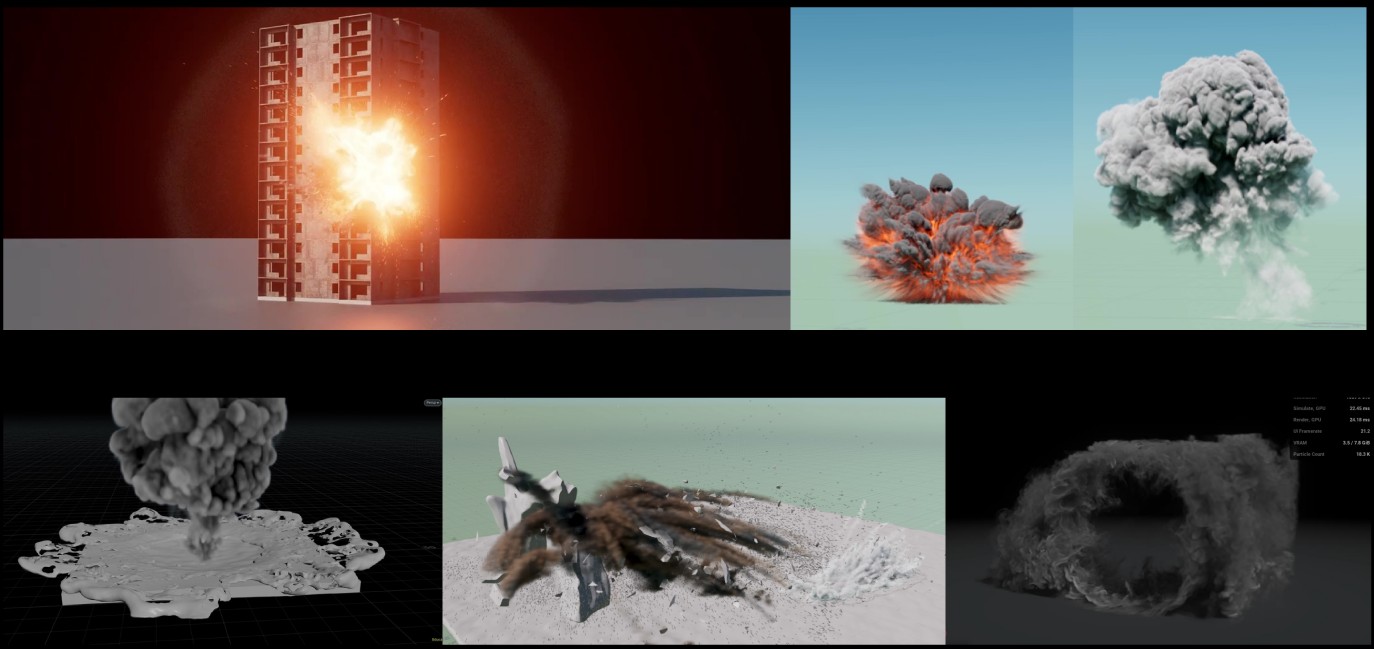
How much does a VFX artist earn?
Starting salary
A VFX artist’s salary naturally varies depending on where they work, the type of company, and the scale of the project they are working on. At the start of their career, their salary ranges from €25,000 to €35,000 gross per year, depending, of course, on the factors mentioned above.
Salary for experienced candidates
The gross annual salary of a senior VFX artist ranges from €40,000 to €45,000. This figure is likely to vary significantly depending on the technical expertise acquired elsewhere, the projects already completed, and the size of the companies employing them. In the context of major international productions, or if the VFX artist has managed to build a solid reputation, these figures may be higher.
What are the career prospects in this field?
Given their wide range of skills and the many career opportunities available to them, VFX artists may find themselves working in a wide variety of roles. The most obvious career progression is towards the role of VFX supervisor, where you will be required to manage increasingly large teams, depending on the opportunities available. At the same time, an experienced VFX artist may also decide to set up as a consultant, to meet the needs of an increasingly demanding market that is always on the lookout for quality. Finally, if you manage to build a strong team around you, setting up a 3D animation agency or a video game studio is also a very interesting career prospect.
Which school should I choose to become a VFX artist?
With its comprehensive 3D animation and special effects course, ESMA is the ideal choice for anyone wishing to become a VFX artist. Working alongside industry-experienced tutors and through work placements at leading studios, you’ll have the opportunity to put your skills to the test whilst discovering the professional realities of a constantly evolving sector.
The perfect springboard to kick-start your career and lay the foundations for your professional network.