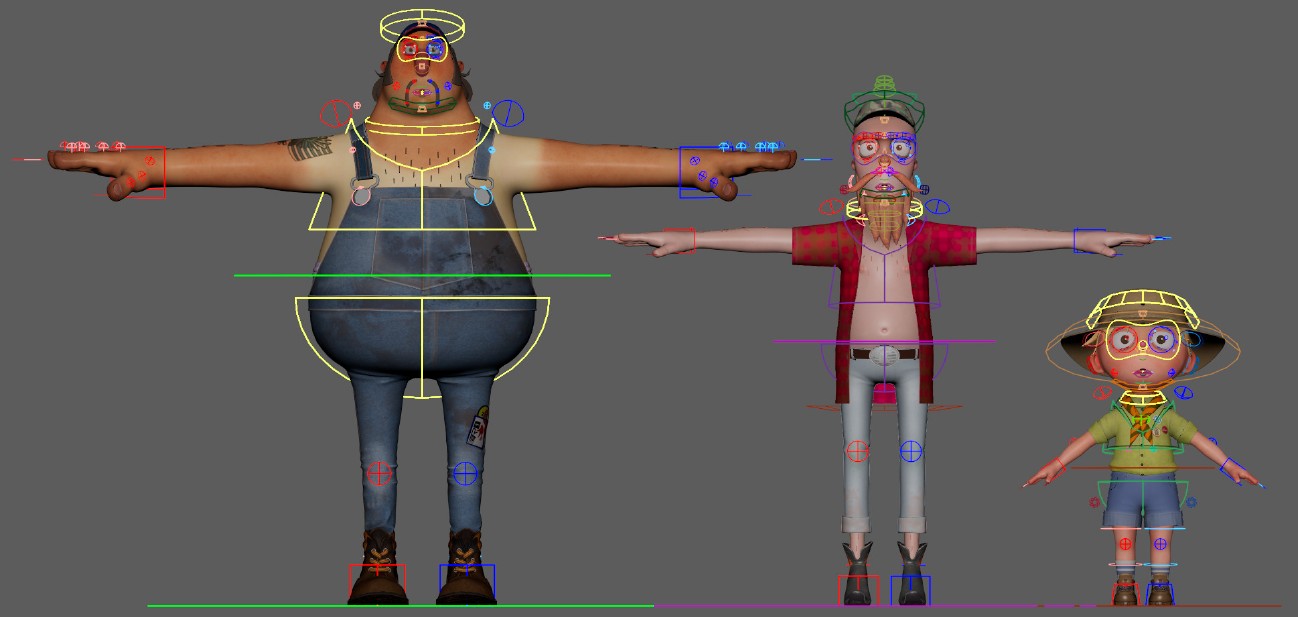
And whilst these terms may be misleading – particularly given their use in live-action cinema – rigging, as it applies to 3D animation, is indeed an essential aspect of creating believable and endearing characters.
What exactly is rigging? How does this technique work? What tools are used, and finally, how can you learn to use them? That’s what we’ll be exploring in this article.
What is rigging?
Rigging (or ‘skeletoning’ in French) is an animation and modelling technique that equips a 3D character with an internal, movable skeleton (the rig) and a surface envelope (the mesh). This ‘skin’ will deform in response to the rig’s movements, enabling animators to bring characters, animals and other moving creatures to life, whilst ensuring that their appearance and movements remain consistent with the artistic direction of the project in which they appear.
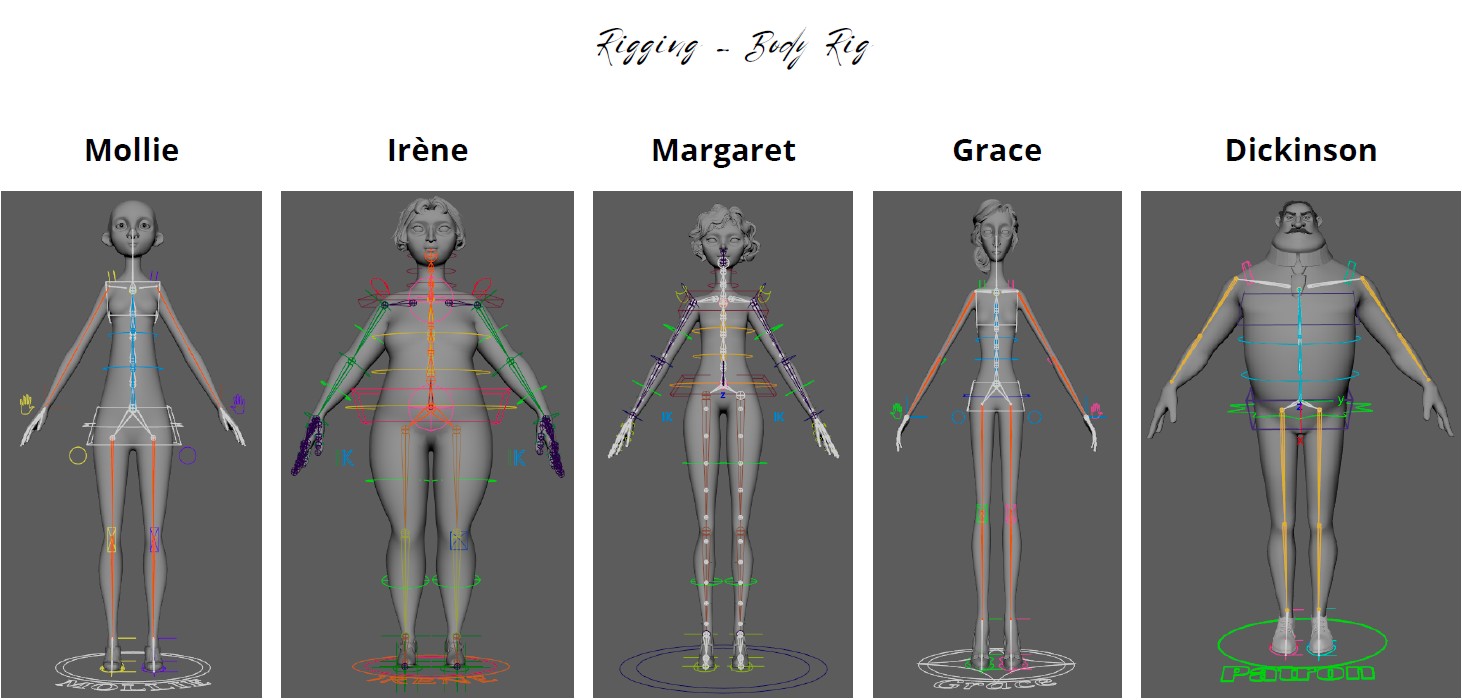
And this, whilst maintaining an appearance and movements in keeping with the artistic direction of the project into which they are integrated.
In practice, rigging is used in many sectors: advertising, video games, virtual reality, simulation software and, of course, 3D animated films.
How does rigging work in animation?
In the field of 3D animation, rigging enables 3D characters to move however their creators wish, thanks to the precise and meticulous work of the rigging teams.
Indeed, it is through this digital skeleton that all the movements will subsequently be created by the animation teams. The quality of the final result will therefore depend on the rig’s efficiency, precision and flexibility, making it a key role in any 3D animation project, whether student-led or professional.
Since *Toy Story*, the technique has been refined and the tools have come a long way, but the principle behind rigging remains similar to that used by the teams at Pixar to bring these iconic characters to life.
What tools and software are used in rigging?
Nowadays, there are numerous tools and software programmes available for creating complex and efficient rigs, as well as a myriad of plug-ins and tools that use artificial intelligence to make animators’ work easier, or to enable beginners to create simple rigs at a lower cost.
Nevertheless, there are still many tools that are essential to master, and learning how to use them through a 3D animation course is vital for anyone wishing to pursue a career in this field, which combines creativity with technical expertise.
When it comes to paid software, there are Autodesk’s two flagship products, Maya and 3ds Max. Whilst the former is mainly used for animation and the latter in the video game industry, both tools deliver excellent results for the design and setup of complex rigs, which can then be animated directly by teams within these same programmes.
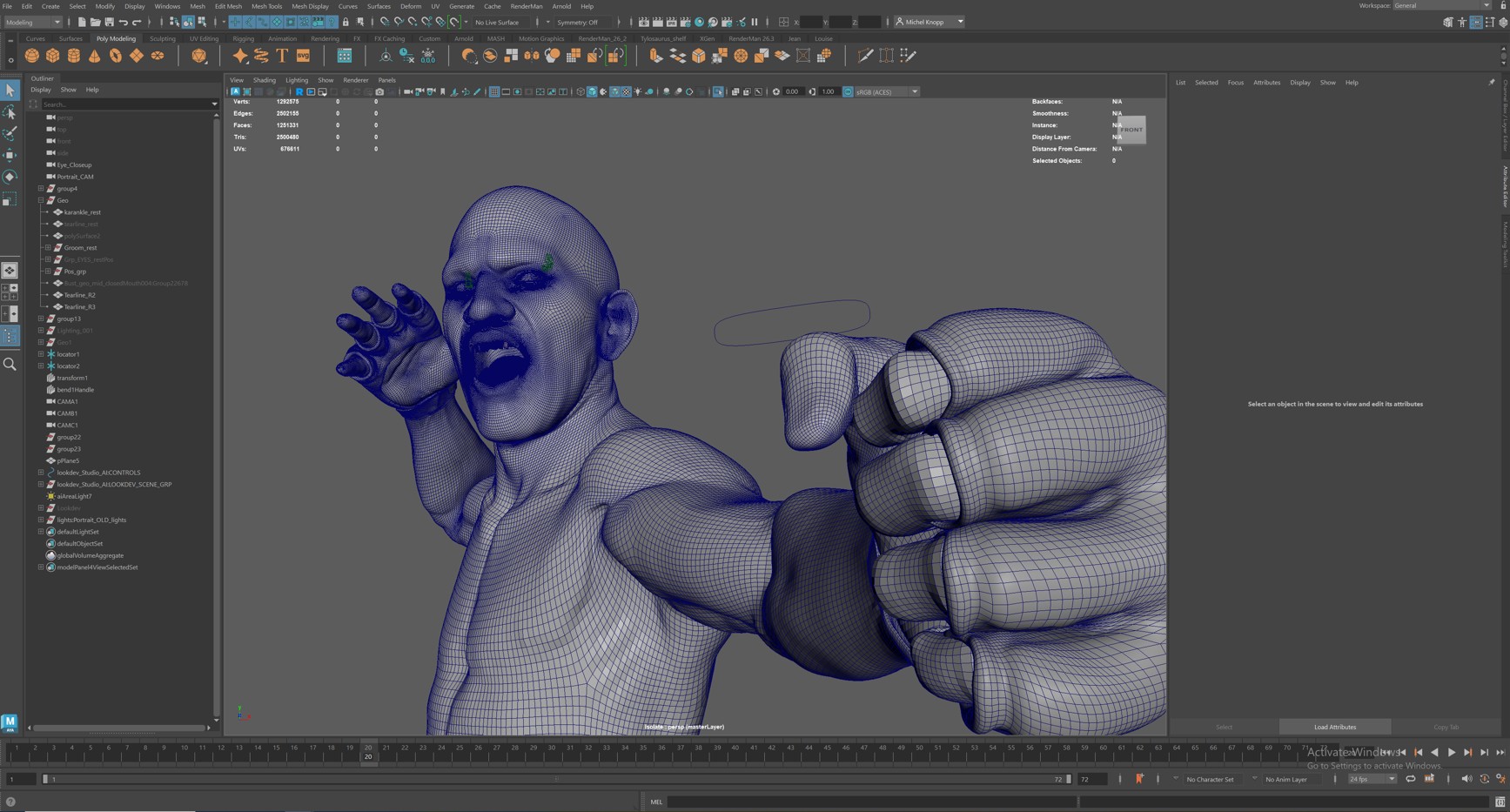
By becoming part of the Autodesk ecosystem, these software programmes also benefit from a wide range of plug-ins and tools (HumanIK, fStretch, InstantRig, etc.), numerous tutorials and comprehensive customer support. Be careful, however, not to underestimate the learning curve, which can be quite steep, or the cost, which is quite high.
Alongside these two programmes, Houdini also stands out for its ability to generate procedural animations and for its complex automation capabilities. Like Autodesk’s tools, this software boasts powerful features, supports node-based rigging, and offers a wide range of options for refining highly detailed character animation. However, just as with Maya or 3ds Max, you should expect a steep learning curve and a significant cost.
If you’re looking for more accessible yet highly versatile options, Blender is the tool for you. Already well known within the industry and made famous by the success of *Flow*, a European 3D animated film that recently won an Oscar, this open-source software allows you to create rigs of equally high quality, and has the huge advantage of being free.
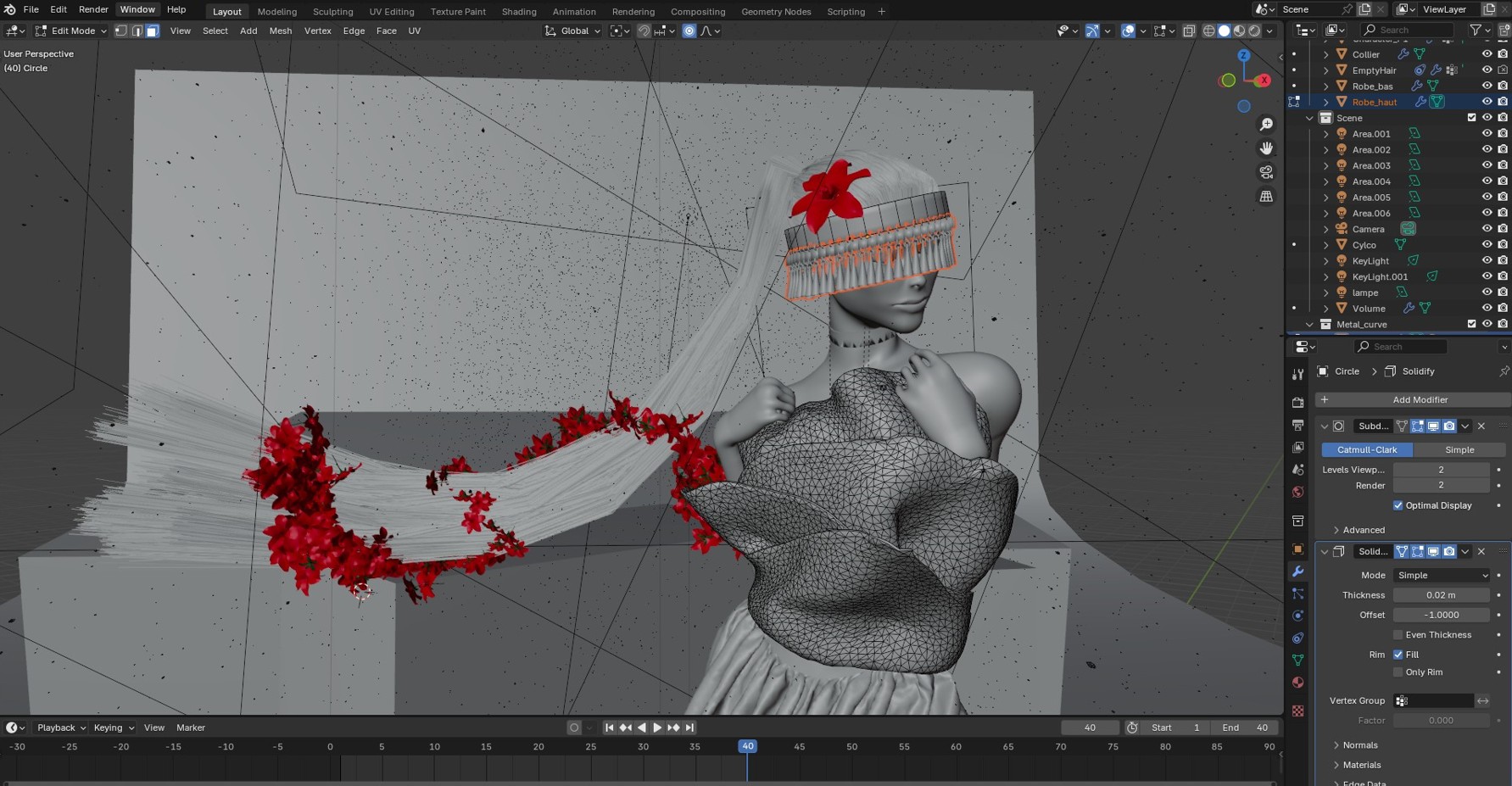
What’s more, as the Blender community is very active, there are plenty of tutorials, plugins and other resources to help you get to grips with the software more easily and integrate it into your workflow, if that’s suitable.
Finally, artificial intelligence and the advances it has brought have led to the development of numerous applications, promising automatic 3D rigging that is reliable and easily adaptable to any project.
Although these tools (Mixamo, MakeHuman, Animate Anything) are already very advanced, they lack the precision and flexibility of tools such as Maya or Blender, and are generally intended for lower-budget productions or semi-professional projects.
Best practice and common pitfalls in rigging
Whatever tool is used, the best practices for rigging remain the same: planning, precision, rigour and communication.
Planning, as rigging requires all the necessary information to be available in order to create the most suitable rig for the project. To this end, the rigging teams must be involved from the very start of production, so that they can fully understand the production’s requirements, the technical challenges it will present, and the different types of rigs that will need to be developed to see the project through to completion.
Next, the rigging supervisor must coordinate their teams to ensure they work with the greatest possible precision. An imprecise rig is likely to cause numerous difficulties for the animation team and compromise the final quality of the project.
Finally, rigour (no pun intended) is an indispensable quality for anyone wishing to pursue a career in rigging, a profession in which technical mastery and attention to detail are two essential qualities required to secure the most significant projects. Just as with an imprecise rig, a rig that is rushed or incomplete will have a huge impact on the entire production and will require constant corrections. This, in the long run, risks derailing the schedule and leading to both delays and cost overruns.
For all these reasons, the main mistake to avoid when working in a rigging team (or leading one) is a lack of communication. As in all departments involved in the production of a 3D animated film, it is crucial to maintain close contact with all department heads and their teams, as well as with the project leads. This not only enables you to anticipate obstacles, challenges and technical constraints, but also to adapt workflows during production and see the project through to a successful conclusion whilst ensuring the highest possible artistic and technical quality.
Which professions use rigging?
All professions involving the creation of animation use rigging, each to their own extent. Whether you’re planning to bring a complex 3D character to life for your animated film, or need to animate a sailing boat for an advert, you’ll first and foremost need to create a skeleton that will allow you to set that object or body in motion.
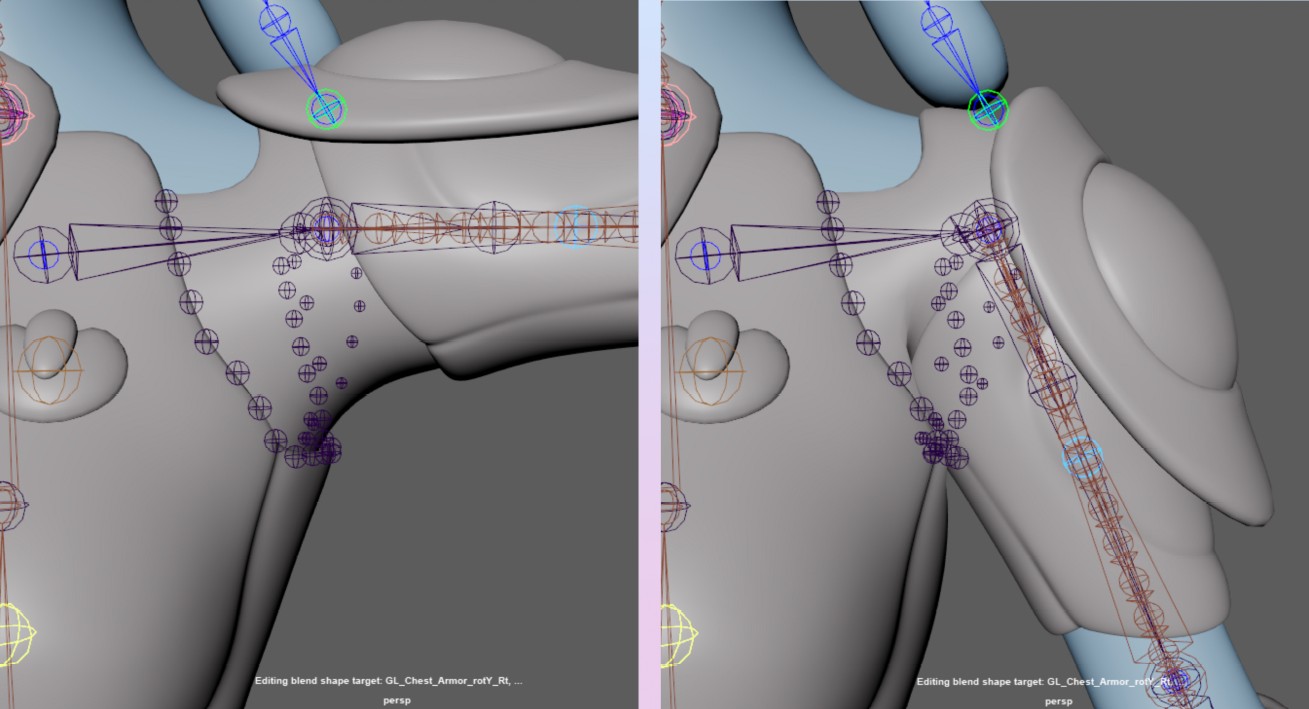
Riggers will therefore find opportunities in both the advertising and entertainment industries, ranging from video games to animated films and live-action cinema – sectors that make extensive use of digital special effects and elements requiring numerous rigs to move.
As a technician with a recognised artistic flair, a rigger can therefore easily find a place in animation studios and gain experience there, as is the case with Elodie Houard, a former ESMA student.
This experience led Elodie to specialise in facial rigging – the process of creating a skeletal structure for faces – a skill that has enabled her to work on blockbuster films from London to Montreal, via Brussels and Angoulême.
How can I train in rigging?
To master rigging, a course in 3D animation and special effects such as the one offered by ESMA is the ideal route. Indeed, the course combines theoretical modules on anatomy from an artistic perspective with practical workshops that allow students to apply what they have learnt using state-of-the-art software already in use within the industry. The course, supervised by professional tutors and developed in collaboration with numerous studios, enables students to develop both their skills and their professional network. At the end of the course, students will work in teams to produce a short film – a professional experience that will help them choose the career path that suits them best, such as rigging for some.
This experience, as well as being highly rewarding, will also serve as an essential calling card to help you enter the job market.