
Often developed by small teams, and sometimes by a single person, they stand out for their creative freedom, their visual identity and their ability to offer experiences that differ from those of major productions. Some independent titles have become true benchmarks, to the extent that they have had a lasting influence on the gameplay mechanics, storytelling and artistic direction of many more recent video games.
This top 10 list features a selection of independent video games recognised for their quality, originality and impact on the industry. It is not a definitive ranking, but rather an overview of titles that showcase the diversity of independent video games.
What is an indie video game?
An independent video game is generally created outside the traditional framework of large studios and major publishers. It may be developed by a small team, a collective or a single creator. Independence does not necessarily mean the absence of a publisher, but it often implies greater freedom in artistic, narrative and gameplay choices.
This freedom allows independent studios to explore less conventional formats: intimate narrative games, challenging platformers, experimental roguelikes, life simulations, exploration games and hybrid experiences. It is also an important arena for future professionals in the sector, who can see how budget or team constraints can sometimes become a driving force for creativity. To train for these careers, you can develop these skills further through our specialist video game training programme.
1. Hollow Knight
Developed by Team Cherry, Hollow Knight is one of the most memorable indie video games of recent years. The game follows the Metroidvania formula: progressive exploration, revisiting areas you’ve already been through, challenging combat and the acquisition of new abilities.
Its appeal lies as much in the precision of its gameplay as in the coherence of its world. Hallownest, its underground realm, is revealed in fragments. The player comes to understand the story through the environment, encounters and visual details, without excessive exposition. Hollow Knight demonstrates that an indie game can offer a strong artistic vision, substantial replay value and a depth of game design comparable to that of major productions.

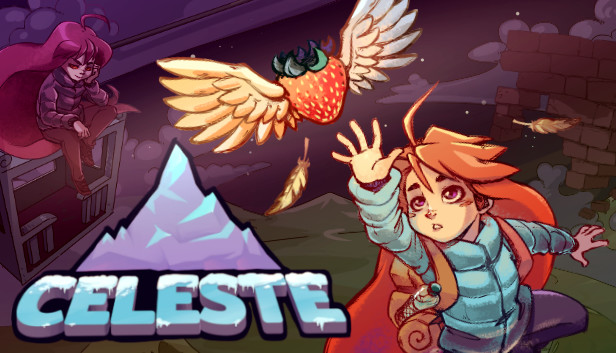
2. Celeste
Celeste is a platform game developed by Maddy Makes Games. At first glance, it appears to be a challenging platformer, based on precise jumps and progression through short levels. But its strength lies in the balance between difficulty, clarity and storytelling.
The game tackles mental health, self-doubt and perseverance without detracting from its gameplay. Every mechanic supports the overarching theme: falling, starting again, making progress. Celeste is often cited as an example of coherence between narrative intent and game design. It serves as a reminder that an indie video game can tackle a personal subject whilst remaining highly rigorous in its design.
3. Hades
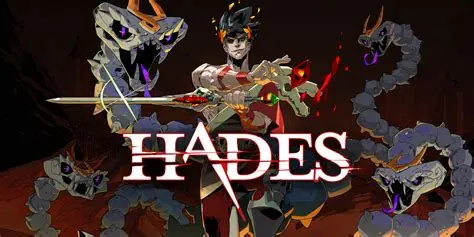
Hades, developed by Supergiant Games, has helped make the roguelike genre more accessible to a wider audience. The player takes on the role of Zagreus, son of Hades, who is attempting to escape from the Underworld. With each attempt, he makes progress, unlocks new weapons and discovers new dialogue.
The game stands out for its ability to turn failure into a driving force for the narrative. Dying doesn’t just mean starting over: it also means going back to basics, talking to the characters and enriching the story. Hades combines fast-paced action, polished writing and a masterfully executed repetitive structure. It is a very strong example of an indie game that successfully balances challenge, pace and storytelling.
4. Stardew Valley
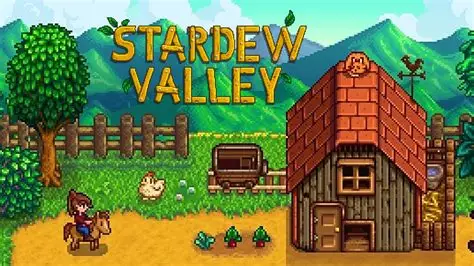
Stardew Valley was developed primarily by Eric Barone, known as ConcernedApe. The game invites players to take over a farm, cultivate the land, raise animals, explore a mine and build relationships with the villagers.
Its success lies in its simple yet highly effective gameplay loop. Each day allows you to make a little progress: improving your farm, unlocking new resources, and getting involved in local life. Stardew Valley has also shown that an indie video game can enjoy long-term success thanks to an active community, regular updates and high replay value.
5. Undertale
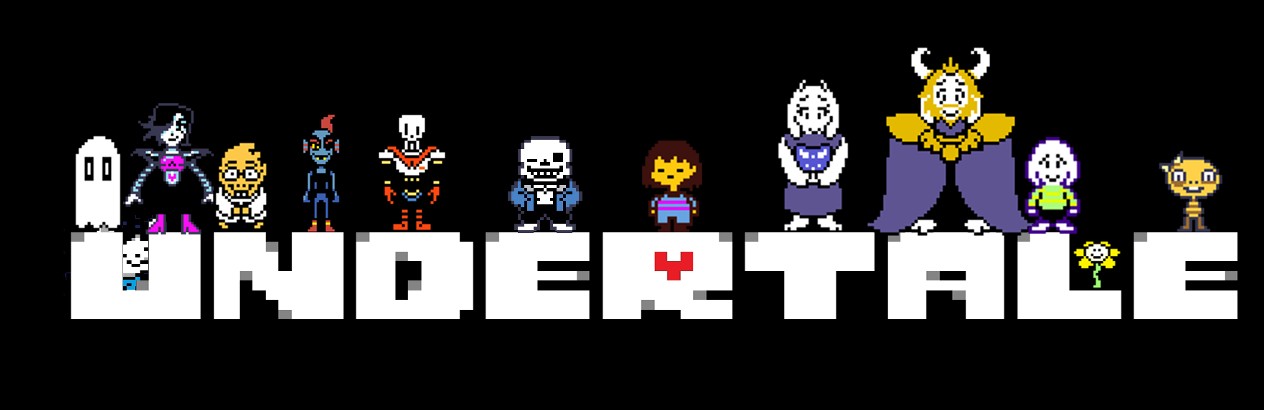
Undertale, created by Toby Fox, is an indie role-playing game that has made a lasting impression on players with its storytelling and the way it challenges the conventions of the genre. The game gives players the option not only to fight their enemies, but also to spare them. This choice profoundly alters the experience.
The appeal of Undertale does not lie in its graphical sophistication, but in the quality of its ideas. It plays with the conventions of the RPG genre, with the player’s expectations, and with the very notion of consequence. Its soundtrack, humour and characters have played a major part in its cult status. It is a key title for understanding how an indie game can stand out through its tone and clever design.
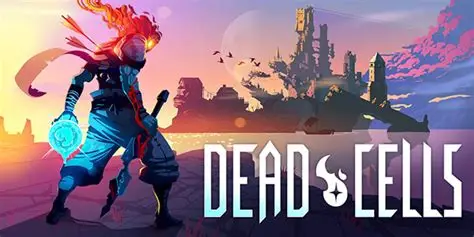
6. Dead Cells
Dead Cells, developed by Motion Twin, combines Metroidvania, 2D action and roguelite elements. Players progress through procedurally generated levels, collect weapons, learn enemy behaviour patterns and start again after each death.
The game is particularly renowned for the fast-paced nature of its combat. Movement is rapid, the weapons are very diverse, and there’s a constant need to take risks. Dead Cells is a fine example of how independent studios can refine a formula to create a rich, replayable and instantly accessible experience.
7. Cuphead
Cuphead, developed by Studio MDHR, is instantly recognisable from the very first few seconds thanks to its art style, which draws inspiration from 1930s cartoons. The game centres primarily on challenging boss battles, featuring highly polished animation and a high level of precision.
Its appeal lies not only in its visual style. Cuphead is also a challenging game of skill, requiring observation, memory and concentration. It demonstrates that a strong visual identity can become a key differentiating factor, provided it is underpinned by solid gameplay.

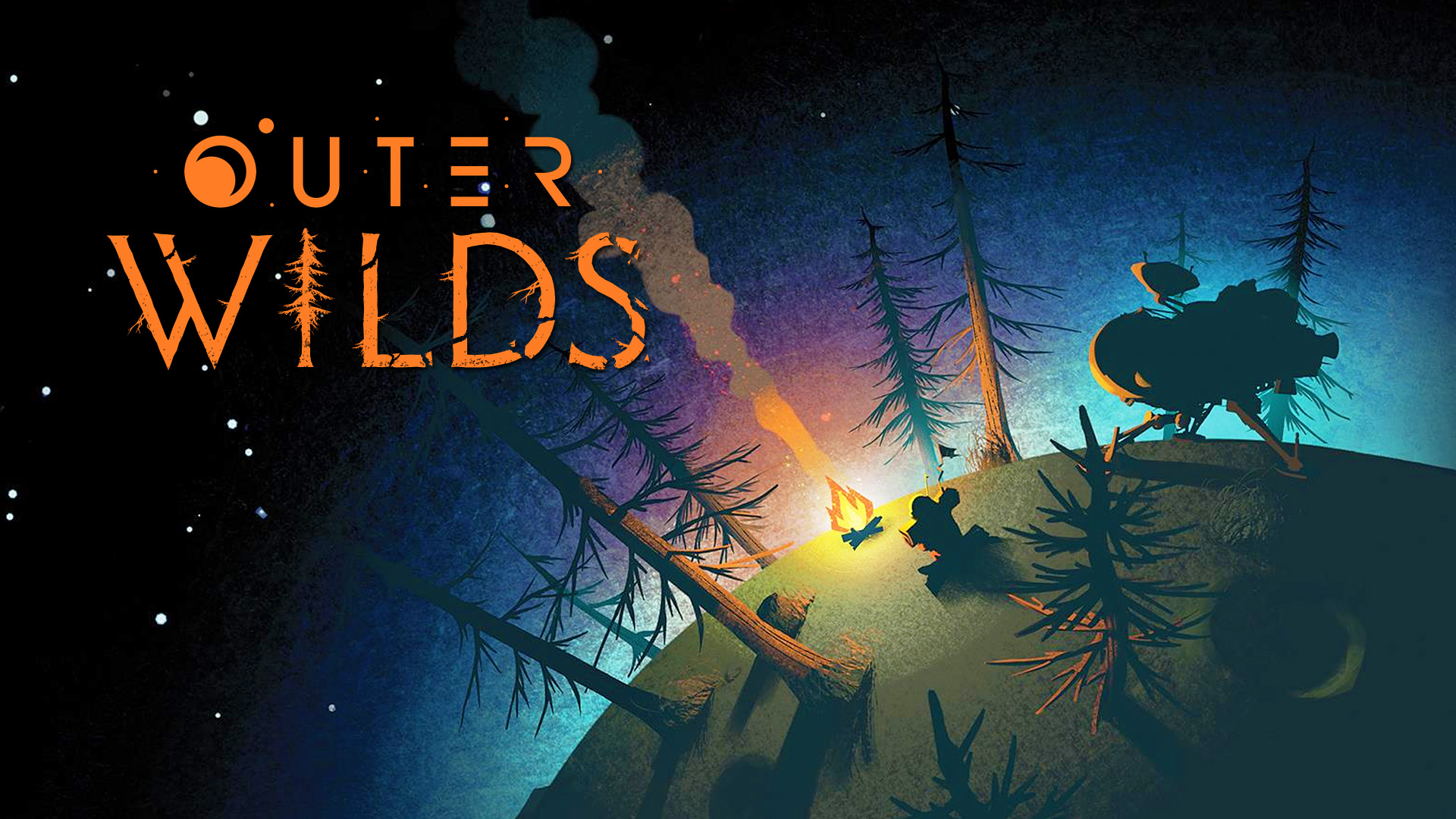
8. Outer Wilds
Outer Wilds, developed by Mobius Digital, is a space exploration game centred around a time loop. The player explores a miniature solar system, investigates a lost civilisation and gradually comes to understand the rules that govern the universe.
The game isn’t driven by traditional objectives, but by curiosity. Every discovery opens up a new avenue. Outer Wilds is often praised for its clever design: progression relies less on unlocking items than on the knowledge the player acquires. It’s a rare approach, which makes it one of the most unique indie video games.
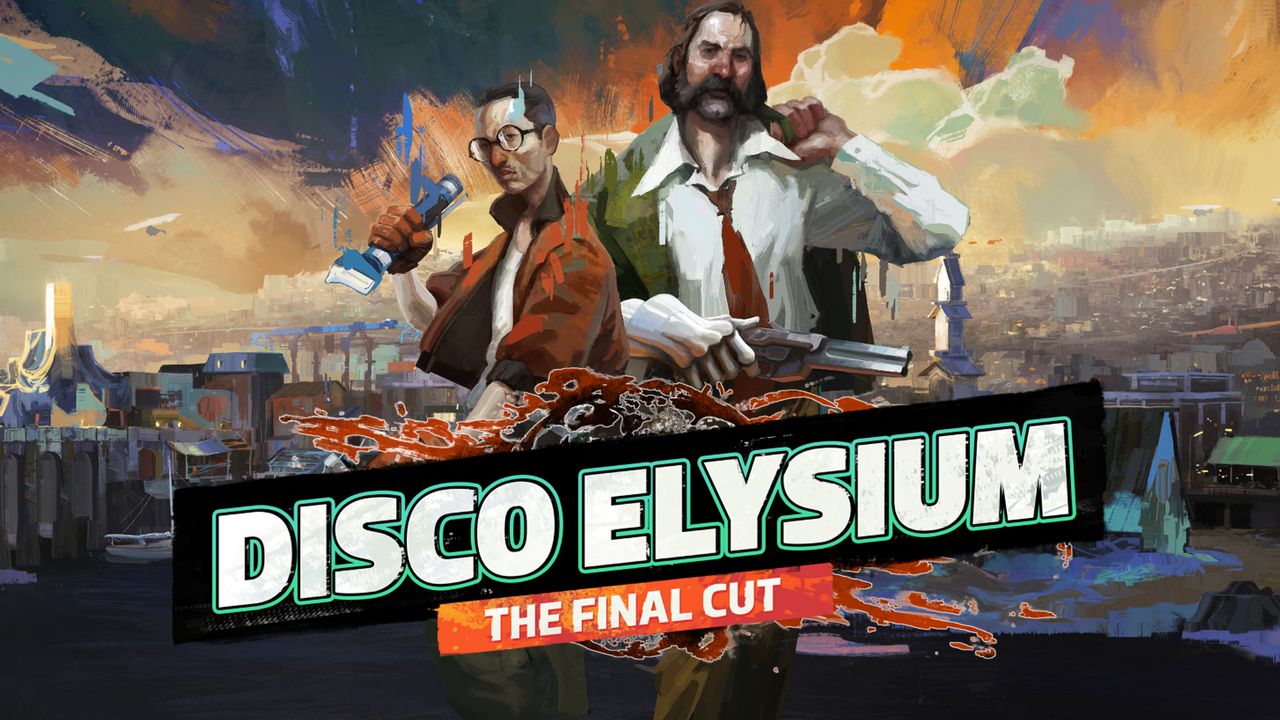
9. Disco Elysium
Disco Elysium is a narrative-driven RPG developed by ZA/UM. The player takes on the role of an amnesiac investigator tasked with solving a murder case in a city rife with political, social and personal tensions.
The game stands out for its rich narrative and its skill system, which influences both the dialogue and the player’s perception of the world. Disco Elysium moves away from traditional RPG combat to focus on investigation, discussion, internal conflicts and personality-driven choices. It is an ambitious indie game, particularly noteworthy for its approach to interactive storytelling.
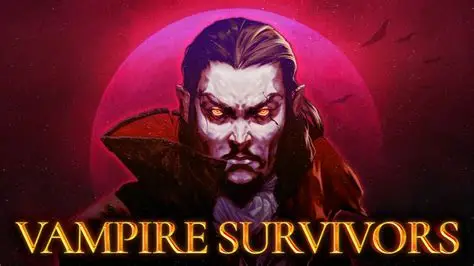
10. Vampire Survivors
Vampire Survivors, developed by poncle, is based on a simple concept: surviving waves of enemies whilst attacks are triggered automatically. The player focuses on movement, choosing upgrades and gradually building up their character.
The game has enjoyed considerable success thanks to its immediate accessibility, fast pace and progression-based gameplay. It proves that a minimalist concept can be highly effective when perfectly balanced. Vampire Survivors has also influenced many recent video games, which have adopted its short, accessible and highly replayable format.
Upcoming indie video games in 2026
The year 2026 confirms the central role played by independent studios in driving innovation in the video game industry. Several recent and upcoming releases demonstrate the sector’s diversity: action, exploration, simulation, narrative-driven games and Metroidvania titles.
Among the titles to watch out for, *Denshattack!* is due to be released on Steam on 15 July 2026. The game offers a unique take on rail-based movement, with a highly distinctive aesthetic. Well Dweller, developed by Kyle Thompson, is also set for release in 2026 and follows a dark Metroidvania style. Over the Hill, also due out in 2026, focuses on exploration via an off-road vehicle, with a more contemplative approach. Finally, Hollow Knight: Silksong is set to receive an expansion in 2026 titled Sea of Sorrow, which will be free for players of the main game.
For creators, these examples also serve as a reminder that a game project is not limited to a good idea. It involves decisions regarding production, art direction, programming, storytelling, sound design and budget. Understanding the cost of creating a video game allows us to better appreciate the practical constraints behind these projects, whether they are independent or backed by larger organisations.