
Some titles launched more than ten years ago thus continue to generate revenue through in-app purchases, add-ons or subscriptions.
However, it remains difficult to draw up an absolutely accurate ranking of the most profitable video games in history. Publishers are happy to disclose sales figures or turnover, but are much less likely to reveal the net profits made on a title-by-title basis. The ranking below is therefore based on known commercial performance, the longevity of the games, and published or estimated revenues.
1. Honor of Kings
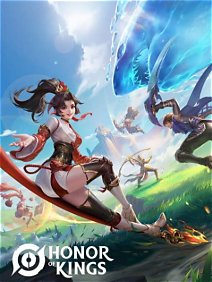
Launched in China in 2015 by Tencent, Honor of Kings has become one of the biggest commercial successes in mobile gaming. Its business model is based on free-to-play, combined with optional in-app purchases that allow players to obtain skins, characters and various customisation items. This model has enabled it to reach a vast audience whilst generating recurring revenue.
The game’s success is also down to the frequency of its updates. New content, events and characters are regularly introduced to keep players engaged, ensuring that the game does not rely solely on its initial launch. Honor of Kings thus demonstrates that a game can become extremely profitable when it nurtures its community over several years.
2. Candy Crush Saga
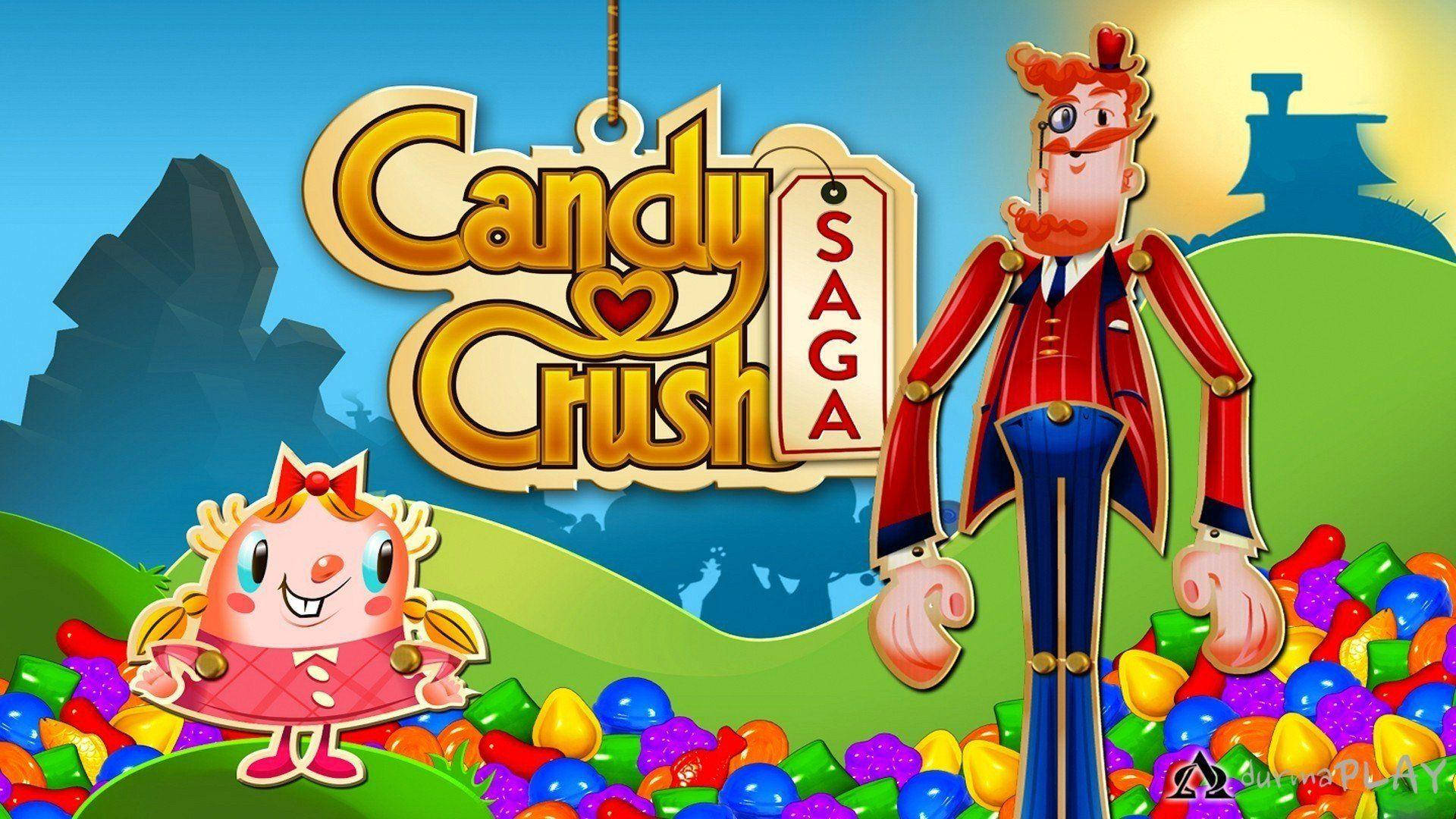
Candy Crush Saga is another iconic example of a mobile success story. Launched in 2012 by King, the game is based on a simple concept that is easy to understand and suited to short playing sessions, which has enabled it to reach a much wider audience than just regular gamers.
Its business model is based on free access, with the option to purchase extra lives, power-ups or certain benefits that make it easier to progress. Candy Crush’s strength lies above all in the huge number of users it has managed to attract and retain.
The franchise has generated several billion dollars since its launch, whilst continuing to introduce new levels and events. More than ten years after its release, Candy Crush therefore remains a particularly telling example of a game whose profitability is based on longevity, ease of access and regular updates.
3. Grand Theft Auto V
Released in 2013, Grand Theft Auto V is one of the biggest commercial successes in the history of traditional video games. The Rockstar Games title has enjoyed an exceptionally long lifespan, largely thanks to its release across several generations of consoles and on PC, which has enabled it to reach successive waves of players.

However, its profitability does not rely solely on sales of the game. GTA Online has significantly extended its commercial lifespan by regularly introducing new activities, vehicles, properties and other content. Players can also purchase virtual currency to gain faster access to certain in-game items.
This combination of traditional sales and recurring revenue enables GTA V to generate revenue well beyond its launch. Few premium games have managed to maintain such commercial success for over a decade.
4. Minecraft

Minecraft is something of an anomaly in the industry. Originally created by Markus Persson and subsequently developed by Mojang, it has gradually established itself as one of the best-selling games of all time, with over 300 million copies sold.
Its success is based on a very open-ended concept: players explore a world made up of blocks, collect resources and freely build structures that are sometimes very simple, sometimes gigantic. This freedom has fostered the emergence of a particularly active creative community, capable of producing its own maps, game modes, servers and content.
Over time, Minecraft has also become a fully-fledged economic platform thanks to subscriptions, servers and its marketplace. Its profitability therefore stems as much from its sales as from its ability to remain relevant to several generations of players.
5. PUBG: Battlegrounds
PUBG: Battlegrounds played a key role in popularising the battle royale genre. Upon its release in 2017, the game was an instant hit and sold tens of millions of copies before transitioning to a free-to-play model.
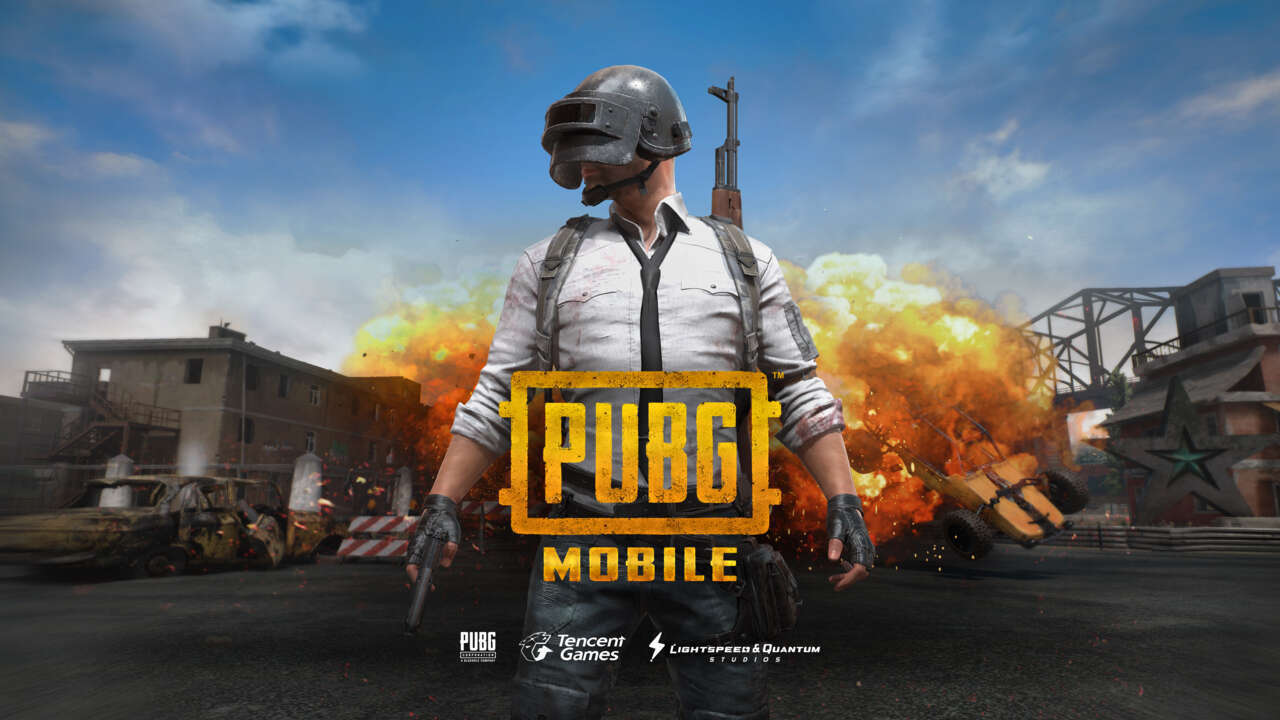
This change has fundamentally altered its business model. Once access became free, monetisation has relied more heavily on cosmetic items, passes and collaborations, whilst the PUBG brand has also expanded into the mobile market.
The story of PUBG illustrates how a game can evolve its business model. It was initially sold as a premium title, before becoming a free-to-play service capable of continuing to generate revenue thanks to a large community and regularly updated content.
Why are some video games so profitable?
The profitability of a video game depends first and foremost on its ability to recoup its production costs. A blockbuster involving several hundred people over a period of several years must generate very substantial revenue before it even breaks even, whereas a more modest project can break even with a much lower sales volume.
The length of a game’s operational life then plays a key role. The longer a game remains active, the longer it can continue to generate revenue without having to start from scratch on a new development. Updates, expansions and new seasons thus extend a title’s economic value well beyond its release.
The monetisation model is also a key factor. A premium game generates most of its revenue at the point of sale, whilst a service-based game can generate regular revenue through microtransactions, subscriptions or additional content. This is also why game development isn’t just about programming: game design, animation, art direction, usability, storytelling and production must all work together. To prepare for these roles and understand the various stages of the creative process, one option is to undertake a course at a video game school.
Mobile games: the champions of profitability
Mobile gaming occupies a special place amongst the most profitable games, as it allows developers to reach an extremely wide audience without requiring players to buy a console or a high-performance computer. All you need is a smartphone, which significantly lowers the barrier to entry.
The free-to-play model further reinforces this advantage. Players can try the game for free and then decide whether or not to spend money. With tens or hundreds of millions of users, even a small proportion of paying players can be enough to generate substantial revenue.
This mechanism explains the success of games such as Honor of Kings, Candy Crush Saga, Clash of Clans and Monopoly GO!. However, it requires constant attention to keep players engaged.
How is the profitability of a video game calculated?
The profitability of a video game is the difference between the revenue it generates and the total expenditure required for its creation, marketing and operation. It is therefore not enough simply to look at the number of copies sold.
Revenue may come from sales, in-app purchases, add-ons, subscriptions or certain licences. On the other hand, expenditure includes, in particular, salaries, outsourcing, marketing, platform commissions, servers and technical support.
Two games generating the same turnover can therefore have very different levels of profitability. A title developed by a small team and sold in the millions may generate a higher profit margin than a blockbuster that is much more expensive to produce.
This is why rankings of the most profitable video games should always be treated with caution. In the absence of comprehensive data on net profits, sales, revenue and commercial longevity remain the best indicators available for gauging a title’s economic significance.