What exactly is it? How is it structured, what are the main stages, what tools are used, and, above all, why is the pipeline essential in the animation industry? You’ll find the answers to all your questions here, along with tips on how to learn to use it effectively. By the way, do you say ‘le’ or ‘la’ pipeline? The answer is below.
What is a 3D animation pipeline?
Much like an industrial assembly line, the 3D animation pipeline is a structured process that guides a project from the initial idea to the final result: the screen. Whether small-scale (for TV series) or large-scale (for cinemas), it coordinates the entire workflow of a project and enables teams with different technical and artistic specialisms to work together to ensure a smooth production process.
The key stages of the 3D animation pipeline
To better understand how the 3D animation pipeline works, it is worth breaking it down into three main phases, which are also found in live-action projects, video games and, more generally, throughout the audiovisual and entertainment industries.
Pre-production: from idea to project
It is during this stage that all the elements that will make up the film are defined, from an artistic, narrative and technical perspective.
On the creative side, concept artists and art directors are working to define the broad outlines of what the characters, the visual world, the colours, the lighting and the hoped-for final look of the project will be.
At the same time, scriptwriters and production teams work together to put the story down on paper, whilst collaborating with storyboard artists to define the staging and prepare the camera angles. In 3D animation more than in any other field, this stage is crucial because the script and the storyboard are closely linked.
Finally, the technical teams liaise with the creative teams to define the production requirements, select the tools and create the production pipeline that will be used throughout the project.
In a 3D animation project, pre-production is generally considered complete once the storyboard has been finalised, as it is this audiovisual framework that will then enable the teams to move on to production.
Production: the creative heart of the project
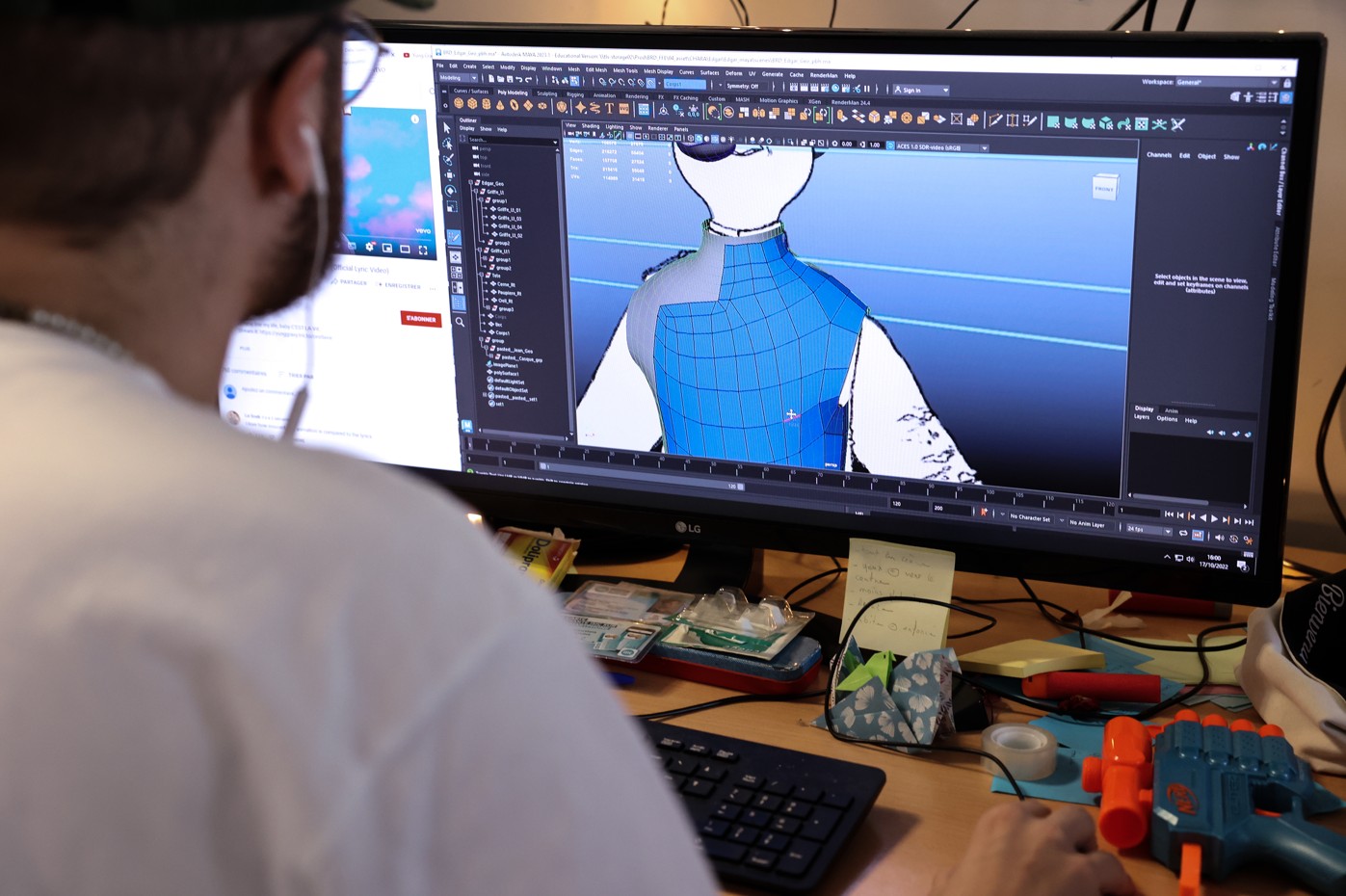
It is during this crucial stage that the team brings the characters to life and lays the practical foundations for the world in which they will exist. But it is also the moment when the various teams involved in the 3D modelling of the project’s different elements spring into action, working on sets, props and, of course, the characters.
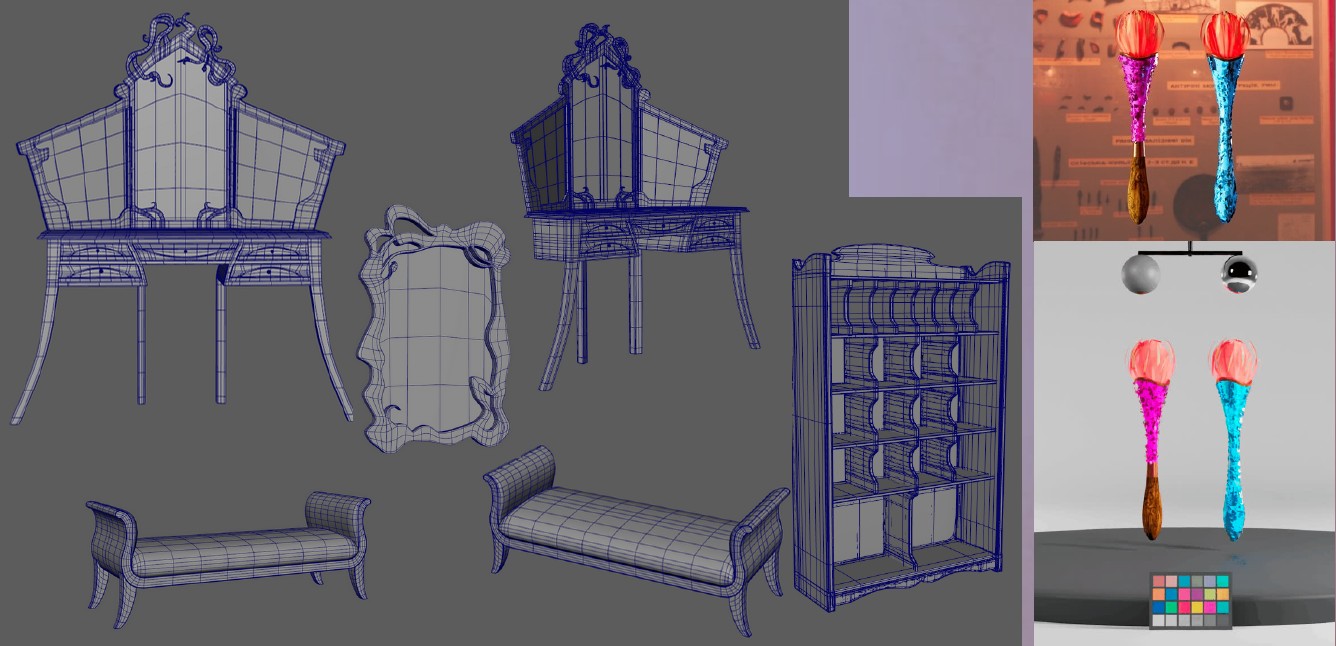
At the same time, the rigging teams build the characters’ skeletons, whilst the layout teams position them within their environment, ‘block’ the scenes, and choose the camera angles. Finally, textures and lighting are also worked on and finalised before moving on to the main phase of production: animation.
Post-production: and they saw that it was good – or nearly so
Once the animation is complete, it’s time for post-production. This involves checking the animation, carrying out one or more rounds of colour grading and colour correction, adding visual effects, and incorporating all the final sound elements that make up the film.
Next, with the help of a very powerful rendering engine, the film is finalised before being shown on the big screen.
The tools used in a 3D animation pipeline
There are many different ones, and they naturally depend on the techniques used. Depending on the stage of the project, software such as Stobyboarder, Maya, Blender, ZBrush, After Effects, Toon Boom, Houdini, Arnold and RenderMan is used, whilst Unreal Engine or Unity are employed when working in real time. When it comes to sound, Audacity and Reaper are quite popular with students and professionals alike.
Among the essential tools are, of course, project management software programmes such as ShotGrid and Kitsu. These are vital for ensuring effective project coordination, comparing the various stages, and producing reports where necessary.
There are also several software programmes available for combining the various elements produced, such as OpenUSD, an open-source programme that has become very popular within the industry. Flexible and easily accessible, this tool has become the standard for many studios looking for tools to manage small-scale productions.
Why is the pipeline essential in a 3D project?
In practice, the production of an animation project is often far from smooth sailing, and the various stages tend to overlap (particularly when it comes to production and post-production). Those long months (or even years) spent working on a project, whether in a small team or within a large studio, can prove disastrous if your project isn’t sufficiently prepared and if your various teams aren’t working in sync.
In this sense, the pipeline provides a common framework, making it possible to track (usually at a glance) the project’s progress at any given time.
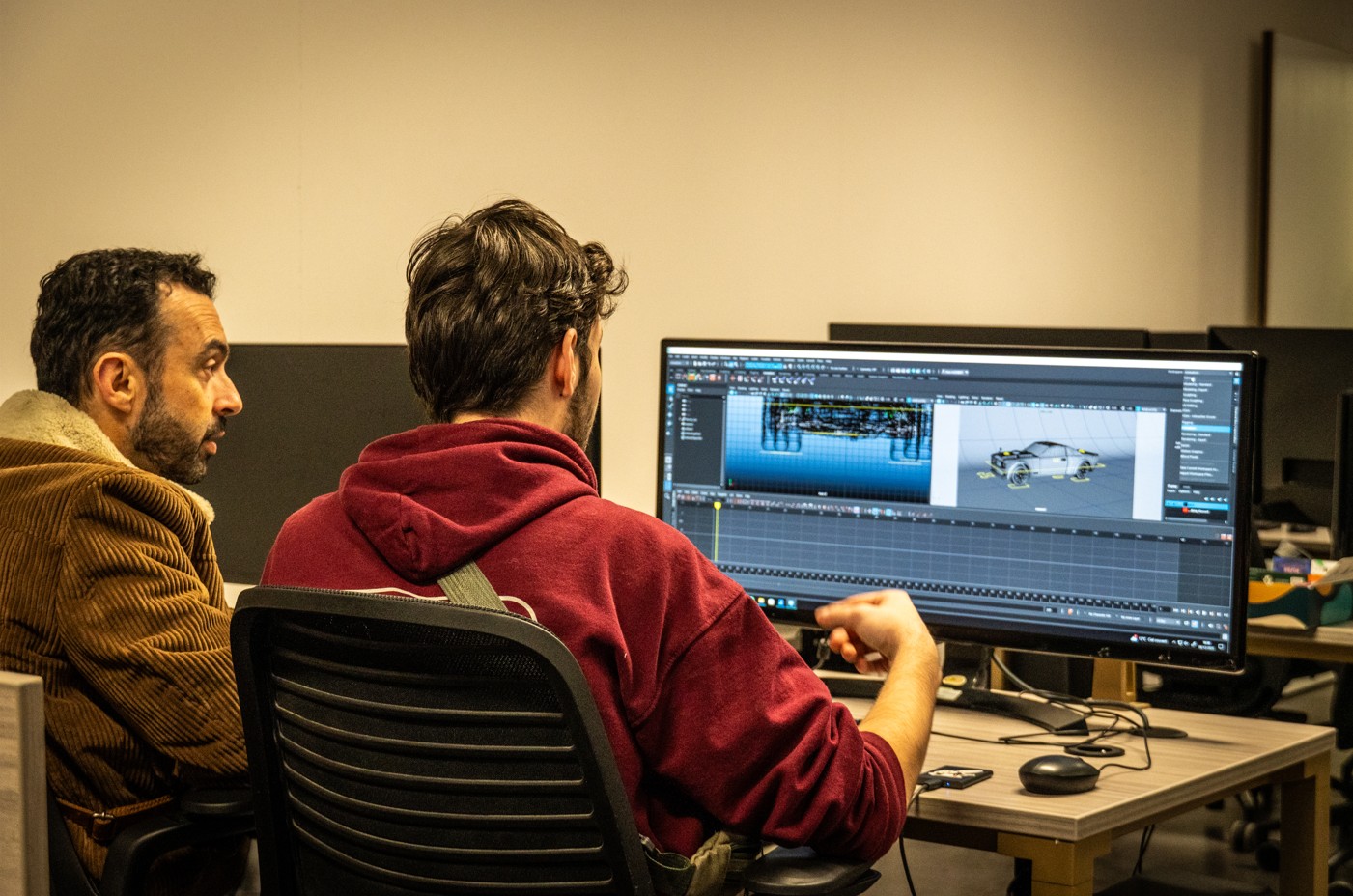
It is therefore an essential tool not only for those leading the project, such as the director and the producer, but also an effective means for the various teams to work together towards the film’s completion.
In animation, a film is never made in isolation, and communication and cooperation within the teams are essential. A well-defined pipeline therefore helps to streamline production and facilitate communication.
At the end of the day, do we say ‘the 3D animation pipeline’ or ‘the 3D animation pipeline’?
Although the meaning of this term in animation and special effects is closer to the production pipeline than to its original meaning relating to the transport of liquids, it is a component of a 3D animation pipeline that we are discussing here – without a hyphen – as defined by the Académie Française dictionary. As for the pronunciation of the word, do not take your cue from Quebecers and avoid any confusion: it is indeed an Anglicism, to be pronounced ‘pi-pe-li-ne’ with an ‘ai’, so very British.
How can I learn about the 3D animation pipeline?
In order to fully understand and master all the elements that make up the pipeline of a 3D animation project, specialised training in 3D animation and special effects is essential. It is through this course that future industry professionals will be able to acquire the theoretical knowledge required to manage a 3D animation pipeline, whilst putting this knowledge to the test by managing their own project – and therefore their own pipeline. As each project is unique, and pipelines vary depending on the company, studio or software used, it is therefore essential to have had the opportunity (through this course) to try out different types of pipeline.
This expertise is something that ESMA students acquire throughout their course, right up to the production of their final-year short film, where they are required to bring their own ideas to the screen and manage their own 3D animation pipeline. For, beyond the technical knowledge of managing a pipeline, nothing compares to the experience gained from working on a real-world project as part of a team.