

The Hunger Games: a new instalment with a 1970s feel
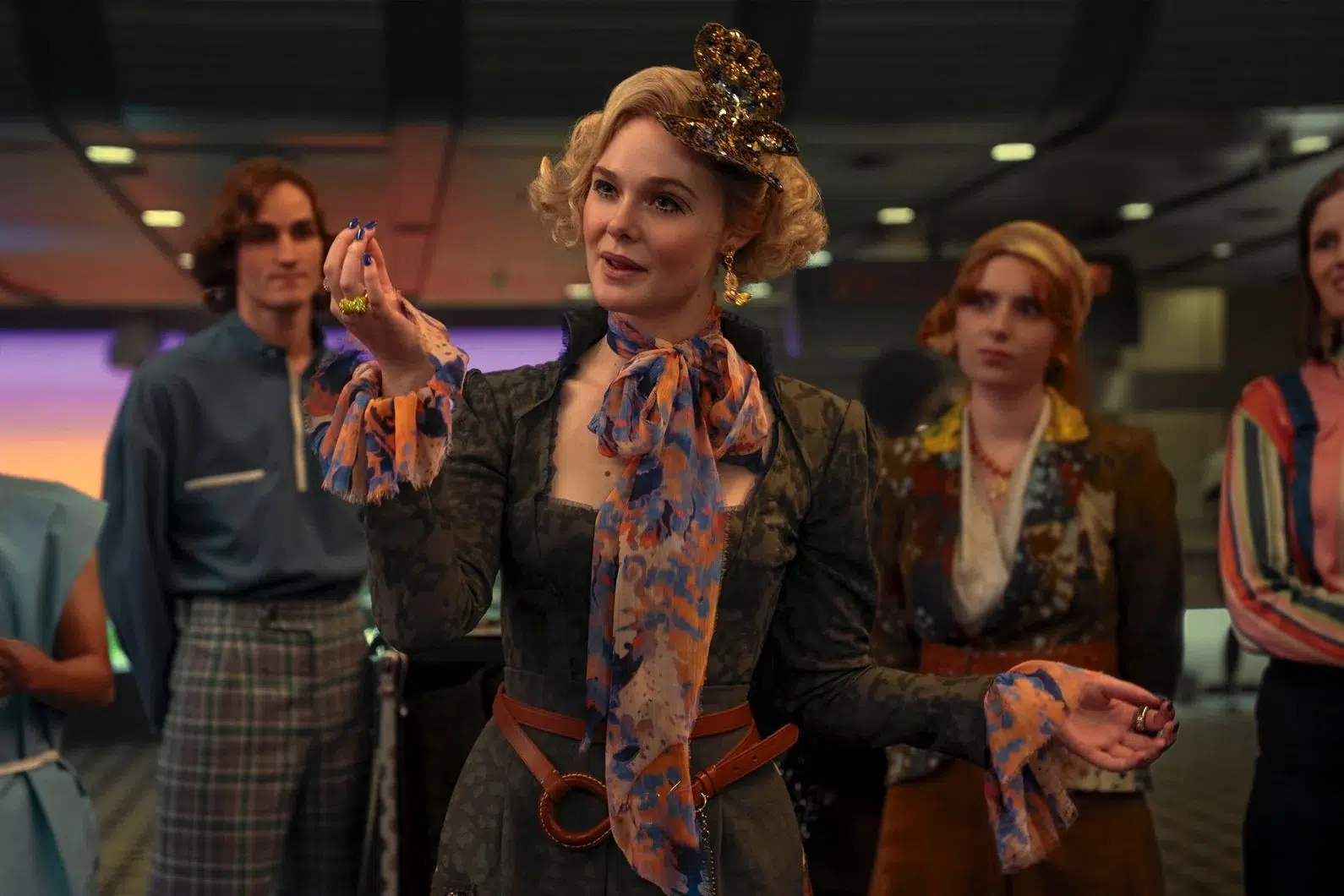
The story is set twenty-four years before the first film, released in 2012 and starring Katniss Everdeen. This time, alongside the young Haymitch Abernathy (Joseph Zada), we enter the arena to take part in the 50th Hunger Games, the second ‘Quarter Quell’. An event unlike any that came before it, the outcome of which will change the history of the Games forever.
Still at the helm of this series, which is celebrating its fourteenth anniversary this year, Lawrence drew inspiration from 1970s aesthetics and ‘flower power’ for this new instalment, surrounding himself with familiar faces from the franchise. Alongside Jo Willems (director of photography), the director collaborated with the duo Janek Sirrs and Scott Shapiro to bring his vision to life. Serving as VFX supervisor and VFX producer respectively, the two men coordinated the work of the studios Framestore, Pixomondo, Rising Sun Pictures, beloFX and RISE.

Whilst few details have yet been revealed about this project, it is easy to imagine the scale of the task these studios must have undertaken, judging by the various trailers and images that have emerged over the past few months. How does one bring such a world to life on screen? To find out more, let’s take a look at the previous instalments in the saga.
The First Hunger Games: A Collaborative VFX Project
First of all, let’s go back a decade. At the time, the first *Hunger Games* was a resounding box-office hit, paving the way for a saga that was as political as it was gripping. With its 1,200 VFX shots, spread across a dozen companies, the film was the result of a massive collaborative effort. “We only had a few weeks to bring all this to life,” Sheena Duggal, the film’s VFX on-set supervisor, told VFXWorld magazine. “The pressure was immense, and we were constantly looking for creative solutions to make up for the lack of time and budget. Every aspect of the film was divided amongst our contractors, and after ten weeks we were able to show the first images to Lionsgate, the film’s producer. The response was very positive, and this ultimately enabled us to increase the number of studios working on the project, so that we could finish on time whilst maintaining this level of quality.”
By blending elements of science fiction, state-of-the-art special effects (notably for the famous control room) and the brutalist aesthetic of 1930s Germany, the teams at these studios (of which Pixomondo was already a part at the time) created a unique world. A dystopia that has left its mark on several generations, the result of a colossal, highly collaborative effort that continued into the subsequent instalments.
3. Visual effects: ever-evolving technologies
Following the conclusion of the original saga in 2015, it took eight years for *The Hunger Games* to return to the big screen. For fans, it was a particularly long wait. For digital special effects technology, it was the equivalent of a century.
This has given the teams free rein to let their creativity run wild. In an impressive breakdown shared by Ghost VFX, one of the many studios to have worked on this fifth instalment, both the snakes and the sets are revealed to budding animators and professionals alike. The famous scene in the film where Lucy Gray Baird (Rachel Zegler) ‘tames’ the snakes by singing was entirely recreated using computer-generated imagery to ensure the reptiles’ attack was seamlessly integrated into the action.
More than 200 shots, produced by the Danish studio under the supervision of Adrian De Wet and Eve Fizzinoglia, lend this sequence a scale that is as terrifying as it is realistic.
In an interview with 80lv magazine in 2024, Martin Gaardeler, an animator at Ghost VFX, explained: “This horde of very fast snakes was a huge challenge, which we overcame through animation and clothing simulation to ensure the snakes blended into the scene. In some shots, you can barely even see the original image!”
Despite this evolution in digital effects and their greater prominence in this instalment, Adrian De Wet (a veteran of the franchise) emphasised: “What I’ve learnt from working on *The Hunger Games* is that the success of these films lies in building this fictional world around real images. It is crucial to have a real element in order to ground this imagery.”
4. From fiction to reality: creating visual worlds
An approach that is also evident in the film currently showing in cinemas.
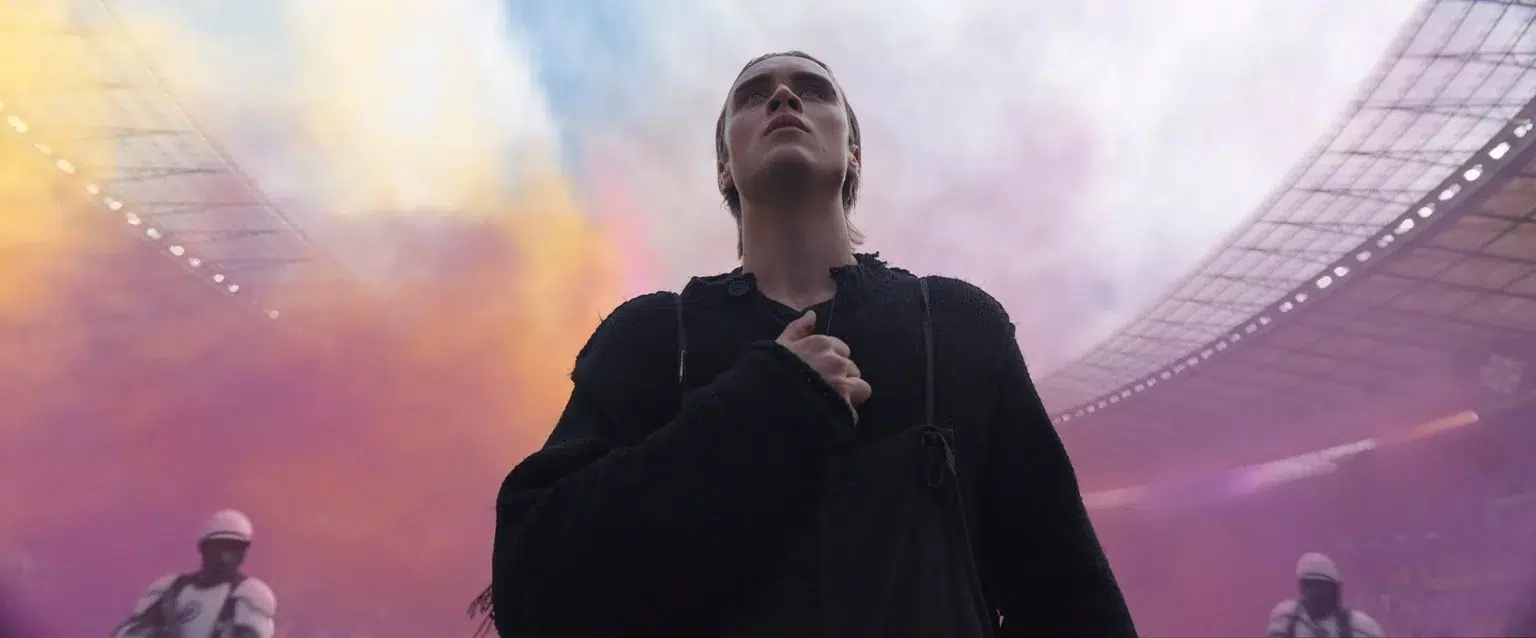
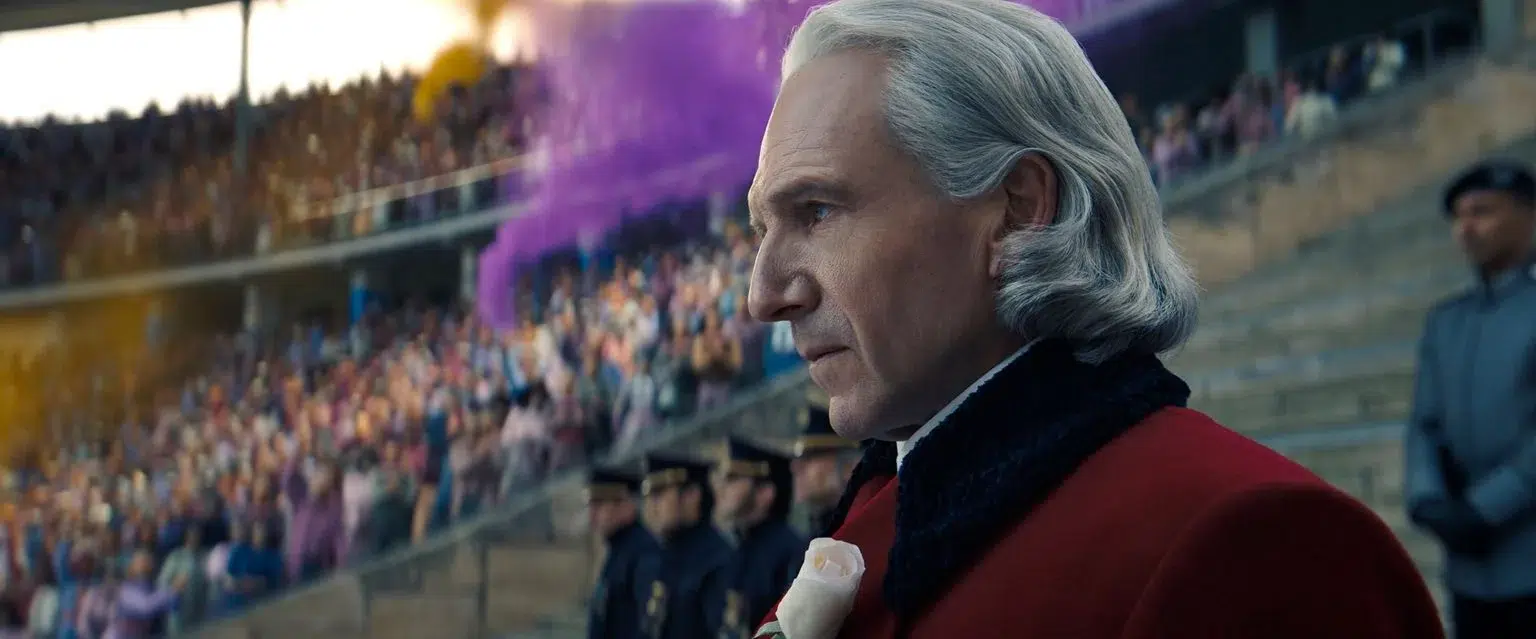
For *Sunrise Over the Harvest*, the VFX teams collaborated in particular with production designer Uli Hanisch. A specialist in science-fiction worlds (he has notably worked on *Cloud Atlas*), Hanisch explains that he drew inspiration from both nature and the arts for his work. As a result, the cornucopia in this new film resembles both a blossoming flower and sails spread across the plain. It is a way of grounding this science-fiction production in reality and making it resonate with our own world.
This is also the approach adopted by ESMA students when making their final-year short films. By drawing inspiration from reality, reinterpreting it and drawing on influences from art in all its forms – far beyond the realm of animated film – these teams create unique worlds and weave powerful narratives. This is particularly true of the film *Wisdom Tooth*, which skilfully blends various influences to reimagine a classic tale, transforming it into a horror fable that seems to have come straight from the mind of Guillermo del Toro.

Whilst you wait to discover the work of the many artists who worked on *The Hunger Games: Mockingjay – Part 1* ( there are nearly 300 listed in the credits according to IMDb, including several former ESMA students), we invite you to delve into the other interviews featuring our alumni featured in the credits.