It is these artists who bring these heroines and heroes to life, inspiring millions of people to follow in their footsteps.
How do you get into this job, what are its main characteristics and what skills are needed to excel in this profession? That’s what we’d like you to find out here, along with a few practical examples.
What are the duties and responsibilities of a character artist?
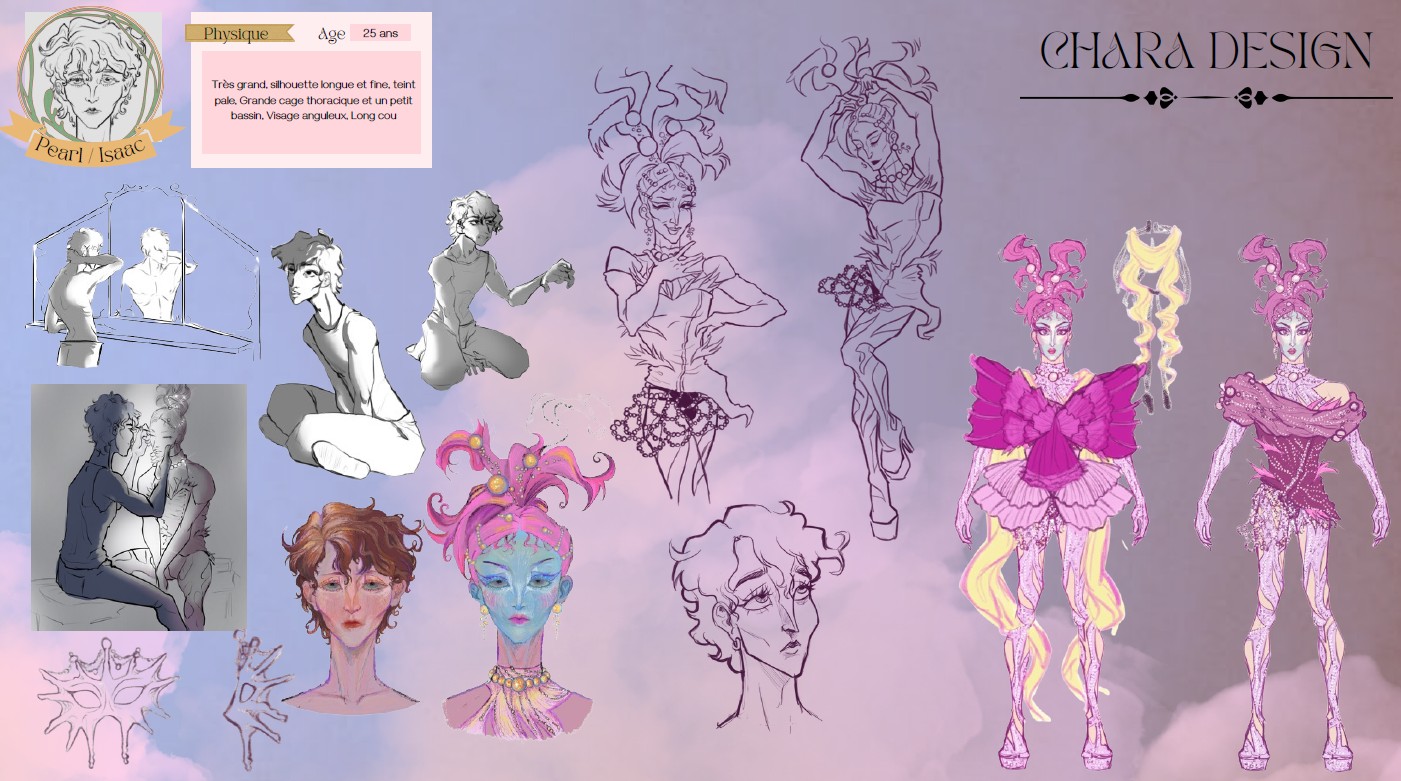
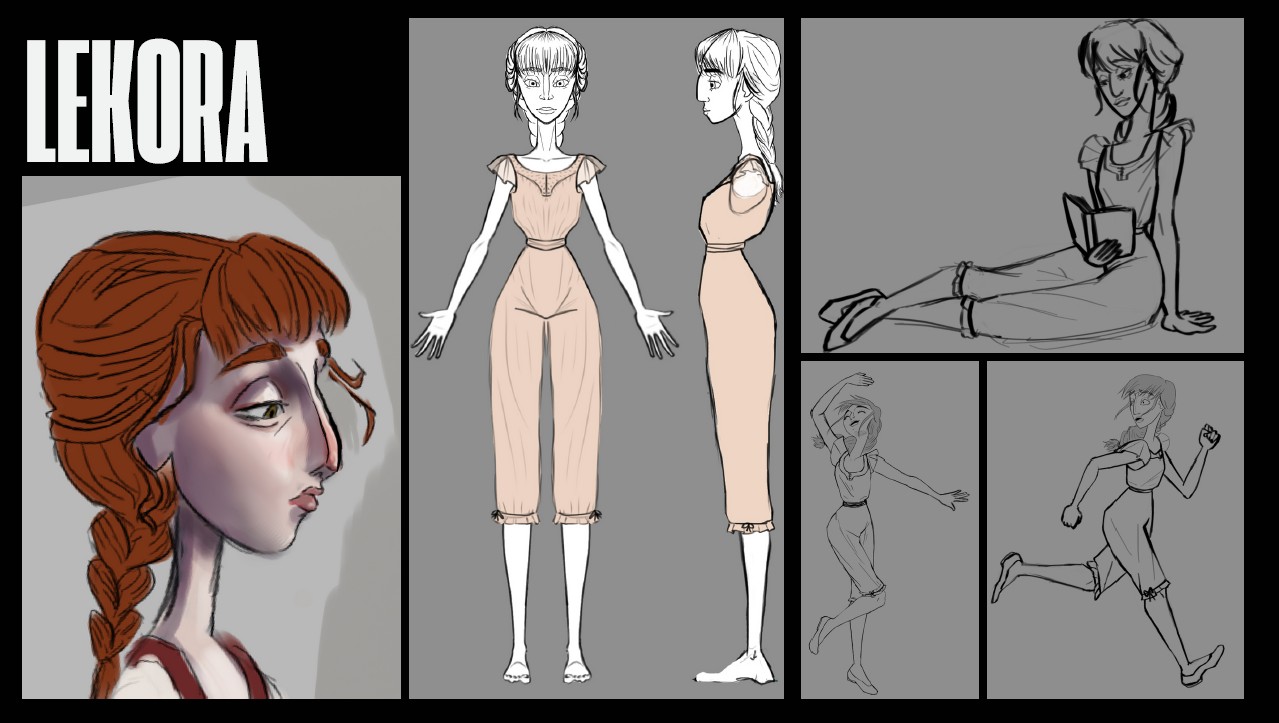
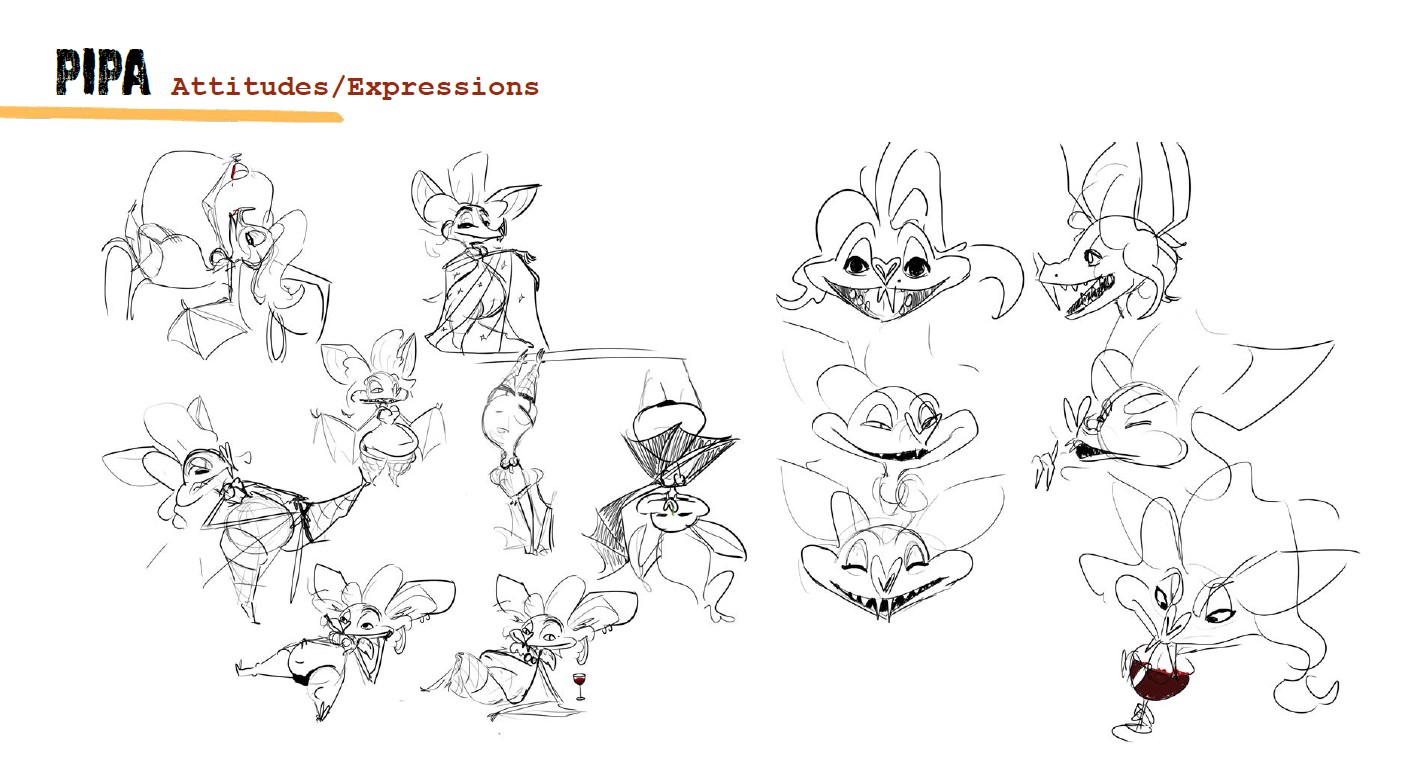
Depending on the project, the tasks and responsibilities of a character artist can be very different, but they always revolve around the design and implementation of the characters in a film or video game. As a character artist, you may have to create your own designs, or work on those of concept artists to give them more depth and body, before handing over to the rigging and animation teams.
Whatever the case, your work will be crucial to the success of this project, because creating a good character is first and foremost a question of writing and character design.
What skills do you need to excel as a character artist in 3D animation?
A good character artist must above all be a good listener, while having developed their own technical and artistic skills to be able to translate the vision of the production teams in a unique and singular way. In a sector where collaboration is the norm, being able to integrate into a team, providing feedback and receiving it openly are also skills that are highly sought after by recruiters, for whom the human element is a key factor in the candidate selection process.
Finally, a good dose of creativity is obviously an asset, as is your ability to remain creative even when faced with difficult situations and strict deadlines. This flexibility can be a real advantage for your career advancement, in an industry where reputation and network count for a lot.
What tools and software does the character artist use?
Depending on the studio or project you will be working on, it is essential to master the many tools and software used in character design. ZBrush is one of the most important of these, allowing you to create iconic characters through 3D sculpting.
These tools were used to model the characters in the God of War video game, as well as the heroes and creatures in the films Avatar, Avengers and The Lord of the Rings. These are all masterpieces that would probably not have achieved the success they have without the talent of the character artists who put their hearts and skills at the service of these productions.
In addition to ZBrush, Substance Painter and Daz3D (other specialist software), mastery of more generalist tools such as Blender, Maya and 3ds Max is obviously an asset, as is mastery of real-time rendering engines such as Unity and Unreal Engine. These programmes are being used more and more in 3D animation, because they save a great deal of time and money.
Which baccalaureate should you choose?
There is no single route to the profession of character artist, but it’s clear that choosing a baccalaureate that combines both computer skills and the development of your artistic side is a wise choice for those wishing to go down this path. If you have good drawing skills, you could opt for a Bac ST2A (Science and Technology of Design and Applied Arts), which is a very good choice for quickly familiarising yourself with the tools of the 3D animation sector.
Whatever the case, your choice of baccalauréat should reflect the knowledge and skills required of a character artist: a true artistic vision, a keen sense of creativity, and a mastery of the computer tools needed to create 3D animation characters.
What training do you need to become a character artist?
If you want to become a character artist after your A-levels, the ideal route is to go to a school offering training in 3D animation. This theoretical and practical training will enable aspiring character artists to hone their technical skills, while stimulating their creativity. The many projects you will work on during the course will also showcase your skills, and confront you with real-life challenges – ideal preparation for the professional world, where you will need to be able to react effectively to the very specific obstacles of the project you will be working on.
How much does a character artist earn?
Salary at the start of your career
A junior character artist can expect to earn between €25,000 and €35,000 gross per year, depending on the studio they work with and where they are based. Salaries at the start of your career vary greatly depending on the type of project you are working on, the size of the production and the country in which you are based.
Salary with experience
As their career progresses, character artists will be able to take on larger-scale projects and expect to be paid more. An experienced character artist’s salary can reach more than €60,000 gross per year, for international projects or AAA games. In 3D animation, this can also be achieved through freelance assignments, a choice that can give experienced character artists greater flexibility and allow them to work on a number of projects in parallel.
What are the career prospects in this profession?
Thanks to their flexibility and their practical and theoretical training, character artists can move into a wide range of positions, depending on how their career develops. If you want to bring your own characters to life, the job of director is well within your grasp, as is that of 3D art director, if you want to develop entire worlds. At the same time, character artists can also move into team management roles, or set up their own studio, teaming up with other profiles who share their ambitions and artistic vision.
Which school should you choose to become a Character Artist?
As one of France’s leading schools for 3D animation and special effects, ESMA has an excellent reputation among European and international studios. Choosing ESMA also means becoming part of an ecosystem that puts people and collaborative creation at the heart of its learning process, an undeniable asset for students wishing to enter today’s 3D animation industry.
With cutting-edge, multi-disciplinary training, and numerous contacts with the professional world, aspiring character artists will have every chance of finding a job on graduation, and starting their careers in the best possible conditions.