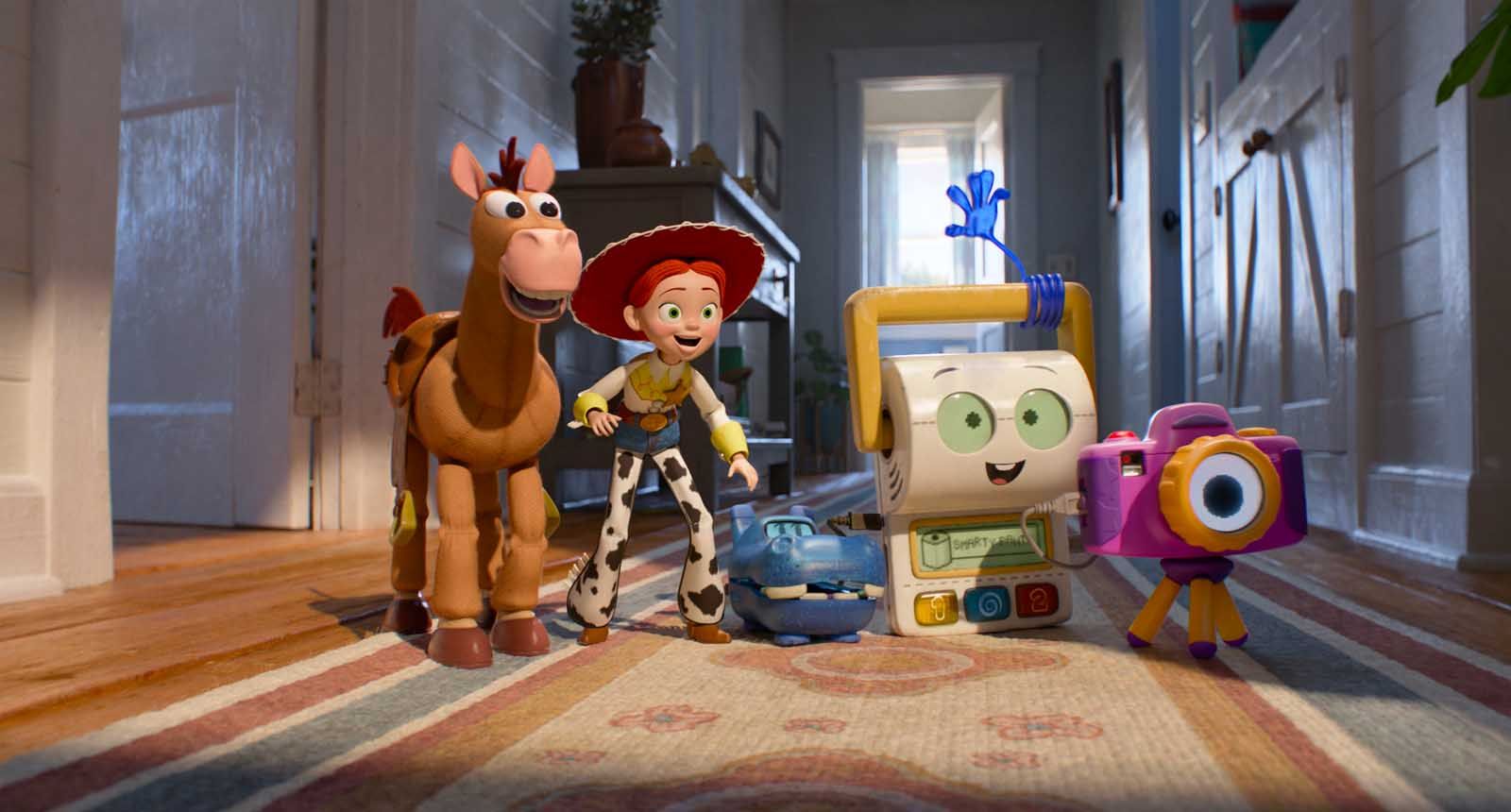

The fifth instalment in this series – the first of which celebrated its 30th anniversary last year – this new instalment tackles the obsession with screens amongst young people.
How will our heroes and their friends manage to get the better of the latest technological innovations? This is what Andrew Stanton – screenwriter of the first four films in the series, as well as director of *Finding Nemo* and *WALL-E* – and his team set out to explore here.
And to bring this major new project to fruition, Pixar was able to draw on both the talent of hundreds of artists and the very latest 3D animation technology.
Toy Story 5: Welcome to the Digital Age
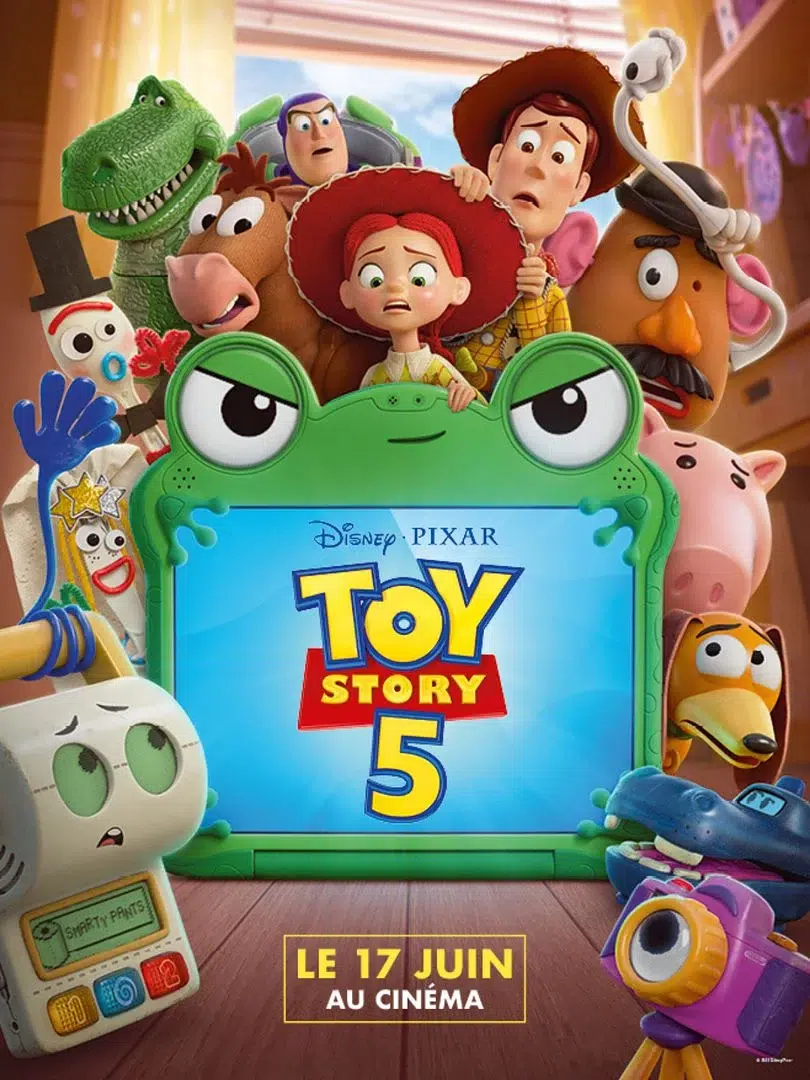
Before we take a look behind the scenes of this film, here’s the pitch: Whilst Jessie (Joan Cusack in the original version, Barbara Tissier in French) has become the group’s leader alongside Buzz (Tim Allen in the original version, Richard Darbois in French as his second-in-command), young Bonnie is given Lilypad, a frog-shaped tablet that is starting to take the place of their screens, much to Jessie’s despair. The cowgirl then calls on her cowboy sidekick Woody (Tom Hanks in the original version, Jean-Philippe Puymartin in the French version) to come to the rescue. Together, they’ll face this new major challenge: screen addiction.
With a stellar line-up of talent in the French-language voice cast (Laura Felpin voices Lilypad, but the cast also includes Jonathan Cohen, Jean-Pascal Zadi, Pierre Niney and Audrey Fleurot in the cast), the film is one of the major family releases of early summer, ahead of the Minions’ arrival on 24 June.
When Taylor Swift makes a guest appearance in *Toy Story*
A surprise revelation in recent weeks: megastar Taylor Swift has written an original song for the film, as revealed by VFX supervisor Thomas Jordan during a panel at the SXSW London festival in early June. Interviewed by specialist journalist Ryan Gaur, Jordan captivated his audience by revealing that very few members of the team were aware of this last-minute addition.
Entitled“I Knew It, I Knew You”, the track (which also marks the singer’s return to country music) required the creation of a “dummy” version of the film to prevent leaks.
“Actually, Taylor Swift is a big fan of Toy Story, just like many of us,” said Jordan. “She saw a rough cut of the film, then she wrote the song and asked us afterwards if we were interested. To be honest, we replied: ‘Er, yes! Yes, of course!’”
It was last February, and the secret was kept well under wraps, as even the Pixar teams (with a few exceptions) were unaware of this surprise until the end of May.
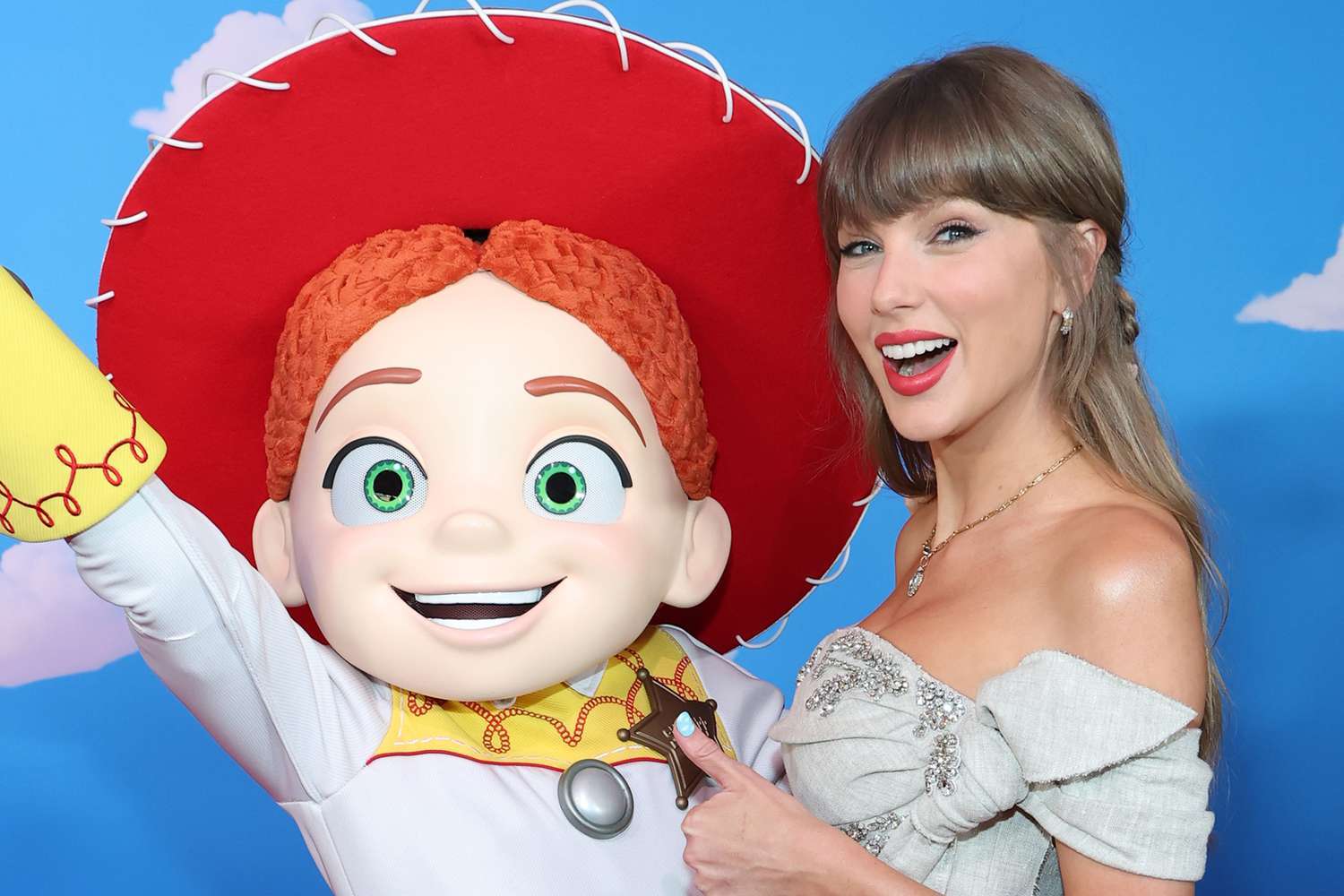
It was a real publicity boost for the film, which already enjoyed considerable popularity amongst animation fans and those nostalgic for the early films.
XPU: a new, game-changing rendering method
Announced with great fanfare last summer at SIGGRAPH (a topic covered by our teams), it is RenderMan 27 technology that lies behind Toy Story 5. This new version of the “made in Pixar” rendering engine brings a major advance: the XPU rendering system, which enables rendering on both the CPU and GPU, is now ready for use in production, including for the final render.
In practical terms, this development is in fact a genuine revolution in the 3D sector, offering tenfold the computing power and excellent interactivity throughout the creative process. The key advantages of the XPU lie in combining the computing power of CPUs with the massive processing power of graphics cards (GPUs).
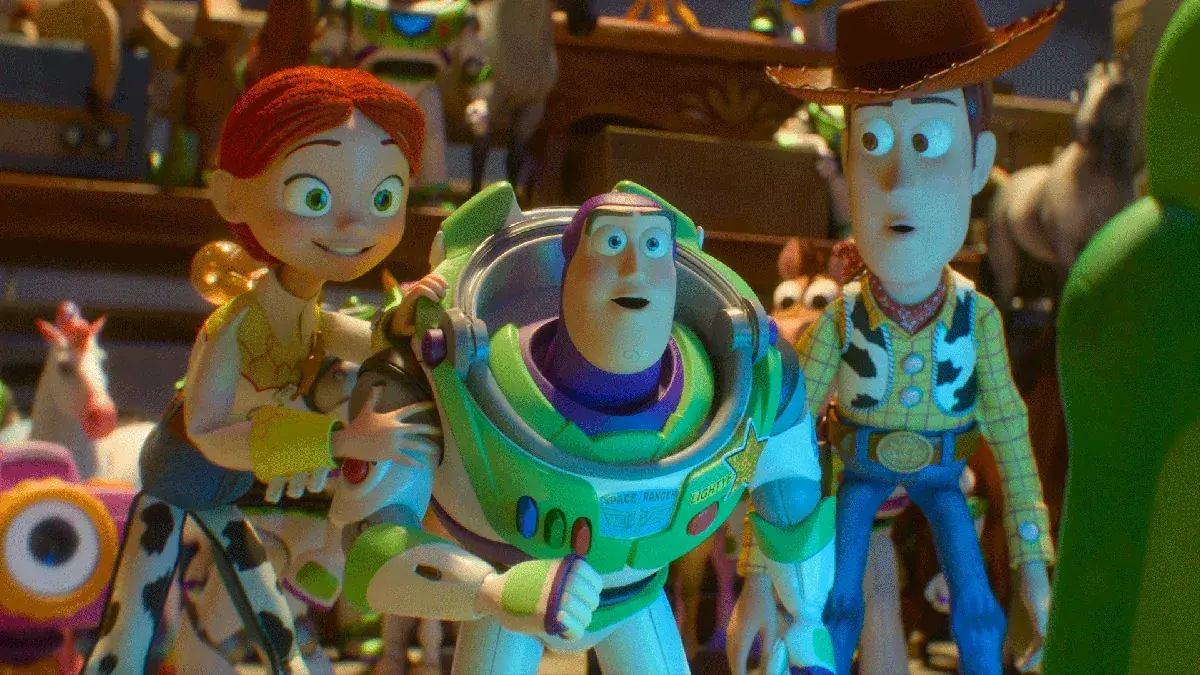
This will greatly streamline interactive workflows, reduce rendering times tenfold, and offer artists real flexibility.
Pixar is understandably proud, even going so far as to claim that this integration into RenderMan version 27 is the biggest update in over a decade.
And judging by the first images from the trailer, and the clips unveiled at Annecy last year to a rapt audience (during a presentation at which Pixar’s new film, *Gatto*, was also revealed), there is no doubt that the studio has made full use of this technology.
Guaranteed to be AI-free
When asked about Pixar’s working methods in 2026, Jordan emphasised that the entire film had been created without AI (generative AI, that is). “We are an artist-led studio, and we also have a solid technological foundation,” he explained in London.
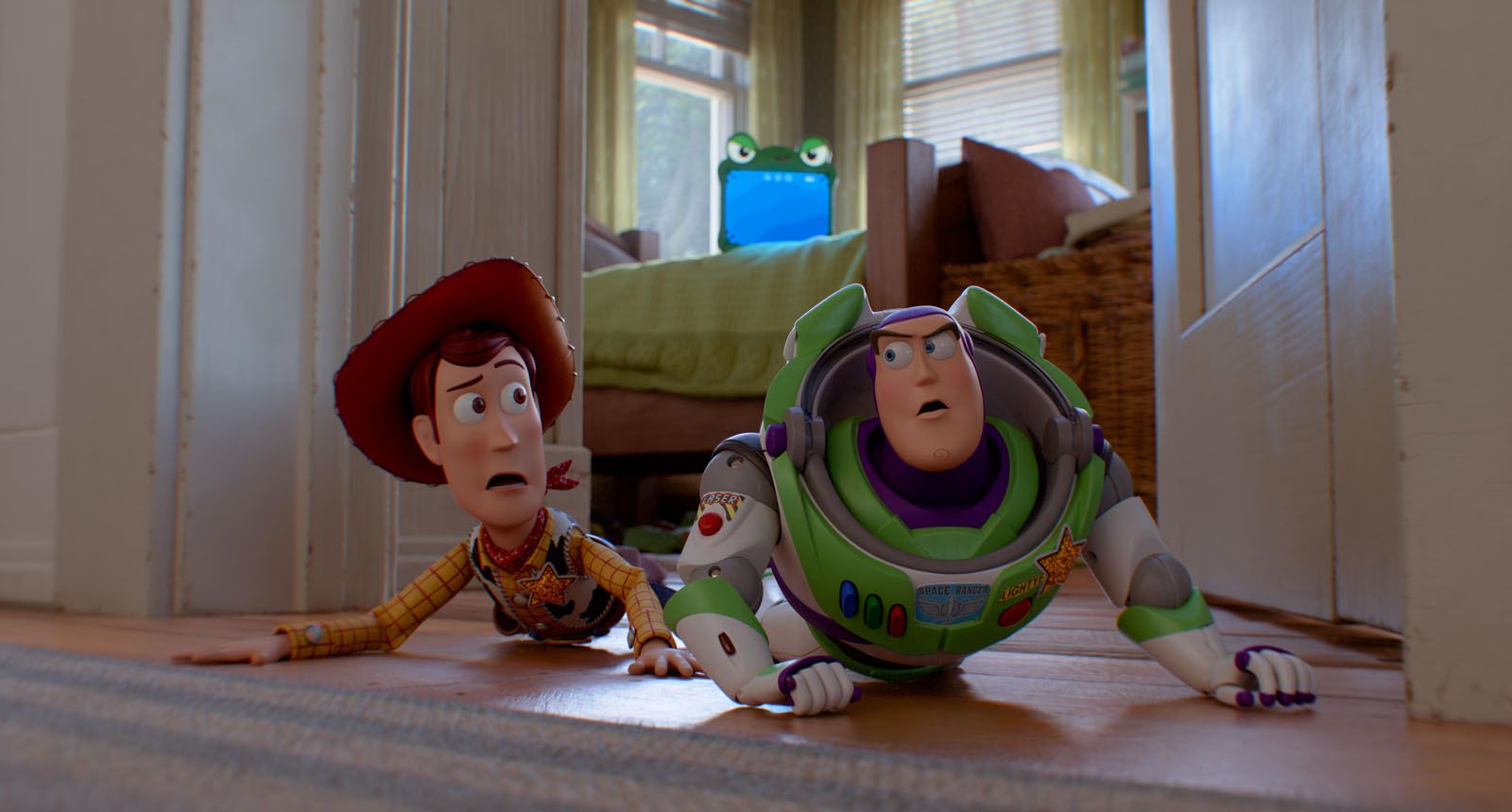
“We are constantly striving to stay at the cutting edge, whether through our own initiatives or by keeping up to date with the work of others. As such, AI fascinates us; we’re learning about it and have carried out experiments. But so far, nothing has met the high standards we set for the quality of our work.”
A studio that puts the spotlight on artists
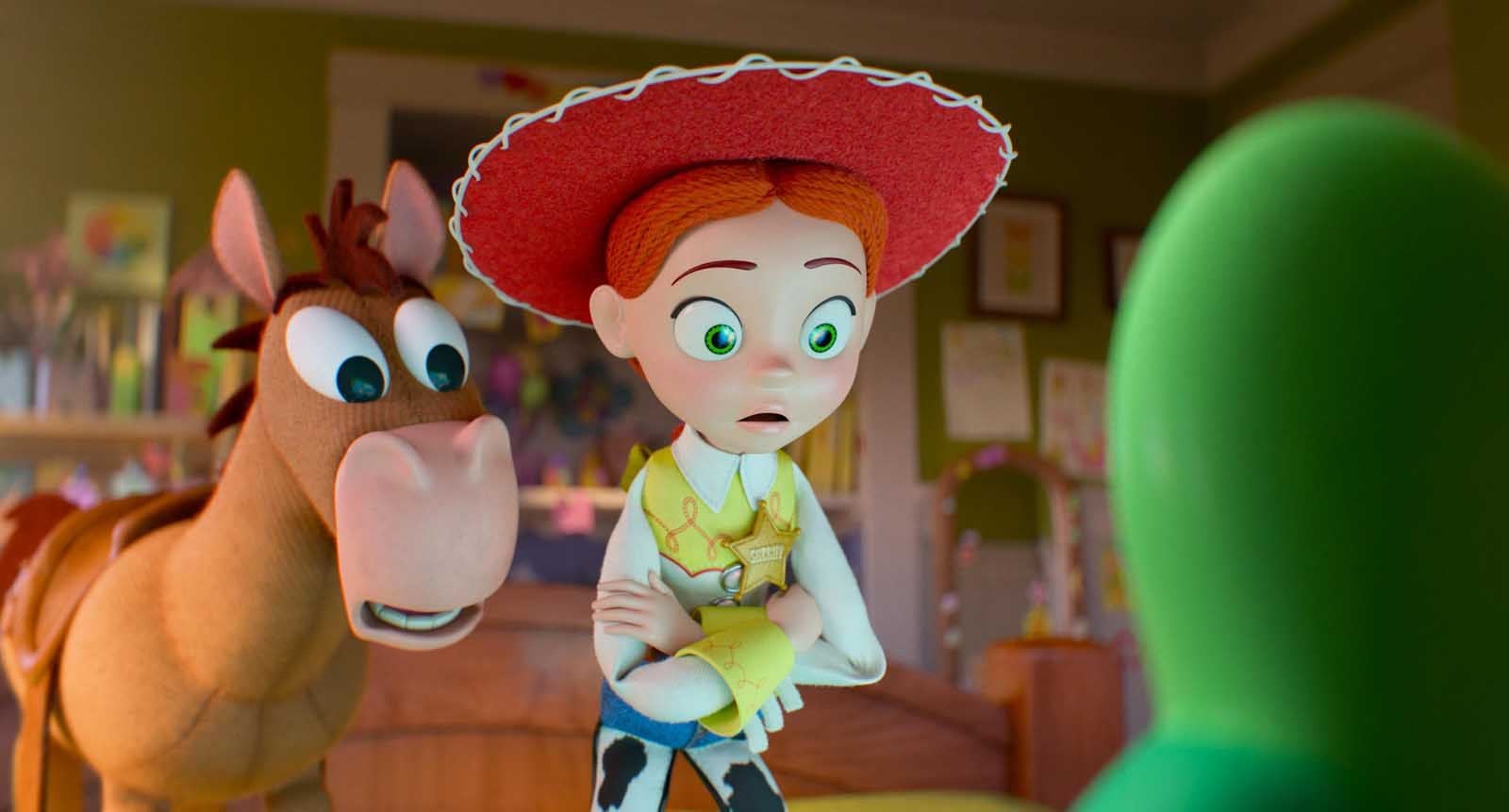
In light of Thomas Jordan’s comments, there is cause for reassurance for aspiring artists, many of whom dream of joining Pixar.
The good news is that the school has a very good relationship with the American studio.
Between the Renderman exercises completed by some students and the talent showcased during the Renderman challenges, ESMA and its 3D and special effects course are among Pixar’s favourite programmes in France.
In 2025, Dylan Sisson, a Pixar veteran and now a Renderman specialist, was chair of the judging panel at the ESMA Graduation Show.
A chance to discover the talent of ESMA students – and who knows, perhaps even to chat with the talents of tomorrow.