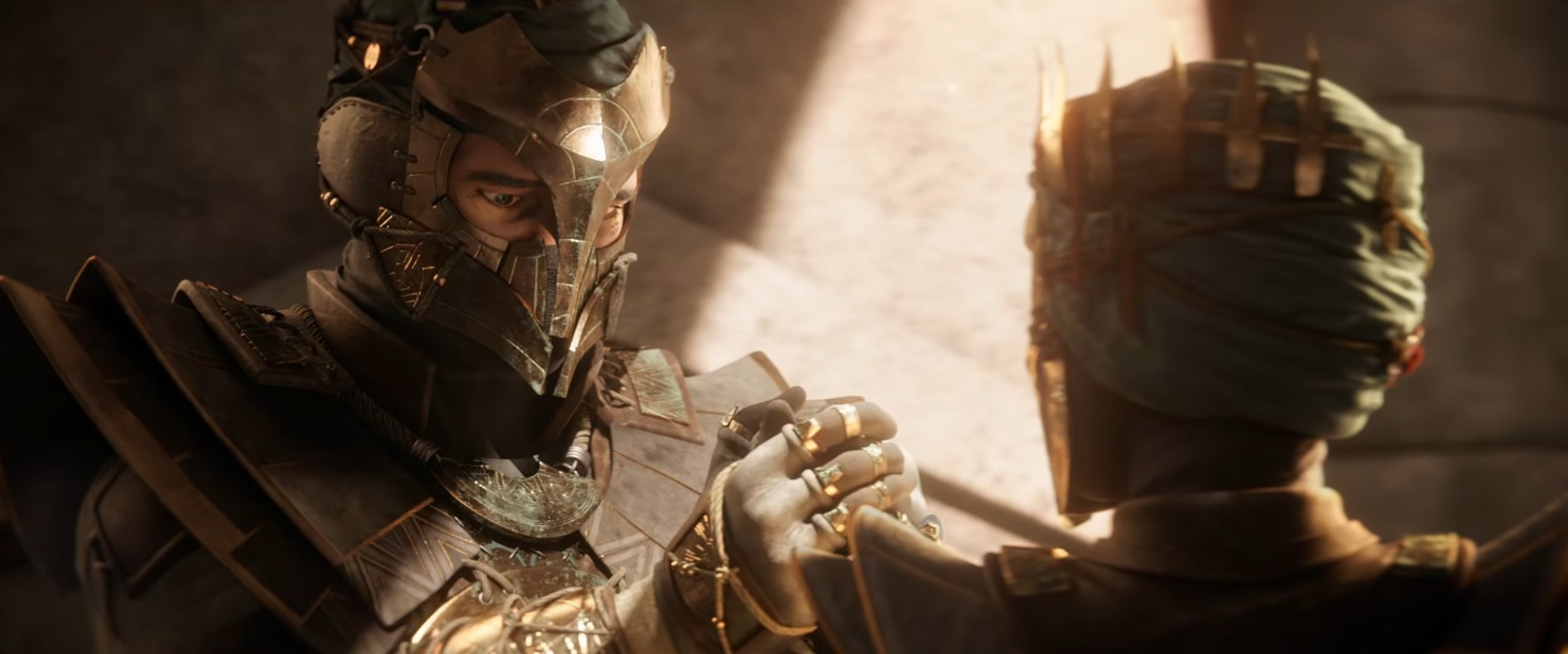

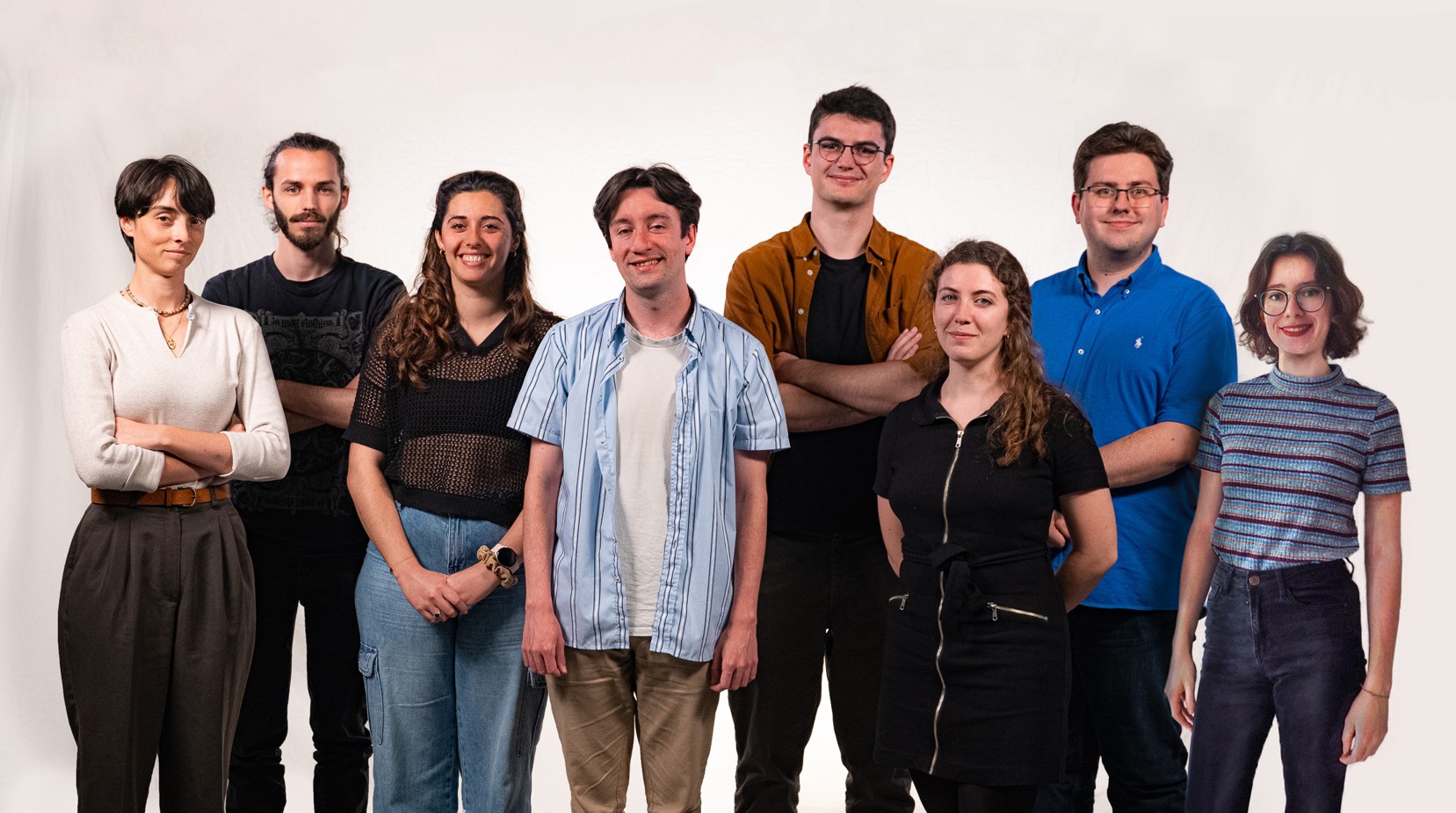
It was a gamble that paid off for Elsa Baillehaiche, Marie Guérin Du Grandlaunay, Titouan Helias, Kimberley Hubert, Antonin Lemaitre, Benoit Perrigot, Tiphaine Toisoul and Ion-Teodor Vilceanu. Trained at ESMA Nantes, the team delivered a high-quality production with this graduation short film, depicting the dilemma of a father torn between his duty as a general and his desire to save his own daughter.
On the outskirts of a city ravaged by time, a battle is brewing…
“We felt it was important for the whole team to be involved in this film”
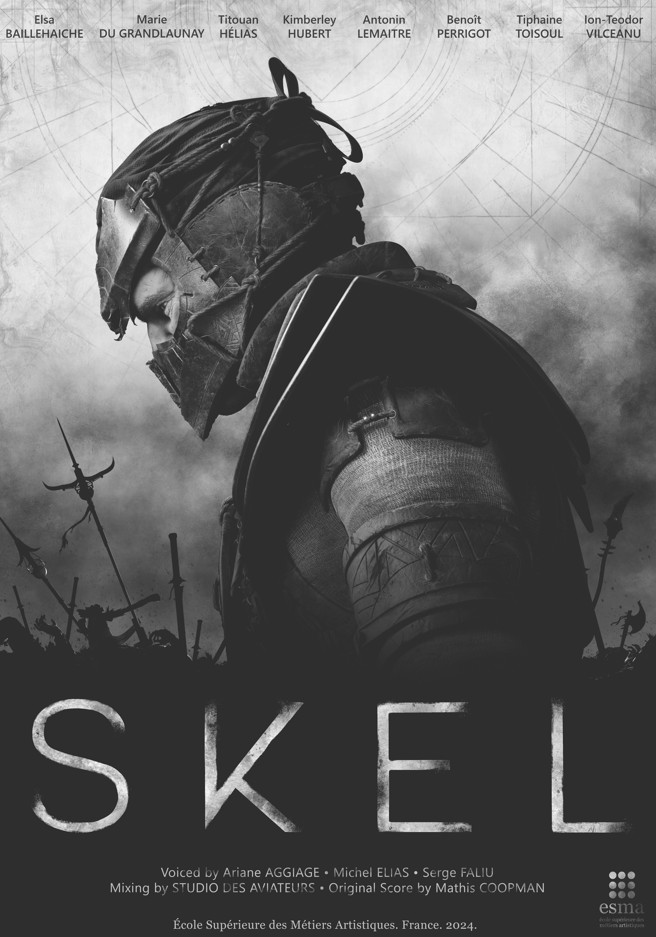
“Originally, our short film was called *Blitz* and told the story of a romance between two chess pawns. Suffice to say, it had nothing to do with what the film is today,” explains Tiphaine Toisoul, speaking on behalf of the team. But as this premise failed to strike a chord with the project’s creators, the decision to rework the film was an obvious one. “We were about to embark on a year and a half of working together, so it seemed important to us that everyone could identify with the film and enjoy working on it.”
Whilst keeping the conflict between two opposing sides at the heart of the story, but by giving its characters depth and psychological complexity, the team sought to raise the moral questions associated with such a choice and to portray the complexity of the choices and dilemmas that an individual must sometimes face for the common good of society.
This decision was also driven by a desire to give the film a strong visual identity. “It served as the guiding principle for rewriting the screenplay. Our aim has always been to create a realistic and raw artistic vision in order to emphasise the difficulty of the situation our characters are facing.”
A world that blends dark fantasy, Greek tragedy and brutalism
Behind this simple tale of a father facing his daughter’s sacrifice, the Skel team has created an entire fantasy world, drawing on a wide range of influences. “The idea was to transpose our society into a fictional universe inspired by dark fantasy to add an extra layer of drama, much like Greek tragedies such as Antigone. To achieve this, we had to devise a fully-fledged culture that would shape the visual style of the characters and the architecture.”
Inspired by Eddy Loukil’s Canadian animated short film *Distance ACT 1: The Peacock and the Sphinx* – which itself draws on numerous cultural elements from ancient civilisations and ethnic groups to bring to life its stunningly beautiful, mechanical, dance-like confrontation – the film’s team blended these influences, creating a unique aesthetic inspired by ancient Rome, brutalism, Byzantine culture and the Art Deco movement.
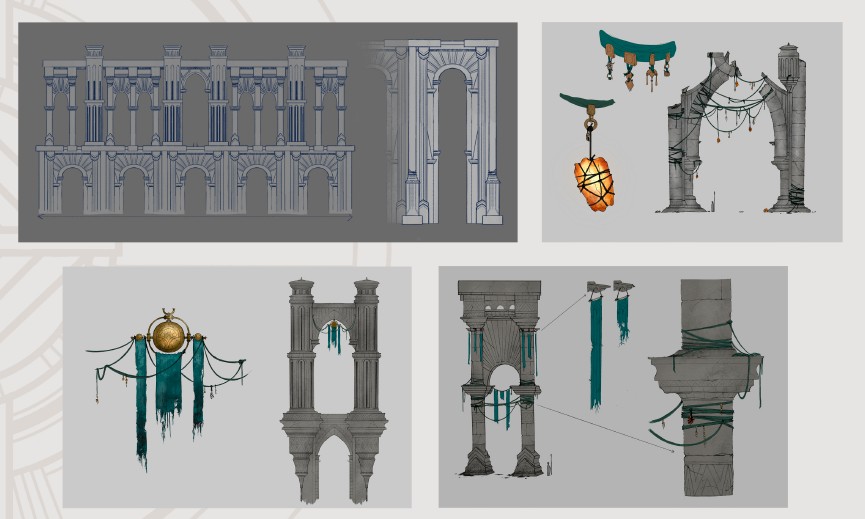
“The city and the bridge, the film’s two main settings, therefore required a great deal of work. But the most difficult part was undoubtedly creating the landscape around the architectural features. To serve the narrative, we needed to create a barren, lifeless, uninhabitable and isolated setting to illustrate the dead end in which the people find themselves. This prompted a great deal of thought as to how to convey this idea whilst making it technically feasible.”
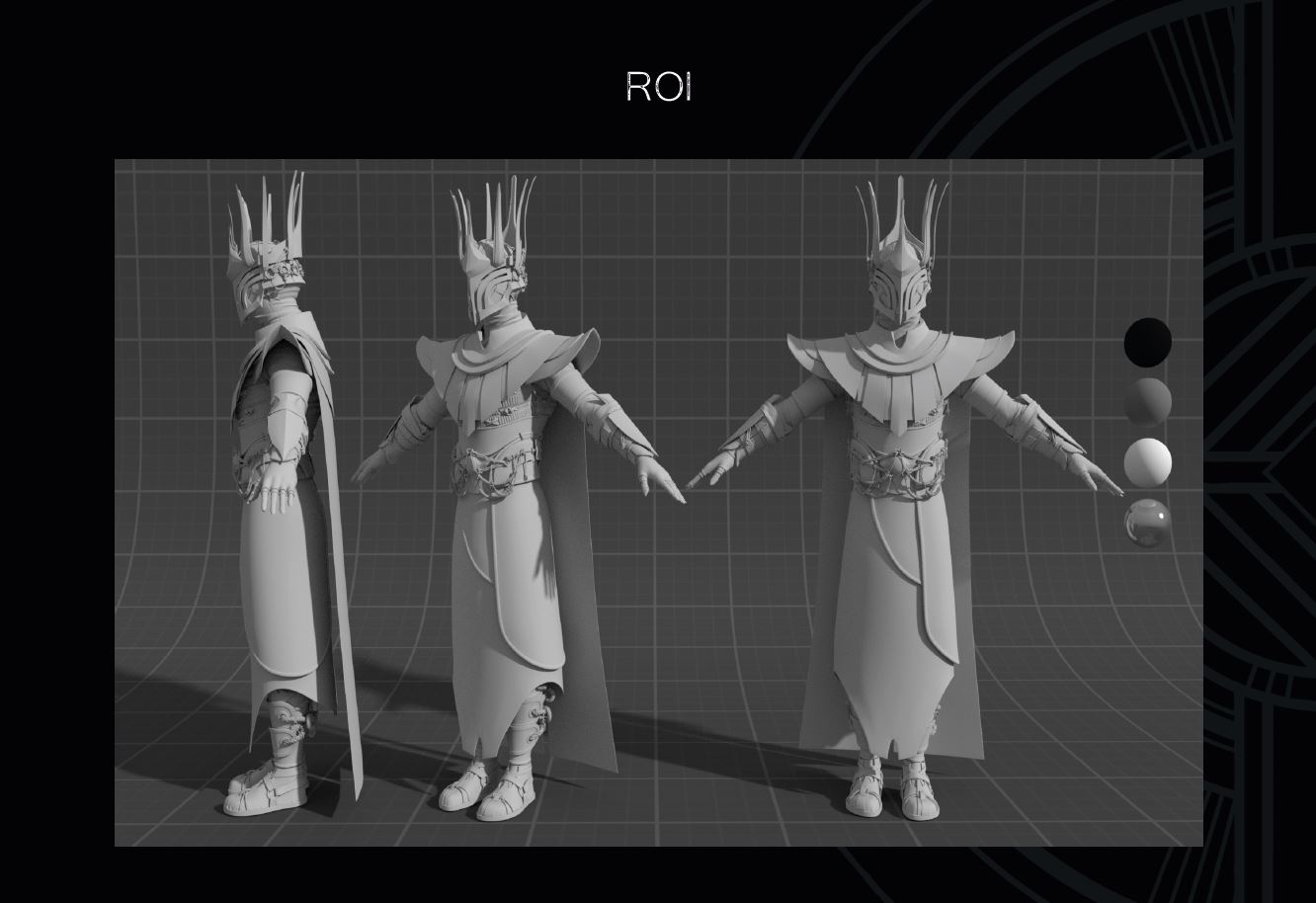
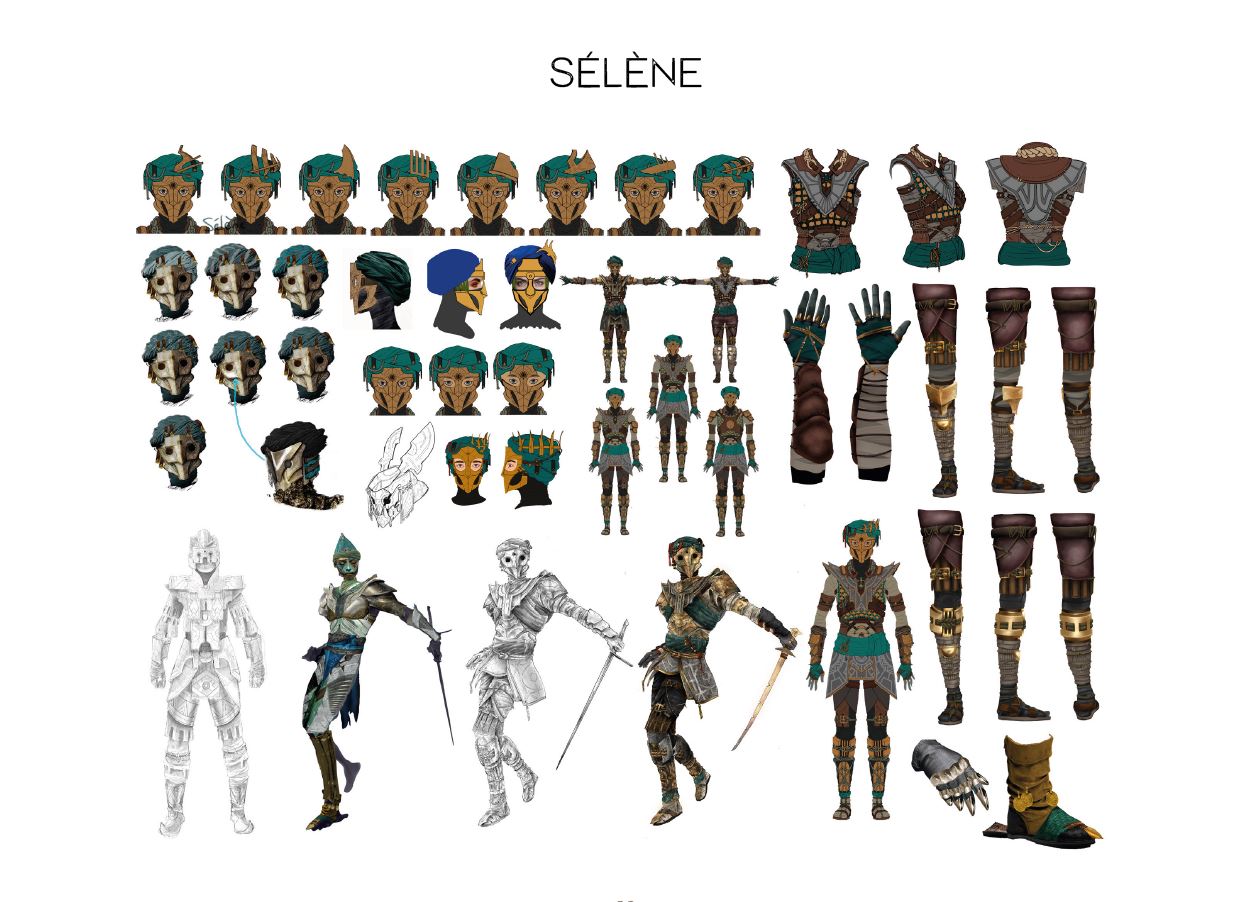
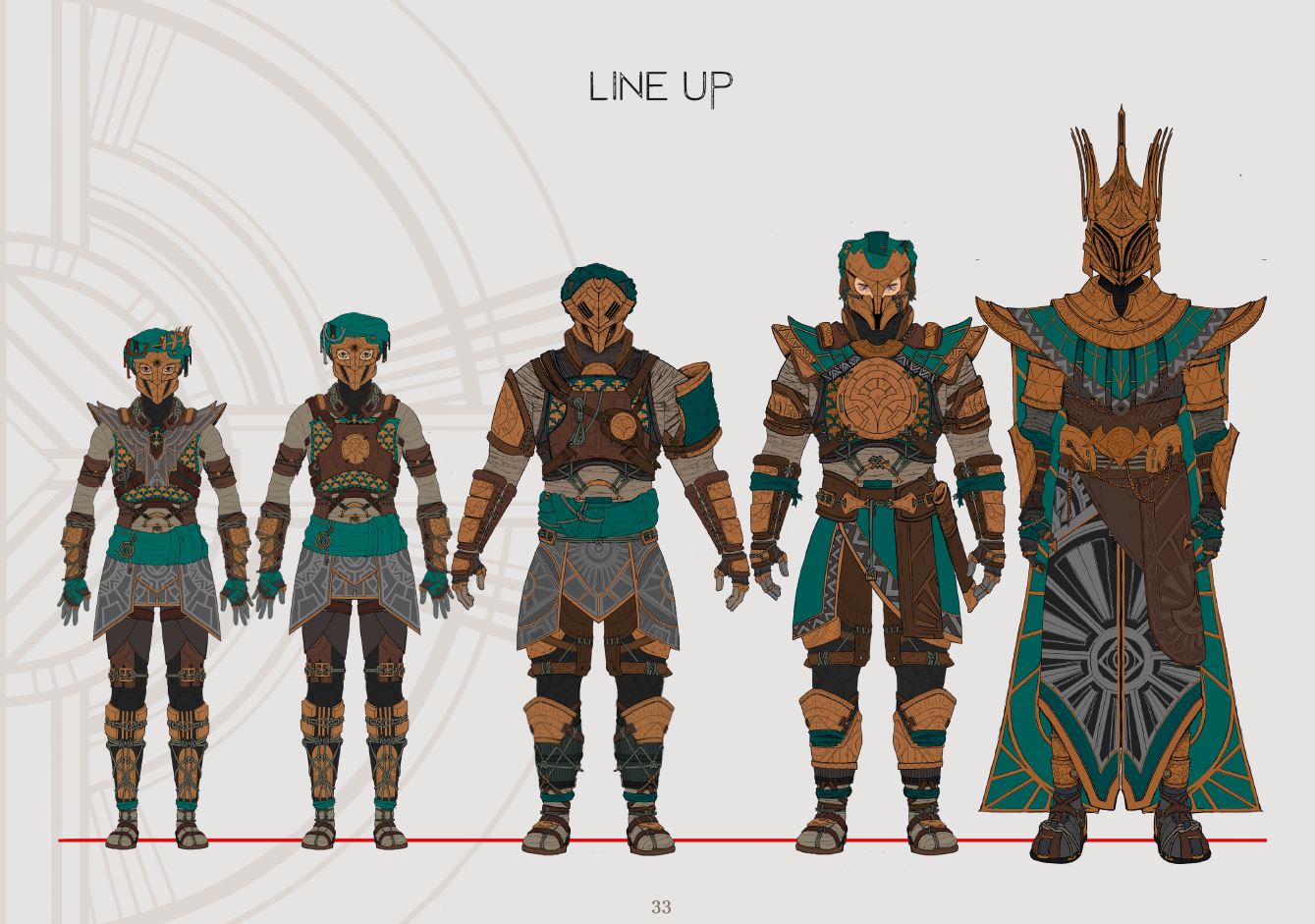
A harsh, sharp and brutal aesthetic, which is also reflected in the characters and their armour, clothing and accessories. The aim is clear: to immerse the viewer in a mysterious and unknown world, whilst drawing inspiration from reality to make the characters as believable as possible.
“This actually required numerous adjustments during production to ensure everything worked and that the characters could still move realistically despite their armour. We also had to convey all the emotions the characters were experiencing through their eyes alone. The mask, a symbol of deceit and a lack of transparency on the part of the hierarchy, conceals the rest of our protagonists’ faces.”
A host of technical challenges
With complex, realistic characters, a host of soldiers and some truly impressive outdoor settings, the Skel team set the bar very high and utilised a range of software programmes to tackle the many technical challenges posed by this project.
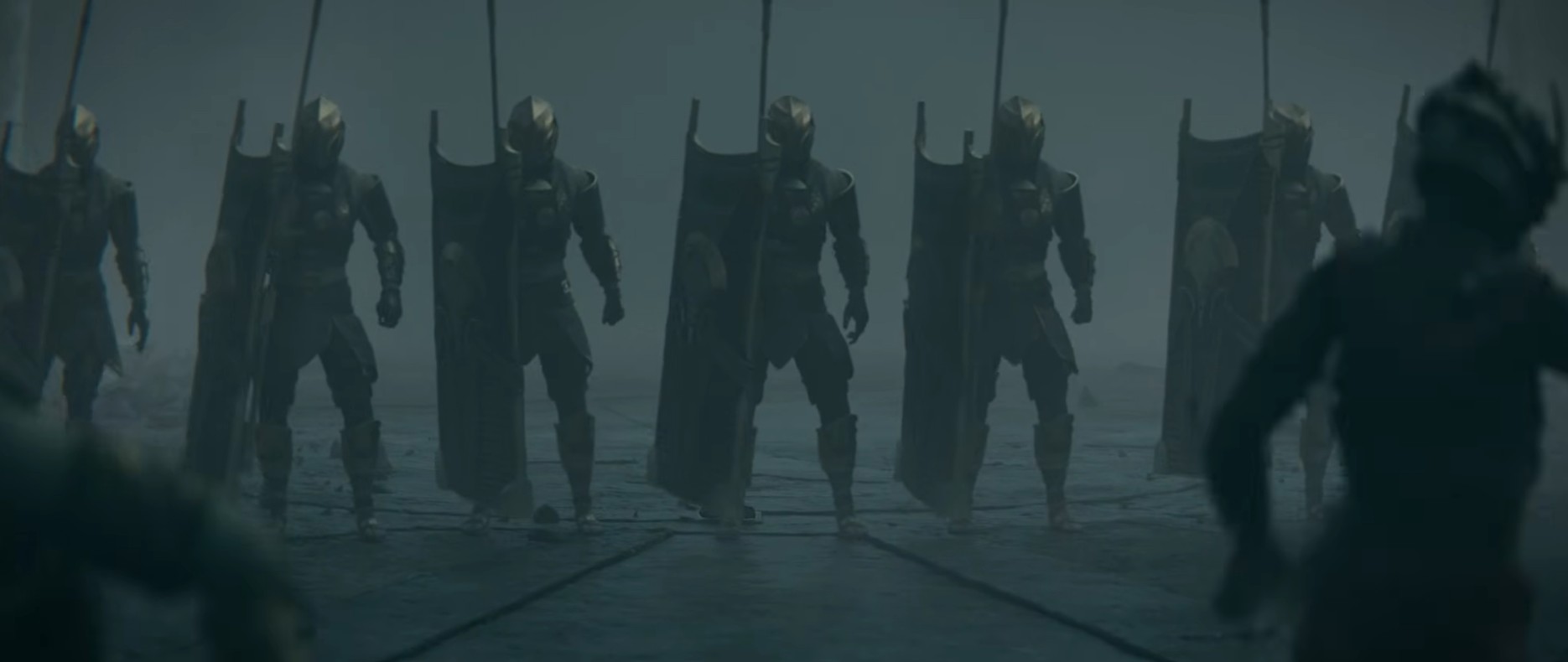
“We switched from Maya to Houdini and Solaris for assets and rendering – two programmes that were better equipped to handle crowds and complex scenes.”
However, it wasn’t easy at first to get to grips with these new tools, and we spent a lot of time creating a pipeline capable of rendering the hundred or so shots we’d planned, featuring crowds, clothing simulations and the grooming of the main characters. And to top it all off, we were tearing our hair out trying to track down the source of certain bugs!”
In the end, and despite moments of doubt, it was the team’s resilience, adaptability and belief in the project that enabled them to overcome these difficulties and bring this short film to fruition.
“Everyone found their place within the team quite naturally. We were lucky that we all complemented each other very well, which meant that everyone could focus on the tasks and stages they wanted to work on.”
A film that was completely reimagined and rewritten collaboratively by the eight members of the team, in a collaborative process where “everyone was on an equal footing when it came to putting forward their ideas.”
“Submitting a plan is a victory in itself”
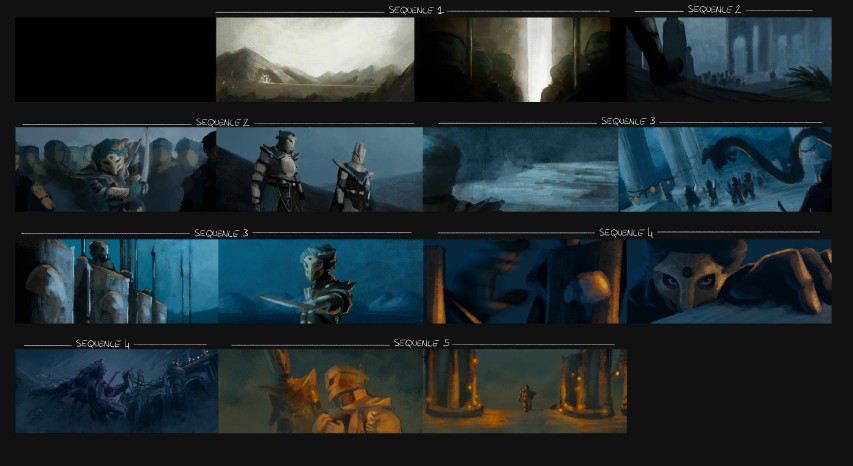
“One of the highlights of that year was probably the presentation, at one of the monthly jury sessions, of the very first shot we’d produced,” recalls Tiphaine Toisoul. “To be honest, it fell well short of the teachers’ expectations, but we were so happy to have finally managed to produce a storyboard and test the whole pipeline that nothing else mattered.”
A funny little anecdote – perhaps a bit embarrassing – but one that the team cherishes as a memory of this shared human experience that led them to the project’s completion, and a first screening during which, as Tiphaine recalls, “we realised just how much all our efforts and deliberations had paid off. It was moving and truly memorable. We’re particularly pleased with the emotion and food for thought the film conveys. The characters, the artistic direction and the music all revolve around this central theme, and refining every detail to serve that intention was a major challenge that we successfully overcame.”
Say less to convey more
This is the main lesson the Skel team has learnt from this experience, and also a piece of advice they wish to pass on to anyone setting out to make an animated film. “If we were to make the film again, we would probably have opted for a simpler version of the script. The final script wasn’t suited to the short film format, and we feel the story takes up too much space at the expense of the emotion.”
“Today, we are convinced that the short film format calls for a clear and concise script; so it is by telling less that we can convey even more.”
A consultancy service based on experience gained from working in a small, close-knit team, for a project that showcases both the students’ creativity and their ability to work together to overcome the complex technical challenges involved in creating a 3D animated short film such as the ambitious *Skel*.
Discover *Skel* now, a 2024 graduation film from ESMA, available to watch in full: