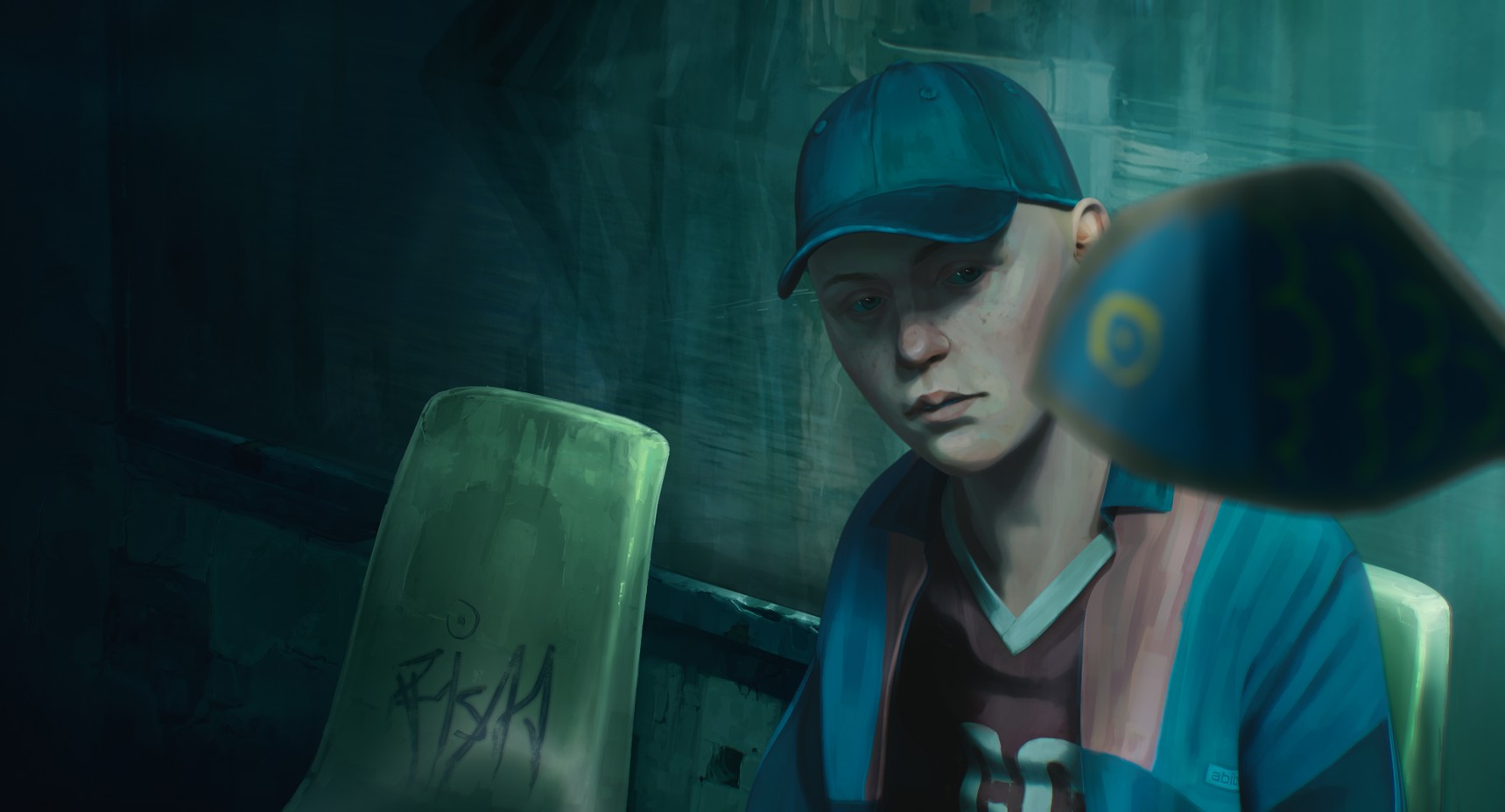

Here, we discover a man traumatised by his time in a reformatory as we delve deeper into the wounds of his subconscious.
Scars that drive him to commit the unthinkable, convinced that he is saving the street children he is murdering…
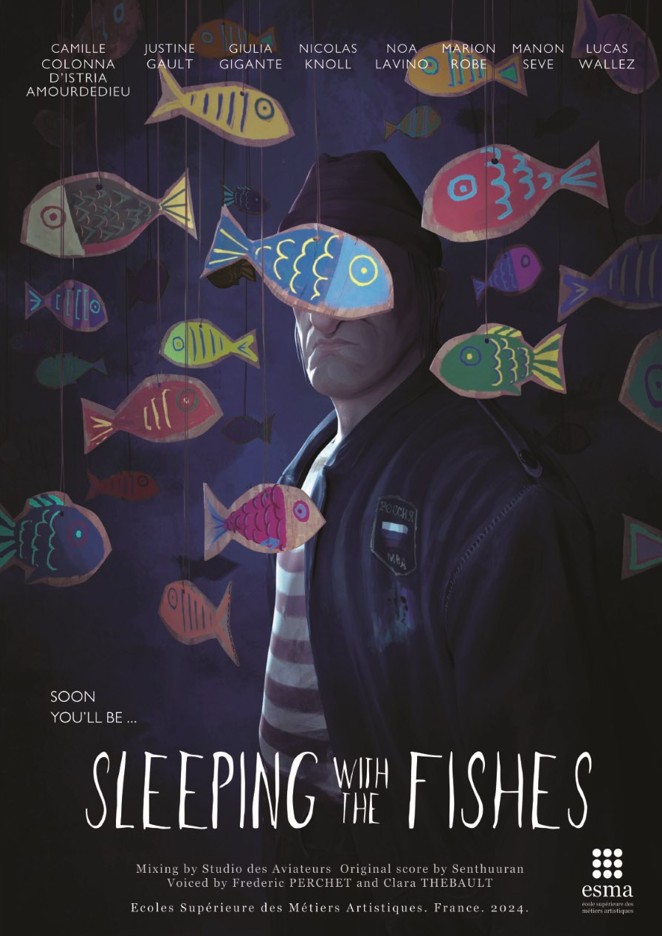
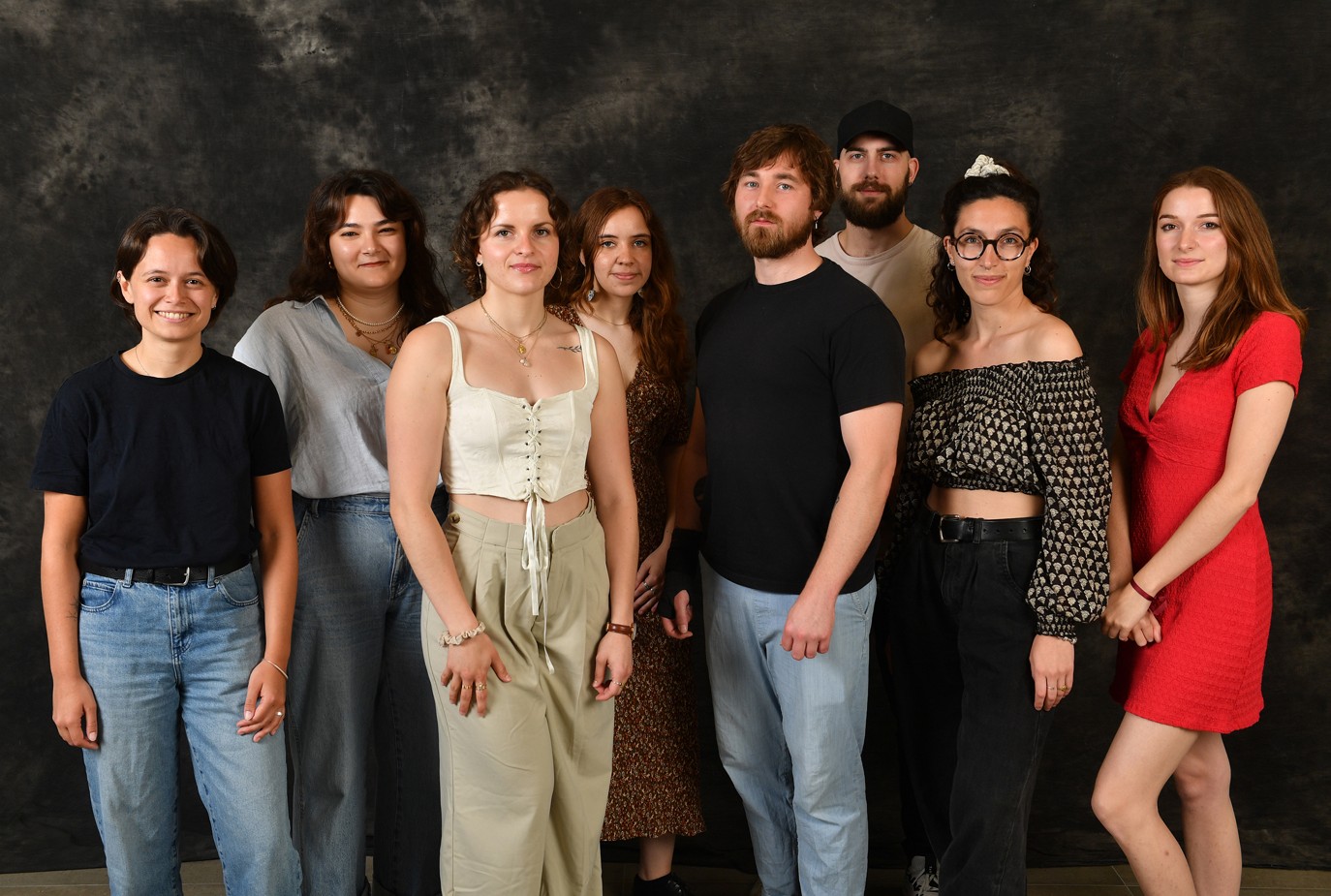
A sad fable, powerfully brought to life on screen by Nicolas Knoll, Lucas Wallez, Manon Seve, Camille Colonna D’Istria, Giulia Gigante, Justine Gault, Noa Lavino and Marion Robe, which impressed the jury at the ESMA Graduation Show 2024, who awarded it a well-deserved third prize. A few months later, *Sleeping with the Fishes* made it to SIGGRAPH, alongside *Trash* and *Dawn*.
Whilst the film crew were still starry-eyed, we had the chance to discuss the creative process behind their short film.
Your film strikes a very harsh tone right from the start – was that something you intended from the very beginning of the project?
Absolutely. This project arose from a desire to move away from the conventions often associated with animation and explore a more serious and mature tone. From the outset, our aim was to show that this medium, often perceived as being aimed at children, can also be used to tell profound stories that convey more adult messages. Through this film, we wanted to demonstrate that animation is a genuine form of artistic expression, capable of evoking emotion, prompting reflection and tackling complex themes.
How has your narrative concept evolved over time?
The script has always retained the original idea: the encounter between a young street boy and a man scarred by the traumas of society.
Right at the start, the action took place under a bridge, where the main character was painting a mural, thus maintaining that distinctive visual style.
The ‘Peter Pan’ aspect was also there from the start, as we wanted to show that, from the man’s point of view, he was ‘saving’ the boy by preventing him from living the same difficult life that he himself had experienced.
What guided you in your narrative or aesthetic choices?
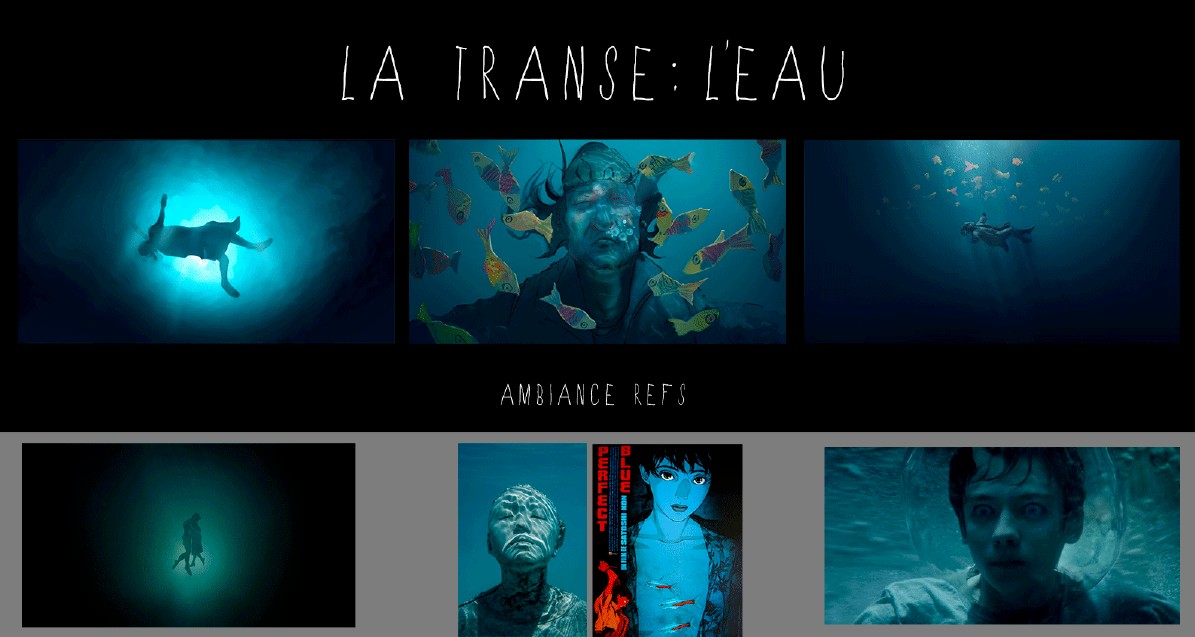
Our aim was to create a darker world whilst retaining a thriller-like atmosphere. In this respect, we were inspired by the development of recent productions using a painted style, such as Arcane, but we were also drawn to the visual approach of works by Alberto Mielgo and Bozo Balov.
This style offers great artistic freedom, and for the story we wanted to tell, it was essential to be able to break free from certain visual constraints in order to better convey the atmosphere and emotional depth of our narrative.
Let’s talk a bit about your characters. How did you go about creating them?
We went through an extensive pre-production phase to define the characters’ demeanour, with the aim of enabling the audience to feel just how deeply they are affected by the bleak and harsh environment in which they live.
We really wanted to convey that reserved side to Misha, our adult protagonist, throughout the film. Without him coming across as too menacing.
Alexei must have struck her as a street urchin who made a living from theft, and whom one gradually gets to know.
Despite everything, there were many challenges in giving the film its full impact with such a limited number of characters. We wanted to avoid the characters looking too smooth – as can sometimes happen in 3D – by adding imperfections to their clothing or physical appearance. In terms of animation, it was also a real challenge: we really had to put ourselves in the characters’ shoes to shoot reference footage, so that the animators could fully understand their movements and personalities.
Were there any particular references or sources of inspiration?
In our case, the main sources of inspiration for creating these characters came from observation. Observing the people around us to understand what shapes their character and their unique traits enabled us to create credible and realistic characters. At the same time, the works of Alberto Mielgo also provided a rich source of inspiration, as this artist truly brings his characters to life with a strong sense of physicality.
Apart from these two main characters, how did you go about creating the film’s world?
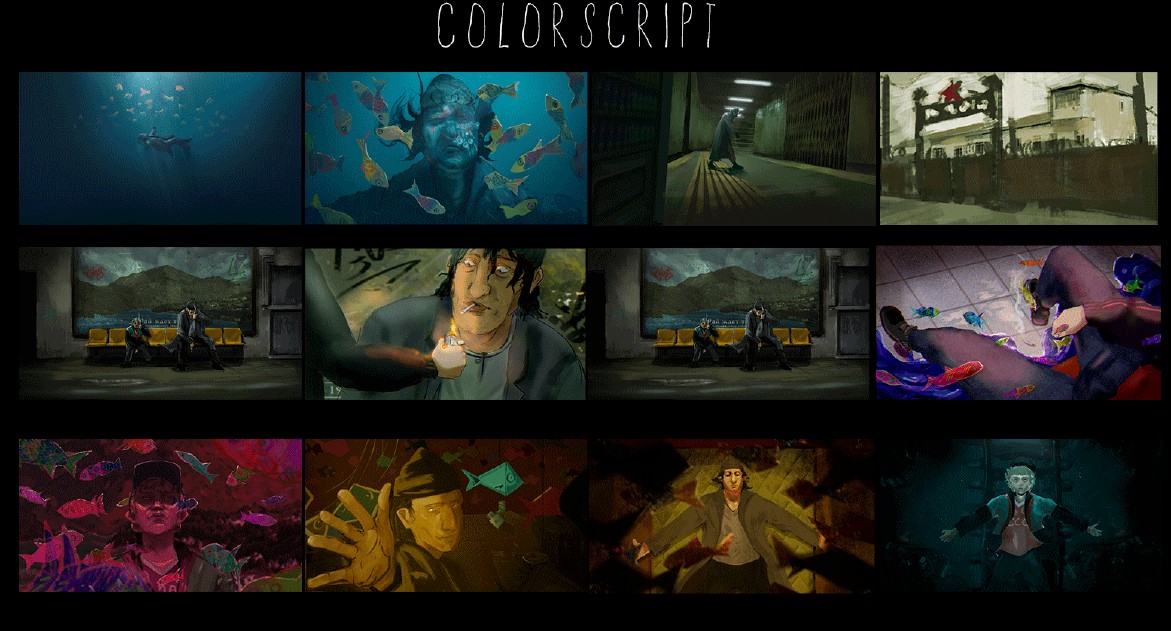
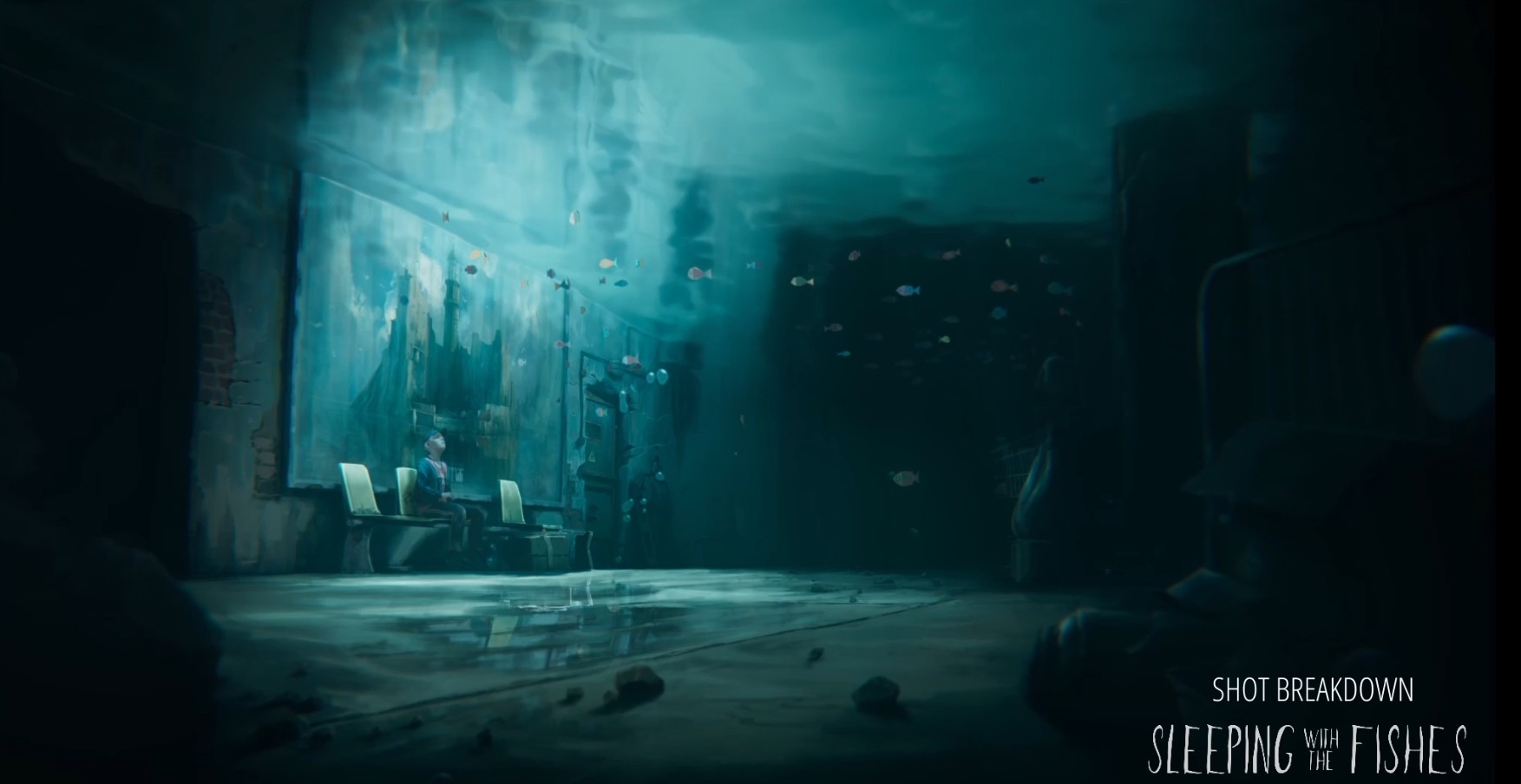
Our aim was to create a dreamlike thriller. The thriller’s dark side stems from a multitude of references such as *Seven*, *Love, Death & Robots* and the Soviet-inspired landscapes, which are very bleak and harsh. Once again, the influences of Alberto Mielgo, Léa Pinto and theArcane team were very much in evidence, but it was very important for us to vary these in order to define quite precisely the scope of what we wanted to achieve. Once again, these aesthetic choices presented complex challenges, particularly for the underwater scenes at the start of the film and the water ceiling in the station.
When it came to the scenes in the water, we were still very much in the process of finding the film’s identity. To avoid making them look too realistic and instead give them a stylised feel, we went back and forth on this a great many times.
As for the water on the ceiling, this sequence was more technically complex. We had a large-scale simulation of water on the ceiling, and combining this with other special effects proved to be a real challenge, particularly in terms of maintaining the film’s 2D look despite this combination of multiple elements.
How did you overcome these technical challenges?
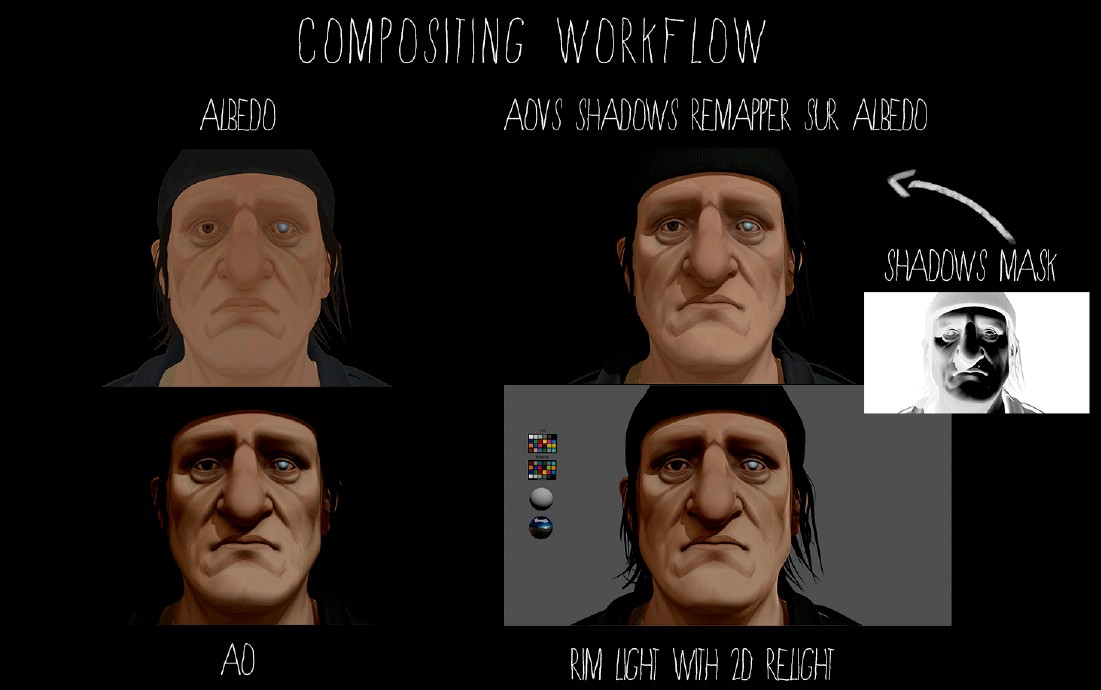
As mentioned above, the main difficulties we encountered were of a visual nature. Once we’d settled on the visual style, it was still quite complex to translate it into 3D, as rendering software such as RenderMan tends to emphasise the realistic aspect of the final image, whereas we wanted to go in a different direction. To resolve this issue, the rendering/compositing team put in a great deal of work, developing a workflow in Nuke and creating various masks and passes to preserve and recreate that hand-painted look. It is also worth mentioning that the division of roles within our team was seamless, and that we had appointed a production manager to oversee the project’s progress. Responsible for ensuring the project ran smoothly, this person issued instructions whilst maintaining constant communication with all the production managers.
What enabled us to bring this project to a successful conclusion was the team spirit within our group and the determination of the staff in each department, who went the extra mile to create a short film of the highest possible quality.
What makes you most proud today when you look back on this project?
This short film is the culmination of four years of study, but also a real step towards the world of work. The fact that we have been able to demonstrate that a painterly style and a more serious tone can also find their place in this format is a great achievement, which we hope will inspire other students to follow this path.
We are also particularly proud of the fact that we never had to resort to generative AI, which was becoming increasingly prevalent at the time. We are pleased to have been able to oversee every aspect of the production right through to the end. With hindsight, there are several areas where the film could have been improved.
However, given the resources at our disposal and the experience that each of us brought to the project, we did our best within the time allowed.
Moreover, the feedback on the film from various industry professionals has been very encouraging and shows that all our efforts have not been in vain. The fact that they have highlighted the visual style and the complexity of the plot proves that our message has indeed been well received by our target audience.
What advice would you give to students who are making their films today?
Don’t put too many restrictions on your creativity and listen to your instincts, whilst taking all the feedback you receive into account.
It’s also important to communicate as much as possible within the group, and to understand the requirements for the film. Our profession is constantly evolving, and it would be a shame not to incorporate that little extra something that will help your film reach its full potential. Producing your own short film is quite rare in the industry, so do everything you can to ensure you can be proud of it.
Building on the legacy of their influences, the team behind *Sleeping with the Fishes* has created a powerful short film, with certain images that will remain etched in the audience’s memory. A distinctive style, for a powerful story in which you can easily lose yourself, just like our unfortunate protagonists.
Discover *Sleeping with the Fishes* now, a 2024 graduation film by ESMA, available to watch in full: