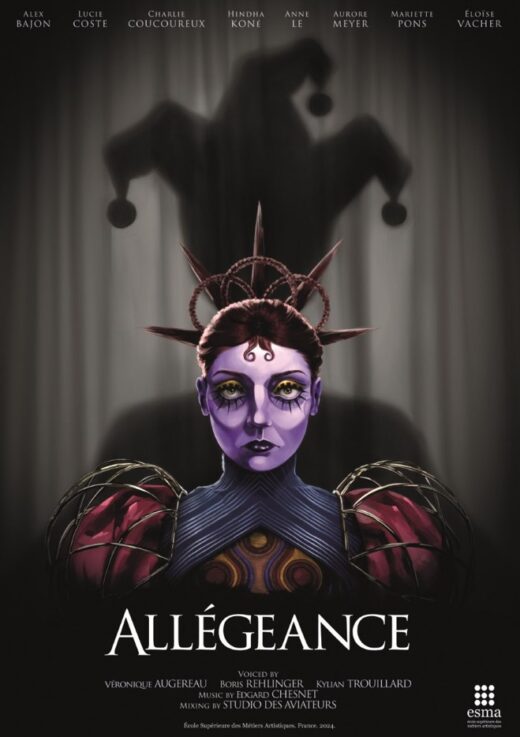
Discover the film Allégeance :
You can find all our films on our YouTube channel:
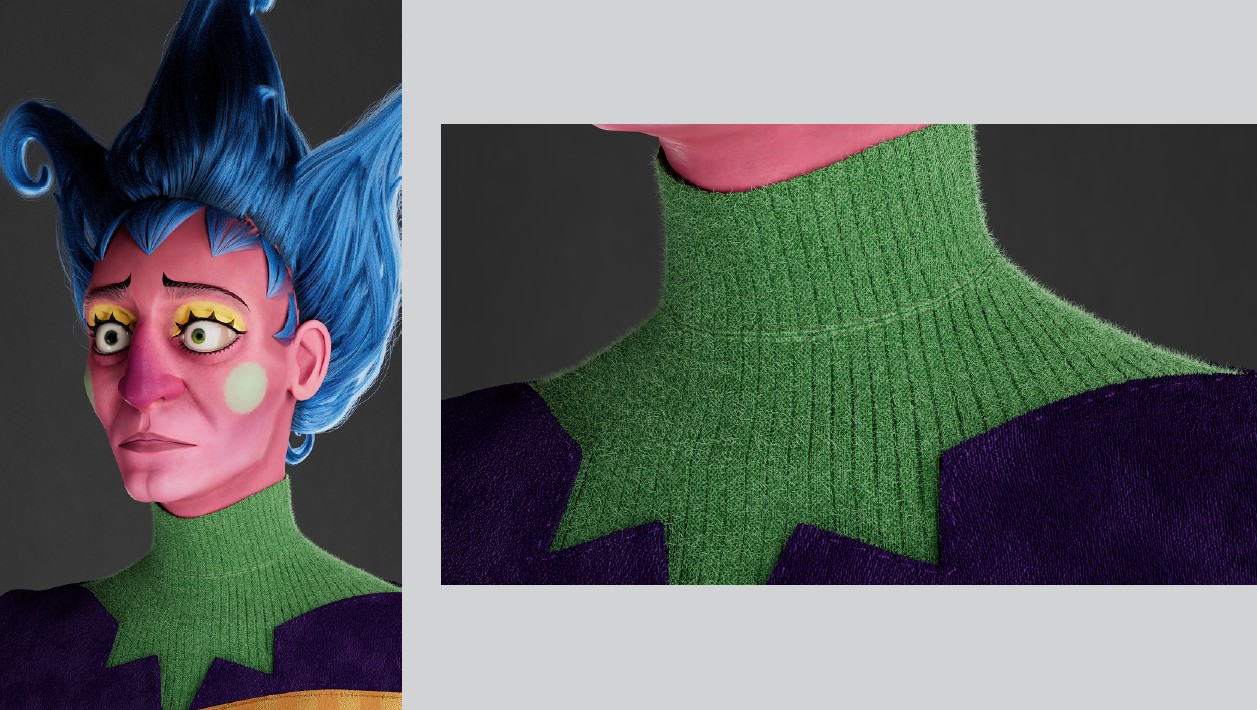
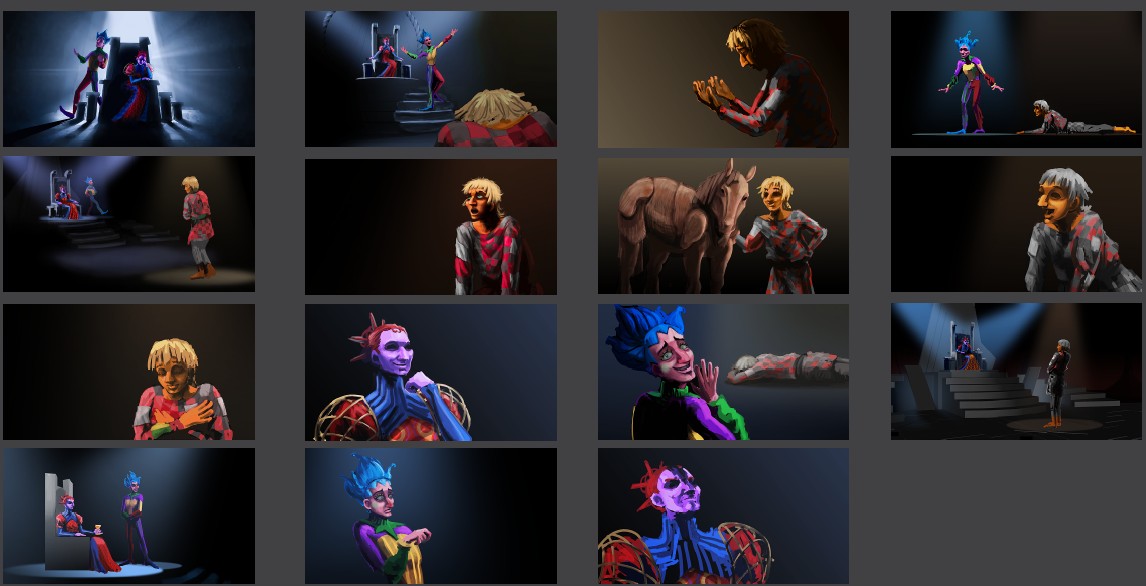
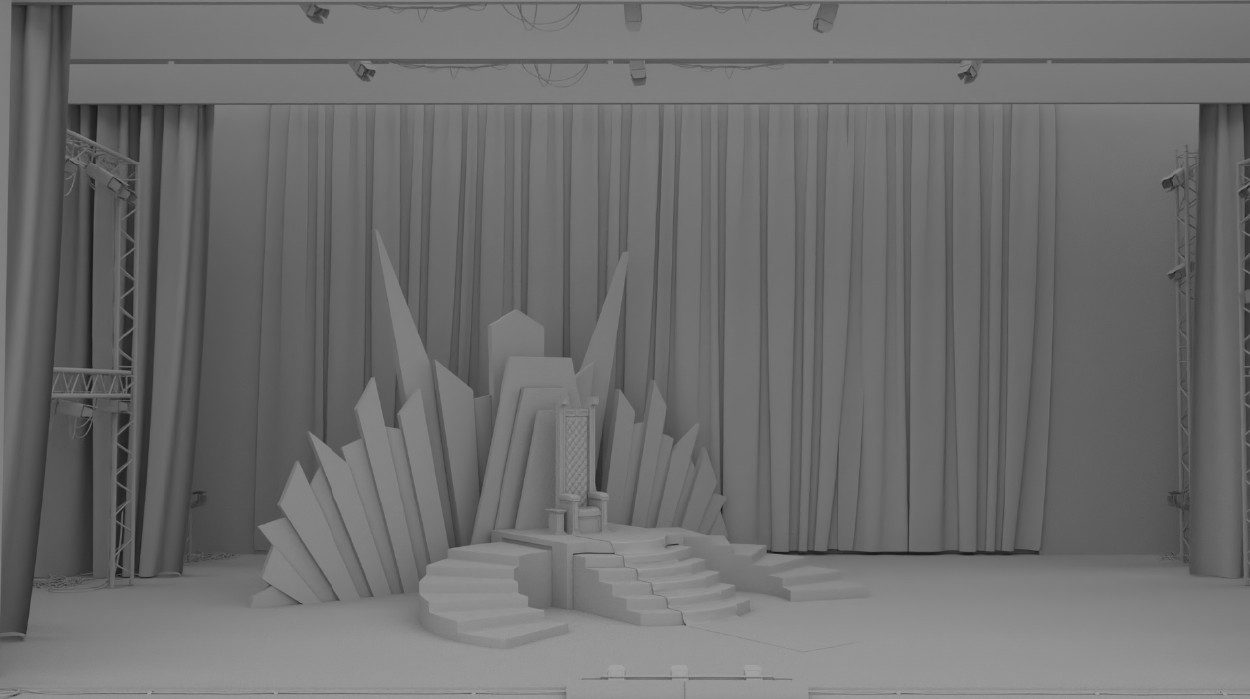
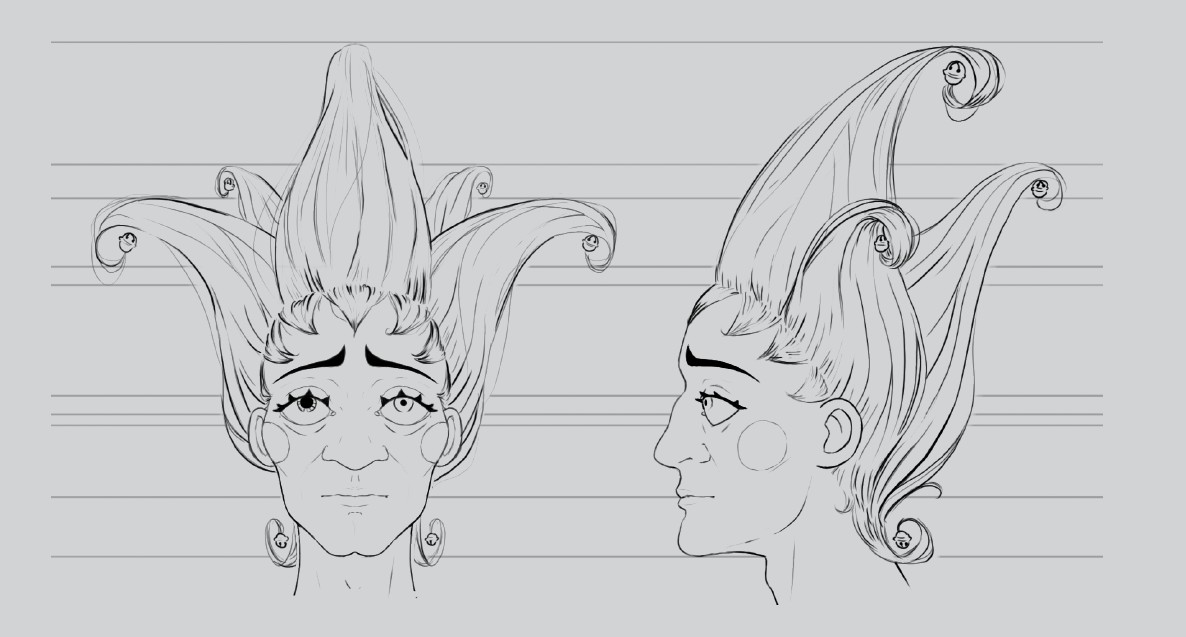
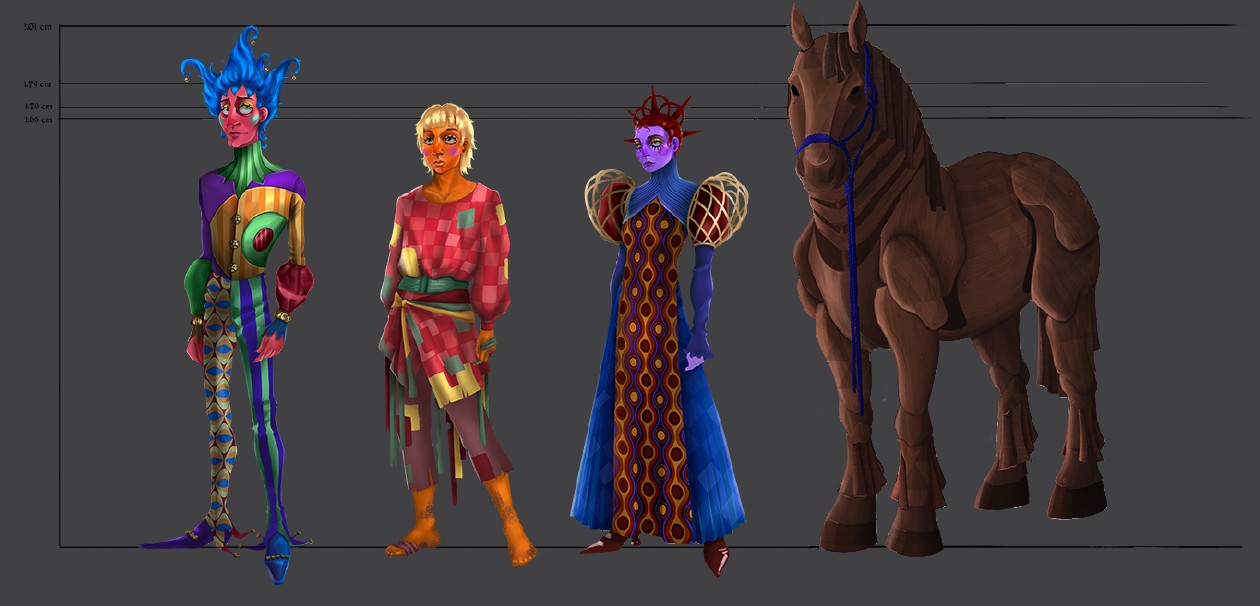
In a silent theatre, a madman appears under the light and addresses the audience.
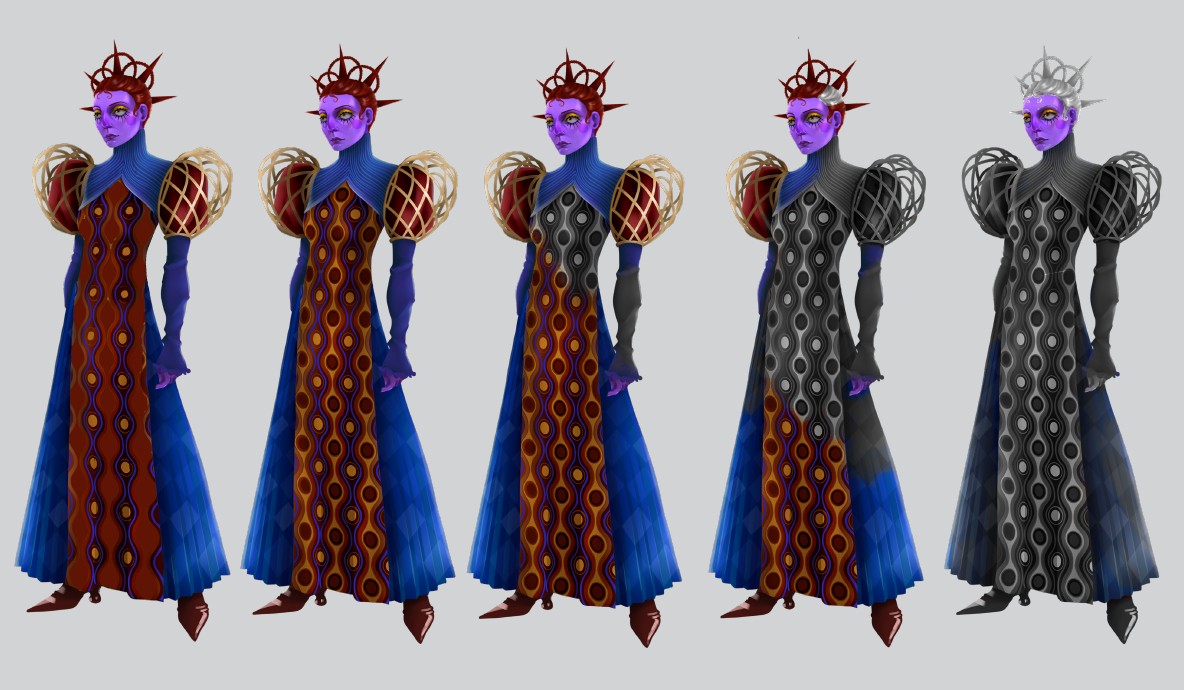
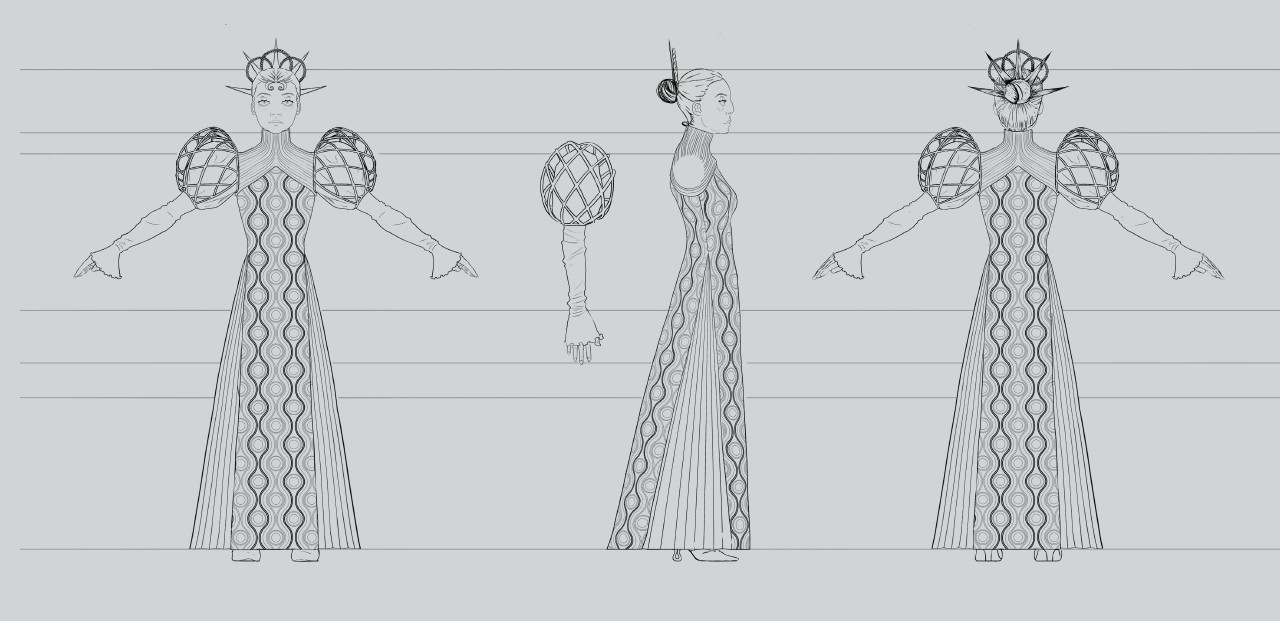
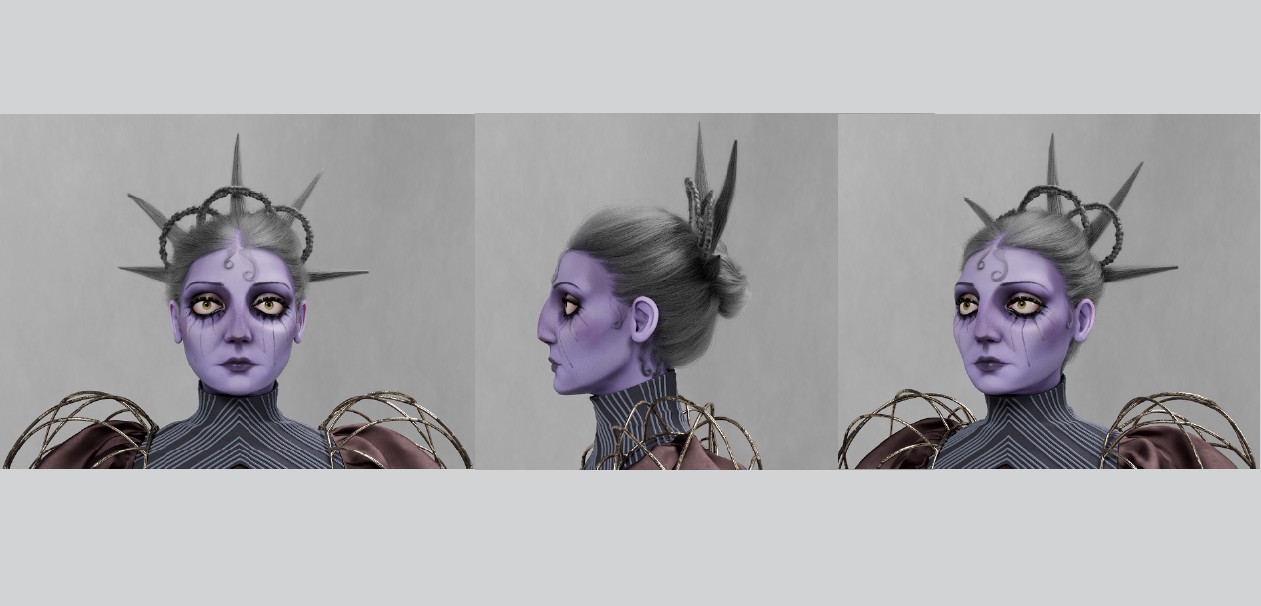
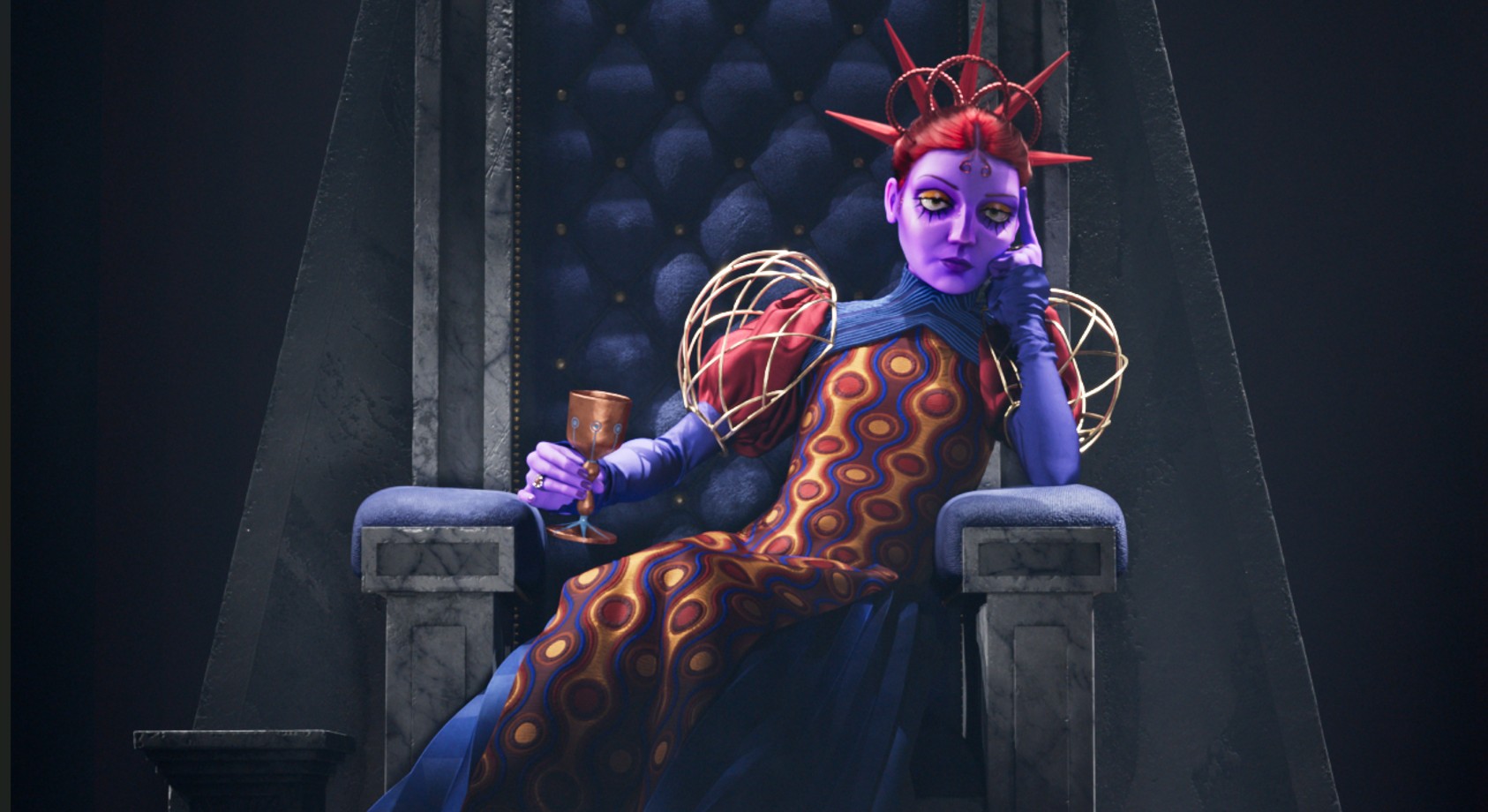
He sets out to tell the story of a queen of legendary goodness, capable of granting her subjects’ wishes as long as they submit to her authority.
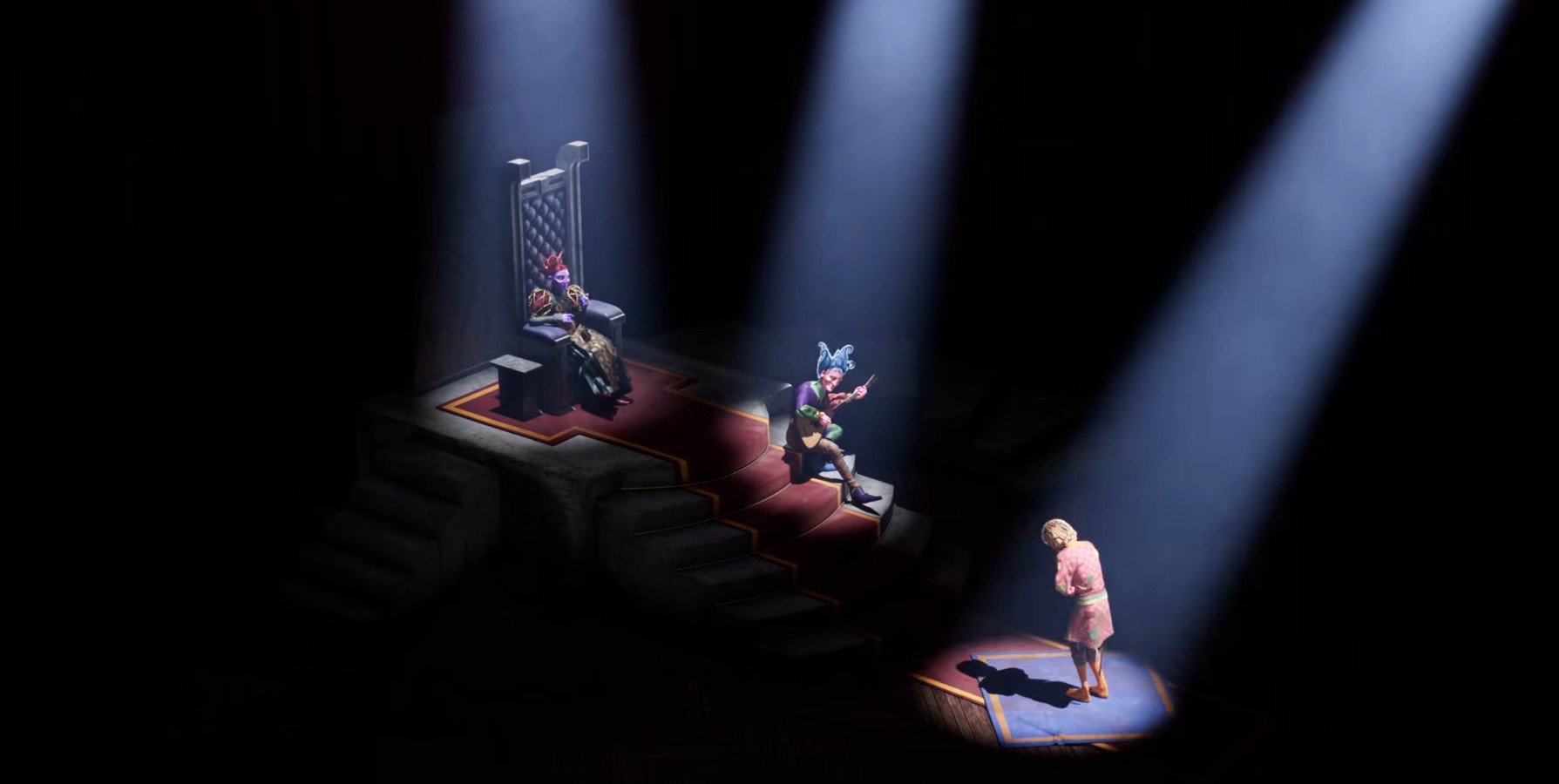
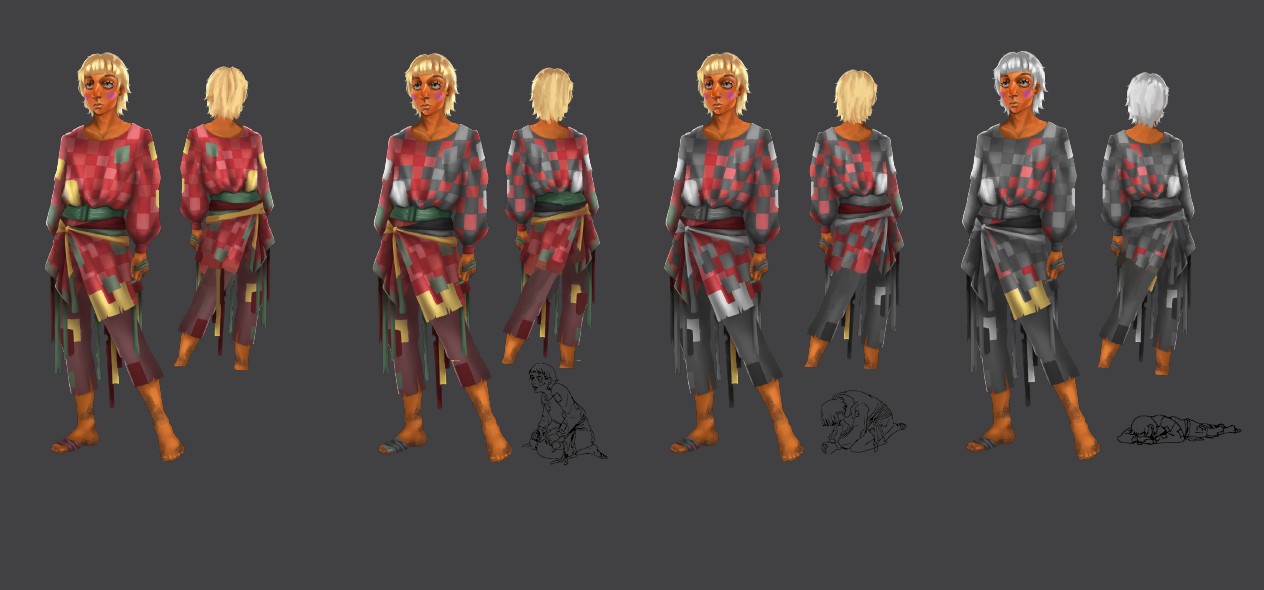
On her throne, the queen receives her first griever, a shy and awkward person. Under the mocking guidance of the madman, he manages to formulate a simple request: food.
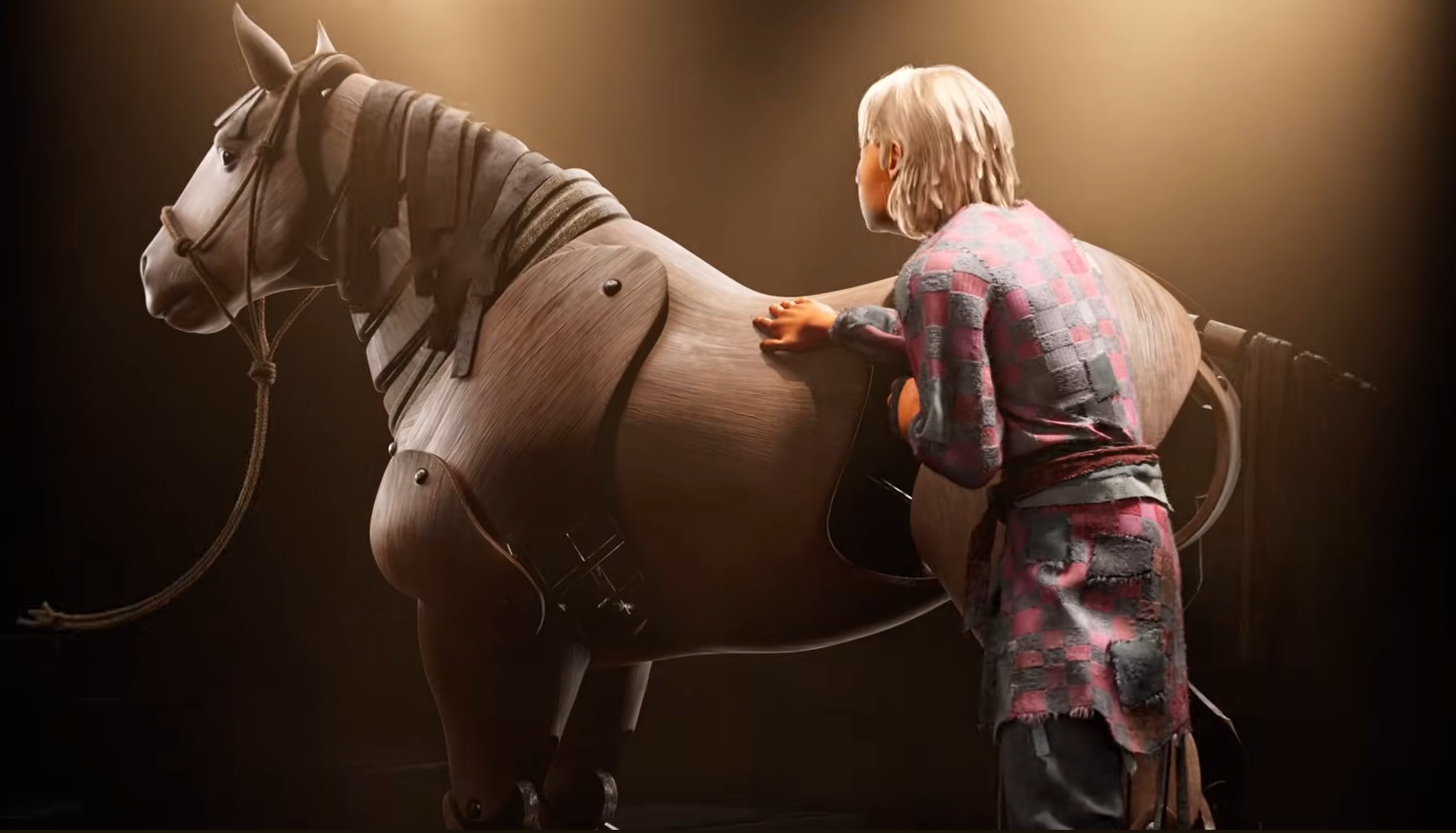
With a gesture, the queen reveals what he is asking for. Amazed, the man leaves fulfilled, while the fool points out with irony the generosity that seems to encourage dependence.
Time passes, and the griever returns. More confident and better prepared, this time he asked for a tool to lighten his workload. Once again, the Queen responded effortlessly.
The man leaves, always grateful, and the established order seems unchanging, punctuated by these material demands and their immediate satisfaction.
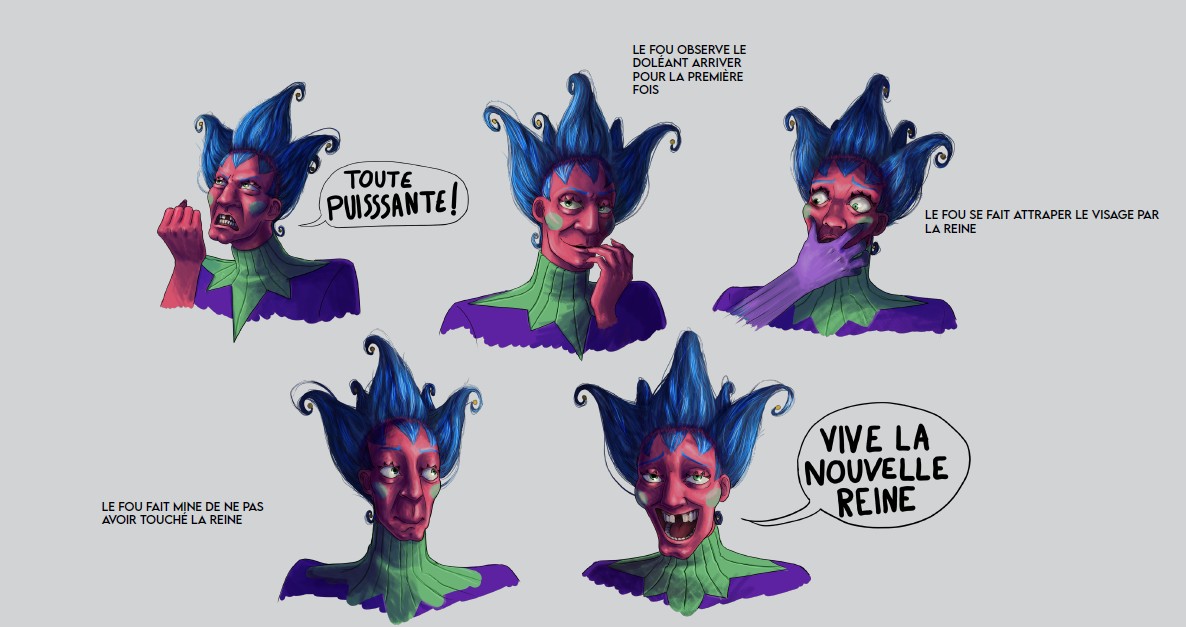
But when a new visitor arrives, something changes. The griever, now familiar with the place, made an unexpected request: he wished for happiness. The Queen, unsettled, struggles to respond to this abstract request, which is very different from her previous ones. Faced with her hesitation, the madman stirs up the situation, pushing the griever to go even further, to the point of asking for freedom itself.
The balance is shifting. Unable to satisfy such a demand, the queen gradually loses her self-confidence.
The control she exercised over her subjects slips from her grasp, and her power, hitherto unchallenged, is undermined in the public eye. Trouble ensues, amplified by the madman who, from mocking observer, becomes an actor in the overthrow.
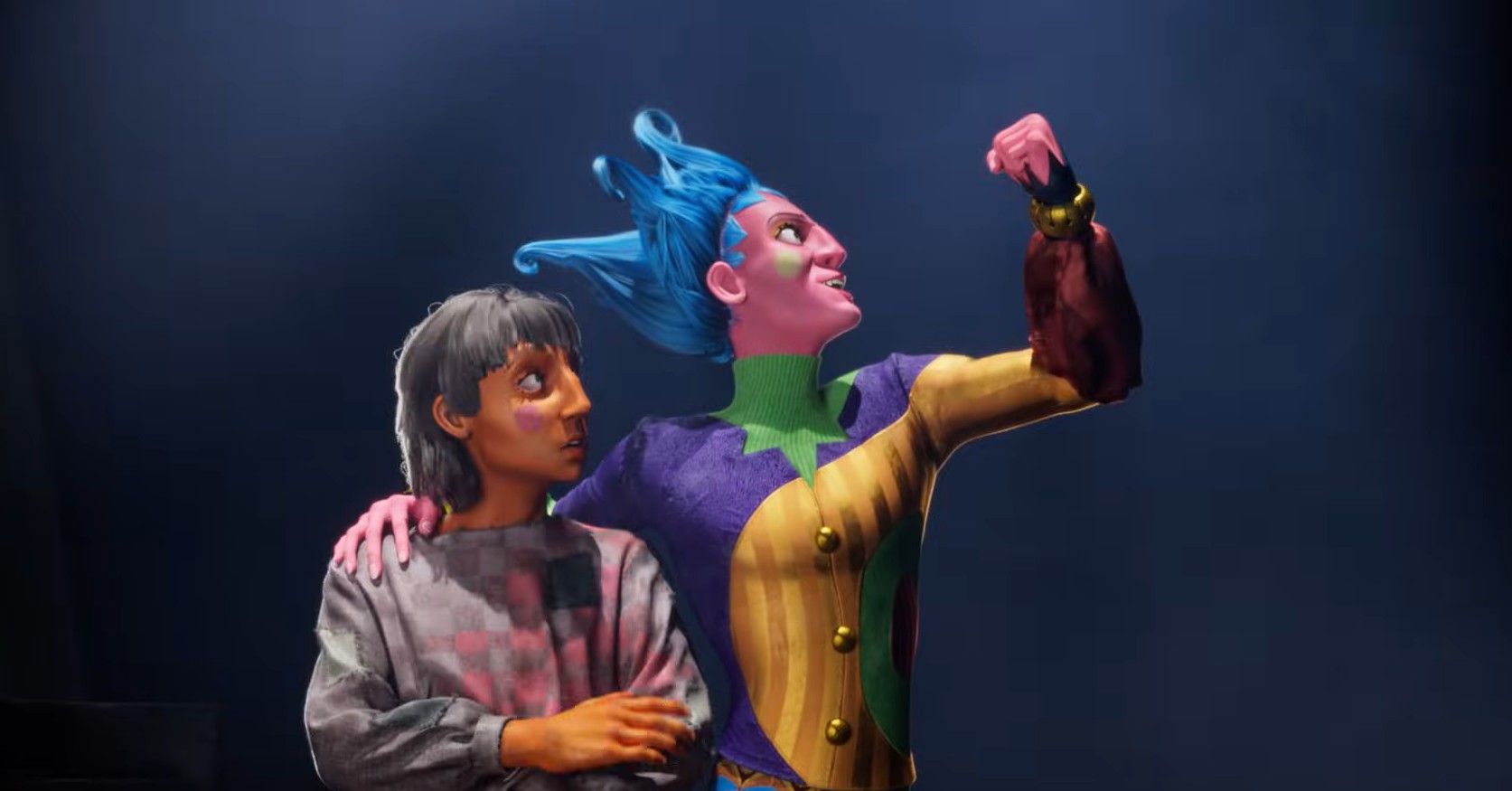
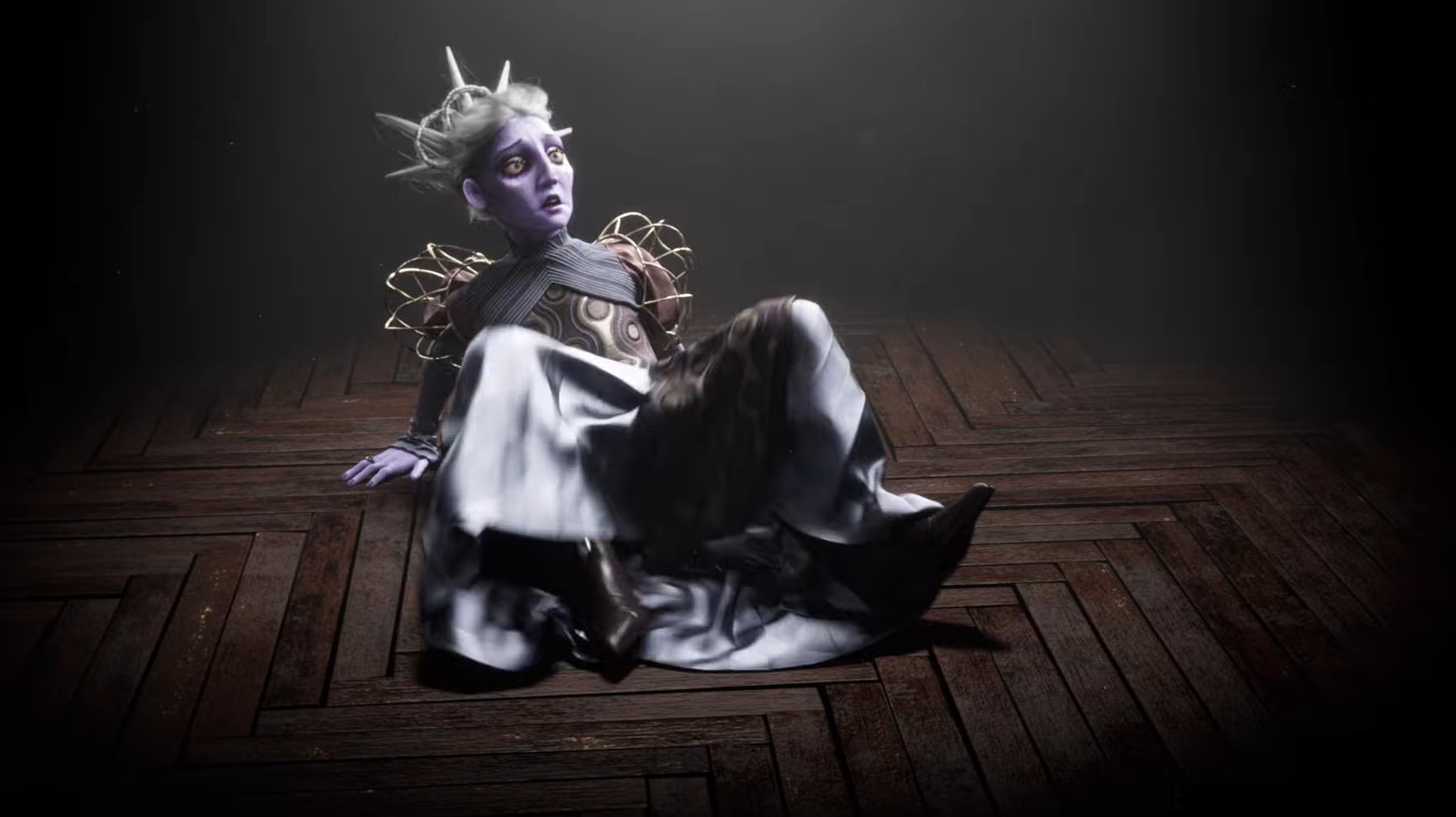
Finally, the queen collapses, unable to maintain the illusion of omnipotence. The madman then takes control of the situation, revealing that power can change hands as quickly as it has taken hold. While the griever, still looking for answers, is left without recourse, the madman turns to the audience and invites them to choose a new sovereign.
The story closes with a question mark, suggesting that this cycle could be repeated, driven by the eyes and wills of those watching.